Introduction
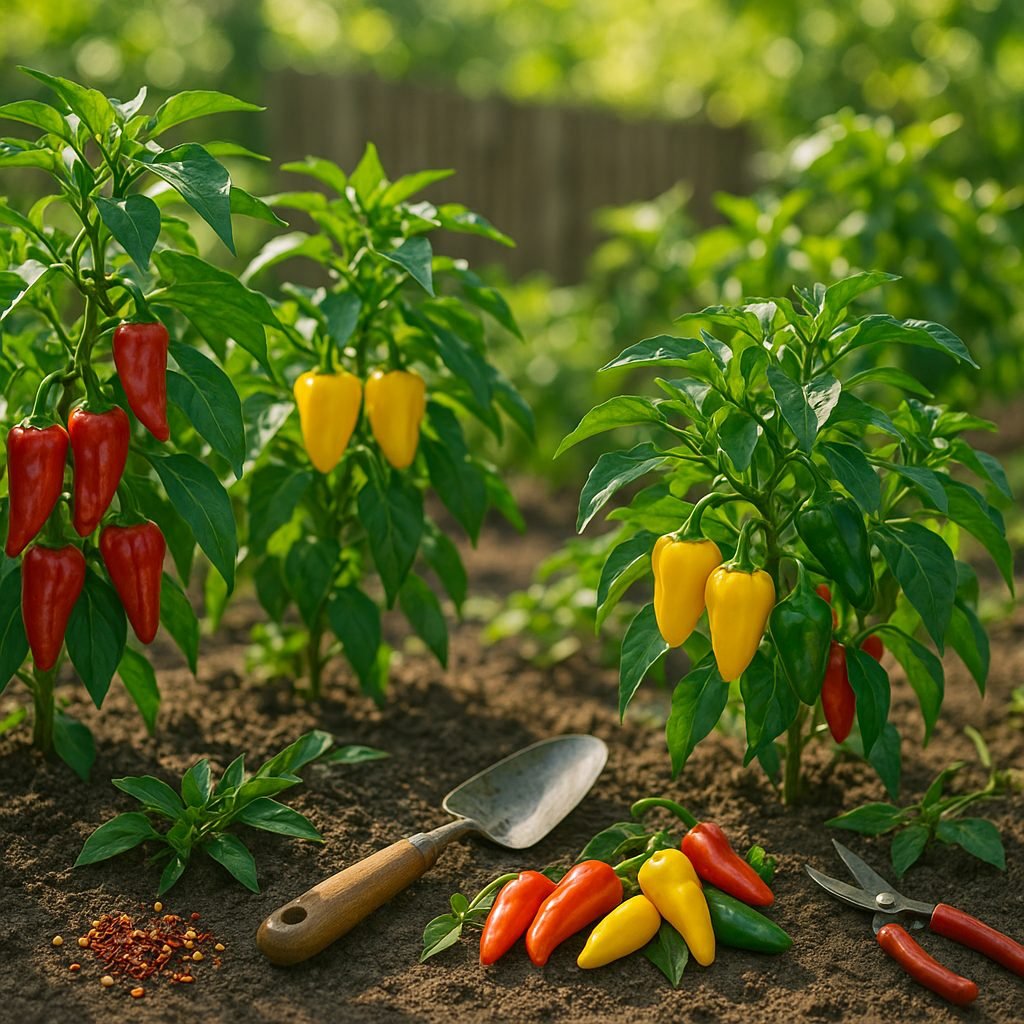
Growing your own hot peppers at home is more popular than ever, with gardeners everywhere eager to spice up meals with fresh, homegrown heat. One common question is about the ideal sunlight for hot peppers and how much is truly needed for thriving, productive plants.
Understanding sunlight needs isn’t just a detail—it’s a critical factor that can make or break your harvest. Too little sun, and your pepper plants may become leggy and produce fewer fruits; too much, and they might suffer from scorching or stress. Knowing how to balance these factors is essential whether you’re gardening on a sunny balcony or in a backyard patch.
In this guide, we’ll dive into the specifics of sunlight for hot peppers, including how many hours they need, the best positioning in your garden, and signs your plants might be getting too much or too little light. You’ll also find practical care tips and solutions to common sunlight-related challenges, such as sunburn or shaded growth.
Whether you’re a seasoned gardener or just getting started, this post will help you grow robust, flavorful hot peppers with confidence.
How Much Sun Do Pepper Plants Need?
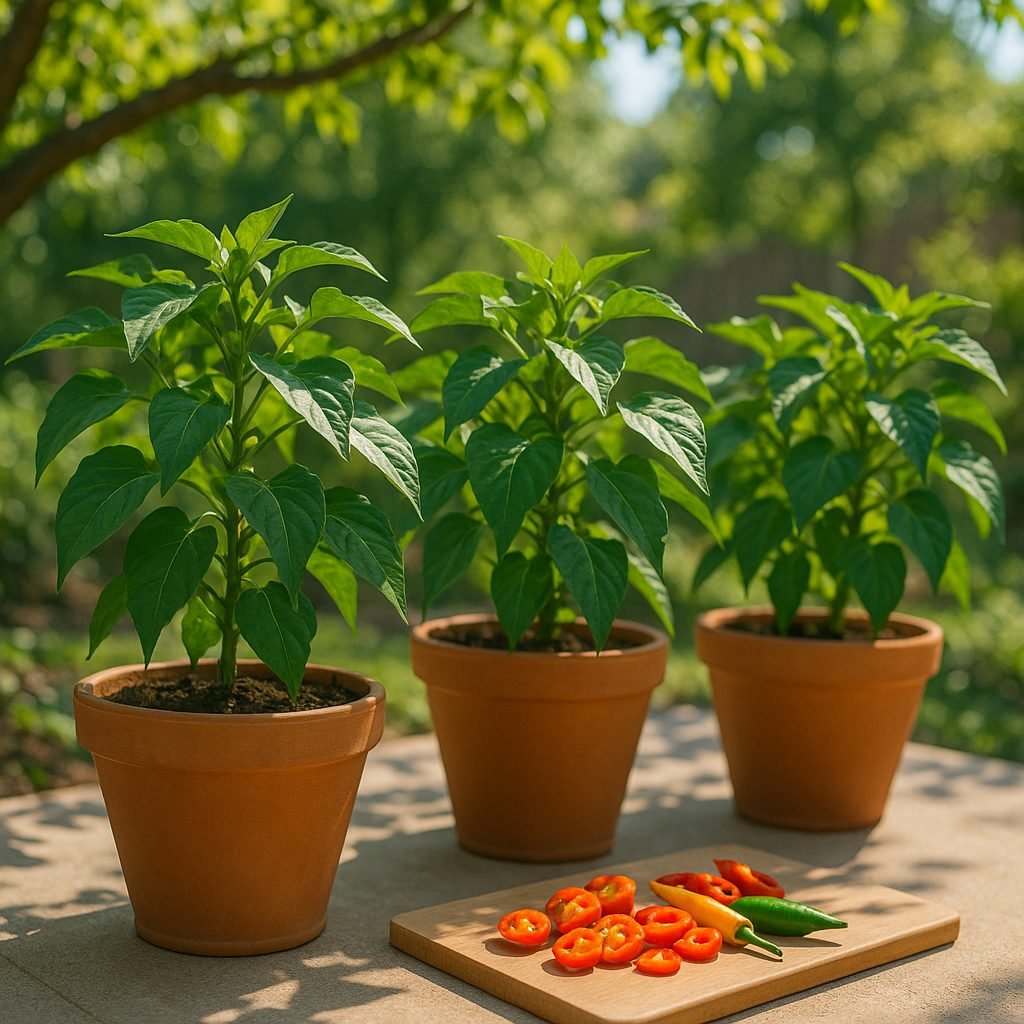
Pepper plants thrive with plenty of sunlight, generally requiring at least 6 to 8 hours of direct sun each day to grow well and produce abundant fruit. Light intensity is just as important as duration; full, unfiltered sunlight encourages sturdy stems and maximizes flowering and pepper development.
Most common varieties, like bell peppers and jalapeños, are sun-loving and will reward you with better yields if planted in the brightest spot available. However, some varieties, such as shishito or certain chili peppers, can tolerate a little afternoon shade, especially in very hot climates.
If you’re growing peppers indoors or in cooler regions, use a sunny south-facing window or supplement with grow lights to mimic those long, bright days.
When pepper plants don’t get enough light, they tend to grow leggy and thin, with weak stems that struggle to support the weight of leaves or fruit. Blossom and fruit production can drop significantly under suboptimal lighting, leading to smaller, misshapen peppers—or, in some cases, no fruit at all. You might also notice yellowing leaves or overall stunted growth as signs that your peppers need more sun.
To ensure the best results, keep an eye on your plants throughout the season. If they seem to be stretching toward the light or not setting fruit, consider moving containers to a sunnier location or trimming nearby plants that may be blocking out precious sunlight. A little careful observation and adjustment can make the difference between a disappointing harvest and a basket full of vibrant, flavorful peppers.
Can Pepper Plants Grow in Shade or Indoors?
Peppers are sun-loving plants that thrive best in full sun, which means at least 6-8 hours of direct sunlight each day. In contrast, partial shade provides about 3-6 hours of sunlight, while low light describes areas receiving little or no direct sun, such as deeply shaded corners indoors.
While it’s possible to grow pepper plants in partial shade or indoors, there are some important limitations to keep in mind. In shaded garden spots with only dappled sunlight, pepper plants may grow, but they’ll likely produce fewer and smaller fruits.
If you’re trying to grow peppers on a bright windowsill, the key is to select a south- or west-facing window that gets several hours of good light. Supplementing with a grow light—such as an LED full-spectrum lamp—can make a big difference, especially if your indoor spaces are naturally dim. Set the lights on a timer for about 12-16 hours daily to mimic summer conditions.
Patio peppers and compact varieties like ‘Jalapeño M’ or ‘Numex Twilight’ are smarter picks for indoor pots, as they require less space and adapt better to containers.
Whether you’re working with a shared backyard with limited sun, or a small apartment, be patient—peppers may take longer to mature without optimal sunlight, and yields can be lower. Fertilizing regularly with a balanced plant food helps, and rotating pots to maximize light exposure can improve growth.
In short, while peppers prefer soaking up the sun outdoors, with some thoughtful adaptations, you can still enjoy homegrown peppers even in shadier or indoor settings.
Risks of Too Much or Too Little Sunlight
Getting the right amount of sunlight is crucial for healthy plant growth, but both too much and too little can cause problems. When plants are exposed to excessive direct sun, especially during the hottest parts of the day, they may suffer from sunscald and leaf burn. These issues show up as bleached or brown patches on leaves, with some delicate plants even wilting or getting crispy edges. Over time, this stress can stunt growth or kill vulnerable plants.
On the flip side, when plants don’t receive enough sunlight, you might notice elongated, weak (“leggy”) stems as they stretch toward the light, pale or yellowing leaves, and noticeably fewer flowers or fruits. Indoor plants might lean dramatically toward the nearest window, while outdoor crops may yield poorly or struggle to mature.
To detect sunlight problems, regularly inspect plants for these symptoms and keep a log of their daily sun exposure; a smartphone can help track sun patterns throughout your space. If you spot signs of too much sun, try moving potted plants to a shadier spot, using shade cloth, or setting up a garden umbrella during peak sunlight hours. For plants lacking sunlight, trim back overhead branches, clean dirty windowsills, or reposition pots to sunnier locations.
Remember, most plants thrive with about six hours of light per day—but always check individual care guides, since every plant has its unique preferences. By observing your plants and making small, timely adjustments, you’ll help them reach their sunlit sweet spot and flourish season after season.
Transitioning Peppers from Indoors to Outdoor Sunlight
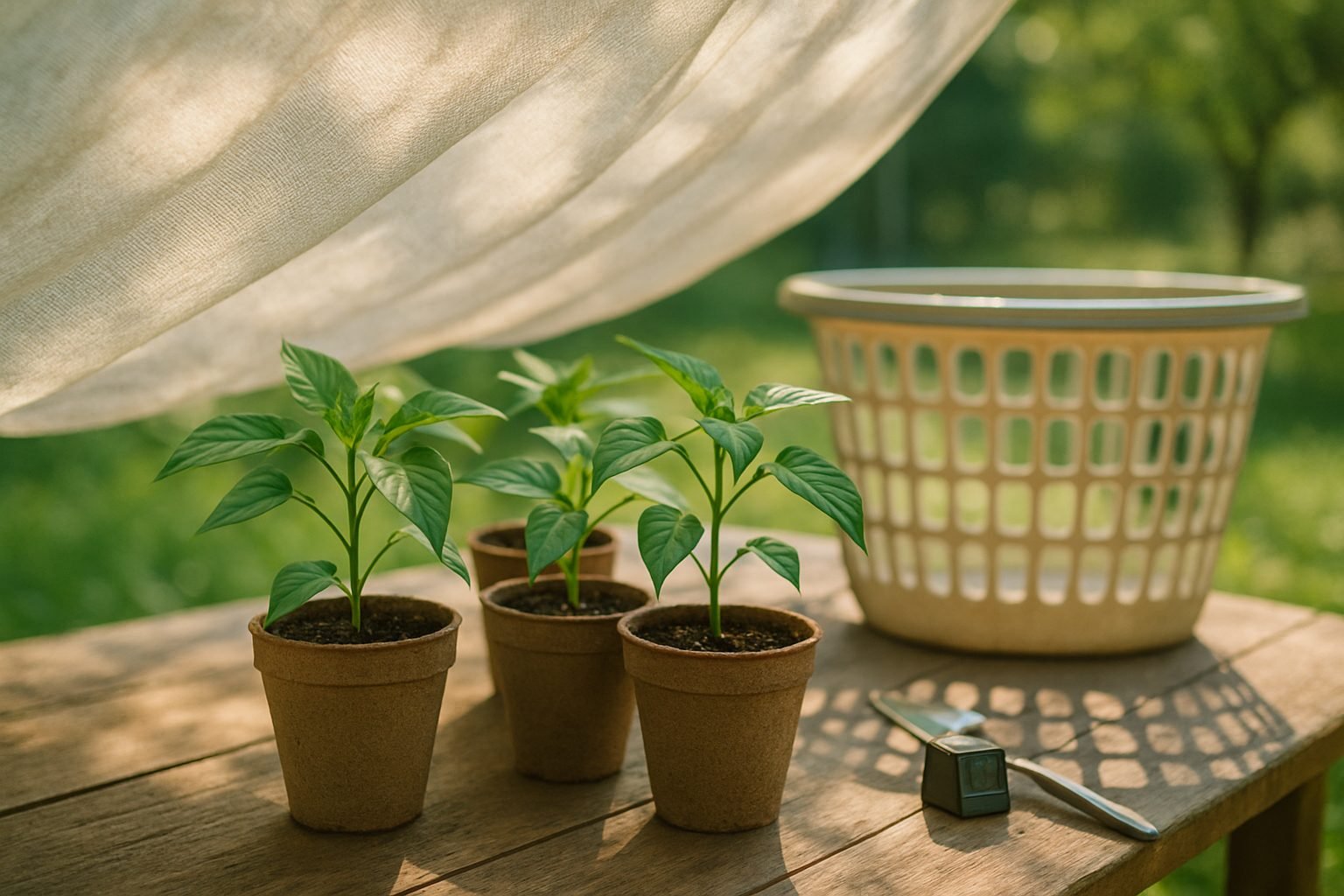
Hardening off is the essential process of gradually exposing indoor-grown pepper seedlings to outdoor conditions, allowing them time to adapt to sun, wind, and fluctuating temperatures without suffering shock. This transition is crucial because young plants, accustomed to the gentle, controlled environment inside, can become stressed or even scorched if moved directly outside.
To harden off your peppers, start by placing them in a shaded, wind-protected spot outdoors for just 1-2 hours on the first day. Each day, slowly increase their outdoor time by 1-2 hours, moving them into dappled sunlight, then full sun over the course of 7-10 days. Monitor your seedlings for signs of stress, such as wilting or pale leaves, and move them back into the shade if needed.
Water thoroughly but avoid soggy soil, keeping roots moist but not waterlogged. Timing is important—avoid hardening off on very windy or hot days, since extreme weather can undo your careful efforts. To prevent sun damage, some gardeners use shade cloth or even an overturned laundry basket during the first few outings to filter the sunlight.
When it’s time to plant your peppers in the ground, do so on a calm, overcast day or late in the afternoon to minimize shock. Handling plants by their leaves rather than their delicate stems can also help prevent injury. With patience and gradual exposure, your peppers will develop the sturdy stems and thicker leaves needed to thrive in their new outdoor home.
Extra Tips for Healthy, Productive Pepper Plants
Getting the most out of your pepper plants starts with understanding how sunlight shapes their growth and health. Peppers crave full sun—aim for at least six to eight hours of direct sunlight daily. Make sure your garden spot or balcony is free of shade from trees, fences, or neighboring structures, as even partial shade can slow growth and lead to leggy, unproductive plants.
In containers, regularly rotate pots to ensure even sun exposure on all sides, preventing lopsided growth and maximizing fruit set. Good sunlight also increases warmth, so pair bright spots with well-draining soil rich in organic matter; this combo helps roots stay warm but not soggy.
Be mindful that peppers in full sun dry out faster—consistent, deep watering is key, but avoid overly wet soil, which can cause root problems or amplify sunburn stress.
If leaves start yellowing or plants look stunted, check for common culprits like insufficient sunlight, poor drainage, or nutrient shortages. Yellow leaves on the shaded side may mean you need to adjust pot placement or prune nearby plants casting shadows.
If outdoor temperatures regularly exceed 90°F (32°C), shade cloth can protect peppers from midafternoon scorch while still delivering adequate light. Indoors, choose south- or west-facing windows or supplement with grow lights if natural light isn’t strong enough.
Remember, healthy pepper plants with good sunlight will have robust, dark green foliage and steadily set flowers and fruits—an easy visual cue you’re on the right track. With a little attention to light placement, watering, and air temperature, your peppers will reward you with a vibrant, productive season.
Harvesting and Storing Peppers
To get peppers at their tastiest and crispest, timing is key: pick them when they’ve reached full color—this could be green, red, yellow, or even purple, depending on the variety. The skin should look glossy and feel firm to the touch.
Use sharp scissors or garden shears to snip peppers off the plant, leaving a short stem attached to prevent damage and rot. Sunlight plays a big role here—peppers that get at least 6-8 hours of sunlight daily develop richer flavors and more vibrant colors than those grown in the shade.
After harvesting, store fresh peppers unwashed in the refrigerator’s crisper drawer, where they’ll last about a week. For longer-term storage, consider freezing sliced peppers, pickling them in vinegar, or drying them using a dehydrator. Blanching before freezing helps lock in flavor and texture.
If you have an abundance, homemade pepper jelly or hot sauce is a fun way to preserve extra peppers. By harvesting at the right time and using smart storage methods, you’ll enjoy your garden’s flavors long after the season ends.
Conclusion
Getting the right amount of sun is key to growing healthy, flavorful peppers—too little and the plants stay spindly; too much and they can scorch or stop producing. Take time to observe your garden’s light patterns and adjust locations or provide shade as needed for the best results. Every garden is different, so don’t be afraid to experiment and see what works best for your peppers.
We’d love to hear how you manage sunlight in your own garden—feel free to share your tips or pepper-growing stories in the comments below and help other gardeners learn from your experience!