Introduction to Jalapeño Peppers
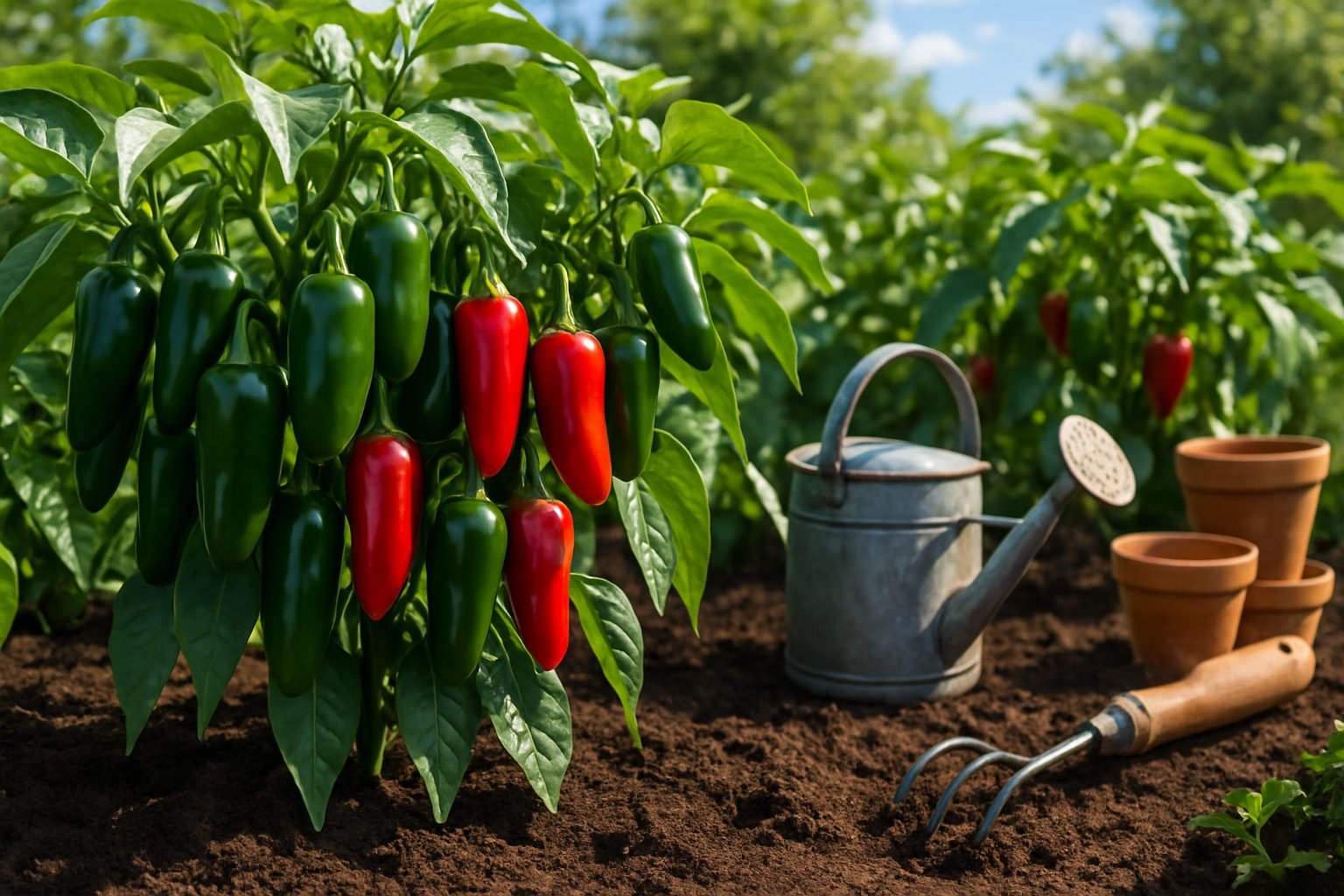
Growing jalapeños is a rewarding journey for gardeners and spicy food lovers alike. Jalapeño peppers are well-loved for their moderate heat, vibrant green color, and unmistakable zing that elevates countless dishes—from nachos and salsas to pickles and poppers. Often found gracing supermarket shelves and restaurant plates worldwide, jalapeños have soared in popularity thanks to their approachable spice level and versatility. If you’ve ever bitten into a fresh jalapeño, you know how its crisp texture and bright, grassy notes can transform a recipe. That’s part of the magic of growing these peppers at home: you get to experience their full flavor potential and pick them right at their peak, making every bite fresher and more flavorful than store-bought alternatives.
One of the best parts about growing jalapeños is the personal touch it brings. Home gardeners have complete control over how their plants are nurtured, avoiding unwanted pesticides and ensuring top-notch quality. Plus, there’s something special about seeing your pepper plants thrive and then snipping off vibrant pods for tonight’s meal—it’s a source of satisfaction that goes beyond the harvest. Jalapeños are also surprisingly accommodating: they don’t require massive amounts of space and can flourish in backyard gardens, raised beds, or even large containers on a sunny patio.
Curious if jalapeños are fruits? Botanically speaking, they are! Like all peppers, jalapeños come from the flowering part of the plant and contain seeds, making them fruits. Their heat level typically ranges from mild to moderate, sitting between 2,500 and 8,000 Scoville units. This means they add a pleasant kick without overwhelming most palates.
In this guide, we’ll explore everything you need to know for a bumper jalapeño harvest. You’ll learn about planting seeds or seedlings, ideal growing conditions, essential care tips, and how to troubleshoot common issues like pests or poor growth. We’ll also cover when and how to pick and store your peppers—and share creative uses so you can put your homegrown crop to delicious use all year long. Whether you’re a gardening newbie or a seasoned green thumb, this guide will help you master the rewarding skill of growing your own jalapeños.
Choosing the Right Jalapeño Variety
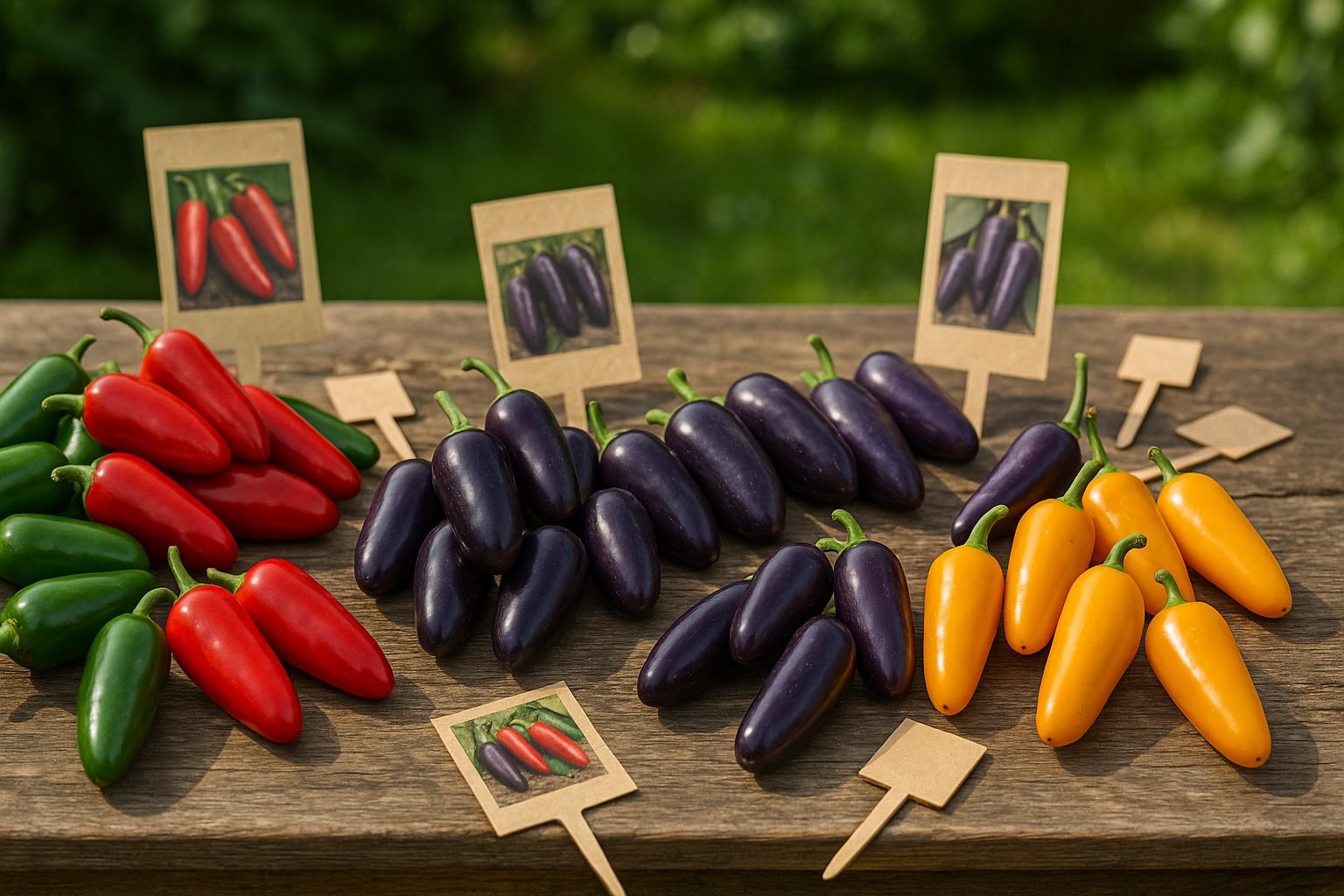
When picking jalapeños for your garden, it’s important to know that not all jalapeños are created equal—there are several popular types, each with its own twist. Classic ‘Early Jalapeño’ is a top pick for many gardeners thanks to its medium heat, early harvest, and reliability even in cooler climates. Its fruits are short and chunky, packing that familiar, crisp flavor perfect for salsa or poppers.
If you want more heat, ‘Jalapeño M’ steps it up with a spicier kick and larger, smoother pods, ideal for those who like a touch more fire in their dishes. For flavor with less bite, try ‘TAM Mild Jalapeño,’ bred to offer the same great taste with milder heat, making it perfect for families or those sensitive to spice.
Climate is key when choosing which variety to plant; cooler areas should stick to early or short-season types like ‘Early Jalapeño’ to ensure a good harvest before frost, while growers in hot climates can experiment with late-maturing or spicier varieties. Always read seed packets for details on days to maturity and plant size, which can range from compact, pot-friendly plants to larger, bushier ones better suited for in-ground beds.
If you’re looking to add some color or novelty to your garden, consider unique varieties like ‘Purple Jalapeño,’ which matures from green to deep purple and finally to red, offering striking ornamentation and a slightly fruitier taste. Another showstopper is ‘Jaloro,’ the golden-yellow jalapeño with mild to medium heat and a touch of sweetness, perfect for grilling or pickling.
No matter your goal—abundant harvests, unique flavors, or eye-catching colors—there’s a jalapeño variety to match. For best results, buy seeds or seedlings from a reputable supplier and choose those adapted to your region’s climate, ensuring vigorous growth and a bumper crop all season long.
Planting Jalapeños: Seeds, Soil, and Sunlight
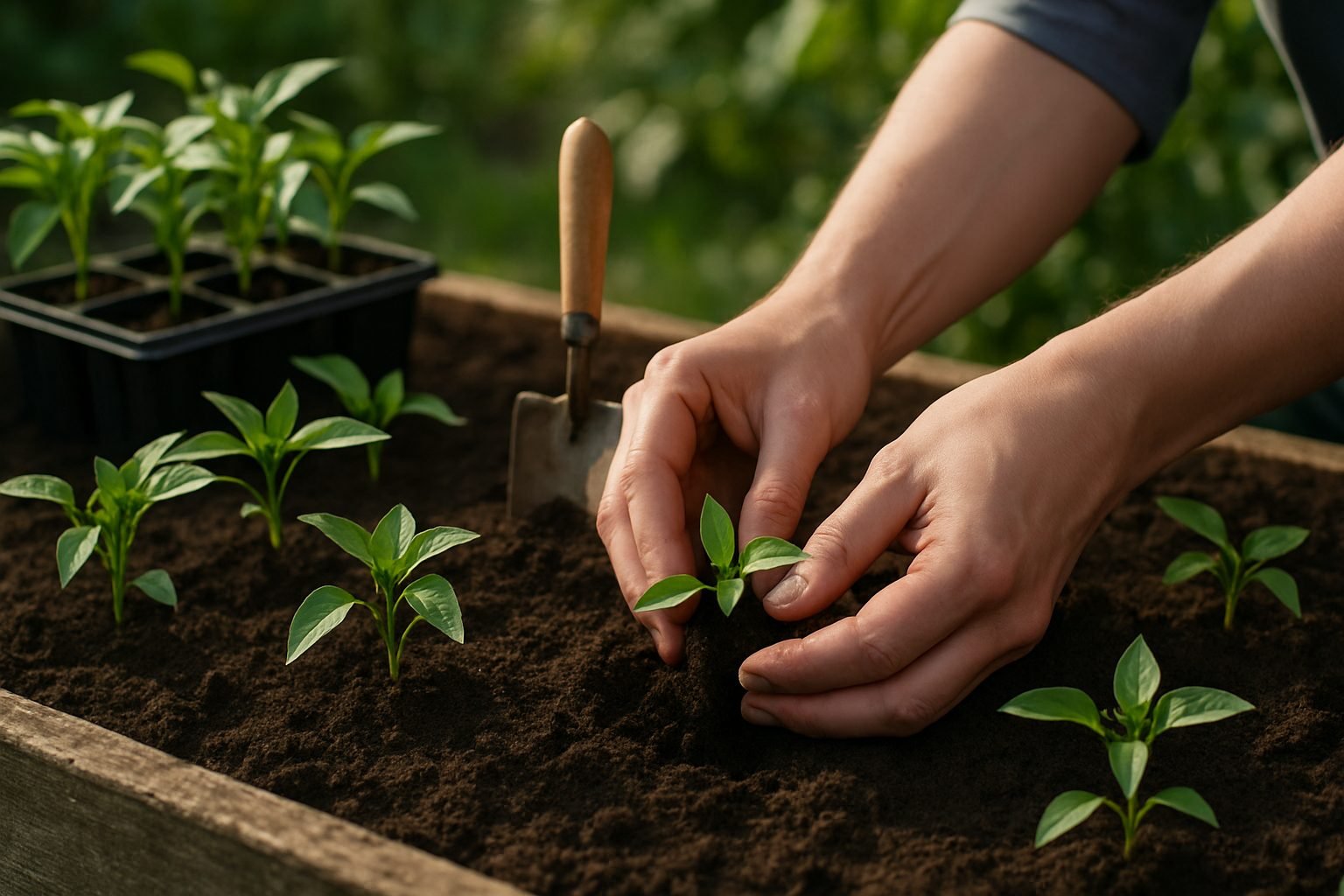
When it comes to planting jalapeños, timing and preparation make a big difference in your harvest. If you live in a cooler climate, start jalapeño seeds indoors about 8 to 10 weeks before your area’s last expected frost. Plant seeds a quarter-inch deep in seed trays or small pots filled with seed-starting mix, and keep them in a warm spot around 70–80°F—using a heated mat if necessary.
Provide plenty of light by placing seedlings under grow lights or in a sunny window. Once the soil outside warms consistently above 65°F and night temperatures stay above 55°F, transplant your young peppers after hardening them off. In warmer regions, you can sow seeds directly into garden beds or large containers after all danger of frost has passed.
Whether sowing directly or transplanting, jalapeños thrive in well-draining, loamy soil that’s rich in organic matter. Work in plenty of compost before planting, and aim for a soil pH between 6.0 and 6.8. For container growers, use a high-quality potting mix amended with compost, and ensure pots have drainage holes to prevent soggy roots—jalapeños hate wet feet.
Sun is just as crucial: jalapeños need full sun, so pick a location that gets at least six to eight hours of direct sunlight daily. If you’re gardening on a patio, keep containers away from walls or other structures that might shade your plants during the day.
Space jalapeño plants 12 to 18 inches apart in rows that are about two feet apart to give them ample air circulation, which helps prevent disease. Consider pairing jalapeños with companion plants like basil, marigold, or carrots—these can help deter pests and improve your overall harvest. Avoid planting peppers near fennel or kohlrabi, as these can inhibit their growth.
With the right start and growing conditions, your jalapeños will reward you with a plentiful, spicy crop all season long.
Caring for Jalapeño Plants: Water, Fertilizer, and Maintenance
Jalapeño plants thrive when you pay close attention to their water, food, and basic care needs. A few good habits will keep your peppers healthy and productive all season long.
Watering
Start with consistent watering: jalapeños prefer evenly moist but not soggy soil. Let the top inch of soil dry out between waterings—stick your finger in the soil to check. Aim to water early in the day to prevent fungal diseases. Overwatering is one of the biggest mistakes; yellowing leaves or a droopy plant can signal excess moisture or poor drainage, especially in containers. Underwatering leads to wilting and poor fruit set, so don’t let the soil become bone dry.
Fertilizing
For feeding, start with a balanced fertilizer like 10-10-10 when transplanting. Switch to a fertilizer higher in phosphorus (the middle number) as flowers begin to appear. Feed container plants every two weeks during the growing season because nutrients wash out faster with frequent watering. In-ground jalapeños usually need feeding every four to six weeks, but always check the product label for guidance.
Temperature and Protection
Jalapeños love warm temperatures, ideally between 70°F and 85°F, but will struggle if nights drop below 55°F or days soar past 95°F. Use row covers to protect from chilly nights, and provide shade cloth or move containers indoors during heatwaves.
Maintenance
Remove weeds regularly to reduce competition and pests. Pruning isn’t always required, but pinching off early flower buds can encourage stronger root growth in young plants. Removing any yellowing or damaged leaves keeps the plant tidy and healthy. Staking can help support top-heavy plants, especially in windy or stormy areas.
Container vs. In-Ground Care
Container-grown jalapeños need more frequent care because their soil dries out faster and nutrients get depleted quickly. They benefit from extra monitoring and feeding. Make sure containers have drainage holes and use a lightweight potting mix.
In-ground peppers typically have more stable conditions and can grow larger with less frequent tending, but both types benefit from mulch to conserve moisture and keep roots cool.
Summary
Whether you’re tending a patio pot or a backyard bed, paying attention to jalapeño basics—watering only when needed, feeding at the right times, protecting from temperature swings, and staying on top of simple upkeep—sets you up for a productive and flavorful harvest.
Troubleshooting: Common Problems, Pests, and Diseases
Growing jalapeños can be rewarding, but like any plant, they may face various issues that can slow growth, reduce yield, or even kill the plant if left unattended. One common problem is poor flowering or fruit set, often caused by extreme temperatures, insufficient sunlight, or improper watering. Ensuring your jalapeños get at least six hours of sunlight daily and maintaining consistent soil moisture without waterlogging can help prevent this.
Leaf damage—such as holes, yellowing, or curling—may indicate pest infestations or diseases. Aphids, spider mites, and whiteflies are the most frequent insect pests. Look for clusters of tiny insects under leaves, sticky residue (honeydew), or fine webbing. To control these pests, gently spray affected plants with insecticidal soap or encourage natural predators like ladybugs. For those preferring organic methods, neem oil can be effective against soft-bodied insects and some fungal issues.
Cutworms and pepper maggots may also attack stems or fruits, so keep an eye out for chewed holes or wilting young plants. Use row covers or hand-pick larvae if found.
Fungal diseases like powdery mildew and bacterial leaf spot cause yellow patches, brown spots, or a white powdery coating on the leaves. Rotating crops, watering at the base of plants, and providing good air circulation are solid prevention steps. Copper-based fungicides offer a chemical solution, while organic gardeners can use a baking soda spray as a mild preventative.
Stunted growth might arise from compacted soil or insufficient nutrients. Enrich the soil with compost before planting and consider using a balanced, slow-release fertilizer during the growing season.
Jalapeños can also suffer from blossom end rot, where fruits develop black, sunken spots. This condition usually signals calcium deficiency or irregular watering. To prevent it, mulch around plants and maintain consistent moisture levels.
Transplant shock is another challenge, especially if seedlings aren’t properly hardened off. Gradually acclimate young plants to outdoor conditions over a week before planting them outside.
To avoid seed viability issues, store seeds from ripe, disease-free peppers in a cool, dry place and start each season with fresh seed stock when possible.
The best practice for preventing most problems is to keep jalapeño plants healthy from the start—use disease-free seeds or transplants, keep the growing area weed-free, check plants regularly for issues, and act quickly if anything unusual appears. By addressing these common challenges with a combination of vigilance, organic solutions, and selective use of chemical treatments when needed, you can keep your jalapeño plants thriving and productive all season long.
Harvesting Jalapeños: When and How
Knowing the right time to harvest jalapeños can make all the difference in their flavor and heat. Look for peppers that are a deep, glossy green and about 3 to 4 inches long—this is the classic stage for picking.
Some gardeners prefer to wait for subtle color changes. Jalapeños start developing faint cracks, known as corking, and can turn from green to red if left longer. Red jalapeños tend to be sweeter and a bit milder, while green ones offer that signature punch of heat.
Texture is key: ripe peppers feel firm but not rock hard. When you’re ready to pick, use sharp garden shears or scissors instead of pulling by hand. Snip the stem about a quarter inch above the pepper, supporting the fruit with your other hand to avoid snapping the branch.
Aim to harvest in the cooler morning hours when the plant is less stressed and the peppers are crisp. For a steady harvest throughout the season, check your plants every few days and pick peppers as soon as they reach their desired size—regular picking encourages more blooms and fruit.
If you spot sunscald (pale, soft spots), wrinkling, or signs of pests at harvest, remove the affected peppers and check the foliage for additional issues. Prompt picking and healthy airflow can prevent problems from spreading.
Always wear gloves if you’re sensitive to capsaicin, and wash your hands thoroughly afterward. By keeping a close eye on your plants and picking thoughtfully, you’ll enjoy crisp, flavorful jalapeños from summer into fall.
Storing, Cooking, and Using Jalapeño Peppers
Jalapeño peppers are versatile and easy to store, so you can always have their signature kick on hand for cooking. For the freshest taste, keep jalapeños in your refrigerator’s crisper drawer—just place them in a paper bag or a perforated plastic bag to maintain airflow and moisture.
If you find yourself with extras, freezing is a great option: simply slice or chop the peppers (removing seeds for less heat), spread them on a baking sheet to freeze individually, then transfer to a freezer bag for long-term storage.
Another popular method is pickling—slice the peppers and soak them in a simple vinegar, water, salt, and sugar brine for about an hour to create tangy toppings for nachos or sandwiches.
To enjoy them all season, try drying whole peppers in a low oven or a food dehydrator; once brittle, grind them into homemade chili powder or use them to infuse oils and sauces.
Cooking with Jalapeños
When cooking with jalapeños, roasting or grilling brings out their natural sweetness while slightly mellowing their heat. Simply char them over an open flame or under the broiler, then peel off the blackened skins before chopping.
To control spice, always remove the inner white ribs and seeds, as this is where most of the heat resides. Be sure to wash your hands thoroughly—or better yet, wear disposable gloves to avoid any accidental eye contact.
Using Jalapeños in Your Meals
Fresh jalapeños can brighten up everything from guacamole and salsa to tacos, quesadillas, or even cornbread; just chop and scatter them in for a pop of flavor.
For a simple appetizer, try stuffing halved jalapeños with cream cheese and baking them until golden and bubbly.
With these tips in mind, you can enjoy the bold, fresh taste of jalapeños in your everyday meals, no matter your spice tolerance.
Final Tips and Jalapeño Wisdom
Experienced gardeners agree: one of the secrets to thriving jalapeño plants is providing consistent, deep watering. Unlike herbs or some other vegetables, jalapeños appreciate a good soak followed by a period of dryness—this mimics their native climate and encourages robust root growth.
If you struggle with uneven heat levels in your harvest, make sure your plants get full sun for at least 6-8 hours daily; more sun translates to spicier, more flavorful peppers. Mulching is another insider tip—organic mulch helps retain even soil moisture, prevents weeds, and keeps roots cool during summer peaks.
Many beginners worry about “topping” jalapeño plants (trimming the main stem to promote bushier growth). The truth is, gentle pruning after the third or fourth set of leaves is a proven way to encourage branching and yield more peppers per plant—just don’t overdo it early on.
Another common misunderstanding is about cross-pollination: jalapeños will stay true to type even if other peppers are nearby, so there’s no need to worry about “hot” bell peppers or vice versa.
For those dealing with pests like aphids, try releasing ladybugs or using a mixture of water and mild dish soap as a spray—chemical pesticides aren’t necessary for healthy plants.
Looking to supercharge your crop? Many top growers swear by occasional feeds of Epsom salt mixed with water. The magnesium boost can green up leaves and support fruit development, but always test on a small area first.
Fun Fact
Jalapeños take their name from Xalapa (or Jalapa), the capital city of Veracruz, Mexico, where they’re believed to have originated centuries ago. Today, they’re one of the most popular peppers worldwide, thanks to their perfect balance of heat and flavor.
Whether you’re growing in the ground or in containers on a sunny patio, the joy of harvesting your own fresh jalapeños is unmistakable. Don’t be afraid to try—it’s easier than you think, and even one productive plant will reward you with dozens of spicy treats.
Embrace the process, experiment with different techniques, and remember every gardener started with a single seed. Growing jalapeños connects you with a global tradition, and each harvest is a spicy reminder of patience, care, and a bit of garden magic.