Introduction
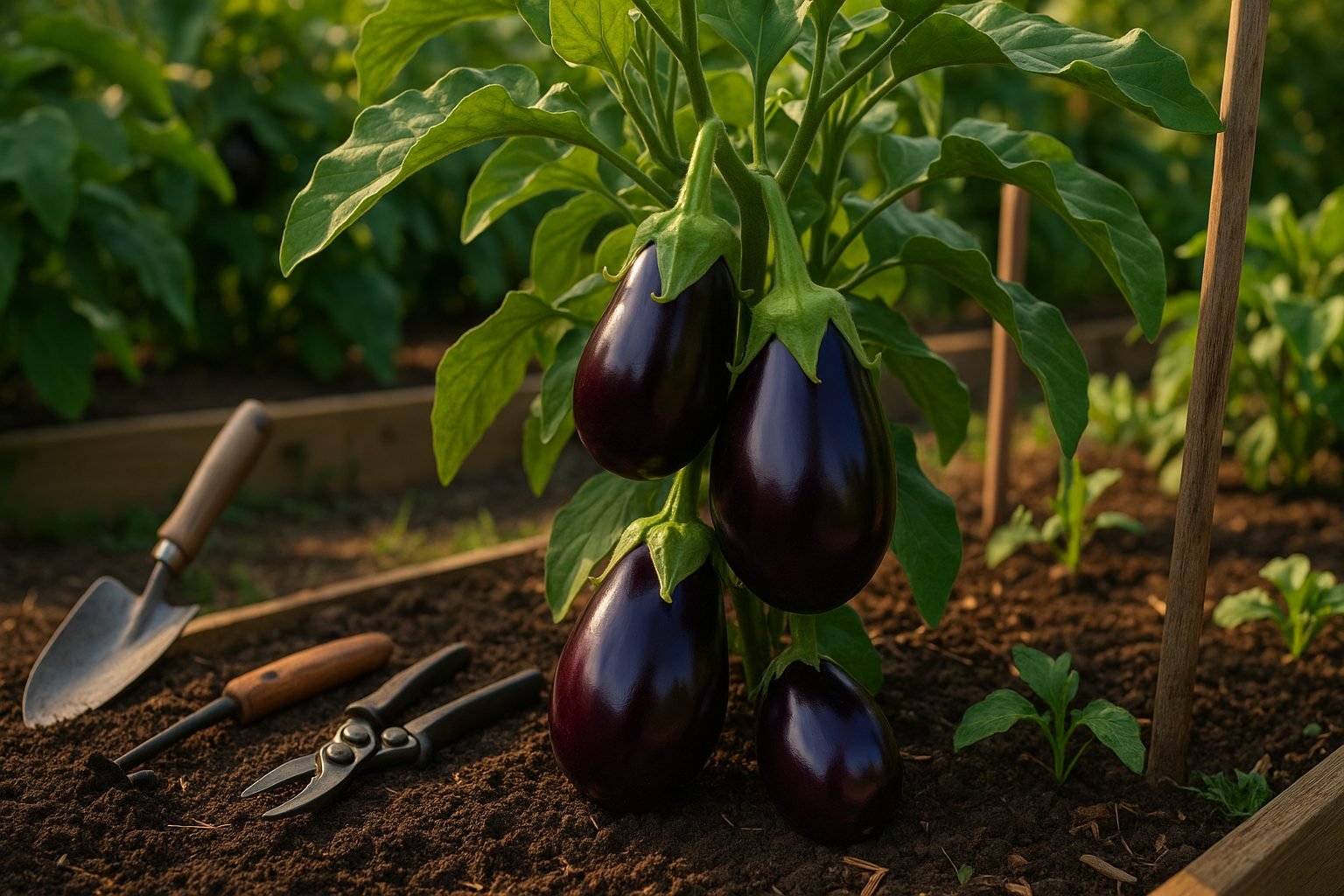
Eggplants have become a favorite among home gardeners and small-scale farmers alike, thanks to their delicious flavor, vibrant color, and versatility in the kitchen. Growing a thriving crop requires more than just good seeds and soil—you also need the right eggplant garden tools to make every stage, from planting to harvesting, easier and more efficient.
A quality hand trowel can simplify transplanting seedlings, while sharp pruners keep your plants healthy and productive throughout the season. Choosing smart, ergonomic tools helps prevent strain and saves valuable time, especially when managing multiple plants. In this post, we’ll guide you through the best tools for growing and harvesting eggplant, sharing trusted options and tips from experienced gardeners.
Whether you’re aiming for a bumper crop in your backyard or just nurturing a few pots on your balcony, you’ll discover the essential tools to help you grow healthier, tastier eggplants with less effort and greater success.
Essential Tools for Planting Eggplant Seeds
When starting an eggplant garden, having the right eggplant garden tools from the beginning can make a huge difference in helping your seeds grow into healthy plants. Quality soil is crucial, so invest in a rich, well-draining potting mix designed for vegetables—look for one with added compost or organic material to promote strong root development.
For sowing seeds, sturdy seed trays are a must, providing a consistent and contained environment for germination. If you’re gardening on a small scale or using a balcony, compact seed trays and biodegradable pots work great and can later be transplanted into larger containers or garden beds.
A dibber, a simple pointed tool, makes planting seeds at the correct depth quick and precise, which is especially important for even spacing and healthy roots. Don’t forget plant labels—they help you keep track of eggplant varieties and sowing dates, which is invaluable when managing multiple seedlings or starting successive batches.
For those growing eggplants indoors or in cooler climates, a soil thermometer is an essential eggplant garden tool. Eggplant seeds germinate best at 75-85°F, so you’ll know exactly when your soil is warm enough to plant. To go a step further, use a seedling heat mat beneath your trays to maintain that ideal temperature, speeding up germination and giving your eggplants a strong start.
Whether you’re planting a single pot or a raised bed, these basic tools can help ensure a bountiful, thriving eggplant crop.
Transplanting Tools and Techniques
When it’s time to move your tender eggplant seedlings from pots to their permanent garden spot, having the right eggplant garden tools makes all the difference. A sturdy hand trowel is essential for scooping soil, digging precise holes, and gently guiding young roots into place. Look for trowels with contoured, ergonomic handles to reduce hand fatigue—many gardeners prefer models with soft, recycled plastic grips or sustainably harvested wood.
A transplanting spade, which is smaller and narrower than a traditional shovel, offers greater control in tight garden spaces. It’s especially handy when placing multiple eggplants in neat rows. To minimize root shock—which eggplants can be sensitive to—a root lifter or seedling lifter works wonders. These tools slip beneath delicate root balls while disturbing the soil as little as possible, helping the plant adjust smoothly to its new home.
To further ease stress on the seedlings, water them about an hour before moving and use your trowel or lifter to keep as much soil around the roots as possible. This helps retain important soil microbes and moisture. Choose tools with rust-resistant stainless steel or powder-coated blades—they’re durable and easy to clean, which is key when working with moist soil.
If sustainability is important in your garden, look for brands that use recycled materials or offer replaceable parts. Investing in thoughtful, high-quality transplanting tools ensures your eggplants develop strong, healthy roots right from the start.
Watering and Fertilizing Tools for Your Eggplant Garden
Proper watering and nutrient management are key to a thriving eggplant patch, and choosing the right eggplant garden tools can make all the difference. Watering cans are perfect for smaller gardens or container-grown eggplants, allowing you to gently direct moisture to the plant base while avoiding wet leaves, which helps prevent disease.
For those managing larger plots, drip irrigation kits offer a hands-off approach by delivering water steadily and directly to the roots. This reduces evaporation and keeps foliage dry—ideal for heat-loving eggplants. Soaker hoses provide another efficient method, running along eggplant rows to saturate the soil evenly. Place them under mulch to maximize water retention and minimize weed growth.
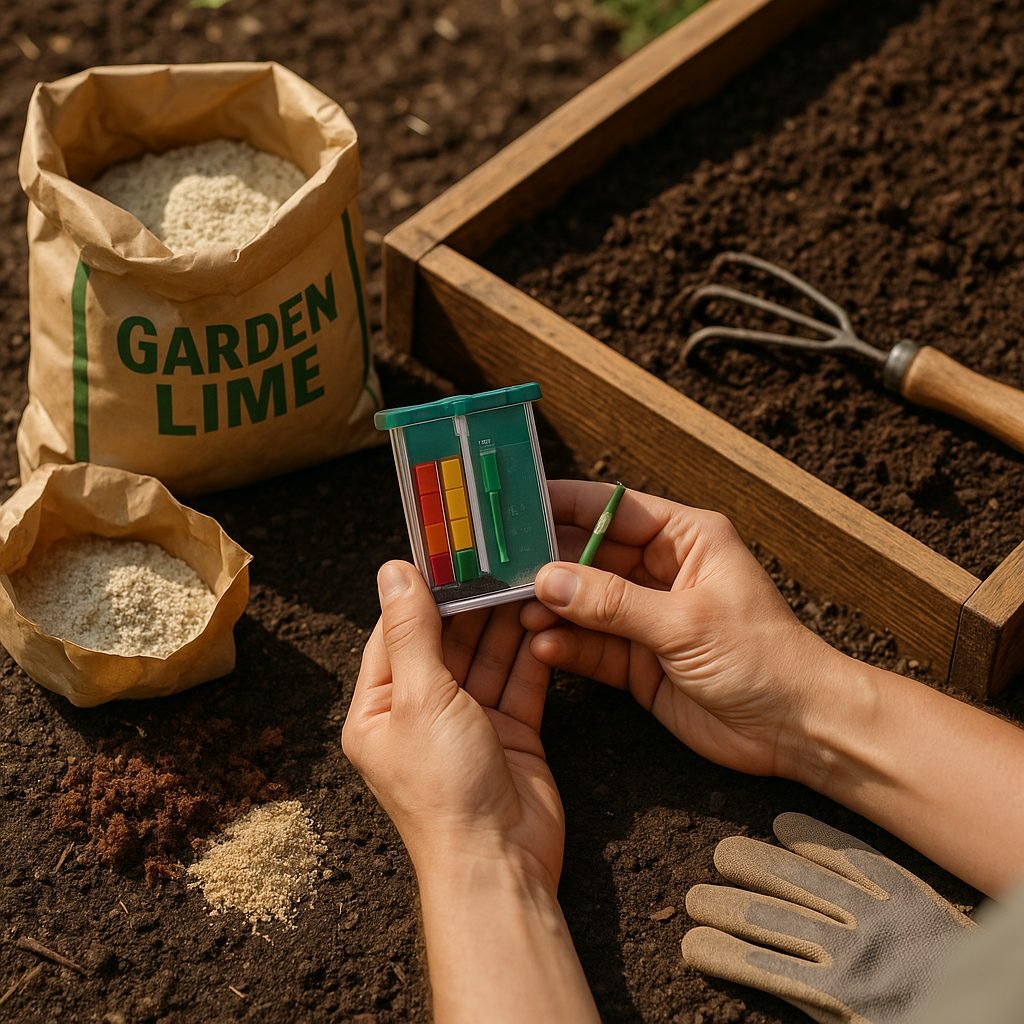
Beyond watering, understanding your soil’s nutrient profile ensures your eggplants get exactly what they need. Basic soil testing kits are affordable and easy to use, helping you check pH levels and essential nutrients like nitrogen, phosphorus, and potassium. With this insight, you can fine-tune your feeding schedule.
When it’s time to fertilize, handheld spreaders and compost scoops are practical eggplant garden tools for even application. These help reduce the risk of fertilizer burn and ensure nutrients reach the roots effectively. Compost tumblers or bins are great for creating your own organic matter, and a simple garden fork makes blending compost into the soil hassle-free.
By investing in these targeted watering and fertilizing tools, you’ll set your eggplants up for lush growth and a bountiful harvest—whether you’re a casual backyard gardener or a seasoned green thumb.
Pruning and Training Tools
Pruning and staking are essential when growing eggplants, as they greatly improve plant health, fruit yield, and overall garden organization. Regular pruning enhances airflow, reduces disease risk, and helps the plant focus its energy on producing larger, tastier fruits. Training or staking supports heavy stems and keeps ripening eggplants off the ground, preventing rot and pest damage.
For these tasks, a few key eggplant garden tools really stand out:
- Sharp hand pruners: Bypass-style pruners are ideal because they make clean, precise cuts without crushing stems, perfect for snipping unnecessary shoots and leaves.
- Soft plant ties: Velcro strips or flexible garden twine gently secure stems to supports without cutting into growth. Always tie loosely to allow for thickening stems.
- Bamboo stakes: These offer strength with a natural look, supporting your plants effectively.
- Tomato cages: Provide all-around support, great for containing sprawling eggplant varieties. Choose sturdy cages that can handle the weight of mature fruits.
To keep your tools in top shape, wipe pruners clean after each use and sharpen blades as needed to prevent disease spread and make cutting easier. At season’s end, soak ties and stakes in a mild bleach solution to sanitize them before storing. With the right pruning and training tools—and a bit of maintenance—your eggplant garden will stay healthy, organized, and productive all season long.
Harvesting Tools for Eggplant
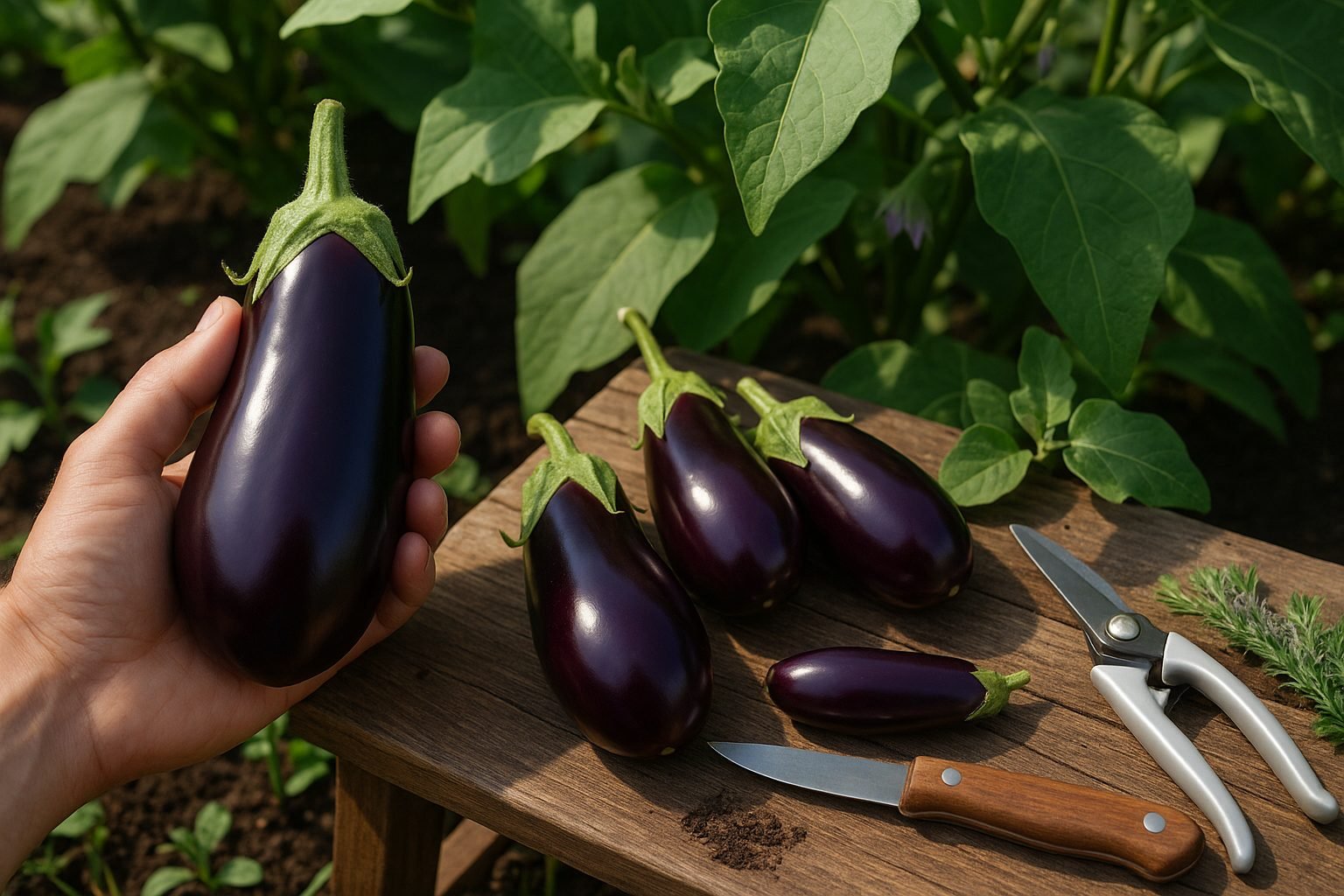
Using the right eggplant garden tools makes a noticeable difference in both the quality of your produce and the health of your plants. Timing is key—eggplants should be harvested when their skin is glossy and firm, but before the seeds inside harden. For most varieties, this means picking fruits that are 6-8 inches long.
Making precise, clean cuts is essential. Tugging or twisting can damage the stem and stress the plant, which may reduce future yields. For large, thick-stemmed varieties like Black Beauty, a sharp harvesting or serrated garden knife works best, allowing you to slice through tough stalks with ease. Smaller or thinner-stemmed eggplants—such as Japanese or fairy tale types—are better suited to garden shears or snips. These tools offer more control in tight spaces and help prevent bruising nearby fruit.
In smaller urban gardens or raised beds where access is limited, compact snips are especially handy for maneuvering between branches. Whatever tool you choose, always disinfect blades before and after harvesting with rubbing alcohol or a mild bleach solution to prevent the spread of plant diseases. After use, wipe down the blades and store your tools in a dry place to keep them sharp and rust-free.
For safety, work slowly and wear garden gloves to protect your hands from thorns or accidental slips. Thoughtful harvesting with clean, sharp tools not only keeps your eggplant crop looking supermarket-ready but also promotes ongoing plant health for future harvests.
Care and Maintenance of Your Eggplant Garden Tools
Taking care of your eggplant garden tools isn’t just about keeping them tidy—it’s essential for protecting your plants and improving your efficiency. After each use, wipe down tools like pruners, shears, and trowels with a damp cloth to remove soil and plant residue. For a deeper clean, soak metal blades in a mild bleach solution (one part bleach to nine parts water) for a few minutes to kill pathogens, then rinse and dry thoroughly to prevent rust.
Sharpen blades every couple of weeks with a handheld sharpener or whetstone to keep cuts clean, which helps prevent the spread of disease to your eggplants. In tight spaces, get creative by hanging tools on wall hooks or magnetic strips in a shed or along a fence. A simple bucket of sand mixed with a bit of mineral oil makes an excellent storage and cleaning station for small hand tools—just plunge the tools in after each use.
Don’t forget to regularly inspect handles for cracks and check blades or joints for rust or looseness. Replace any worn or damaged tools to ensure safety and efficiency in your garden. Staying on top of these routines means your tools will last for seasons to come, and your eggplants will stay healthier, too.
Conclusion
Investing in the right eggplant garden tools can truly transform your growing and harvesting experience. Quality pruners, trowels, and supports not only make planting and care more efficient but also help prevent damage to delicate plants and promote maximum yields. Reliable tools save time, reduce strain, and let you focus on enjoying the process—whether you’re an experienced grower or just getting started.
Take a moment to consider which tools best match your gardening style. Do you prefer ergonomic handles, lightweight designs, or multi-purpose gadgets? There’s something out there to enhance every routine. Don’t wait to upgrade—trying even one tool from our recommended list can make this season easier and more rewarding.
Your future eggplants (and your back!) will thank you for choosing quality, purpose-built tools for your garden.