Introduction to Cucumber Beetles and Their Impact
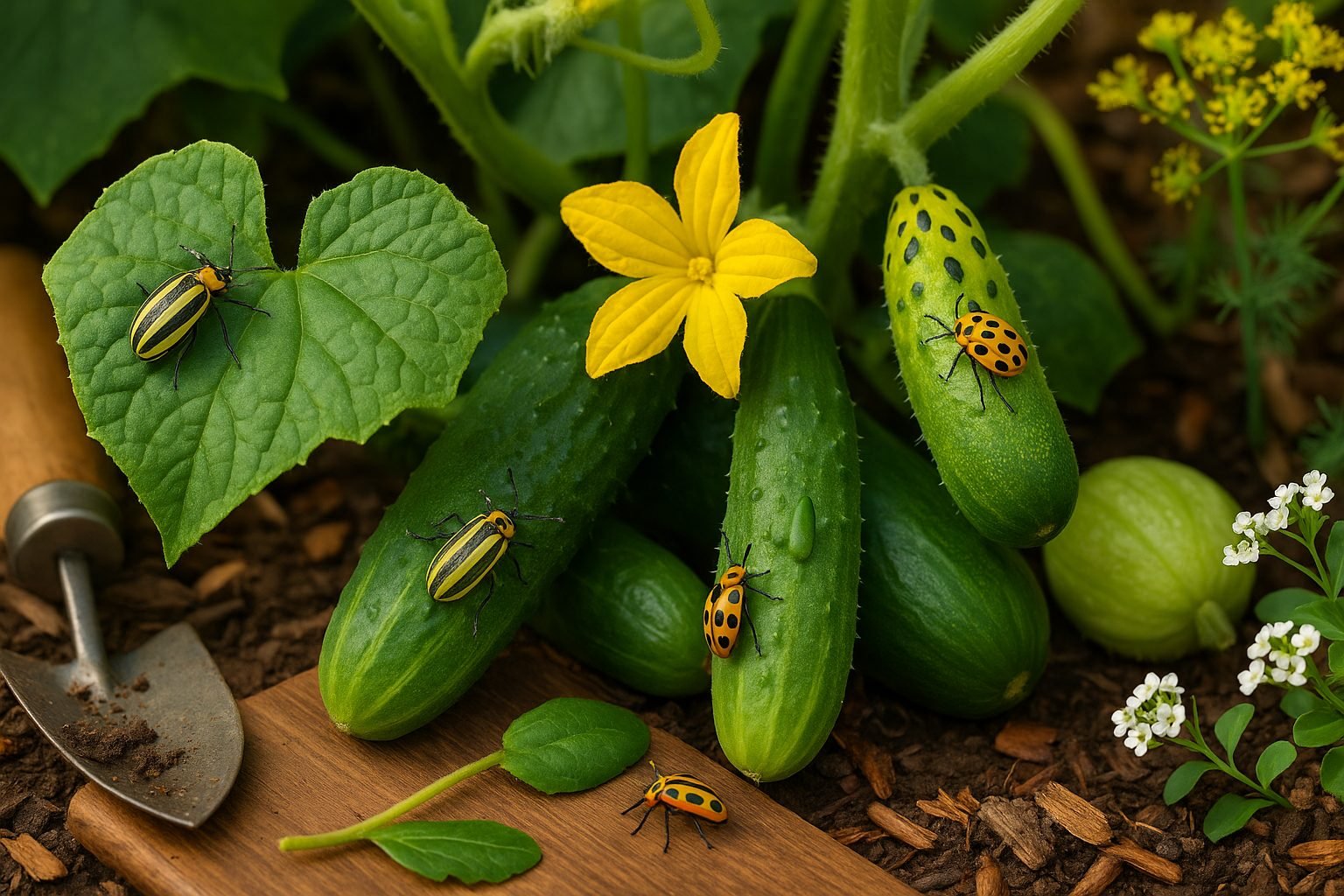
cucumber beetles are common garden pests that can quickly turn your thriving cucumber, melon, and squash plants into a gardener’s nightmare. These tiny beetles come in two primary varieties: the striped cucumber beetle, marked by three bold yellow stripes running down its back, and the spotted cucumber beetle, which sports twelve black dots on a greenish-yellow shell. Both species are easy to spot once you know what to look for—striped types tend to be more specific to cucurbits like cucumbers and melons, while the spotted version can also affect a broader range of vegetables.
Why is it so important to manage cucumber beetles if you’re growing cucurbits? First, their feeding habits cause direct damage. Adult beetles chew holes in leaves, flowers, and young fruit, stunting growth and reducing your overall harvest. Even more concerning, cucumber beetles lay their eggs at the base of host plants. Once hatched, the larvae chew on the roots, further weakening your plant’s ability to thrive.
But these beetles aren’t just destructive eaters—they are also efficient disease carriers. Cucumber beetles are notorious for transmitting bacterial wilt, a potentially devastating disease that causes leaves to suddenly wilt and collapse. Infected plants rarely recover, resulting in significant crop loss. Additionally, cucumber beetles can spread mosaic viruses that deform fruit and hinder healthy plant development.
Given these risks, early identification and removal of cucumber beetles are essential for maintaining healthy crops. Visual inspections, using floating row covers, and practicing crop rotation are just a few real-world tactics you can use to protect your cucurbit patch from these persistent pests. Spotting and addressing cucumber beetle activity early on can make the difference between robust vines and a disappointing harvest, ensuring your efforts in the garden truly pay off.
Biology and Life Cycle of Cucumber Beetles
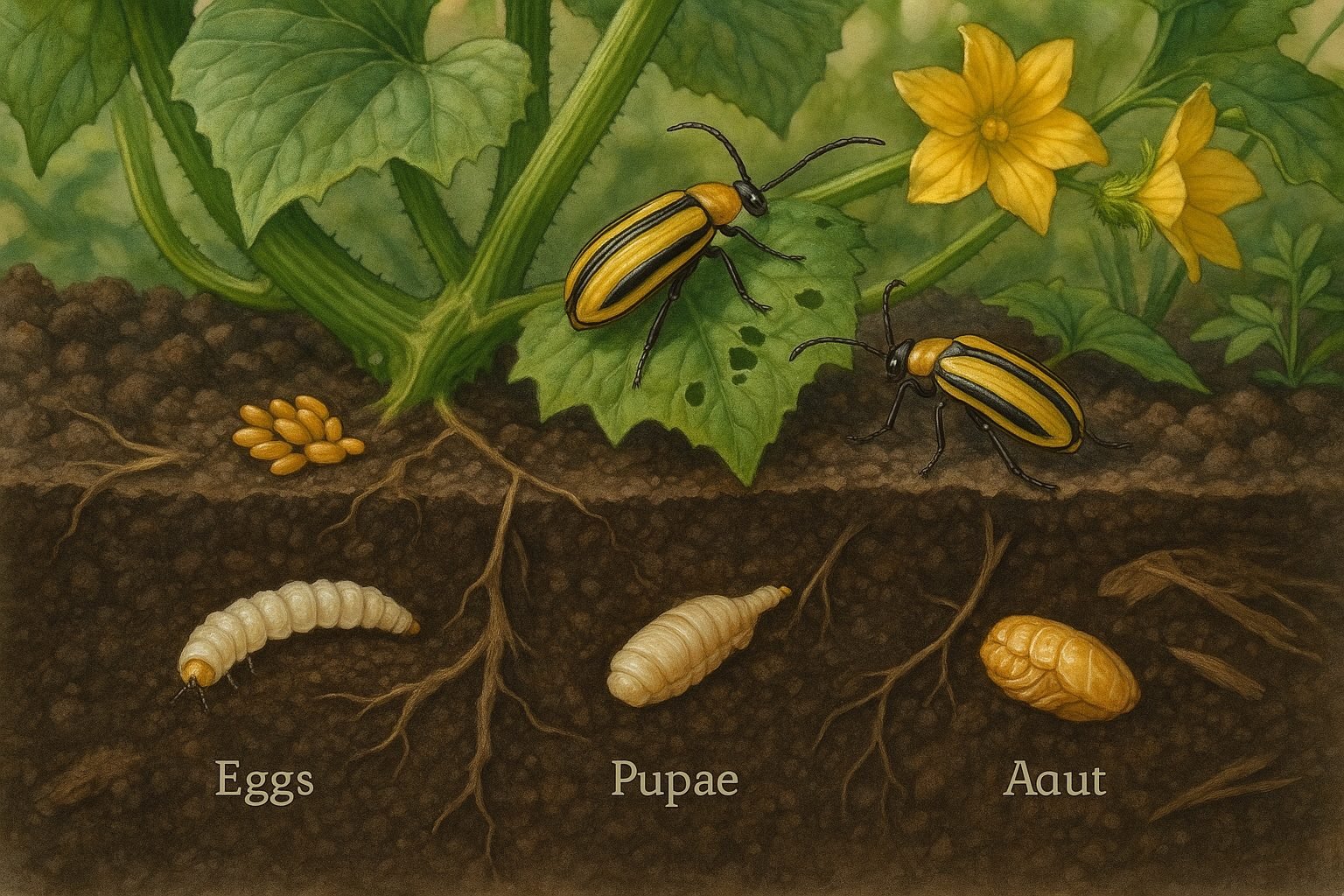
Cucumber beetles go through four distinct developmental stages: egg, larva, pupa, and adult. Each stage plays a role in how and when infestations occur. Females lay their yellow-orange eggs in clusters at the base of host plants, usually in late spring as the soil warms. Within a week, these eggs hatch into slender, white larvae that burrow into the soil to feed on plant roots—a phase that weakens young cucurbit crops like cucumbers, squash, and melons.
After two to three weeks, the larvae transform into pupae below the soil surface, emerging as adults about a week later. Adult beetles are the most visible and damaging stage: they feed on leaves, flowers, and sometimes fruit, often moving quickly from plant to plant.
Most infestations appear in early to mid-summer, but timing can vary based on region and temperature. In warmer southern or coastal areas, cucumber beetles may produce two or even three generations per season, leading to more prolonged and severe outbreaks. In cooler northern climates, a single generation is common, and adults typically overwinter in plant debris or nearby brush, reappearing as soon as spring temperatures rise.
For gardeners and farmers, monitoring adult beetle activity in late spring is key. Floating row covers can help keep emerging adults away, and removing plant debris in the fall can disrupt overwintering sites. By understanding this life cycle and its seasonal patterns, you can time control methods more effectively and minimize beetle damage.
Natural Enemies: Harnessing Beneficial Insects
Harnessing the power of natural enemies is one of the most effective organic strategies for managing cucumber beetles in your garden. Key beneficial insects include ladybugs, which feed on beetle eggs and larvae, and tachinid flies, whose larvae parasitize adult beetles by developing inside their bodies. Beneficial nematodes, microscopic roundworms introduced to soil, can target and kill cucumber beetle larvae before they mature.
To attract and support these allies, create a habitat rich in flowering plants like dill, fennel, and alyssum, which provide pollen and nectar for adult predators and parasitoids. Avoid using broad-spectrum pesticides that can harm both pests and beneficial insects. Installing mulch or ground cover can help nematodes thrive by keeping soil moist and cool.
The main advantage of using biological control is reducing reliance on chemicals, helping preserve pollinators and overall garden health. However, results may not be immediate, and populations of beneficial insects can fluctuate with weather and habitat conditions. While natural enemies can significantly reduce cucumber beetle pressure, it’s wise to integrate them with other strategies—like crop rotation and row covers—for comprehensive, long-term control.
Organic Cultural Controls
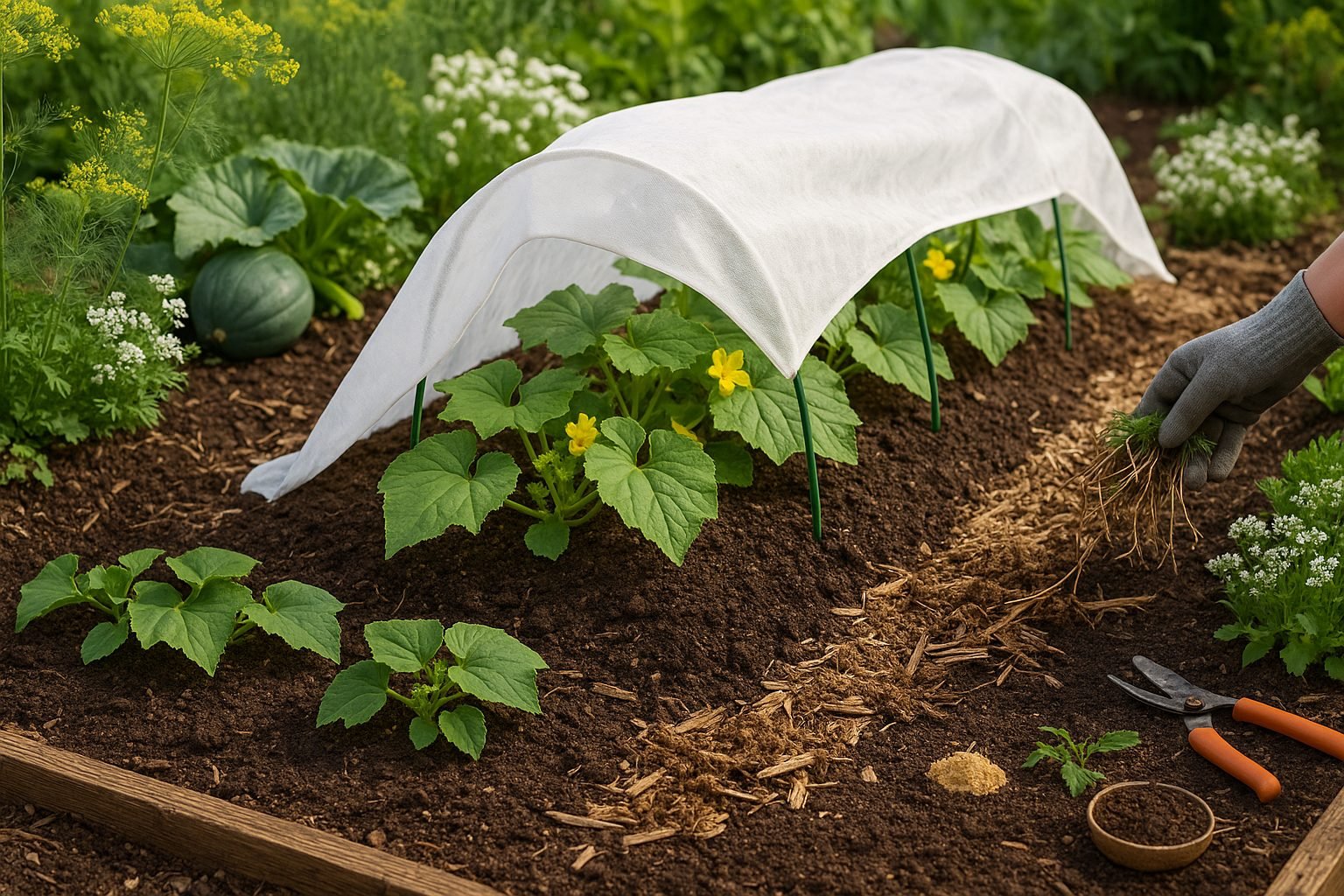
When it comes to managing beetle pests organically, cultural controls are a smart first line of defense. Start with crop rotation—by switching the location of susceptible crops like cucumbers and squash each year, you can interrupt beetle life cycles since many species lay eggs in the soil near last season’s host plants.
Row covers are another effective tool: lightweight fabric barriers placed over young plants act as a shield, physically blocking beetles from feeding and laying eggs until the plants are robust enough to withstand minor attacks.
Trap cropping adds another layer of protection; for example, plant Blue Hubbard squash at the edge of a field to lure cucumber beetles away from your main crops, then promptly remove the infested trap plants.
Timing your planting also helps—sowing seeds after the peak period of beetle activity can lead to lower pest pressure, so keep an eye on local extension bulletins for guidance.
Good garden hygiene further weakens beetle populations. At the end of the season, promptly remove and destroy crop debris—beetles often overwinter in these remnants and will re-emerge stronger the following spring if left undisturbed.
Applying organic mulches, such as straw or compost, can also deter beetles by making it harder for them to reach plants and by encouraging beneficial insects like ground beetles, which prey on pests.
Finally, choosing resistant or less-preferred plant varieties can make your garden less appealing to beetles—check seed catalogs for options bred specifically to withstand pests.
Mixing up your plantings, rather than growing large blocks of a single crop, confuses pests and encourages natural predators, creating a more balanced ecosystem with fewer pest outbreaks.
By combining these organic cultural practices, you can dramatically reduce beetle pressure while boosting your garden’s overall resilience.
Organic-Approved Chemical Control Options
Organic growers have several effective, certified insecticide options, each with specific strengths and usage guidelines.
Neem oil, extracted from the neem tree, works as both a repellent and growth disruptor for pests like aphids and whiteflies. It’s best applied early in the morning or late in the evening to minimize sun damage to plants and avoid peak pollinator activity.
Pyrethrin, derived from chrysanthemum flowers, is a fast-acting contact insecticide that targets a broad range of soft-bodied insects but breaks down quickly in sunlight. Because it’s highly toxic to bees, apply pyrethrin only when necessary and never while flowers are in bloom.
Spinosad, a fermentation product from soil bacteria, is popular among organic growers for its ability to control thrips, caterpillars, and leafminers while generally sparing many beneficial insects. To maximize effectiveness and safety, use spinosad during late afternoon or evening; this timing helps minimize exposure to pollinators, especially bees.
Kaolin clay, a fine mineral powder, acts as a physical barrier when sprayed onto plant surfaces, deterring insects from feeding and laying eggs. Reapply after heavy rain and ensure thorough leaf coverage for the best protection.
Regardless of the product, precision in spraying is crucial:
- Target only affected plants or pest hotspots.
- Avoid drift onto flowers or non-target foliage.
Always follow label directions for dilution and frequency, as overuse can harm beneficial insects and lead to pest resistance. Integrating chemical controls with cultural practices—like crop rotation, physical barriers, and encouraging natural predators—reduces reliance on sprays and promotes long-term balance in your garden.
By using organic-approved insecticides thoughtfully and sparingly, you protect both your crops and the ecosystem that supports them.
Other Innovative Organic Solutions
Beyond the usual organic methods like hand-picking and crop rotation, there are several lesser-known yet highly effective solutions for controlling cucumber beetles. Pheromone trapping, for example, uses species-specific attractants to lure beetles into traps—this can significantly reduce adult populations, especially in smaller gardens or for targeted outbreaks.
Another innovative approach involves kaolin clay barriers. Gardeners spray a fine film of kaolin clay over cucumber plants, making the foliage unattractive for beetle feeding and egg-laying. This barrier is non-toxic, safe for pollinators, and easy to reapply after rain.
For those who like DIY remedies, a diluted solution of neem oil or garlic spray can deter beetles without harming beneficial insects, though consistent reapplication is key. On a larger scale or in regions with chronic infestations, introducing beneficial nematodes into the soil may help target beetle larvae before they emerge.
Researchers are also exploring the use of selective plant breeding to develop naturally resistant cucumber varieties and experimenting with fungal biopesticides that attack beetle larvae in the soil.
Always consider your garden’s size and local climate before choosing a method—while kaolin clay works well in humid conditions, pheromone traps might be more effective in small, home-scale plots. As new research continues to unfold, staying flexible and combining multiple strategies often delivers the best results for organic cucumber beetle control.
Conclusion and Integrated Pest Management Tips
Integrated pest management (IPM) offers a smarter, more sustainable approach to pest control by combining several strategies instead of relying on just one. Using cultural controls—like crop rotation, clean cultivation, or proper timing—makes your garden or farm less inviting to pests from the start. Biological controls, such as encouraging beneficial insects or using safe microbial products, help keep pest populations in check naturally.
When needed, organic chemical controls like neem oil or insecticidal soaps can target outbreaks without harming the environment or beneficial species. Each method has its strengths, but together they form a powerful, long-term defense that protects your plants and reduces the risk of pests developing resistance.
Remember, the best IPM plan is tailored to your unique situation. For more detailed guidance—like which controls work best for particular crops or regions—reach out to your local extension office or consult trusted online resources such as university agriculture departments or the Cooperative Extension System. By mixing and matching strategies and seeking expert advice, you can control pests effectively while supporting a healthy and resilient growing environment.