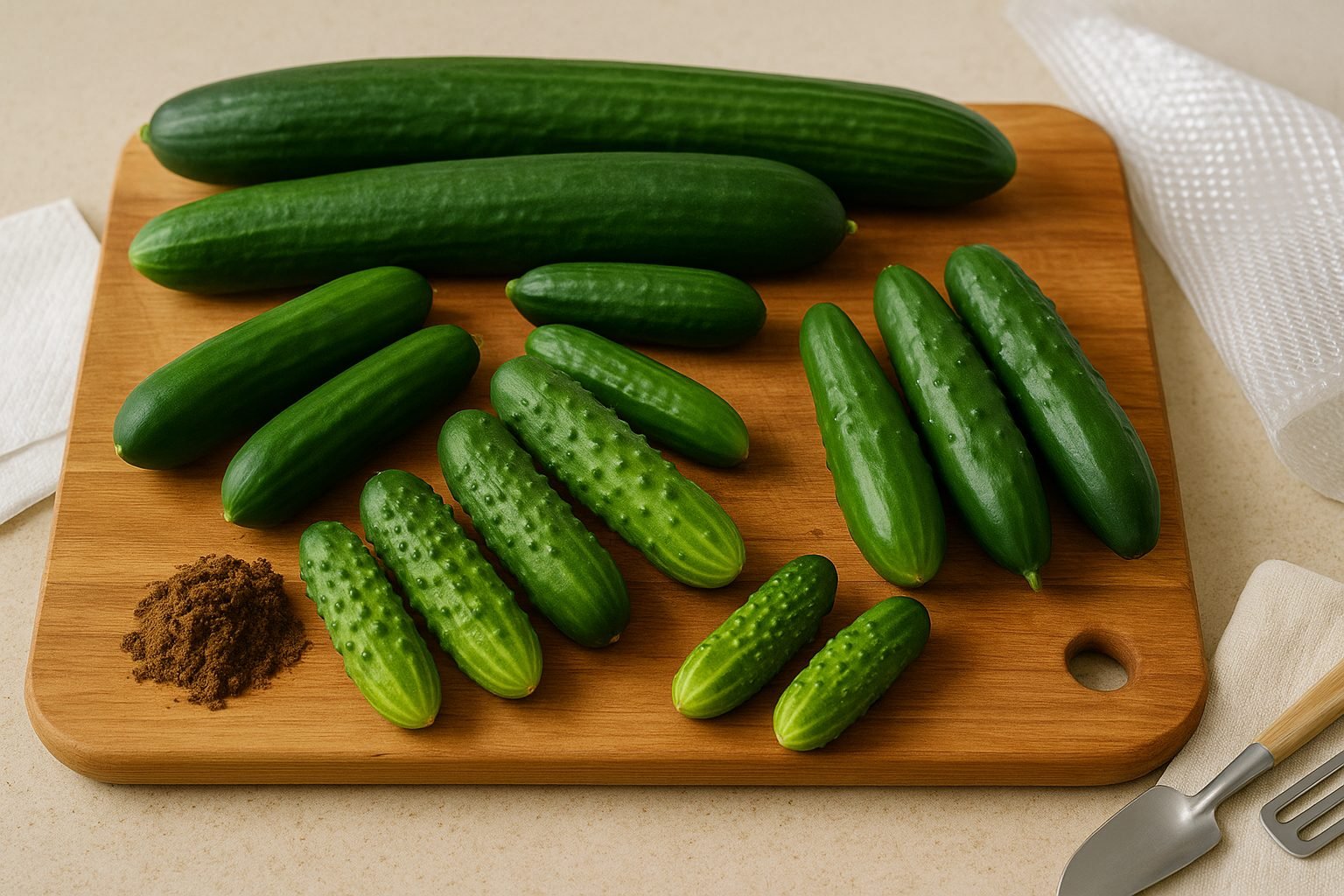
How to Choose and Prep Cucumbers for Storage
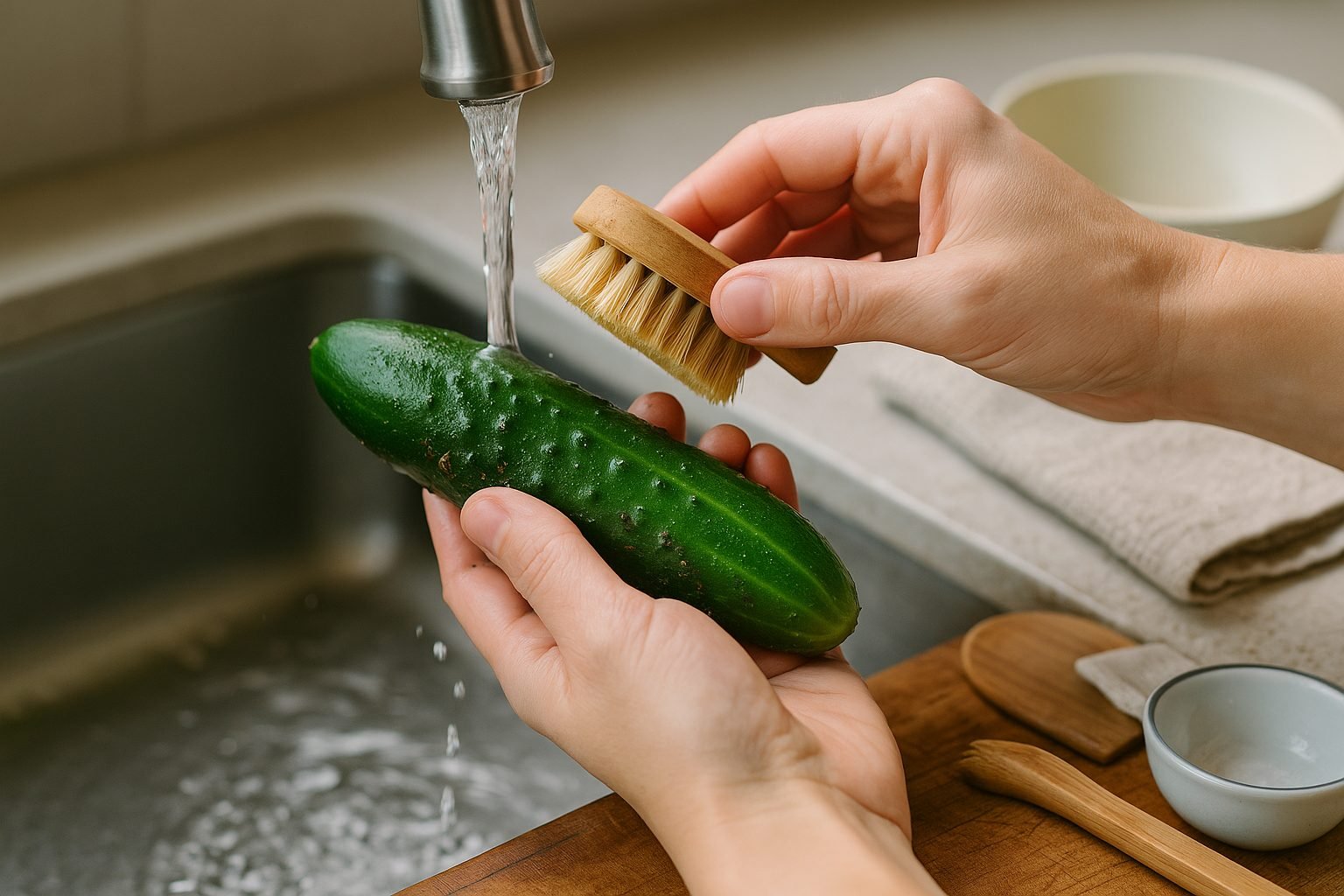
If you’ve ever wondered how to store fresh cucumbers so they stay crisp and last longer, it all starts with choosing the right ones at the market. Look for cucumbers that feel firm to the touch—soft spots are usually a sign of over-ripeness or spoilage. Pick cucumbers with a rich, consistent green color, without any yellow patches, cuts, or blemishes.
The perfect cucumber should feel heavy for its size, generally around 6–8 inches for slicing varieties. Smaller or very large cucumbers can sometimes be bitter or have watery flesh.
Once you get your cucumbers home, resist the urge to wash them right away. While scrubbing off grocery store grime is tempting, adding moisture too early can actually speed up spoilage. Instead, just brush off any visible dirt and rinse cucumbers only right before eating or using them.
If you need to prep them for storage—say, you bought them in bulk and want to save time later—gently clean them under cool running water, then thoroughly dry with a clean towel. Moisture is the main culprit behind mushy skins and mold.
For extra moisture control, loosely wrap whole, unpeeled cucumbers in a paper towel before placing them in a perforated plastic bag, then store in your refrigerator’s crisper drawer. This method gives fresh cucumbers the best chance of staying crunchy and flavorful for up to a week.
Remember, keeping the skin intact and waiting to wash them until right before use can make a surprisingly big difference in freshness—helping you enjoy salads and snacks without disappointment.
Best Ways to Store Whole Cucumbers
When it comes to keeping whole cucumbers fresh and crisp, where and how you store them makes a big difference. Storing cucumbers in the fridge is generally best, as they last longer when kept cool—ideally at temperatures between 50–55°F. However, because most home refrigerators are colder than that, cucumbers can become waterlogged or develop soft spots if left uncovered.
To avoid this, place whole cucumbers in the produce drawer, where humidity is higher and temperatures are slightly warmer than the rest of the fridge. Wrap each cucumber loosely in a paper towel to absorb excess moisture, then place them inside a partially open plastic or reusable produce bag. This prevents condensation and keeps them from drying out.
On the other hand, leaving cucumbers on the countertop at room temperature is only a good option if you plan to use them within a couple of days—otherwise, they’ll quickly go limp and lose their crunch. Factors like ethylene exposure from fruits such as apples or bananas can also speed up ripening and spoilage, so store cucumbers away from these items.
To maximize shelf life and maintain that signature crispness, always inspect cucumbers for blemishes before storing (damaged skin can encourage mold), and avoid washing them until just before use; excess moisture promotes decay. By following these simple storage tips, you can keep whole cucumbers fresh for up to a week—or even longer—without sacrificing taste and texture.
How to Store Cut or Sliced Cucumbers
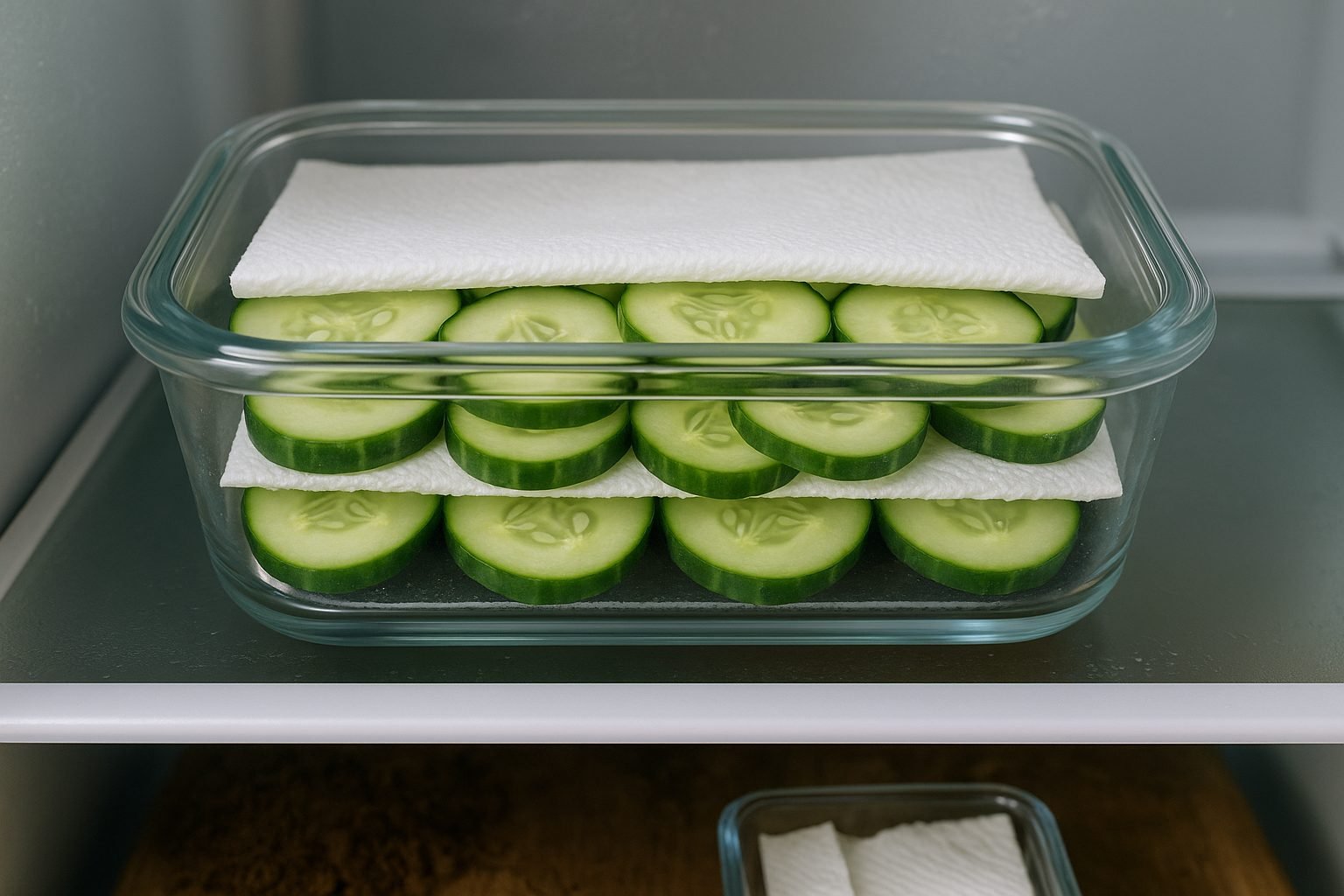
Cut or sliced cucumbers spoil faster than whole ones because their protective skin is broken, exposing the juicy interior to air and bacteria. To keep them fresh longer, store your cut cucumbers in an airtight container to prevent moisture loss and slow spoilage.
For extra care, line the bottom of the container with a paper towel, then add a single layer of cucumber slices. Cover them with another paper towel to absorb excess moisture and keep the slices crisp.
When prepping cucumbers for snacks or meal prep, make sure they are dry before storing. Avoid seasoning or adding dressings until you’re ready to eat, since extra moisture speeds up softening.
Once packed, refrigerate them promptly, ideally keeping the temperature below 40°F (4°C). Properly stored, sliced cucumbers typically last 3 to 4 days before they start to get limp, slimy, or develop a sour odor—clear signs it’s time to toss them.
To get the most out of your veggies, prep only what you’ll eat in the next few days, and always check for freshness each time you reach in for a snack.
Storing Different Types of Cucumbers
Cucumbers come in several varieties—English (also called hothouse), Persian, pickling, and the standard slicing or regular cucumber—each with its own storage preferences.
English Cucumbers
English cucumbers are long, thin-skinned, and often come shrink-wrapped. Keep these in the refrigerator, either in their wrap or in a loosely closed plastic bag to prevent moisture loss. They’ll stay fresh for up to ten days.
Persian Cucumbers
Persian cucumbers are shorter, crisp, and thin-skinned. They should also be refrigerated but without airtight wrapping, as trapping moisture can speed up spoilage. Wrap them in a paper towel and place them in a produce drawer for best results, and use within one week.
Pickling Cucumbers
Pickling cucumbers are shorter and bumpier, firmer, and less prone to mushiness. They store well in the fridge for about a week but are best used quickly for pickling when very fresh.
Regular Waxed Cucumbers
Regular waxed cucumbers, often found in grocery stores, have a thicker skin and wax coating to extend shelf life. Store these whole and uncut in the fridge for one to two weeks, but always wash off the wax before slicing.
General Tips for Thin-Skinned Varieties
For any thin-skinned variety, avoid sealing them in airtight plastic, as trapped moisture encourages rot. Instead, use perforated bags or wrap loosely in reusable cloth to balance hydration and airflow.
Can You Freeze Cucumbers? Pros and Cons
You can freeze cucumbers, but it’s important to manage your expectations about the results. While fresh cucumbers are crisp and refreshing, freezing tends to make them limp and watery because of their high water content. This means frozen cucumbers aren’t ideal for tossing into salads or using as a crunchy snack.
However, they work well in cooked dishes or blended recipes like smoothies, chilled soups, or as an addition to cold, blended drinks.
How to Freeze Cucumbers
To freeze cucumbers:
- Wash them well.
- Slice or cut into spears.
- Consider blanching for a minute before cooling and patting dry—this can help preserve color and flavor but isn’t required.
- Spread the pieces on a baking sheet for a couple of hours to “flash freeze.”
- Transfer them to an airtight freezer bag to prevent clumping.
You can also puree cucumbers and freeze the puree in ice cube molds for easy smoothie additions.
Using Frozen Cucumbers
When you’re ready to use them, there’s no need to thaw unless your recipe requires it. Simply add the frozen cucumber pieces directly to soups, sauces, or drinks.
Freezing cucumber is a smart way to prevent food waste when you have a surplus and want to save them for future use in recipes where texture isn’t a priority.
How to Tell If a Cucumber Has Gone Bad
Spotting a bad cucumber is mostly about paying close attention to its look, feel, and smell. First, check for soft spots or mushy areas—these usually mean the cucumber is starting to rot. Wrinkled or shriveled skin is another sign it’s past its prime, though minor wrinkles might just mean it’s a bit dehydrated and still usable for cooking.
Discoloration, such as yellow or translucent patches, often signals spoilage, especially when paired with an off smell. A fresh cucumber should have a neutral, slightly grassy aroma; any sour, musty, or unpleasant odor means it’s definitely time to toss it.
Before discarding a whole cucumber, examine it closely: if only one end or a small portion is affected, you can cut away the bad area (at least one inch around the spoilage, as bacteria can spread invisibly) and use the rest—especially if you’ll be cooking it, like in stir-fries or soups. Always wash your hands and knife thoroughly afterward to prevent cross-contamination.
To make cucumbers last longer, store them in the crisper drawer of your fridge, wrapped loosely in a paper towel inside a plastic bag.
However, if the cucumber feels slimy, smells bad throughout, or has extensive mold or mushiness, it’s safest to throw it away—eating spoiled produce can lead to foodborne illnesses. When in doubt, trust your senses and err on the side of caution to keep your meals safe and fresh.