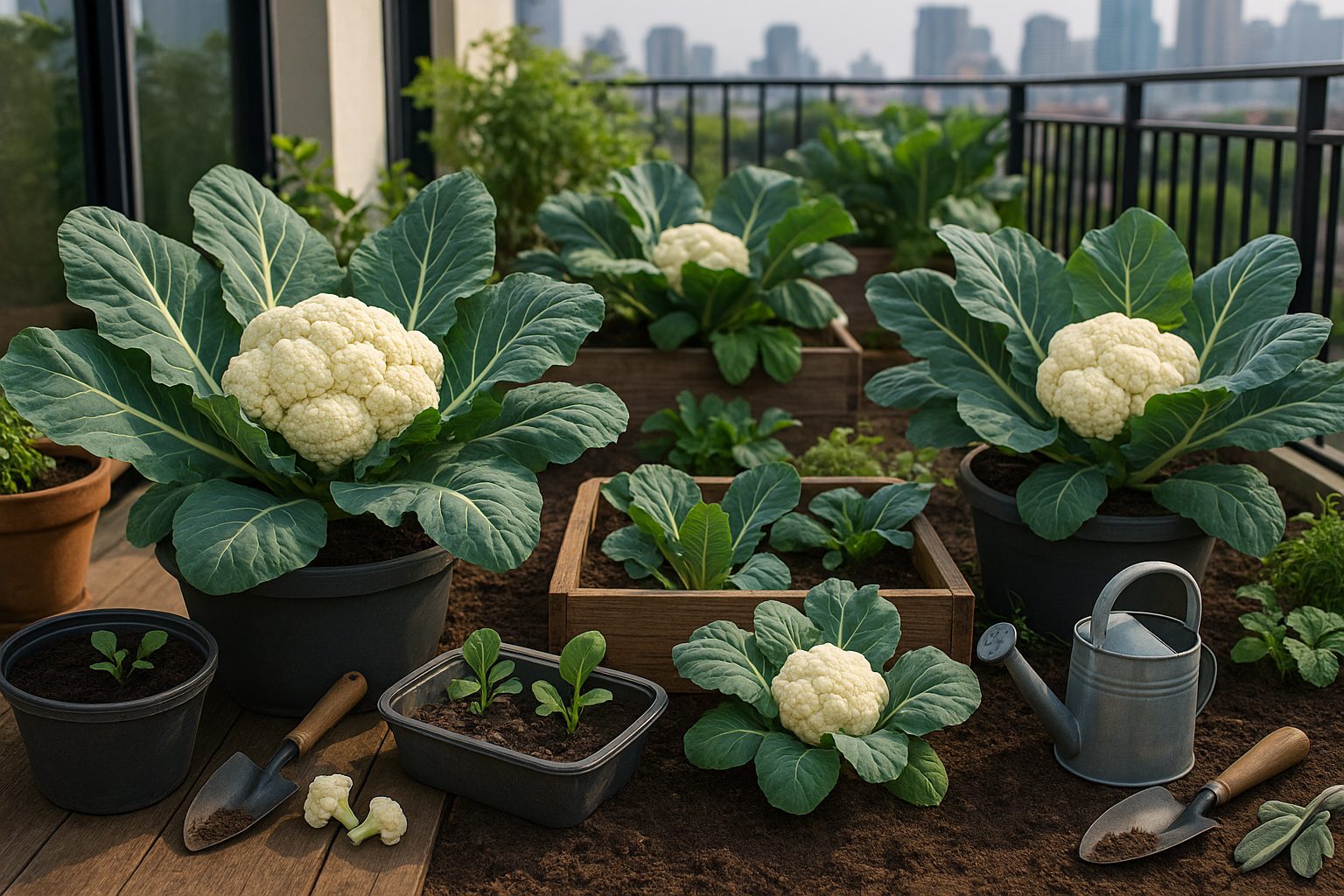
Introduction: Why Urban Gardening and Cauliflower?
Urban cauliflower gardening is quickly gaining popularity as more city dwellers embrace the joys and rewards of growing their own food in limited spaces. With urban areas becoming denser, traditional gardening may seem out of reach, but innovative solutions—like container gardening, vertical planters, and rooftop beds—are empowering people to transform balconies, patios, and even windowsills into productive green spaces. Urban gardening provides city residents with fresher, healthier produce, reduces grocery bills, and offers a therapeutic escape from the hustle and bustle of city life.
Cauliflower stands out among urban crops. Not only is it packed with vitamins, fiber, and antioxidants, but it’s also surprisingly well-suited to small gardens. Compact varieties thrive in containers or raised beds, bringing nutritious, homegrown goodness right to your doorstep—even if you’re short on space.
In this article, we’ll guide you step-by-step through choosing the right variety, setting up your growing area, and caring for your plants from seedling to harvest. You’ll learn practical tips to make the most of every inch, discover how to overcome common urban gardening challenges, and see just how satisfying (and tasty) urban cauliflower gardening can be—even if all you have is a sunny windowsill.
Choosing the Right Cauliflower Variety for Urban Spaces
When diving into urban cauliflower gardening, selecting the right variety is crucial for success in confined spaces. First, look for cauliflower types with shorter maturity times; many traditional varieties take over 80 days to harvest, but urban environments benefit from those maturing in 55–70 days, allowing you to maximize yields through quicker growing cycles.
Plant size is another key factor—standard cauliflowers can spread up to two feet, which isn’t ideal for balconies or patios. Opt for compact or mini varieties such as ‘Mini White’, ‘Adona’, or ‘Snow Crown’, all bred specifically to thrive in smaller containers and tighter quarters while producing dense, flavorful heads.
For urban areas that tend to retain heat or have warmer microclimates, seek out heat-tolerant cultivars like ‘Fioretto’ or ‘Amazing’, which withstand temperature fluctuations without bolting (going to seed prematurely).
When sourcing seeds or seedlings, try local garden centers first; they often stock varieties best suited for your climate zone and urban conditions. Farmers’ markets are another excellent source, where you might also pick up tips from fellow urban growers.
If local options are limited, reputable online retailers such as Johnny’s Selected Seeds, Baker Creek Heirloom Seeds, or Territorial Seed Company offer a wide selection—just be sure to check seed descriptions for features important to urban gardeners, like size and resilience.
With these thoughtful choices, you’ll set yourself up for success, even if you’re gardening on a small city stoop or high-rise balcony.
Setting Up Your Space: Containers, Light, and Soil
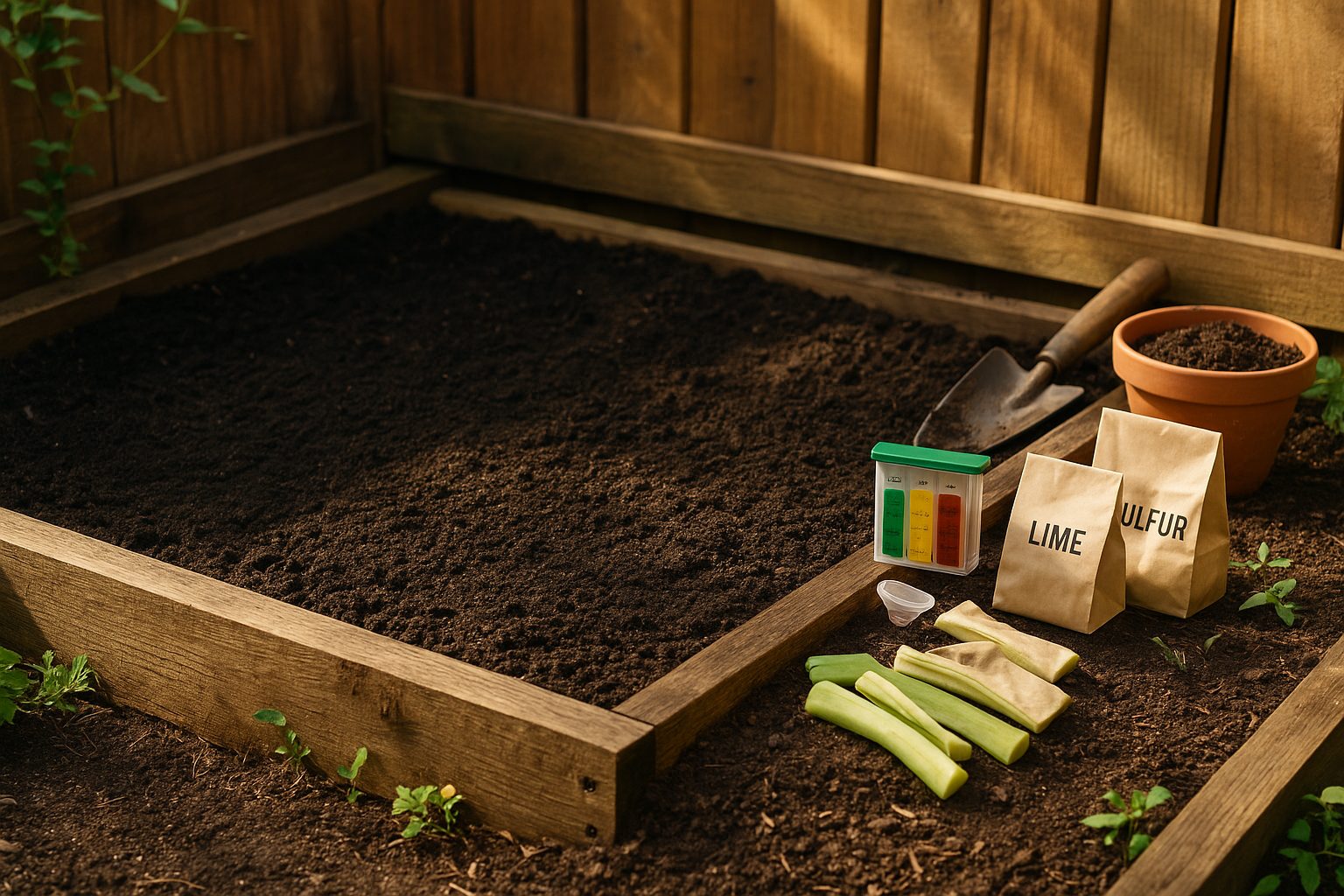
When it comes to urban cauliflower gardening, choosing the right container is the first crucial step. Cauliflower plants need plenty of room for their roots, so opt for deep pots or containers that are at least 12–16 inches wide and equally deep. Large plastic or ceramic pots work well, as do fabric grow bags, which provide extra airflow and are easy to move. If you have more space, raised beds are ideal—they offer deep, loose soil and let you grow multiple heads at once. For tight balconies or patios, vertical planters can be surprisingly effective; just make sure each section is spacious enough for one plant and holds at least a foot of soil. Whichever container you choose, ensure it has drainage holes to prevent water from pooling around roots, which can cause rot.
Sunlight is a major factor in urban gardening success. Cauliflower thrives with at least six hours of direct sunlight daily, so place containers in the sunniest spot available—typically south or southwest-facing balconies, rooftops, or window ledges. If buildings block sunlight or natural light is limited, try using reflective surfaces like mirrors or white walls to bounce light onto your plants, or consider compact grow lights if you need to grow indoors. Also, rotate containers regularly so all sides of the plants receive equal sun exposure, promoting even growth.
Finally, focus on high-quality soil. Cauliflower is a heavy feeder and performs best in rich, well-draining soil. Start with a premium potting mix designed for vegetables that retains moisture but drains well. To boost nutrients, mix in a few handfuls of compost or well-rotted manure and add a slow-release organic fertilizer at planting time. Incorporate some perlite or coarse sand to improve drainage, especially in deep containers, since cauliflower roots dislike soggy conditions. A little planning here goes a long way toward healthy, productive plants—even when space is limited.
How to Plant and Care for Cauliflower in Small Spaces
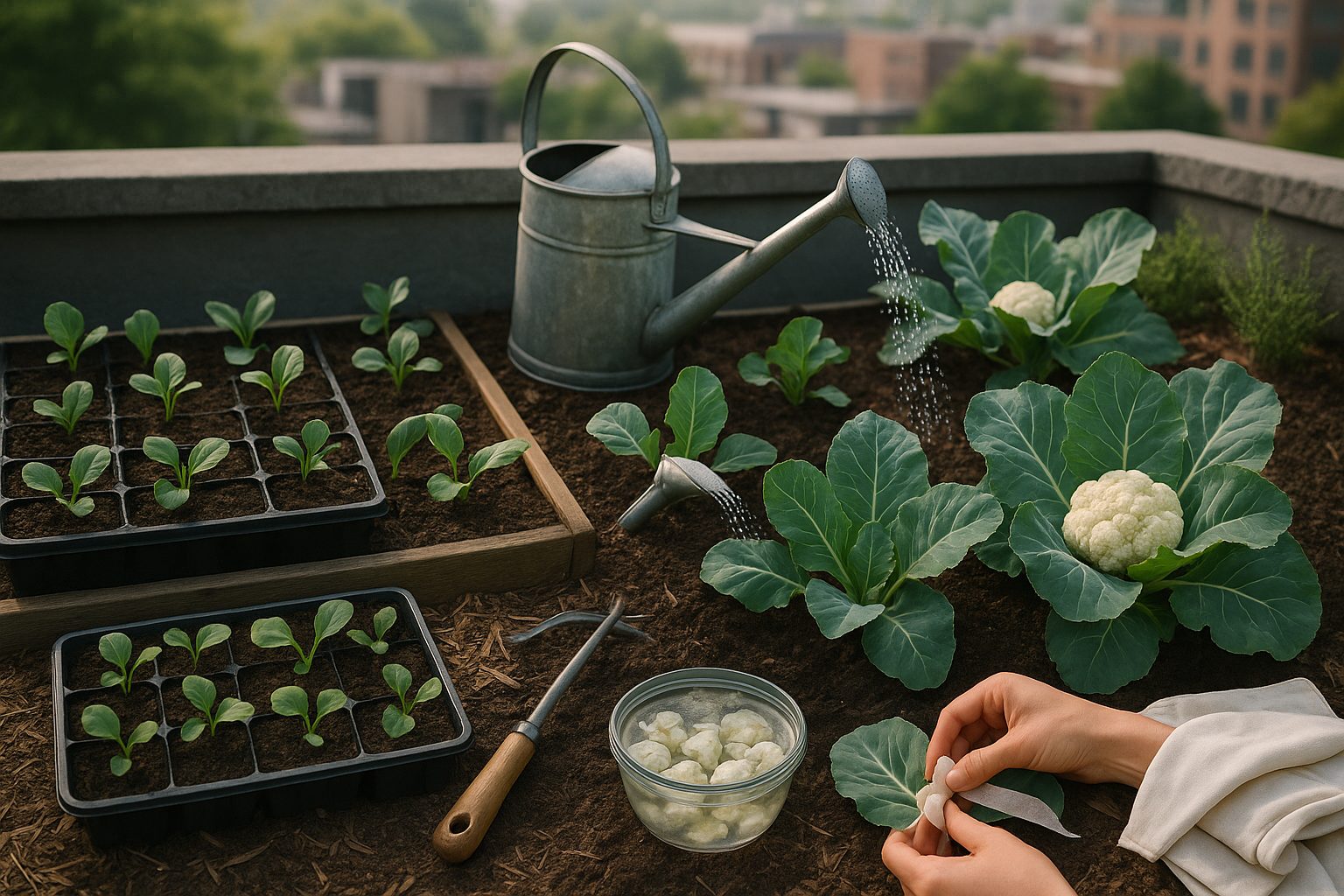
Starting your urban cauliflower gardening journey begins with choosing the right variety—look for compact or mini types bred specifically for containers or tight spaces. For seeds, start indoors 6-8 weeks before your last expected frost. Use shallow seed trays filled with a high-quality seed-starting mix, sow seeds just ¼ inch deep, and mist lightly to keep the soil moist. Once seedlings develop two sets of true leaves, gradually harden them off by placing them outside for a few hours a day, increasing exposure over a week. If using store-bought transplants, select robust, healthy plants without yellowing leaves.
Whether starting from seed or transplants, choose a container at least 12 inches deep and wide, with good drainage. Fill it with a rich, well-draining potting mix amended with some compost.
When planting, space cauliflower transplants 10-15 inches apart or limit to one per large container. Water thoroughly after planting and keep soil consistently moist but never waterlogged—regular, even moisture is key to preventing stress that can cause heads to “button” or fail to form. Early morning or late afternoon is the best time to water. Applying a layer of straw or leaf mulch helps retain moisture, regulate temperature, and suppress weeds.
Good airflow is vital in tight urban spaces to prevent pests and mildew. Avoid crowding, use containers with slatted sides, and place pots where gentle breezes reach them—or near a small fan if growing indoors.
To maximize your growing area, try companion planting or intercropping. Tuck fast-growing leafy greens like spinach or arugula around your cauliflower—these can be harvested before the cauliflower needs more space, giving you multiple harvests in the same pot. Alternatively, plant aromatic herbs like dill or cilantro nearby to help deter pests and add fresh flavor to your meals. With these strategies, even the smallest balcony or patio can yield crisp, home-grown cauliflower.
Common Challenges for Urban Cauliflower Growers
Urban cauliflower gardening comes with its own set of challenges, especially when working within the tight confines of city spaces. One of the most persistent issues is managing pests like aphids and caterpillars, which thrive in compact, sheltered environments. Aphids—tiny sap-sucking insects—often cluster on the undersides of cauliflower leaves, stunting growth and spreading diseases. Similarly, caterpillars such as cabbage loopers can chew through leaves almost overnight, sometimes ruining a crop before you even realize it.
Restricted airflow in tight urban gardens can make these pest problems worse by creating humid microclimates that favor pests and fungal diseases. Temperature fluctuations—common on rooftops or balconies exposed to rapid shifts between sunlight and shade—can stress cauliflower plants, making them more vulnerable to infestations and stunted heads.
To tackle these issues organically, consider using fine mesh netting to protect your plants from flying insects without sacrificing space. Neem oil, derived from the neem tree, is an effective natural pesticide—simply dilute and spray on affected areas, being careful to target pests while preserving beneficial insects. Growing cauliflowers in movable containers is another space-smart strategy: if you notice problems, you can relocate plants to improve airflow or shield them from harsh sun.
Most importantly, make regular inspections part of your routine. In small urban plots, pests or environmental changes can escalate quickly, so a quick daily check can save your entire harvest before problems get out of hand.
Harvesting and Making the Most of Your Urban Cauliflower
The timing of your urban cauliflower harvest can make all the difference in taste and texture. Typically, cauliflower heads are ready to pick when they’re compact, white, and about 6-8 inches in diameter. Don’t wait too long—if the heads start to loosen or develop a yellow tint, harvest them immediately for the best flavor. Use a sharp knife to cut the head from the stem, leaving a few outer leaves to protect it during storage.
After harvesting, gently clean off any dirt and store the cauliflower in your refrigerator’s crisper drawer. Wrap it in a damp paper towel and place it inside a perforated bag to keep it fresh for up to a week.
Don’t throw away the leaves and stems! The leaves are edible and taste great sautéed with garlic or added to soups, offering a mild, earthy flavor. Chop the stems finely to add to stir-fries or vegetable stocks. For a rewarding urban garden-to-table meal, try roasting cauliflower florets with olive oil and spices, or whip up a quick cauliflower rice bowl using your homegrown produce.
Urban cauliflower gardening doesn’t just yield beautiful heads—it provides delicious, versatile ingredients that are easy to enjoy right from your own small-space oasis.
Inspirational Success Stories and Next Steps
Many urban cauliflower gardening enthusiasts have transformed tiny balconies and rooftops into thriving harvest zones. Take Priya from Mumbai, for example, who successfully grew cauliflower heads on her apartment patio using old buckets, careful soil management, and vertical supports. Similarly, Alex in Chicago used recycled crates and grow lights to nurture robust cauliflowers indoors, proving that limited sunlight isn’t a deal breaker. Their stories highlight a key takeaway: creativity and perseverance matter far more than space.
Once you’ve mastered cauliflower, consider expanding your urban edible patch with crops like lettuce, radishes, or compact tomato varieties—plants that provide fast, rewarding yields in small planters. For an extra challenge, try growing carrots vertically or experiment with herbs that pair well with cauliflower, like dill or parsley. Urban gardening is more than just growing food; it’s about cultivating resilience and a richer connection to your environment.
Ready to dig deeper? Explore online forums, local gardening clubs, or YouTube tutorials for step-by-step guides and troubleshooting advice. Don’t let space hold you back from discovering the joy and flavor of homegrown produce—your urban oasis is just a seed away!