What Is Companion Planting?
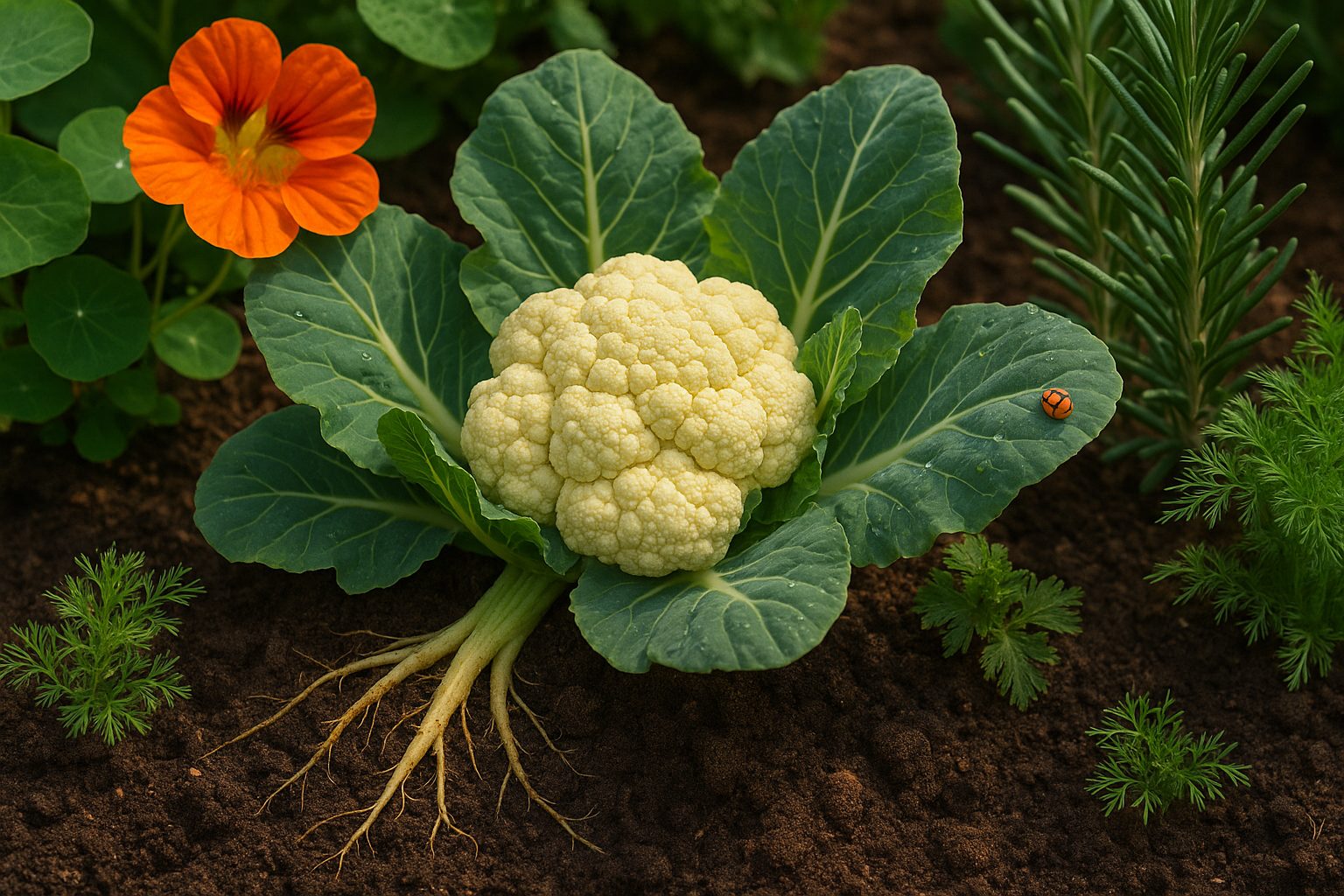
If you’re growing cauliflower this season, understanding the world of cauliflower companion plants could be the secret to a thriving, abundant harvest. Companion planting is the practice of strategically placing different plants together so they can benefit one another—whether it’s through natural pest control, maximizing space, or aiding in nutrient exchange. This age-old gardening tradition helps create a supportive mini-ecosystem right in your backyard. For home gardeners, especially those tight on space, it’s an invaluable method that encourages healthy, resilient crops without relying heavily on chemical inputs.
So, what does this mean for vegetables like cauliflower? Cauliflower is a member of the brassica family and, while delicious, it can be a magnet for pests like cabbage worms and aphids. Here’s where cauliflower companion plants come into play: planting the right neighbors, such as aromatic herbs and certain flowers, can naturally repel these pests, reducing the need for pesticides. Additionally, some companions, like legumes, are known to improve soil nitrogen, benefiting hungry crops like cauliflower that require nutrient-rich soil to thrive. Others act as “trap crops,” drawing pests away from your cauliflower to sacrificial plants.
Companion planting also improves overall plant health by creating beneficial partnerships underground; for example, root systems can help break up soil, improving water and nutrient uptake. In a small space, utilizing cauliflower companion plants means you’ll get more from every square foot, boost resilience against disease, and—best of all—enjoy a bountiful, chemical-free harvest.
Why Companion Planting Matters for Cauliflower
Cauliflower is a cool-weather crop with a hunger for nutrients and a reputation for being a bit finicky in the garden. It needs rich, well-drained soil packed with organic matter and steady moisture to prevent heads from turning bitter or developing poorly. However, cauliflower also attracts a variety of pests—cabbage worms, aphids, and flea beetles are common culprits that can devastate young plants.
Meeting these challenges can feel daunting, but companion planting offers a natural, effective way to give your cauliflower a leg up.
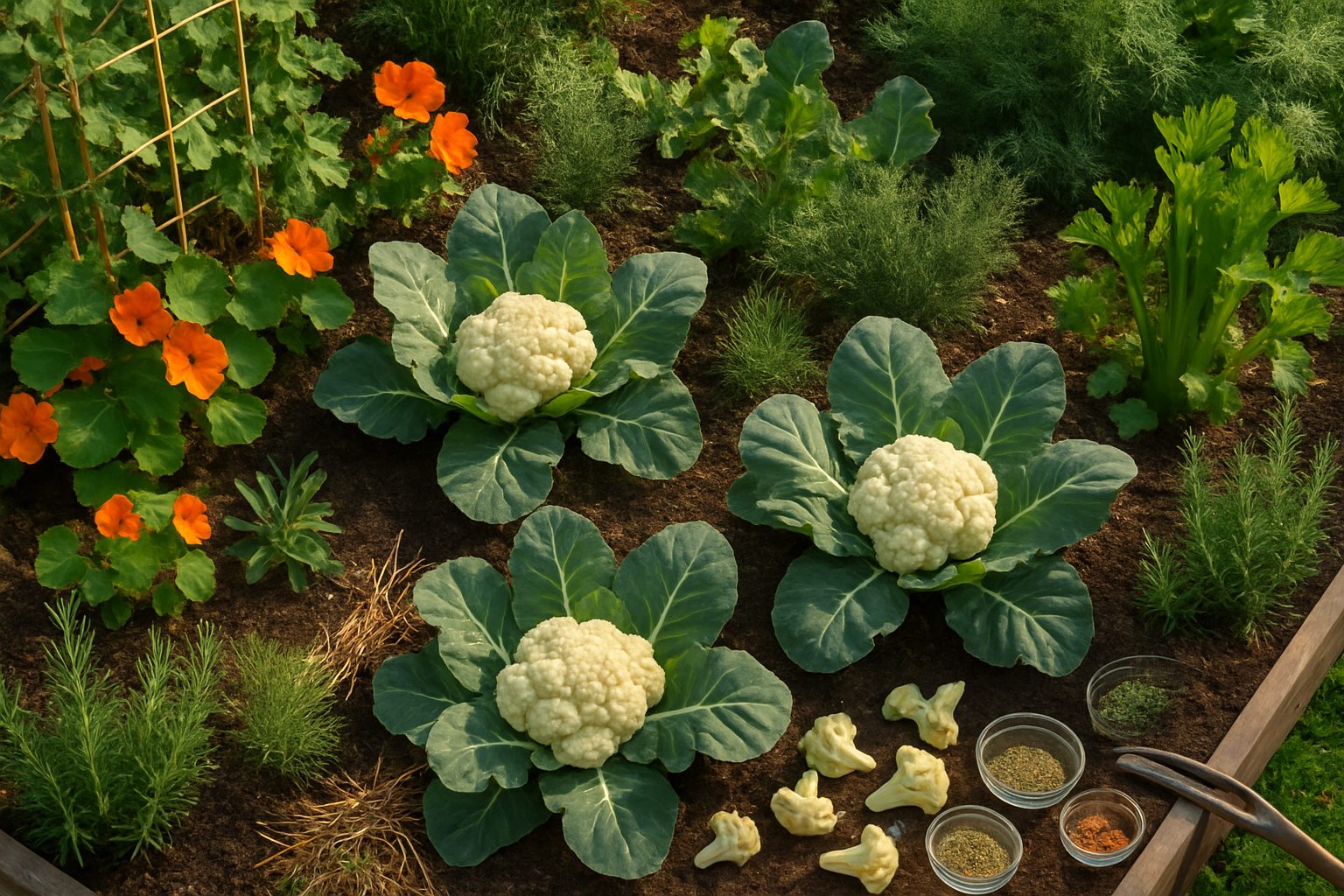
For example, planting nasturtiums nearby can lure aphids away from cauliflower, acting as a “trap crop.” Similarly, aromatic herbs like dill and sage can help deter cabbage moths, while clover or beans add nitrogen to the soil, which cauliflower craves for optimum growth.
By surrounding your cauliflower with beneficial neighbors, you not only provide pest protection but also improve soil health through nutrient exchange and efficient space use. Some gardeners also find that marigolds repel root nematodes, further reducing the risk of disease.
The end result is a healthier garden ecosystem, less need for chemical interventions, and, most importantly, bigger, tastier cauliflower heads ready for your table. Whether you’re growing in rows or a small raised bed, a thoughtful companion planting strategy makes all the difference in a successful cauliflower harvest.
Best Companion Plants for Cauliflower
When planning your garden around cauliflower, choosing the right companion plants can make a big difference in both plant health and harvest yields. Peas and beans are excellent companions because they fix nitrogen in the soil, which feeds heavy-feeding crops like cauliflower and helps the entire bed thrive.
Celery also pairs well, offering ground cover that keeps soil cool and moist—a big plus for cauliflower, which prefers steady moisture. Aromatic herbs like dill, sage, and rosemary not only repel common pests like cabbage moths and aphids but their flowers also attract pollinators and other beneficial insects, boosting your garden’s biodiversity. Onions and other alliums are known to mask the scent of cauliflower, further shielding it from pests.
Finally, nasturtiums can be planted on the edges of your bed; these flowers attract aphids away from your cauliflower (a technique called “trap cropping”) and their bright blooms add visual appeal.
For arranging these plants, try interplanting peas or beans between cauliflower rows, and tuck celery in the spaces or as a border. In the corners or along the edges, plant nasturtiums and patches of aromatic herbs near cauliflower clusters, alternating with onion sets for maximum pest deterrence.
For example, one successful grouping is alternating rows of cauliflower and onions, with peas climbing on trellises at the back and nasturtiums bordering the patch. Another option is placing celery in between your cauliflower and flanking the area with dill and sage for a multitiered defense against pests.
With a bit of creative placement, companion planting not only supports robust cauliflower growth but also creates a more resilient and attractive garden overall.
Plants to Avoid Planting Near Cauliflower
When planning your vegetable garden, it’s important to know that certain plants just don’t mix well with cauliflower. Strawberries, for instance, can attract pests like aphids and slugs that also damage cauliflower, increasing the risk of outbreaks if they’re grown side by side.
Tomatoes are another poor neighbor because they require similar nutrients, leading to tough competition for water and minerals in the soil—which means neither plant thrives.
It’s also best to keep cauliflower away from other brassicas such as broccoli, cabbage, and kale. These related crops not only compete for the same nutrients but are vulnerable to identical diseases and pests like cabbage worms and clubroot, increasing the risk of rapid cross-infestation.
Additionally, some plants release chemicals through their roots—a process called allelopathy—that can stunt the growth of nearby crops. For example, cauliflower can be stunted when grown close to cabbage due to this effect.
To keep your cauliflower healthy, make sure you leave enough space between incompatible plants and rotate your crops each season to break the life cycle of pests and diseases. Consider using garden planning apps or traditional mapping to help you visualize the best layout and avoid putting “bad neighbors” side by side.
With a little foresight, you’ll create a harmonious garden bed where your cauliflower can truly flourish.
Practical Companion Planting Tips for Cauliflower Gardens
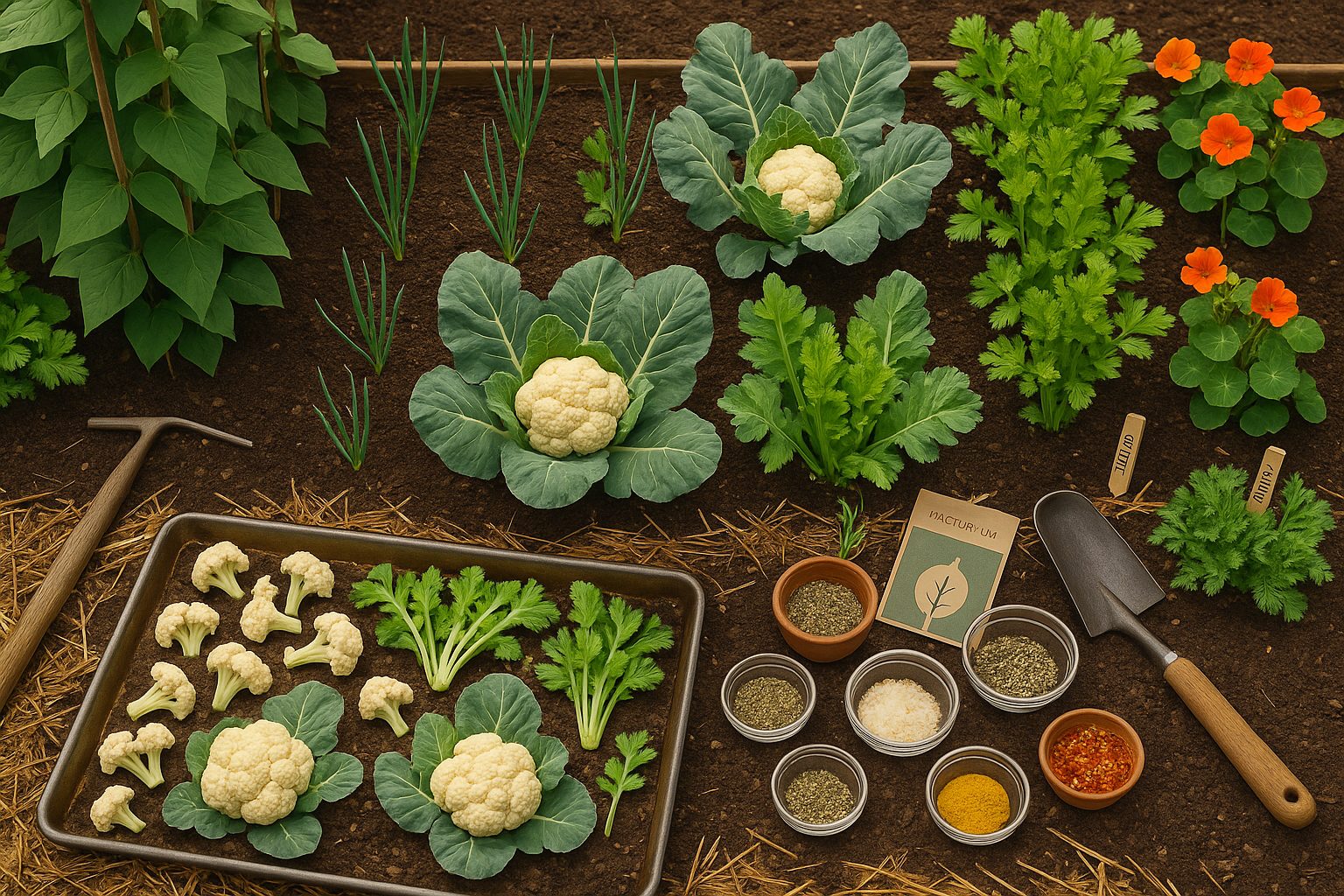
Designing a successful cauliflower garden with companion plants starts with smart layout and soil preparation. Group cauliflower with beneficial partners like spinach, celery, onions, or nasturtiums—these help deter pests, conserve moisture, and even boost growth. Avoid pairing with beans or strawberries, which may compete for nutrients.
Space your cauliflower at least 18–24 inches apart for healthy airflow; nestle quick-growing companions, such as lettuce or radishes, in the gaps to make the most of your bed. Before planting, enrich the soil with well-rotted compost or aged manure, as cauliflower is a heavy feeder, and test for a neutral pH to keep your plants thriving.
When watering, give deep, infrequent soaks to encourage roots to grow downward, and mulch with straw or shredded leaves to retain moisture and suppress weeds—this is especially helpful in mixed plantings where moisture needs can vary. Feed with a balanced organic fertilizer or a side-dressing of compost every few weeks throughout the season.
Practice succession planting by sowing cauliflower in stages, two to three weeks apart, so you always have some ready to harvest; you can do the same with fast-maturing companions to keep your garden productive. Keep an eye out for pests such as cabbage worms, and hand-pick them or use floating row covers if needed.
Rotate your crops yearly to prevent soil-borne diseases and maintain vibrant, high-yielding beds. With these simple strategies, even small mixed plantings can deliver a bumper crop of cauliflower and a variety of fresh veggies.
Frequently Asked Questions
Many gardeners wonder if cauliflower can be grown alongside beans. The answer is that it’s better to keep them apart. Beans tend to fix nitrogen in the soil, which benefits many crops, but heavy feeders like cauliflower prefer stable nutrient levels and may not thrive when paired with legumes.
When considering companion planting, spacing is key—most companion plants do best when given enough room to grow. For example, allow 18 to 24 inches between cauliflower plants and leave at least 12 inches for bush beans to avoid overcrowding.
A common myth is that every plant combo labeled as “companions” will boost yields or deter pests, but results vary based on your local soil, climate, and plant varieties. Keep in mind that while some pairings really do reduce pest pressure or improve flavor, others may have little effect or could even compete for resources.
For beginners, the Old Farmer’s Almanac website and university extension programs are fantastic places to find trustworthy planting charts and advice. Joining local gardening groups—online or in person—can also provide region-specific tips and help you troubleshoot as you experiment with companion planting in your own garden.