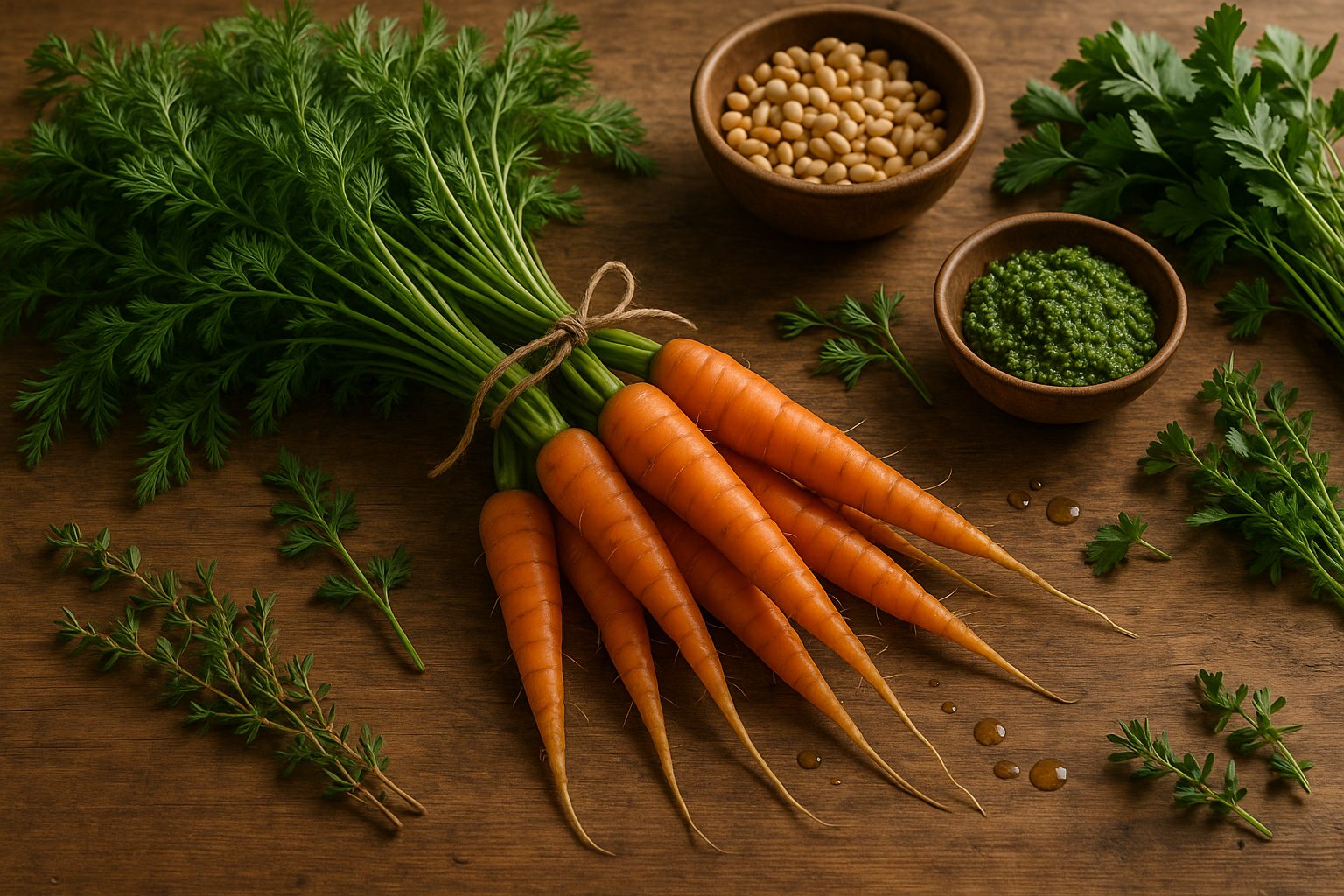
Are Carrot Greens Edible?
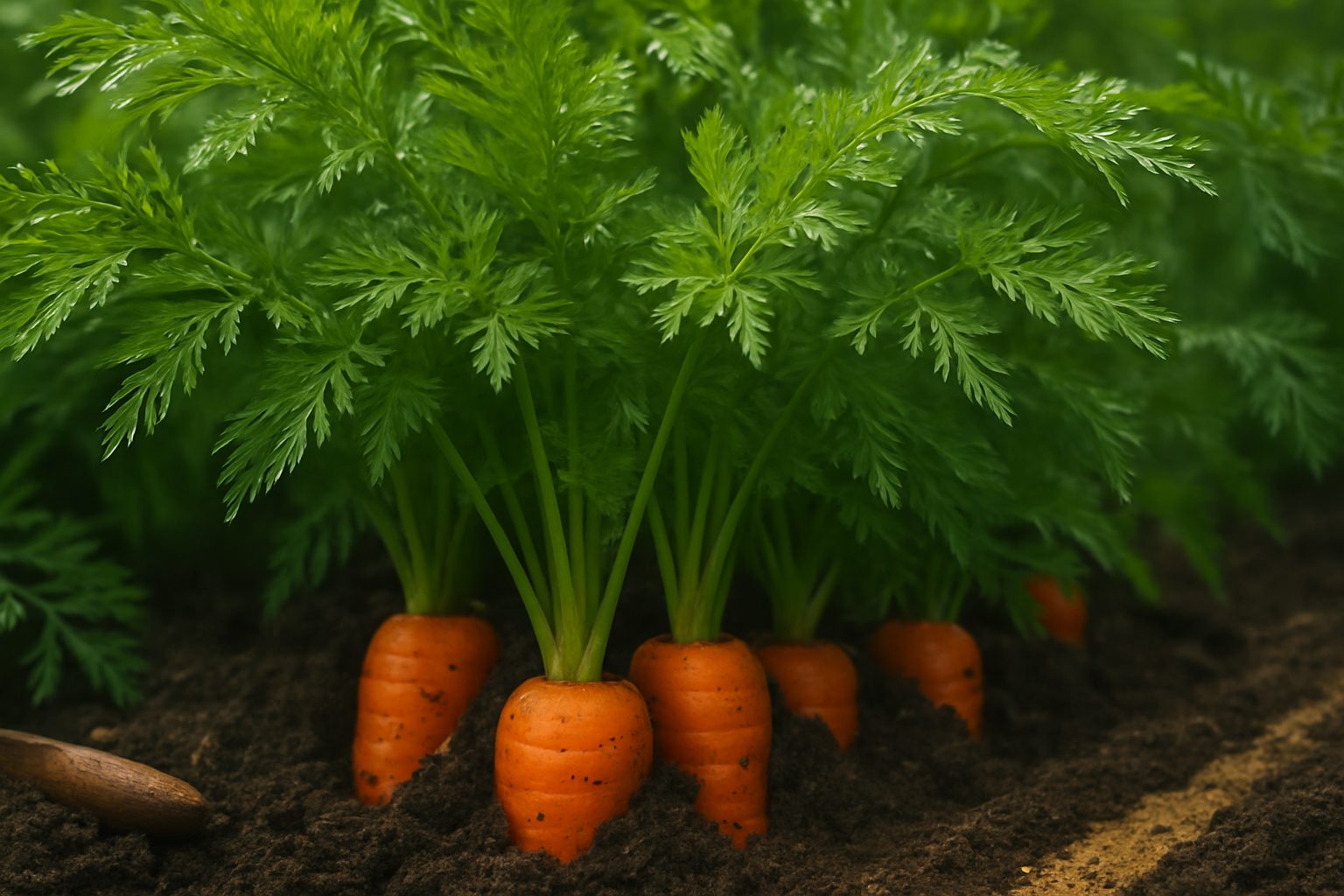
If you’ve ever wondered, “Are carrot greens edible?” you’re not alone. Many people toss away the leafy tops out of concern they might be toxic, but rest assured: carrot greens are indeed edible and safe to eat. Myths about their toxicity often pop up online, sometimes because people confuse them with other, genuinely harmful plant leaves like those of potatoes. However, several reputable sources—including the University of Arkansas Division of Agriculture—confirm that carrot greens do not contain dangerous toxins and can be enjoyed in many dishes.
Carrot greens have a pleasantly earthy, slightly bitter flavor with a hint of parsley and celery. Their texture is tender when young but can become a bit coarser as the plant matures, similar to other hearty leafy greens like beet greens or kale. They can be used in everything from homemade pestos to vibrant salads or sautéed as a side dish.
Instead of discarding these leafy tops, try incorporating them into your meals for an extra boost of color, flavor, and nutrition. Not only will you expand your culinary repertoire, but you’ll also reduce waste—a win-win for your kitchen and the planet.
Nutritional Benefits of Carrot Tops
Carrot tops, often discarded, are actually a powerhouse of nutrition, offering a rich supply of vitamins like A, C, and K, as well as essential minerals such as potassium, calcium, and magnesium. These leafy greens are also loaded with antioxidants, which help fight inflammation and support your immune system.
Compared to carrot roots, the tops contain higher levels of vitamin C and calcium, making them even more nutritionally dense in some respects. While carrot roots are known for their beta-carotene, the greens bring a different array of nutrients similar to what you’d find in popular leafy vegetables like parsley or spinach.
Embracing carrot tops in your cooking—think pestos, soups, or salads—not only boosts your nutrient intake but also helps reduce food waste. By making use of the entire carrot, you’re taking a simple step toward sustainability and getting more value from your groceries.
Next time you buy carrots with fresh tops, keep those greens to maximize both nutrition and eco-friendliness in your kitchen.
How to Harvest & Store Carrot Greens
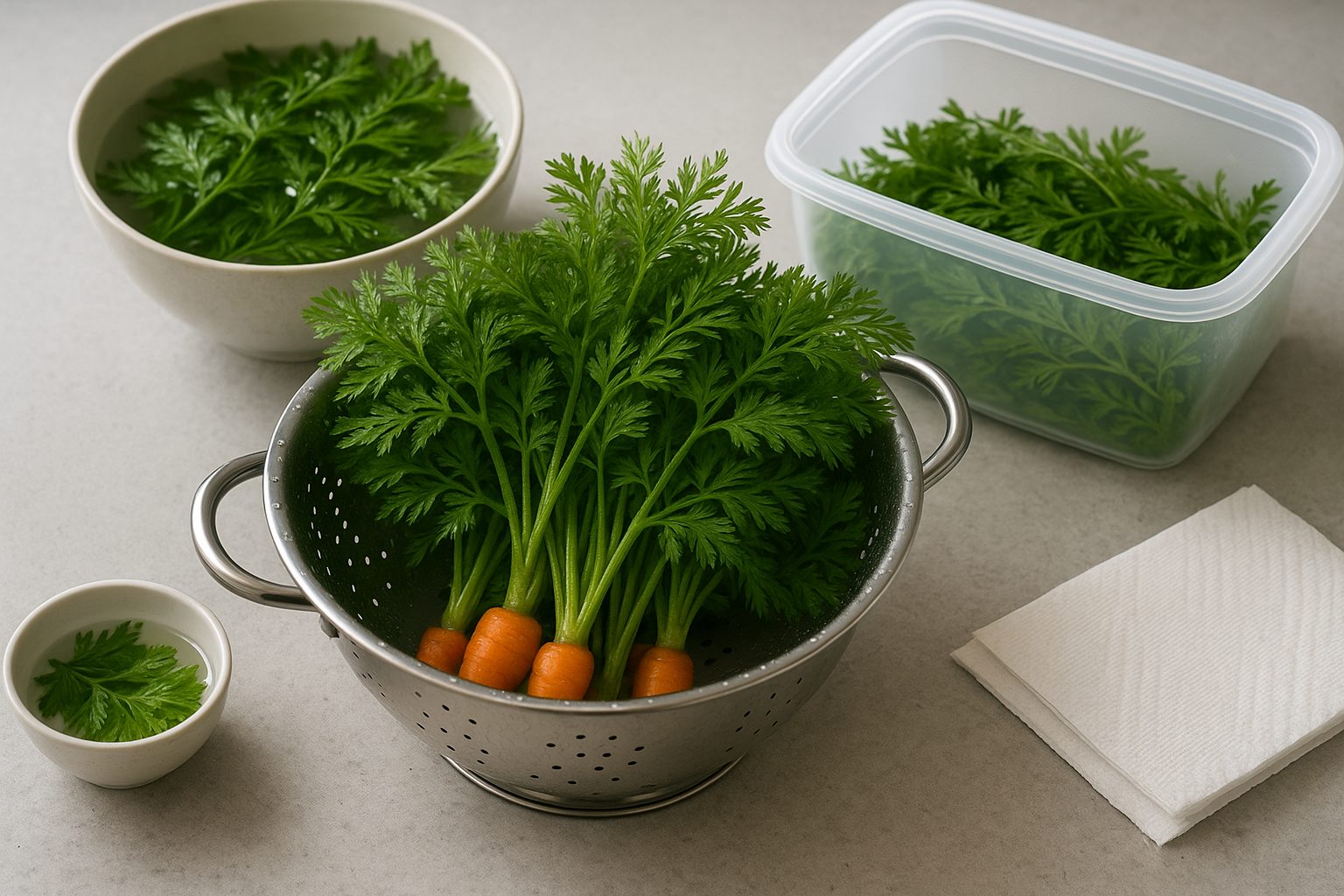
Harvesting carrot greens is simple and rewarding, whether you’re pulling fresh carrots from your garden or bringing home a bunch from the store. Start by selecting bright, feathery tops that look healthy and crisp—avoid any leaves that are yellowing or slimy.
Cut the greens away from the carrot root, leaving about an inch of stem to prevent drawing moisture from the carrot itself. For store-bought greens, it’s best to trim them as soon as you get home.
Next, fill a bowl with cool water and swish the greens around to loosen dirt and grit. Rinse them a few times if needed, then gently pat dry with a clean towel or use a salad spinner. Make sure the greens are completely dry before storing, as moisture can cause them to spoil quickly.
For best results, wrap the greens in a dry paper towel and place them in a breathable bag or container in the refrigerator—they’ll stay fresh for up to a week.
Before cooking, separate any tough stems from the tender leaves, as the stems can be fibrous and bitter. The soft parts are great for pesto, soups, or as a garnish, helping you make the most of your carrot greens while minimizing waste.
Popular Ways to Use Carrot Greens
Carrot greens are a surprisingly versatile ingredient that can add freshness and a gentle, earthy flavor to your dishes. For a raw boost, chop them finely and toss into salads alongside spinach or lettuce, or use them as a garnish much like fresh parsley. Their slightly bitter, herby taste pairs beautifully with lemon juice, olive oil, or a sprinkle of sea salt for a simple green salad.
If you’re a pesto lover, blend carrot greens with nuts (like almonds or walnuts), Parmesan cheese, and garlic for a unique twist that works wonderfully on pasta or crusty bread. They sauté well, too—just cook them in olive oil with garlic and a squeeze of lemon for an easy side or an omelet filling.
Carrot greens are an excellent substitute for herbs like parsley, cilantro, or even basil in most recipes. Try them in soups, tabbouleh, chimichurri, or sprinkled over roasted vegetables. Their sturdy texture can even stand up to hearty grains or lentils, adding depth to grain bowls and pilafs.
Next time you buy carrots with their greens attached, resist throwing those tops away—they’re packed with flavor and culinary possibilities!
Carrot Top Pesto Recipe
Carrot top pesto is a fantastic way to use those fresh, leafy tops that often get thrown out—plus, it’s quick, bright, and packed with flavor. Start by thoroughly washing the carrot greens from one bunch of carrots (about 2 cups, stems removed), and pat them dry.
In a food processor, add the carrot greens, 1 cup fresh basil leaves (or substitute with all carrot tops if needed), and 1/2 cup toasted nuts—pine nuts are classic, but walnuts or almonds add rich, earthy flavors and are budget-friendly options. Add 2 garlic cloves, the zest and juice of half a lemon, 1/2 cup grated Parmesan cheese (or try nutritional yeast for a dairy-free twist), 1/2 teaspoon salt, and 1/4 teaspoon black pepper. Pulse until everything is coarsely chopped.
With the processor running, slowly drizzle in about 1/2 cup of good olive oil until the pesto reaches your preferred consistency—smooth for pasta, or chunky for a sandwich spread. Scrape down the sides and taste; adjust seasoning, add a splash more lemon if you want extra brightness, or a pinch of red pepper flakes for some heat. You can also mix in a bit of Greek yogurt or soft goat cheese for a creamy version.
This pesto is endlessly versatile: toss with warm pasta, spoon over grilled veggies, spread on sandwiches or toast, swirl into soups, or serve as a dip with crackers. It keeps well in an airtight container in the fridge for up to a week, and even freezes beautifully in ice cube trays for future meals.
Other Delicious Recipes & Uses
Carrot greens are surprisingly versatile and can add a burst of fresh flavor to many dishes. For a cozy meal, toss chopped carrot tops into soups or stews during the last few minutes of cooking—their bright, earthy notes blend beautifully with root vegetables and beans.
Whirl them into a zesty chimichurri sauce with garlic, olive oil, and vinegar, then spoon it over grilled veggies or chicken. Finely chop the greens to fold into omelets and frittatas; gently cooking mellows their sharpness and creates a tender texture.
You can even add a handful to green smoothies for an extra nutrient punch, balancing any bitterness with apple or banana. Cooking carrot greens softens their toughness and tones down their slightly grassy taste, making them milder and more approachable for those new to leafy tops.
If you have leftovers, don’t toss them out—they make an excellent addition to compost, enriching your soil. You can also scatter them around your garden as a natural pest deterrent to help protect other plants.
Common Questions & Extra Tips
Many people wonder about the taste of carrot greens and whether they’re safe to eat. Carrot greens have a slightly bitter, herbal flavor, similar to parsley, so they work best blended into pestos, soups, or smoothies where other ingredients can balance the taste.
If the bitterness is too strong, try blanching the greens quickly in boiling water to mellow their flavor. Freezing carrot tops is an easy way to save them for later—just wash, chop, and store in zip-top bags. This makes them perfect for tossing into recipes as needed.
When it comes to consumption, moderation is key; a handful per meal is plenty, as large amounts can be hard to digest for some people. It’s also important to know that carrot greens may cause allergic reactions in those sensitive to carrots or parsley.
Pesticide residues can be a concern, especially with conventionally grown produce. Always wash the greens thoroughly, or better yet, use organic carrots when possible. Avoid wilted or yellowing greens, as they can indicate spoilage or diminished nutrients.
To get the most from your carrot greens, add them to salads, stir-fries, or homemade stocks. This helps minimize food waste while packing extra nutrients into everyday meals.