Why Grow Arugula? & Best Varieties
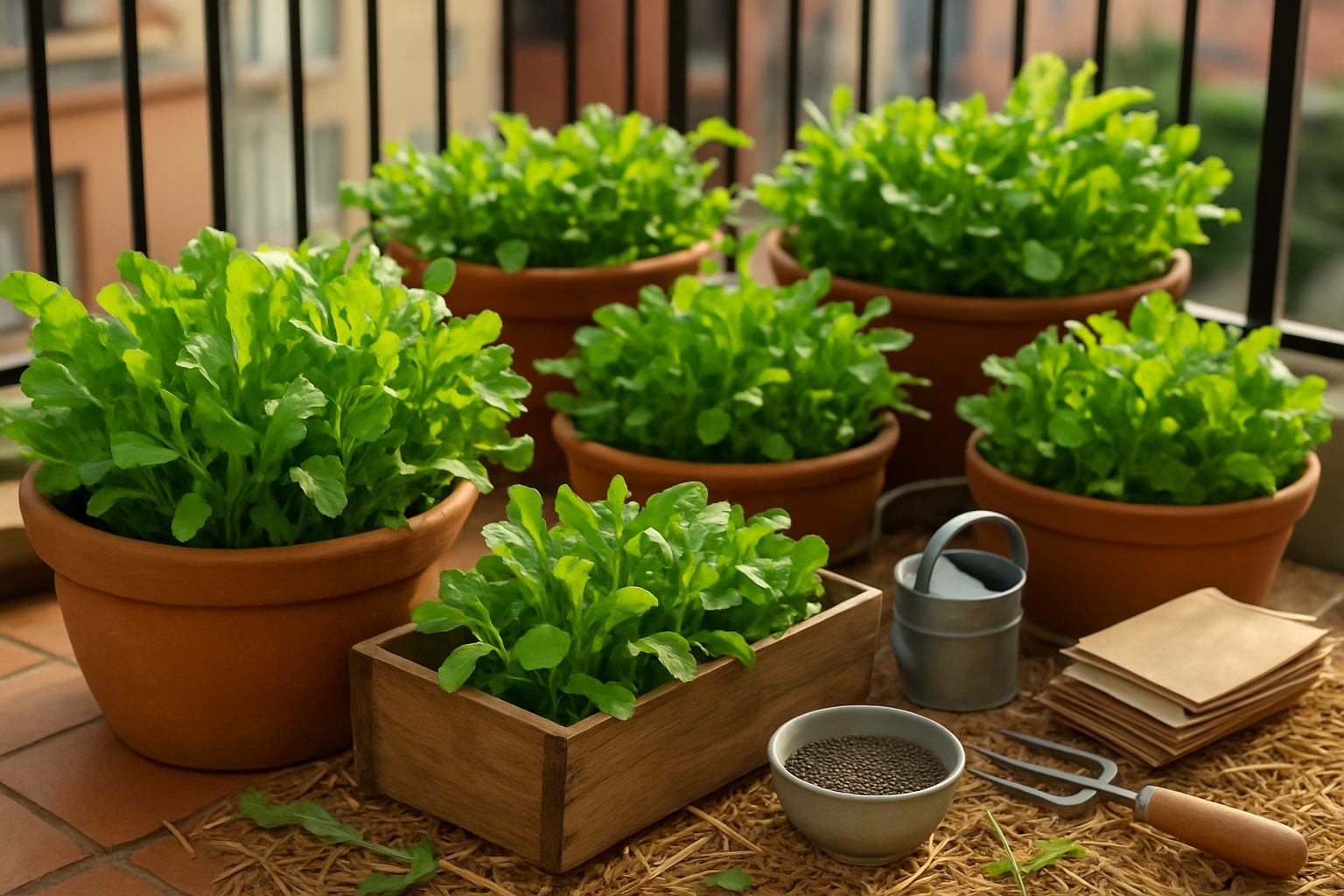
Urban arugula gardening offers a fresh, flavorful way to maximize even the tiniest city balcony or windowsill. Why choose arugula? This leafy green is packed with vitamin K, vitamin C, calcium, and powerful antioxidants that support immune health and bone strength. Its rapid growth cycle—ready to harvest in just three to four weeks—makes it one of the easiest greens for beginners, even those with limited gardening experience or space.
Arugula’s signature peppery flavor is bolder and zestier than most salad greens, making it a favorite for elevating the simplest salad, adding kick to sandwiches and flatbreads, or serving as a bright, nutrient-rich garnish for roasted veggies and pizza.
Top Varieties for Urban Gardening
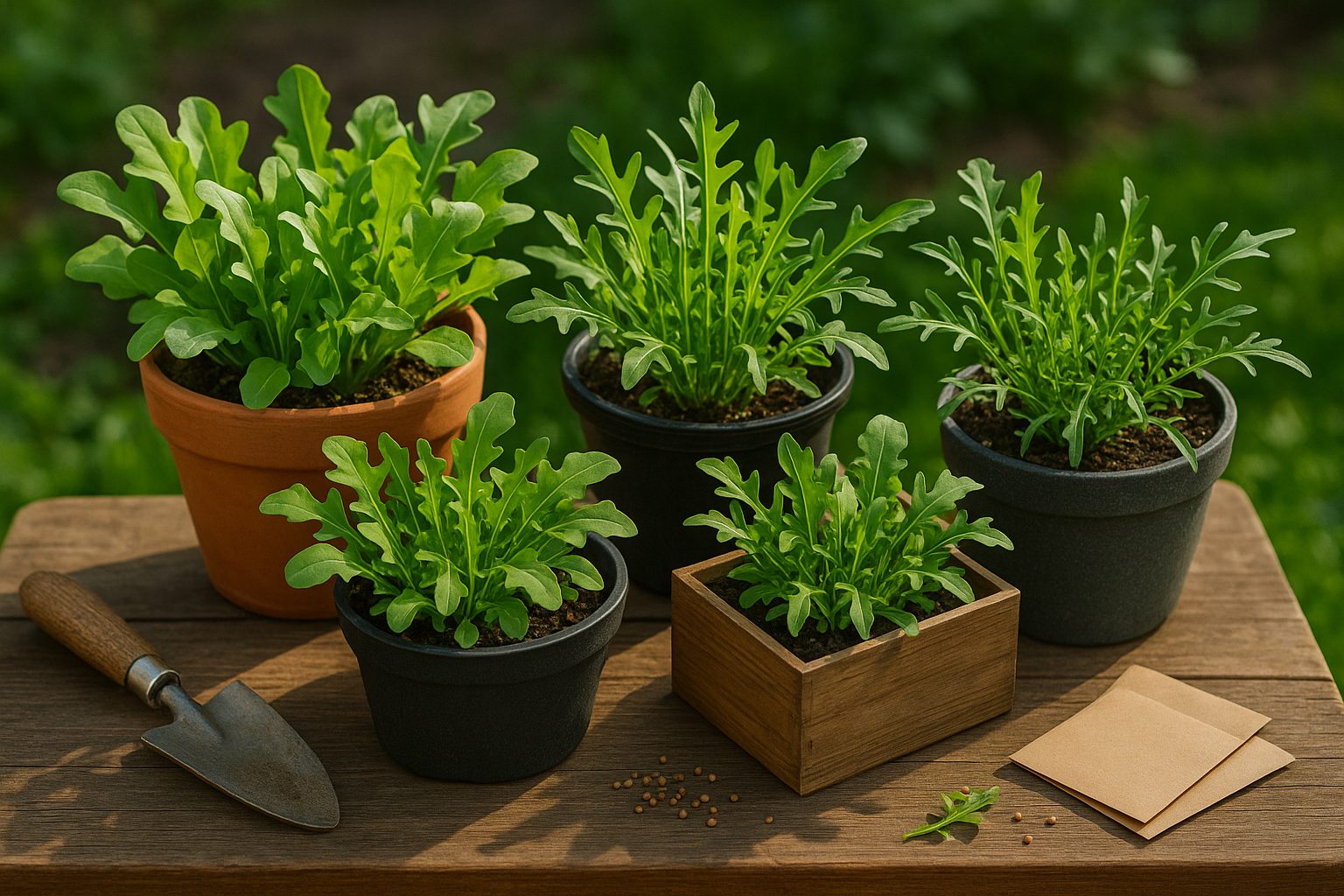
For urban growers, standard types like Astro and Rocket are top choices: they germinate quickly, are slow to bolt, and do well in small pots or raised beds. If you’re short on sunlight indoors, try Speedy arugula, celebrated for its rapid, compact growth. For a more rustic twist and a complex, spicy flavor, wild arugula varieties like Sylvetta thrive in balcony boxes and window planters and are often more heat- and cold-tolerant than classic strains.
Urban Arugula Gardening Made Easy
Ultimately, urban arugula gardening adapts to your lifestyle—just a few seeds, a small pot, and a sunny perch are enough for you to enjoy fresh leaves year-round. Whether you’re tossing arugula with citrus and olive oil or sprinkling it over morning eggs, this green delivers flavor and nutrition with city-friendly simplicity.
When and Where to Plant Arugula
Arugula thrives when planted at the right time and in the right place, making a big difference in your harvest. Outdoors, the best time to plant arugula is in early spring or late summer to early fall, when temperatures are mild—ideally between 45°F and 65°F.
In cooler climates, sow seeds as soon as the soil is workable in the spring; in warmer areas, wait until late summer to avoid the scorching heat that causes arugula to bolt, or go to seed prematurely. Arugula loves sunlight but dislikes sweltering heat, so pick a spot that gets four to six hours of sun each day—morning sunlight is preferable, with some afternoon shade if you expect high temperatures.
For example, planting arugula alongside taller vegetables or using shade cloth can help protect it from intense midday rays.
Indoors, you can grow arugula year-round on a sunny windowsill that gets plenty of indirect light or under grow lights if natural light is limited. Make sure indoor containers have good drainage and keep the soil moist but not soggy.
Temperature matters: arugula is a cool-season crop and can tolerate light frosts, but hot weather will make its leaves turn bitter and grow tough. If you’re in a region with unpredictable spring frosts, use row covers to offer early protection outdoors. For those in warm areas, starting arugula seeds inside or in a shaded spot lets you avoid the hottest part of the year.
By paying attention to these simple timing and placement tips, you’ll ensure your arugula grows fast, stays tender, and brings a peppery zip to your salads again and again.
How to Plant Arugula: Steps from Seed to Seedling
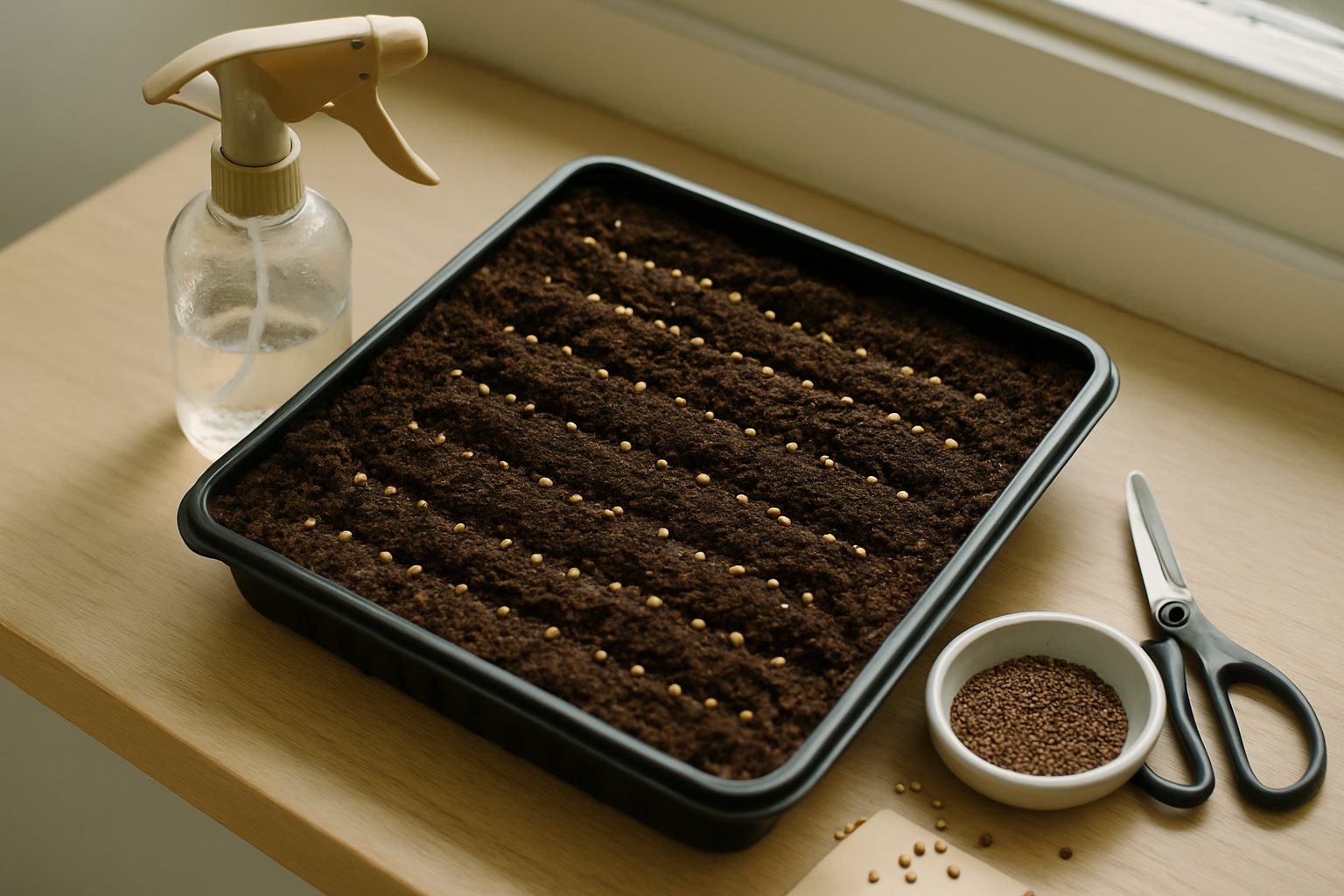
Starting arugula from seed is simple and highly rewarding, whether you garden outdoors or want fresh greens right in your kitchen. To prepare, choose a well-draining potting mix enriched with compost for added nutrients—loamy, crumbly soil helps seeds germinate quickly and reduces the risk of rot.
Outdoors, loosen the soil to at least six inches deep. Indoors, pick shallow trays or containers 4-6 inches deep that have drainage holes. Space seeds about one inch apart in rows set four inches apart, gently pressing them about 1/4 inch deep.
After covering with soil, water gently using a spray bottle to keep the top layer consistently moist but never soggy. Arugula loves cool, evenly moist conditions, so check daily and mist as needed. Seeds usually sprout within 5-7 days when temperatures are between 50-70°F.
Once seedlings grow their first true leaves, thin them to 3-4 inches apart—clip extras with small scissors to avoid disturbing the roots. If you started seeds indoors and want to transplant, wait until the plants have at least two sets of true leaves, then harden them off outdoors for a few days before moving them to the garden.
For a steady supply, try succession planting: sow a new batch of seeds every two weeks throughout the cool season. Remember, arugula can bolt quickly in the heat, so harvest young leaves often and pull up any plants starting to flower to make room for new seedlings. This way, you’ll enjoy a fresh, zesty crop all season!
Caring for Arugula Plants
Arugula thrives with simple, consistent care, making it a great addition to any home garden. Water your arugula regularly to keep the soil evenly moist but not soggy—generally, this means watering about once every two to three days, more often during hot weather or if growing indoors in dry conditions.
mulching with straw, shredded leaves, or compost helps retain moisture and keeps the roots cool, which is crucial for preventing the plant from bolting (going to seed too early). For fertilization, arugula benefits from a light feeding of a balanced organic fertilizer or compost tea every few weeks, especially after leaves have been harvested.
When growing arugula, keep an eye out for flea beetles, as these tiny pests love to chew holes in the tender leaves. If you spot them, try using a floating row cover for outdoor gardens or sticky traps for indoor pots. You can also make a homemade spray with neem oil or a diluted mixture of dish soap and water—just be sure to rinse leaves before eating.
To promote fast and flavorful growth, harvest young leaves regularly; this not only encourages new shoots but also keeps the flavor milder. Plant arugula in partial shade during hot months and avoid letting the soil dry out, as both heat stress and drought can trigger bolting.
With these easy routines, you’ll enjoy a steady supply of peppery, delicious arugula whether you’re growing it inside or out.
Harvesting and Storing Your Arugula
Harvesting arugula at the right time not only delivers the best flavor but also keeps your plants producing longer. For a mild, peppery taste, pick the outer leaves when they’re 3–4 inches long—usually about a month after planting.
Use sharp scissors or garden shears to snip individual leaves rather than pulling them by hand; this method minimizes stress on the plant and encourages new growth from the center. Avoid cutting more than a third of the plant at once to let it recover quickly. If you harvest the whole head, the plant usually won’t regrow, so ongoing snipping is your best bet for a steady supply.
Once picked, arugula wilts quickly, so rinse the leaves and dry them thoroughly with a salad spinner or paper towel to prevent sogginess. Wrap the leaves loosely in a paper towel and store them in a perforated plastic bag in your fridge’s produce drawer—they’ll stay fresh for up to a week.
For meal inspiration, toss freshly harvested arugula into salads, on top of pizzas, or stirred into pastas right before serving, letting its vibrant greens and peppery bite shine. This direct-from-the-garden approach ensures every dish bursts with peak flavor and nutrients.
Troubleshooting & Extra Tips for Success
Many gardeners encounter a few hiccups with arugula, but most have simple fixes. If your leaves taste unusually bitter, it’s often a sign that the weather is too hot or the plant is past its prime. Try growing arugula in early spring or fall, and harvest young for a sweeter, milder flavor.
Slow growth and yellowing leaves usually indicate poor soil or drainage. Giving your plants a boost with a little compost or organic fertilizer can make a big difference.
For indoor growers, maintaining humidity levels between 40-60% helps prevent wilting. Using a small fan near your plants encourages airflow and reduces the risk of mold or mildew.
Since arugula loves sunlight, place your containers by a bright window or invest in LED grow lights to ensure at least 4 hours of direct light daily.
As you get started, don’t be afraid to snip outer leaves regularly; this helps the plant stay productive. Frequent, small harvests mean fresher salads.
Even if your first try isn’t perfect, arugula bounces back quickly and is forgiving—just tweak your approach, and you’ll enjoy crisp, homegrown greens all season long.