Introduction
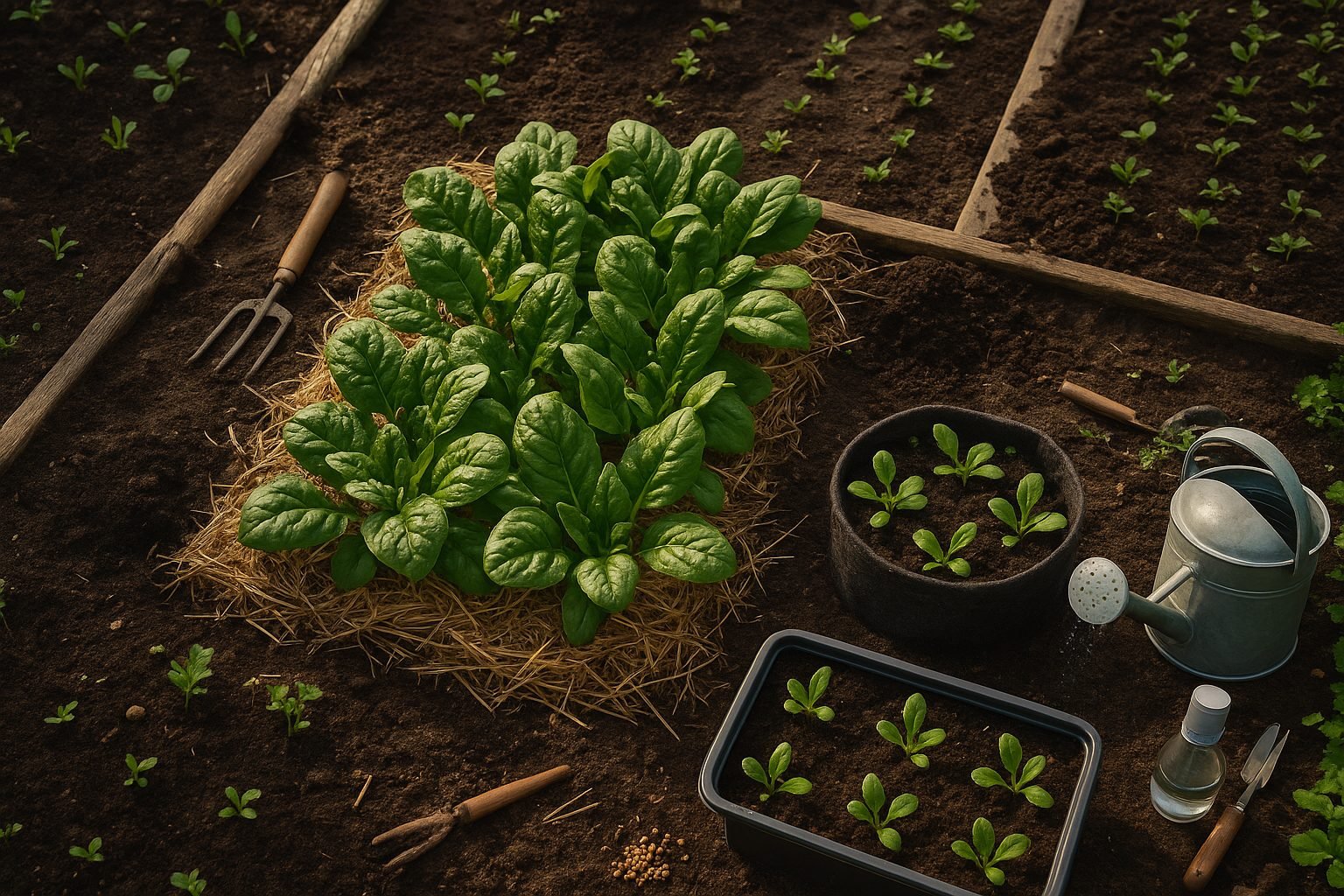
Mulching spinach is a simple yet effective technique that can significantly improve your garden harvests. Whether you’re growing leafy greens for family meals or aiming for a larger crop, applying mulch helps maintain the consistent moisture levels spinach needs, suppresses weeds that compete for nutrients, and protects the soil from temperature extremes. Imagine harvesting crisp, healthy leaves without constantly watering or hand-pulling weeds—mulch makes this possible. Different materials like straw, grass clippings, or compost each offer unique benefits, and knowing when and how to use them is key to maximizing results. In this article, we’ll explore practical, proven methods for mulching spinach, helping you choose the right mulch, apply it effectively, and troubleshoot common issues. Whether you’re a beginner or an experienced gardener, these tips will help you grow lush, productive spinach beds throughout the season.
Understanding the Needs of Spinach Plants
Spinach is a cool-season leafy green that thrives in temperatures between 45°F and 75°F, making it perfect for early spring and fall gardens. It grows quickly but has shallow roots, drawing nutrients and water from the topsoil. These roots are easily affected by temperature swings, drought, and weeds. Spinach prefers well-draining soil with consistent moisture, but too much water or irregular watering can lead to problems like root rot or premature bolting (going to seed).
Rapid changes in soil temperature or dry, crusty soil often stress the plants and stunt the lush, tender growth gardeners want. This is where mulching spinach really shines. Adding a layer of organic mulch—such as shredded leaves, grass clippings, or straw—helps keep the soil evenly moist and cool, protecting those delicate roots from harsh sun and sudden cold snaps.
The mulch also acts as a natural weed barrier, reducing competition for nutrients and water. Many gardeners notice that mulched spinach beds require watering about half as often, and weed pressure is significantly lower. Plus, as the mulch breaks down, it improves soil health by adding organic matter and attracting earthworms.
Common issues like uneven growth, yellowing leaves, and pest problems can be minimized with the steady environment that a good mulch layer creates. By focusing on these needs, gardeners set the stage for a robust spinach harvest with less daily effort.
Types of Mulch Suitable for Spinach
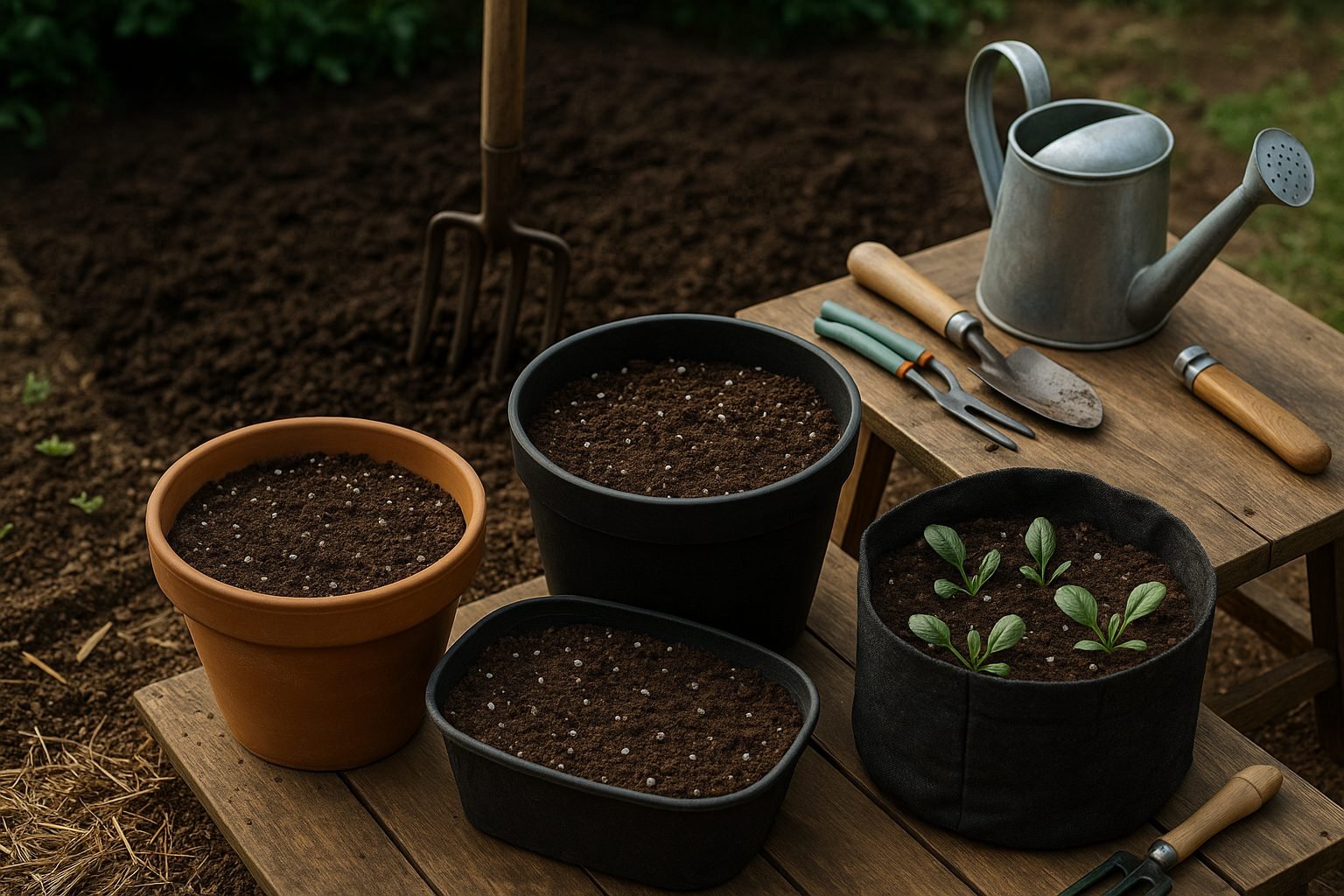
When it comes to mulching spinach, understanding the different types of mulch and their effects can significantly impact plant health and harvest yield. Organic mulches are especially popular for spinach beds.
Straw is a classic choice because it helps retain moisture, stabilizes soil temperature, and breaks down slowly, adding organic matter over time. However, straw may sometimes carry weed seeds if it isn’t clean. Shredded leaves are another excellent option—often readily available in most yards. They insulate the soil and, as they decompose, feed beneficial microbes. The downside is that heavy, wet mats of leaves can smother young seedlings if applied too thickly.
Compost provides nutrients and improves soil texture, making it a fantastic mulch for spinach. However, its richness can sometimes encourage weeds if not topped with another mulch layer. Grass clippings can also work well but should be applied lightly and in thin layers to prevent clumping, overheating, and pathogen growth—especially if the grass was recently treated with herbicides.
Inorganic mulches like black plastic or landscape fabric are useful for early spring plantings since they warm the soil and suppress weeds. However, they can overheat the soil in summer and don’t supply nutrients, so they’re best used for cool-season crops or combined with organic mulches.
Be cautious in your selection: avoid mulches like pine needles, which are acidic and can lower soil pH unfavorably for spinach, as well as fresh wood chips, which decompose slowly and may deplete soil nitrogen. When choosing mulch, consider availability, soil impact, and your climate to set your spinach bed up for success.
When and How to Apply Mulch
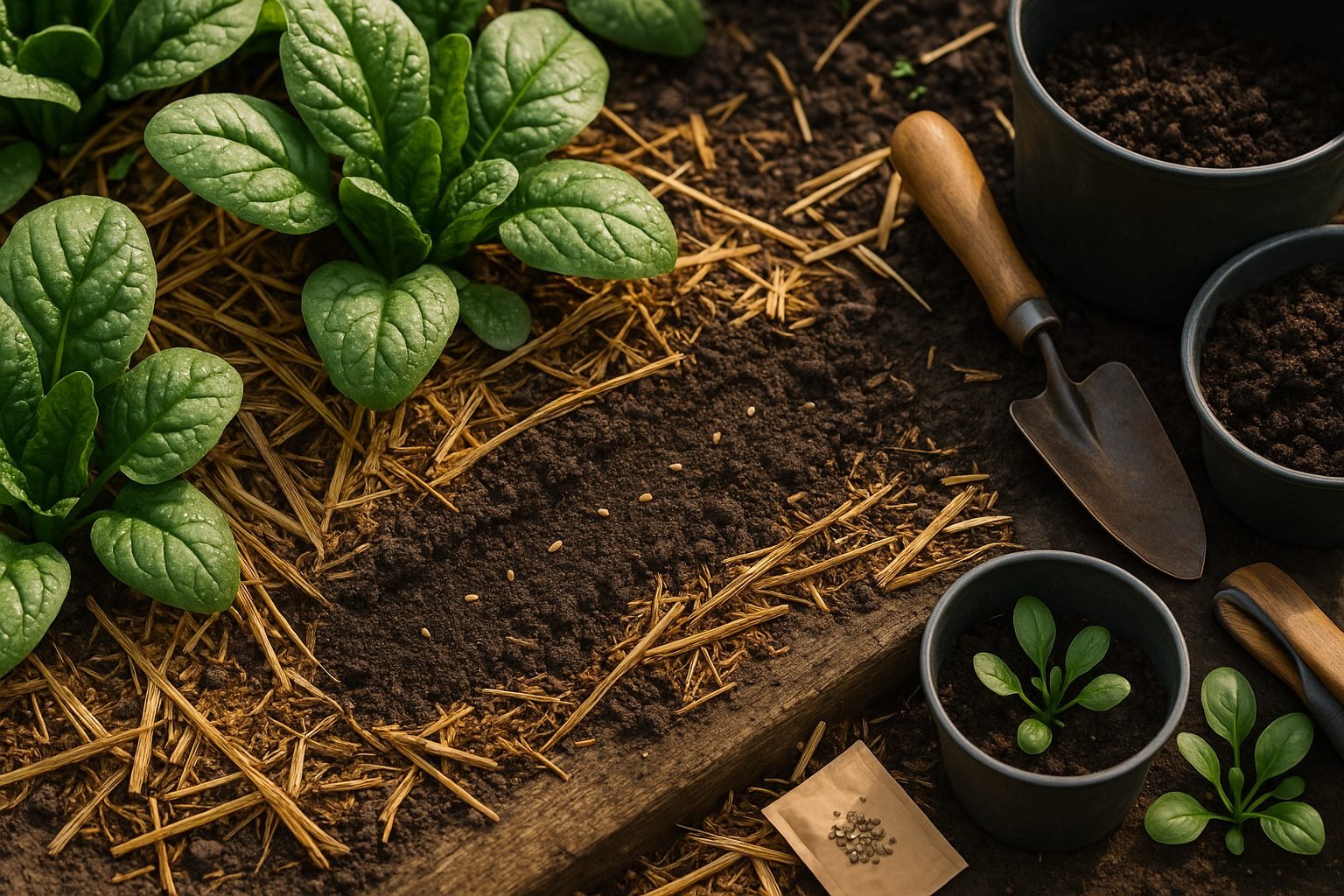
Mulching spinach is most effective when done at the right stages to maximize benefits like moisture retention and weed suppression. For direct sowing, wait until the spinach seeds have germinated and the seedlings are about 2-3 inches tall—usually two to three weeks after planting—before applying mulch. Mulching too early can hinder seedling emergence and trap excess moisture around bare seeds, which may cause rot.
If you’re transplanting spinach, apply mulch immediately after transplanting to reduce transplant shock and support root establishment. Aim for a loose, even layer of mulch about 1 to 2 inches thick; straw, shredded leaves, or untreated grass clippings work well. Keep the mulch about an inch away from the base of each plant to prevent rotting stems and to discourage slugs.
Layering is key: first remove any weeds, water the soil thoroughly, then gently lay down the mulch without smothering young seedlings. For larger beds or rows, start by mulching between the rows, then gradually pull the mulch closer to the plants as they grow taller and stronger. In cooler climates, wait until the soil warms in spring before applying mulch to avoid slowing growth. Conversely, in hot weather, applying mulch early can protect the soil from excessive heat.
Regularly check the mulch for compaction and fluff it up as needed to maintain good airflow. For succession plantings, pull back the mulch to sow new seeds, then replace it once seedlings are established. With careful timing and placement, mulching spinach will help you grow healthier, more resilient plants all season long.
Seasonal Mulching Strategies
Mulching spinach isn’t a one-size-fits-all process—your strategy should change with the seasons to ensure healthy crops and better yields. In spring, aim to keep the soil cool and retain moisture, since spinach thrives in cooler temperatures and can bolt (go to seed) quickly when it heats up. Use a layer of lightweight organic mulch, like finely shredded straw or dried leaves, about 1-2 inches thick after planting. This helps moderate soil temperature, keeps roots happy, and minimizes weed competition without creating a soggy environment during spring rains.
As warmer months arrive, keep an eye on the mulch. Thin it out if you notice the soil getting too warm, since spinach will bolt if temperatures rise too much. In fall, when nights start to cool, mulching spinach still helps trap soil moisture and protect tender seedlings from chilly snaps. Now, it also extends the harvest. Add a slightly thicker layer—around 2-3 inches—using straw or partially composted leaves to insulate roots against early frosts and offer protection as temperatures dip.
For overwintering spinach—an excellent way to get an early start next spring—mulching becomes even more important. After the first few hard frosts, apply a generous blanket (up to 4 inches) of straw or dry leaves over the plants. This insulating layer shields roots from deep freezes, prevents soil heaving, and helps preserve young plants until the weather warms again. Adapting your mulching spinach approach to seasonal needs is key to keeping your greens healthy, productive, and ready for harvest at the right time.
Maintaining and Refreshing Mulch Layers for Mulching Spinach
To keep your spinach crop healthy and thriving, it’s important to regularly maintain and refresh your mulch layers. Experts recommend inspecting your spinach beds every one to two weeks, especially after heavy rain or strong winds, to assess the condition of your mulch. When you check, look for signs that the mulch needs attention, such as a thinning layer, visible bare soil, or a gray, matted appearance—these often indicate decomposition or compaction.
You might also notice foul odors, which can signal rot, or increased activity from pests like slugs or earwigs taking shelter under the mulch. If you spot these issues, it’s time to replenish with fresh material or fluff existing mulch to restore aeration and moisture flow.
Aim to maintain a consistent 1- to 2-inch mulch layer—enough to retain moisture and suppress weeds without smothering young seedlings. During peak growth or after frequent rains, you may need to add more mulch as the organic material breaks down quickly. Be sure to remove any mulch that’s in direct contact with spinach stems to prevent disease, and avoid using mulch that remains soggy to reduce the risk of pests and fungal problems.
For best results with mulching spinach, choose clean straw mulch or shredded leaves, replenishing as needed throughout the season. These steps help conserve soil moisture, reduce weeding, and create a healthy, balanced environment for your spinach as it grows.
Troubleshooting Common Mulching Mistakes
When mulching spinach, certain mistakes can undermine your efforts and affect plant health. A common error is applying mulch too thickly: while mulch helps retain soil moisture, layers thicker than 2-3 inches can trap excess water, leading to mold or root rot. If you notice mushrooms, a sour smell, or soggy soil, gently rake away the excess mulch to restore balance and apply a thinner layer next time.
Another issue is piling mulch directly against spinach stems, which can cause rotting or provide shelter for pests like slugs. Always leave a small mulch-free gap—about an inch—around each plant to allow air circulation and discourage infestations.
Using contaminated mulch, such as grass clippings treated with herbicides or straw containing weed seeds, may introduce unwanted weeds or toxins into your garden. Whenever possible, use high-quality, composted organic mulch from a trusted source, and avoid fresh, non-decomposed materials. If you spot weeds, pull them promptly and consider topping up with cleaner, finer mulch.
Waterlogging is another common mulching pitfall, especially in clay soils. To alleviate standing water, switch to a coarser mulch to improve drainage and water less frequently. Watch for ants, slugs, or mold, and adjust your practices as needed.
Every garden is unique, so observe how your spinach responds to mulching, make gradual adjustments, and keep a simple journal of what works each season. This approach is the best way to refine your technique and ensure a thriving spinach crop.
Conclusion
Mulching spinach is a simple step that offers big benefits—retaining moisture, suppressing weeds, and moderating soil temperatures to promote healthier, faster-growing crops. Using materials like straw or shredded leaves, applying a 2-3 inch layer, and keeping mulch away from plant stems are best practices that help spinach thrive. If you want lush, vibrant spinach all season long, give mulching a try in your garden. For even better results, explore topics like common spinach diseases, optimal watering schedules, and effective soil preparation tips to enhance your spinach-growing expertise. Your future harvest will thank you!