Introduction
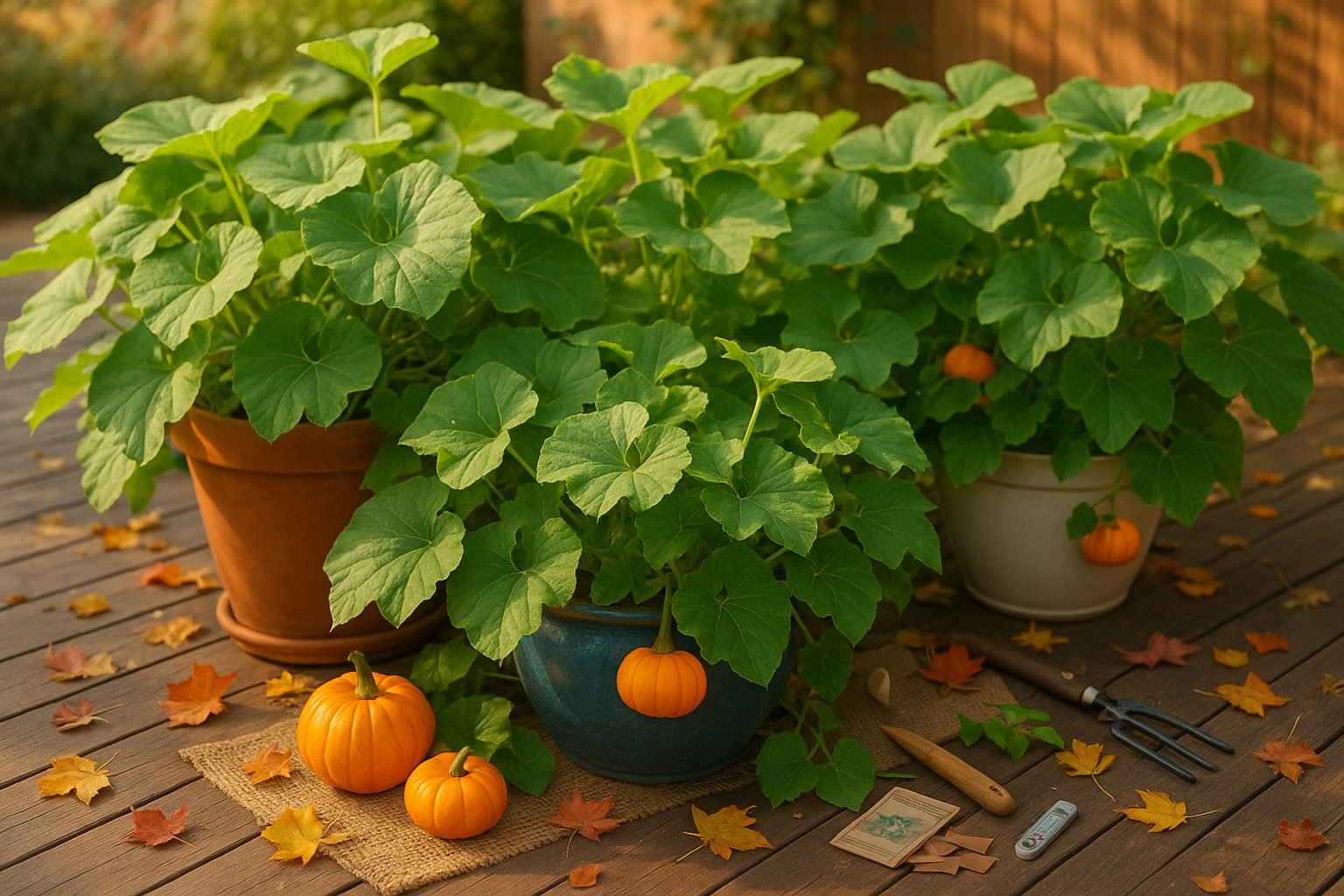
Container pumpkins are revolutionizing the way garden enthusiasts enjoy fall’s most iconic crop, even if they’re limited to small spaces like balconies, patios, or compact yards. With the rise of urban gardening and the desire for homegrown produce, growing pumpkins in containers offers a surprisingly rewarding experience without the need for sprawling garden beds.
Imagine trailing pumpkin vines and perky orange fruits brightening up your doorstep or deck—these compact versions pack just as much charm as their larger counterparts. Gardening in containers, however, comes with its own set of joys and hurdles: you get more control over soil and pests, but pumpkin plants’ vigorous growth and thirst require special attention to variety, watering, and nutrition.
In this post, we’ll walk you through everything you need to succeed with container pumpkins, starting from selecting the best pumpkin types for confined settings, choosing the right pots, and crafting the perfect soil mix. We’ll share practical care tips, troubleshoot common problems, and cover when and how to harvest your homegrown treasures.
Whether you’re a seasoned gardener craving a new challenge or a beginner seeking patio-friendly produce, you’ll find all you need here to grow bountiful pumpkins—even with just a few square feet to spare.
Choosing the Right Pumpkin Variety
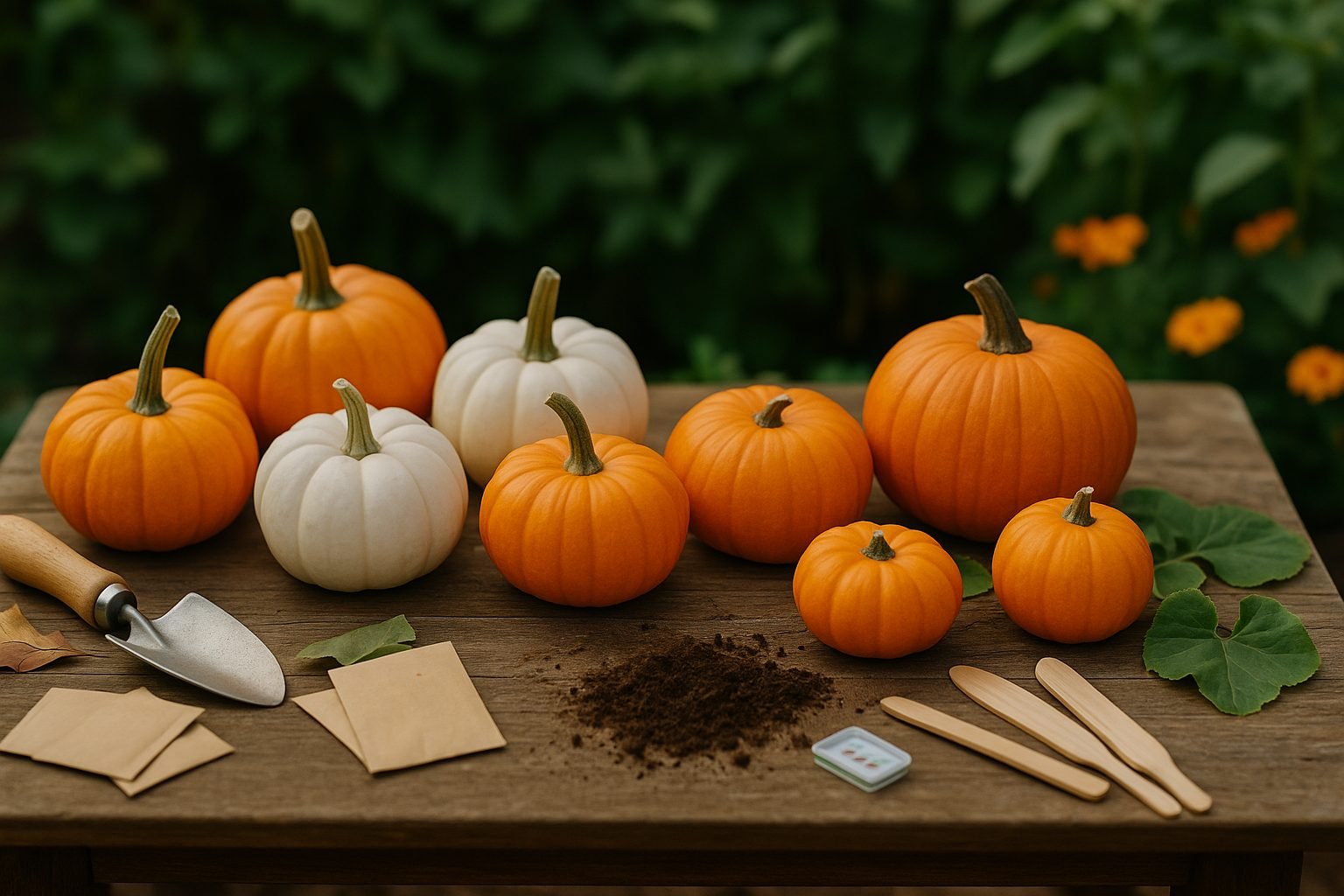
When growing pumpkins in containers, picking the right variety makes all the difference. Traditional large types—like the classic field pumpkin—have sprawling vines and heavy fruit that outgrow most pots, leading to root crowding, weak plants, and disappointing harvests. Instead, opt for compact or mini varieties bred specifically for small spaces.
Favorites such as ‘Jack Be Little’, ‘Baby Boo’, and ‘Sugar Pie’ stay manageable in terms of both vine length and fruit size, making them ideal for patios or balconies. Before choosing, think about the plant’s mature size—dwarf types will spread less and set smaller pumpkins that pots can easily support.
Look for bush or semi-bush growth habits, which means fewer tangling vines to wrestle with and less demand on soil volume. It’s also smart to consider your local climate; some varieties handle heat or cooler nights better than others, so check seed packets or online descriptions for adaptability.
For example, ‘Sugar Pie’ is not only compact but also adapts well to cooler regions, while ‘Jack Be Little’ matures quickly for shorter growing seasons. Always match your container size to the plant’s needs—a 10-gallon pot is usually a minimum for even small varieties—and use high-quality, nutrient-rich soil to give your pumpkin the best start.
With the right variety and care, you’ll enjoy a thriving mini pumpkin patch even in the smallest of spaces.
Selecting the Best Container and Soil
Choosing the right container and soil is the foundation of a thriving plant, especially for container gardening where roots can be easily stressed. Look for containers that are at least 12 inches deep and wide, giving roots plenty of space to spread out—bigger is almost always better if you can manage it.
Materials like terracotta, ceramic, or high-quality plastic are popular choices; terracotta’s porosity helps with airflow but may dry out faster, while plastic holds moisture longer. No matter the material, the most crucial feature is adequate drainage—always ensure pots have several holes at the bottom so excess water can escape, which helps prevent root rot.
For soil, steer clear of plain garden dirt, as it’s usually too dense and may harbor pests. Instead, choose a premium potting mix rich in organic matter like compost or peat moss, which supports healthy root development and provides essential nutrients. Good potting soil should feel light and fluffy, not heavy or compacted.
To give your plants an extra boost, mix in amendments tailored to your needs:
- Vermiculite or perlite to improve aeration and drainage
- A handful of worm castings, slow-release organic fertilizer, or a bit of coconut coir to enhance fertility and help maintain consistent moisture
Remember, healthy roots mean healthy plants, so take the time to set up a well-draining, nutrient-rich base before you plant—that small investment pays off in vigorous growth and bigger harvests down the line.
Planting Pumpkins in Pots: Step-by-Step
Getting your pumpkins started in pots can be both fun and rewarding, but timing is key. For most regions, start pumpkin seeds indoors about two to three weeks before your last expected frost, or plant directly into pots outdoors once nighttime temperatures stay above 50°F (10°C).
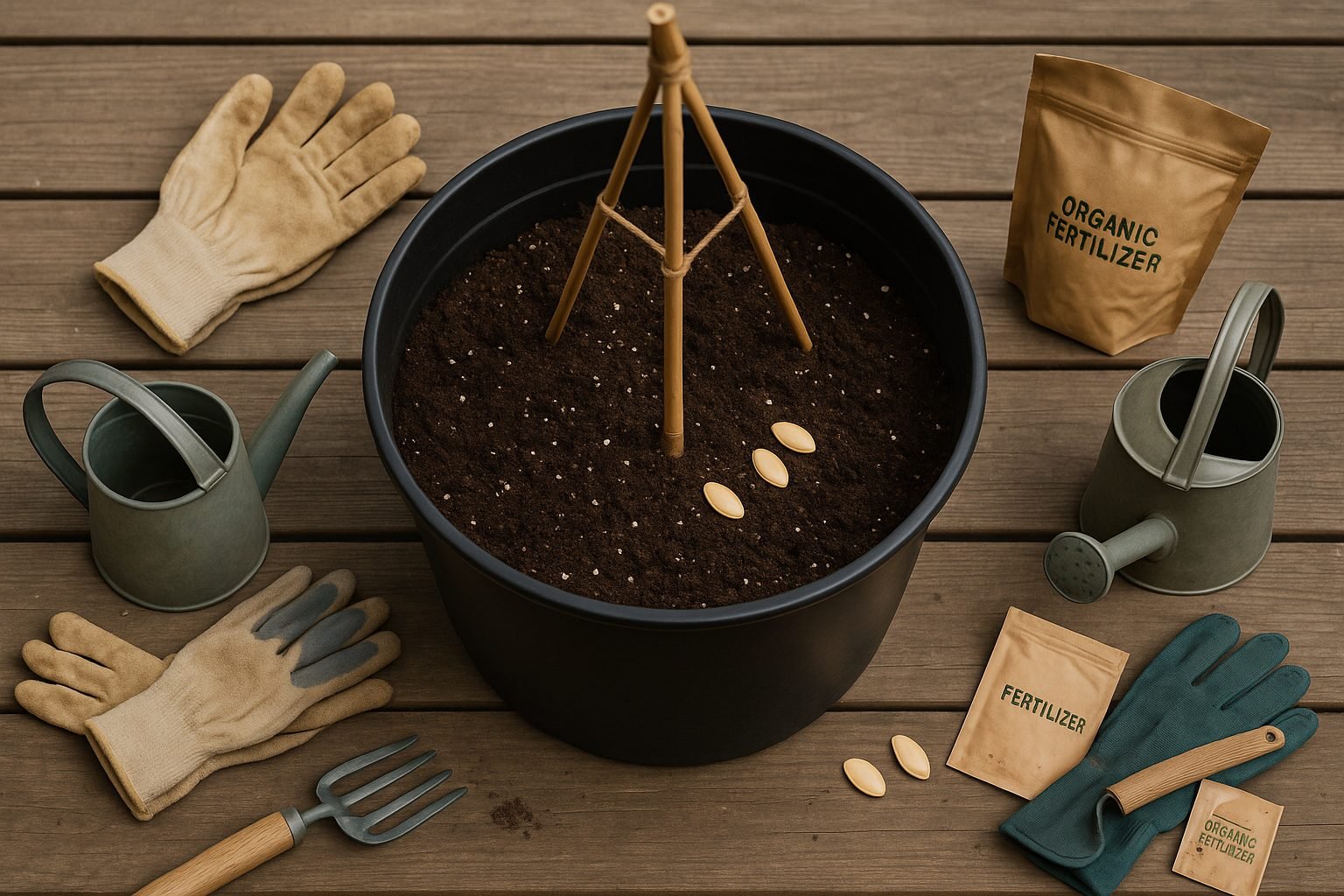
Choose a large container—at least 15 to 20 gallons is ideal for one plant—to give roots plenty of space. Fill your pot with rich, well-draining potting mix, leaving about two inches at the top for easy watering.
To sow seeds, plant them about one inch deep, with two or three seeds spaced evenly in the center of the pot. After the seedlings have two true leaves, thin them out to the strongest single plant. If starting with seedlings, bury the root ball at the same depth it was in its original container.
Give your fresh planting a good soak, keeping the soil moist but not waterlogged—consistent moisture is critical, especially early on.
For vining pumpkin varieties, install a sturdy trellis or support system right when you plant. This could be a bamboo teepee, a wire tomato cage, or even a lattice panel pressed into the container. Training the vines upward saves space, keeps fruit clean, and makes it easier to spot any developing problems.
As your pumpkin grows, gently guide vines onto the support, securing them loosely with soft ties.
With the right start and ongoing attention, container-grown pumpkins will reward you with healthy vines and striking fruits right on your patio or balcony.
Caring for Container-Grown Pumpkins
Caring for container-grown pumpkins takes some attention but is absolutely doable—even on a small patio or balcony. Start with consistent watering: pumpkins need evenly moist soil, especially as the fruits develop. Check the soil daily; when the top inch feels dry, water thoroughly until it drains from the bottom. Overwatering causes yellow, limp leaves, while underwatered pumpkins wilt and the soil pulls away from the container’s edges.
Fertilization is key too. Early on, use a balanced, water-soluble fertilizer every two weeks—something like 10-10-10 NPK—to fuel leafy growth. Once flowers appear, switch to a fertilizer higher in phosphorus and potassium to support robust fruiting.
Watch for container-specific pests and diseases: powdery mildew often appears as white powdery spots on leaves. Spacing containers for airflow and spraying leaves with diluted milk or neem oil helps control it. Vine borers can be a headache; protect stems with aluminum foil wraps or transplant only after the main risk period.
Pruning also helps containers thrive—trim off overly long or crowded vines so energy goes into fruit rather than excess foliage. When vines spill over, gently guide them around the container or trellis them upward to maximize your space.
For bigger, better-formed pumpkins, pinch off surplus flowers and leave just 1–2 fruits per plant; this concentrates the plant’s resources and discourages cracking or misshapen pumpkins. With attention to these simple but impactful care techniques, your container-grown pumpkins can flourish even in limited space, bringing autumn’s magic right to your doorstep.
Companion Planting and Crop Rotation in Pots
Companion planting isn’t just for large gardens—it works wonders in containers, too. By pairing friendly plants together in pots, you can boost harvests, deter pests, and make the most of limited space.
For example, nasturtiums attract aphids away from tomatoes, while marigolds repel nematodes and other harmful bugs. Beans add much-needed nitrogen to the soil, helping lettuce or spinach thrive when grown together. Herbs like basil and chives can also help ward off pests and improve flavor.
However, avoid planting heavy feeders like tomatoes and potatoes in the same pot, as they compete for nutrients. Also, don’t plant crops from the same family year after year (like peppers and eggplants) to prevent disease build-up.
Crop Rotation in Pots
That’s where crop rotation in pots comes in—each year, plant something different from a new family in the soil to break pest and disease cycles. For example, after growing peppers, switch to leafy greens or root veggies the next season.
Consider using a simple label system to track what’s been planted in each pot. Even on a small patio, these smart practices can keep your soil healthy, reduce reliance on chemicals, and ensure abundant veggies and flowers all season long.
Harvesting and Enjoying Your Pumpkins
Knowing when to harvest your pumpkins is key to enjoying the fruits of your container gardening efforts. Look for classic signs of ripeness: the pumpkin’s skin should be hard and deep in color—typically bright orange, but some varieties are white or green—and it shouldn’t dent easily when pressed with a fingernail. The stem will start to dry and turn brown, another good indication your pumpkin is ready.
When harvesting, use sharp garden shears or a knife to cut the stem, leaving about 3-4 inches attached; pulling or twisting can damage the plant or the pumpkin itself. Avoid carrying pumpkins by the stem, as they can snap off and invite rot.
After picking, let your pumpkins cure in a warm, dry place for a week or two—this helps set the skin for better storage.
Using Your Container-Grown Pumpkins
Container-grown pumpkins are just as versatile as their traditional counterparts. Try roasting the flesh for soups or pies, or slice and season them for oven-baked pumpkin fries. They also make great autumn decorations on porches or tables.
Don’t forget to scoop out and rinse the seeds—toss them with a bit of oil and salt for easy roasting, or save a few to plant again next year. Enjoy every bit of your pumpkin harvest!
Conclusion & Next Steps
Growing pumpkins in pots opens up a world of possibilities, especially if you’re working with limited space like a balcony, patio, or small backyard. Container gardening makes it easier to control soil quality, manage pests, and move your plants to catch the best sunlight throughout the day.
Plus, it’s a fun project for gardeners of any skill level, including kids who’ll love tracking their pumpkins’ progress. If you’ve ever thought you couldn’t grow your own pumpkins, container gardening proves otherwise—just pick a suitable variety and give it a try.
Ready to get started? Check out resources like local gardening clubs, online forums, and detailed guides from university extension programs or reputable gardening websites. The more you learn, the more successful and enjoyable your pumpkin-growing journey will be.
Why not plant your first pumpkin in a pot this season and see how rewarding it can be?