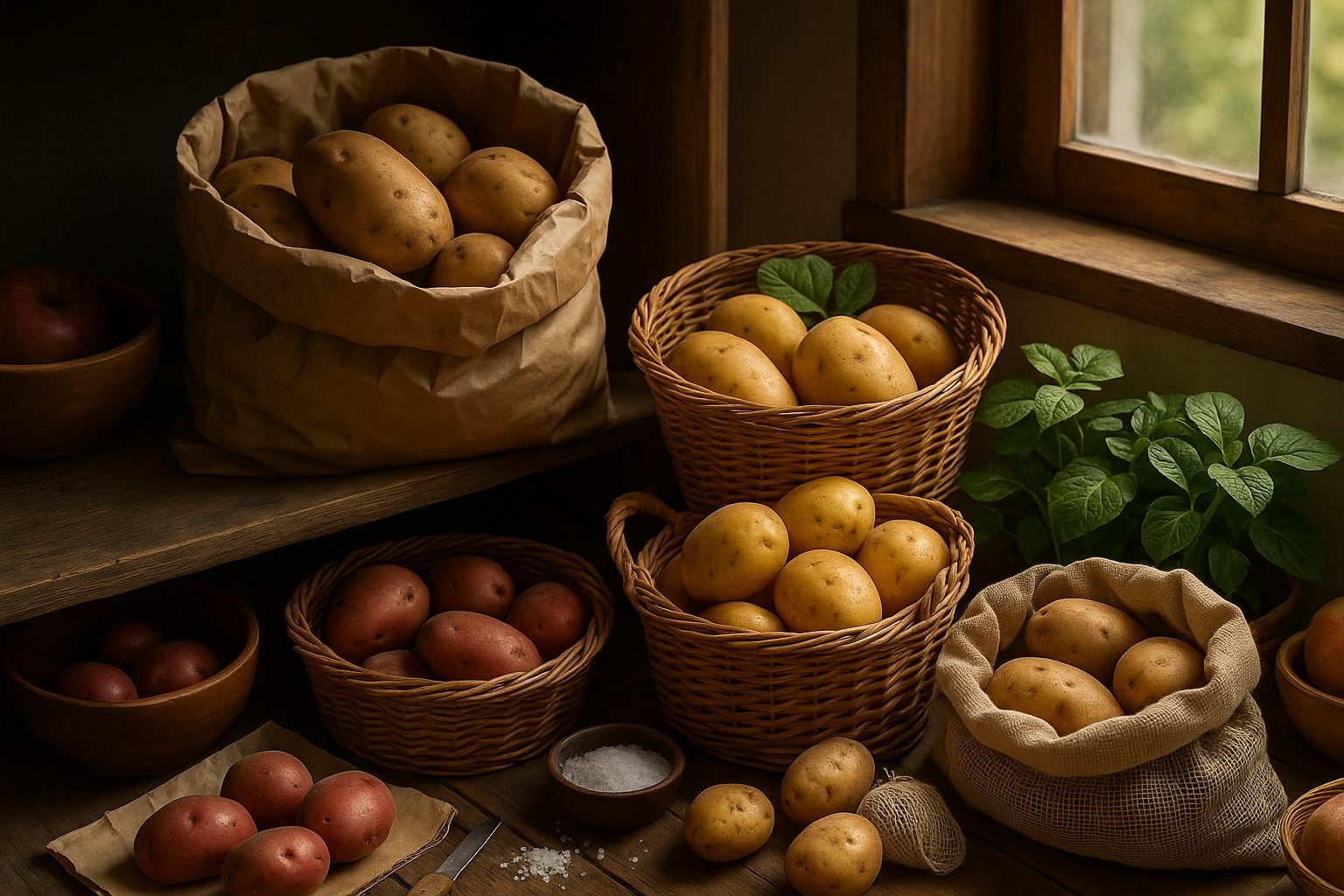
Best Practices for Storing Potatoes
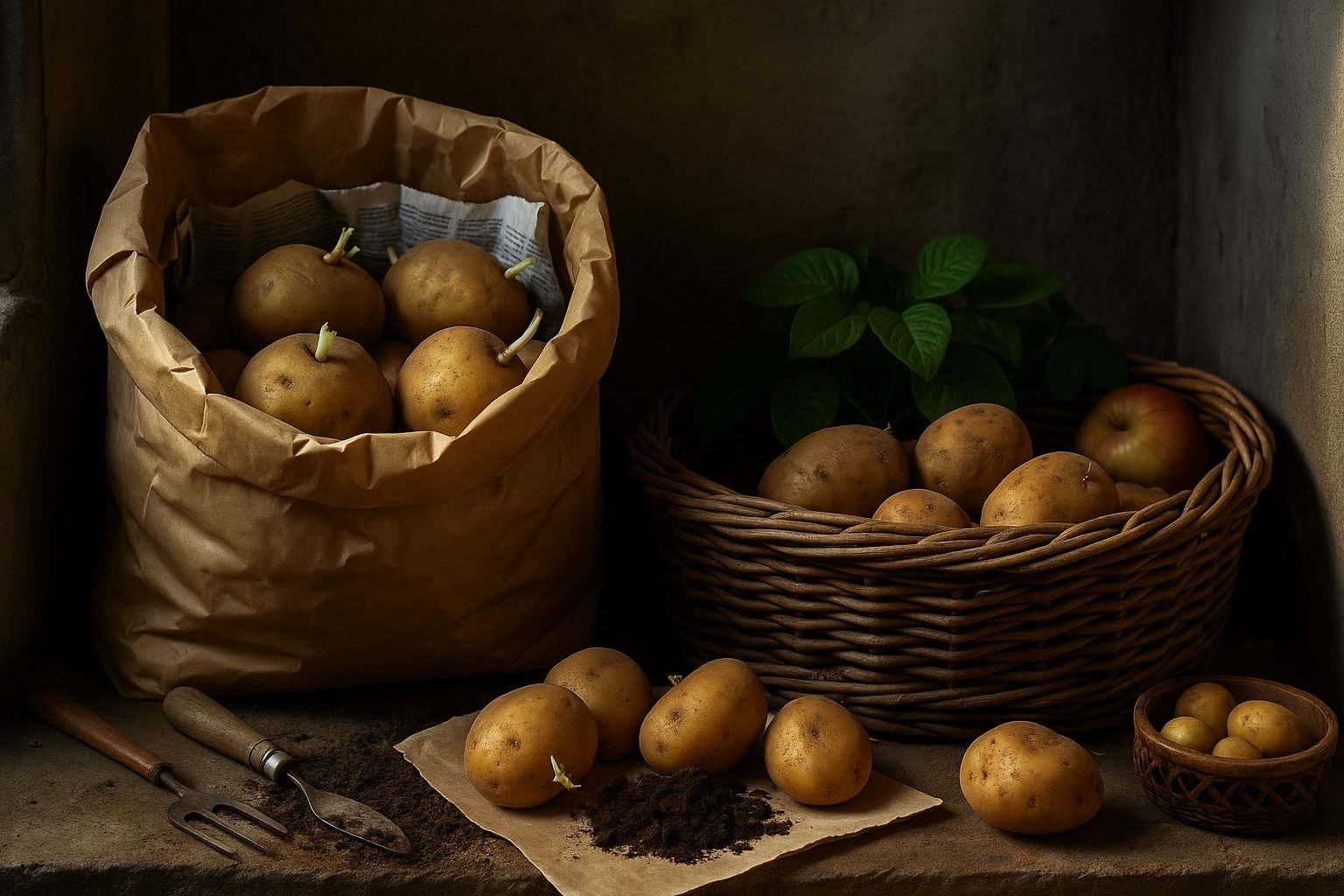
Storing potatoes correctly after harvest is the secret to keeping them delicious and fresh for months—not just weeks. Whether you’ve pulled up a bumper backyard crop or brought home a bag from the farmers’ market, understanding the best practices for storing potatoes can help minimize waste and preserve taste.
Ideal storage relies on three things: cool temperatures (between 45-50°F), high but not wet humidity (85-90%), and, most importantly, keeping potatoes in the dark. When potatoes are exposed to light, they develop green spots and can even produce harmful solanine. Too much warmth can cause them to sprout, while damp conditions might make them rot.
Choosing the Right Storage Location
A cool basement, unheated garage, or a pantry away from heat sources—all these make great home storage locations for potatoes. If space is tight, even a shaded cupboard or a ventilated drawer in your kitchen can work, as long as you avoid places near ovens or in direct sunlight.
Proper Storage Methods
Always remove potatoes from plastic bags, which trap moisture and speed up spoilage. Instead, place them in a breathable container—think paper bags, mesh sacks, or even a basket lined with newspaper—that allows air to circulate. Arrange your potatoes in a single layer, if possible, and check every few weeks to remove any soft or sprouting ones so the rest stay fresh.
Helpful Tips from Gardeners
- Keep potatoes with an apple nearby; the ethylene gas apples emit can help prevent sprouting (just don’t use more than one).
- Always keep potatoes away from onions, which accelerate spoilage.
By using these straightforward tips, your potatoes will stay flavorful and ready for everything from fries to soups all winter long.
Choosing the Right Potatoes for Storage
When it comes to storing potatoes long term, the first step is choosing the right ones at the store or farmers’ market. Look for firm potatoes without soft spots, blemishes, or cuts—any damage can cause them to spoil faster. If possible, pick unwashed potatoes; a thin layer of soil helps retain moisture and prevents rot.
Not all potato varieties store equally well. Classic russet and Yukon Gold potatoes are prized for their thick skins and longer shelf life, often lasting several months in a cool, dark place. Red and new potatoes, however, have thinner skins and higher moisture content, making them more likely to sprout or shrivel—so use these sooner rather than later.
If you have potatoes with blemishes or that are starting to soften, don’t toss them right away. Simply cut away the damaged parts and use the rest promptly in soups, stews, or mashed potatoes, where texture is less noticeable. For potatoes that have started sprouting, remove the sprouts before cooking; they’re safe as long as the flesh is firm and hasn’t turned green.
With these simple tips, you can reduce food waste and enjoy fresh, delicious potatoes throughout the year.
Containers & Methods for Potato Storage
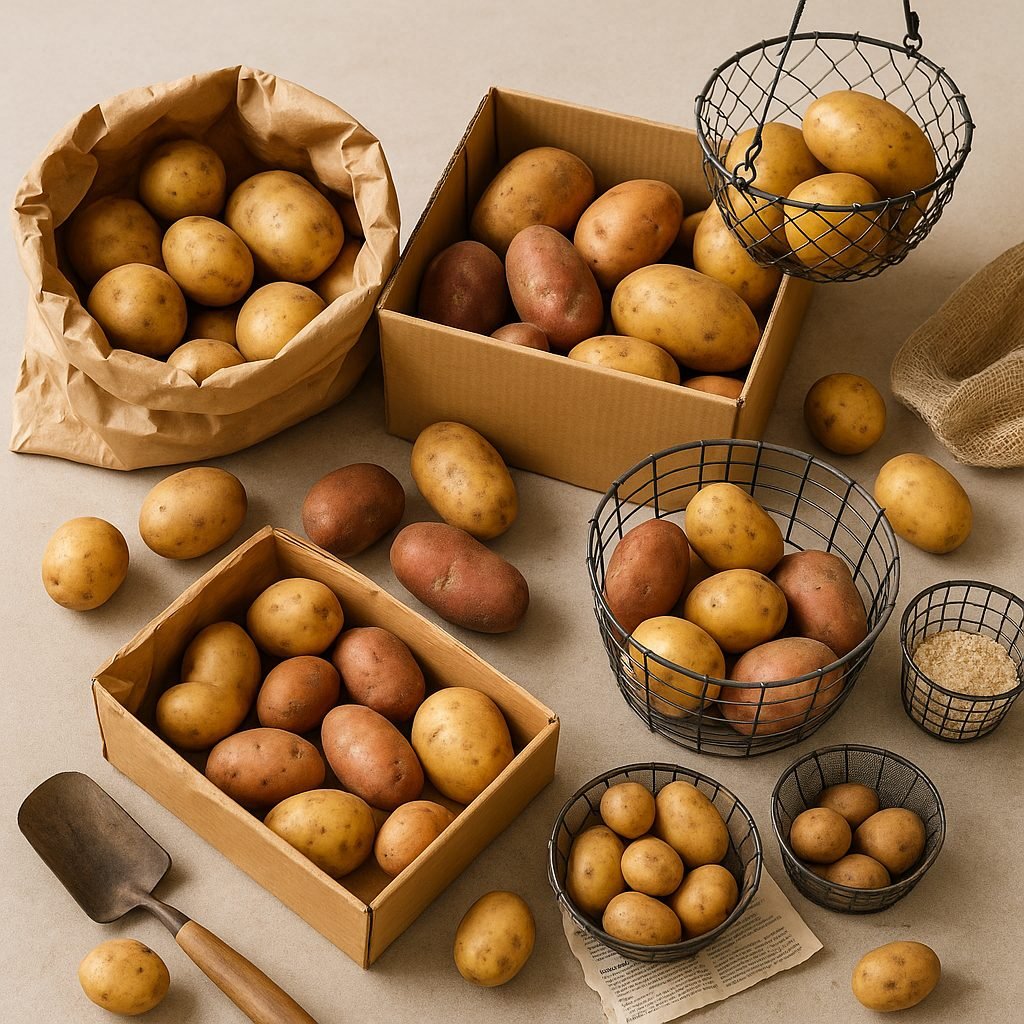
When it comes to storing potatoes, your choice of container can make a big difference in how long they stay fresh. Paper bags are often a top pick—they let potatoes “breathe,” block most light, and absorb some excess moisture to help prevent sprouting or rotting. Cardboard boxes offer similar benefits; they’re easy to stack and provide good airflow, making them great for a larger haul of potatoes.
Baskets, especially those made from wire or wicker, allow maximum air circulation and add a rustic touch to your kitchen. However, keep in mind they won’t block light, so you’ll need a darker spot to keep them in. On the flip side, plastic bags and airtight containers trap moisture and encourage mold or rot, so it’s best to skip these when storing raw potatoes.
For small kitchens, get creative—use a mesh hanging basket to save valuable counter space, or repurpose an old magazine rack or a small drawer lined with newspaper as a potato bin. Even a fabric or jute bag hung on a pantry door can do the trick.
No matter which option you choose, remember that potatoes like a cool, dry, and dark environment, so store them away from your stove, dishwasher, or sunny windows. With a little planning, you can keep your potatoes fresh and ready for weeks, even in tight quarters.
Common Potato Storage Mistakes to Avoid
Storing potatoes incorrectly can seriously shorten their shelf life and lead to early sprouting or spoilage, but a few simple tweaks can make a big difference.
One of the most common mistakes is storing potatoes alongside onions. Both release gases and moisture that cause each other to spoil faster, so always keep them in separate, well-ventilated spots in your pantry.
Another frequent misstep is washing potatoes before storage. While it’s tempting to clean off the dirt right away, moisture left on the skin promotes mold and rot; instead, store them unwashed and gently brush off any excess dirt.
Refrigerating raw potatoes is another habit to avoid—cold temperatures convert potato starch to sugar, which leads to an off flavor, a gritty texture, and excessive browning when cooked.
Rather than placing them in the fridge, keep potatoes in a cool (but not cold), dark place like a cupboard or cellar, ideally in a paper bag or open basket to allow airflow.
If you notice any green spots or early sprouts, simply cut them away before cooking.
By keeping potatoes away from onions, storing them dry and dirty, and avoiding cold storage, you’ll keep your spuds fresher and tastier for much longer.
How to Store Cut or Cooked Potatoes
Storing cut or cooked potatoes properly helps extend their freshness and prevents food waste.
For peeled or cut raw potatoes, always submerge them in a bowl of cold water to stop them from turning brown due to oxidation. You can refrigerate them like this for up to 24 hours. If you plan to keep them longer, change the water, but don’t leave them too long or they’ll lose their texture.
For cooked potatoes—like boiled, roasted, or mashed—let them cool completely before transferring to an airtight container. Refrigerate cooked potatoes for up to 3-4 days for best quality.
Freezing Potatoes
Want to freeze them? Cooked potatoes freeze better than raw ones. Place them in a single layer on a baking sheet until firm, then transfer to freezer bags. Frozen cooked potatoes keep for up to 3 months, though their texture may be softer once thawed.
Reheating Tips
When reheating, use the oven or stovetop for roasted or fried potatoes to keep them crisp. For mashed or boiled potatoes, microwave them with a splash of milk or water to restore moisture. For best results, only reheat the amount you’ll eat and avoid reheating multiple times, as this can affect taste and safety.
Additional Tip
Always label your containers with the date so nothing gets forgotten in the back of the fridge or freezer.
Spotting Bad Potatoes and What to Do with Leftovers
Knowing how to spot bad potatoes can save you from an unpleasant surprise at dinner. Start by checking for sprouting—small, white shoots poking out are a sign your potatoes are aging. If they’re just starting and the potato is still firm, you can simply trim the sprouts and use them. However, if the sprouts are long and the potato feels soft or wrinkled, it’s time to toss it.
Another warning sign is green spots; these indicate the presence of solanine, a substance that can be toxic in large amounts. If you notice just a small patch of green, you can cut it out, but if the potato is very green or tastes bitter, it’s safer to discard it. Don’t ignore an unpleasant odor or mushy texture—these point to spoilage, and that potato should go straight to the compost.
To make the most of your potatoes before they spoil, get creative:
- Dice and freeze them for quick hash browns.
- Whip up a hearty potato soup.
- Slice them thin for oven-crisp chips.
Leftover baked or boiled potatoes can be turned into breakfast hash or savory potato pancakes. By keeping an eye on these signs and using your potatoes in new ways, you’ll waste less and enjoy more delicious meals.