Introduction
Potatoes are a beloved staple in kitchens worldwide, whether mashed, baked, or fried. But have you ever wondered about the curious shoots that sometimes appear on your potatoes, or the leafy greens that sprout from the plant itself? Concerns about potato sprout toxicity are common, especially among home cooks and gardeners who want to ensure their meals are safe for family and friends. If you’ve ever wondered whether those green-tinted sprouts or leaves could be harmful—or even toxic—you’re not alone. There’s a lot of conflicting information out there, making it hard to separate fact from myth. In this article, we’ll take a closer look at the reality of toxicity in potato sprouts and leaves, explore what makes them potentially dangerous, and share tips for spotting and handling potatoes safely in your kitchen. Whether you’re a seasoned chef or just starting out, knowing the risks can help keep your meals delicious and worry-free.
What Makes Potato Leaves and Sprouts Potentially Toxic?
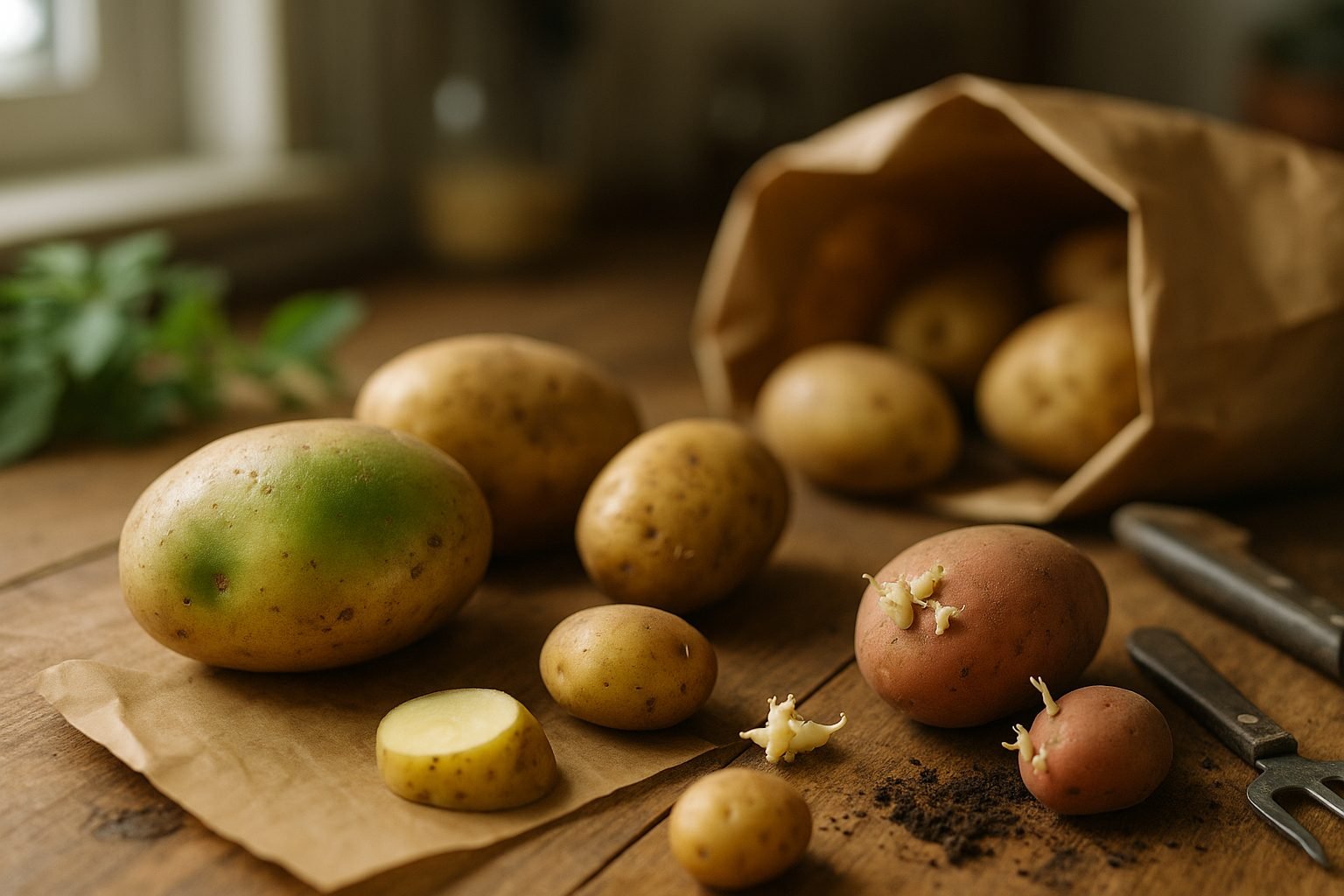
Potato leaves and sprouts are potentially toxic because they contain natural chemicals called glycoalkaloids—mainly solanine and chaconine. These compounds serve as a defense mechanism for the potato plant, protecting it from pests, diseases, and fungi. Glycoalkaloids have a bitter taste and can cause unpleasant or harmful effects in humans and animals when consumed in large amounts.
The levels of these toxins vary throughout the potato plant. The highest concentrations are usually found in the leaves, stems, and especially in the sprouts that grow from stored potatoes. Even the potato skin, particularly if it’s green or has been exposed to light for a long time, can contain elevated levels of glycoalkaloids. For example, green patches on a potato’s surface indicate increased glycoalkaloid production.
While the flesh inside the potato generally has much lower toxin levels, eating any green, sprouted, or leafy parts increases the risk of potato sprout toxicity. Symptoms of glycoalkaloid poisoning include nausea, vomiting, diarrhea, and in more severe cases, neurological issues if larger amounts are ingested.
To reduce this risk, always remove potato sprouts and green skin before cooking, and avoid eating potato leaves or stems entirely. Storing potatoes in a cool, dark place is a simple way to prevent sprouting and the buildup of these natural toxins.
Are Potato Leaves Edible or Dangerous?
Potato leaves, despite being part of a common kitchen staple, are definitely not safe to eat. They contain high levels of glycoalkaloids—especially solanine and chaconine—which are natural compounds toxic to humans. There have been multiple cases throughout history linked to poisoning from consuming potato leaves or using them in herbal remedies.
Symptoms of potato sprout toxicity and glycoalkaloid poisoning can range from mild nausea, vomiting, and diarrhea to severe effects like hallucinations, paralysis, or even death in extreme cases. For example, in the 19th century, families in Europe facing food shortages ate potato leaves and suffered fatal consequences.
The common belief that all leafy greens are safe often leads to accidental poisoning, but potatoes belong to the nightshade family—a group that includes other toxic plants like deadly nightshade (belladonna). Unlike some nightshades such as tomatoes, whose leaves are generally avoided but less harmful, potato leaves are especially dangerous.
It’s crucial not to confuse potato leaves with the tubers, which are safe when properly cooked and stored. If someone accidentally eats potato leaves or sprouts, they may experience a burning throat, abdominal pain, and neurological symptoms within hours, all of which require immediate medical attention.
To stay safe, always discard the leaves and sprouts when preparing potatoes. Educating children and foragers about potato sprout toxicity can help prevent dangerous mix-ups, as even small amounts of these leaves can cause serious health issues due to their high glycoalkaloid content.
Sprouted Potatoes: When Are They Unsafe to Eat?
When potatoes start to sprout, you’ll notice small white or green shoots emerging from their eyes. The potato’s skin may also turn green, indicating exposure to light and an increase in the chemicals solanine and chaconine—both glycoalkaloids. These naturally occurring toxins protect potatoes from pests and diseases but can be harmful to humans if consumed in large amounts. The sprouts, along with any green skin or flesh, contain especially high concentrations of glycoalkaloids, leading to what’s known as potato sprout toxicity.
Accidentally eating small amounts usually causes mild symptoms like an upset stomach. However, higher doses can trigger more serious effects such as nausea, vomiting, headaches, or, in rare cases, neurological issues.
To stay safe, always check stored potatoes before using them. If you find minor sprouting but the potato is still firm and has no significant green areas, you can cut out the sprouts and any green parts with a sharp knife before cooking. However, if the potato is soft, shriveled, emits a bitter odor, or has extensive green discoloration—even after trimming—it’s best to discard it. The same advice applies to potatoes with large, clustered sprouts or severe wrinkling, as these often indicate interior spoilage.
Store your potatoes in a cool, dark, and dry place to slow down sprouting, and try to use them within a few weeks of purchase for the best safety and flavor.
Symptoms of Potato Plant Poisoning: What to Watch For
Potato sprout toxicity can cause a range of uncomfortable and sometimes serious symptoms, so recognizing them early is important for your safety. Common signs of poisoning after ingesting potato leaves or sprouts include nausea, vomiting, abdominal cramps, and diarrhea. Some people might also experience a bitter or burning sensation in the mouth, headaches, or dizziness.
In more severe cases, symptoms may progress to confusion, hallucinations, slurred speech, fever, or difficulty breathing. Children and pets are especially vulnerable due to their smaller body sizes, making even small amounts of the toxic compounds potentially dangerous.
If you or someone you know—especially a child or pet—shows severe symptoms like persistent vomiting, difficulty breathing, severe abdominal pain, muscle weakness, or signs of confusion after possible potato plant exposure, seek medical attention immediately. Always keep potatoes and discarded plant material out of reach of curious children and animals.
Acting quickly can be the difference between a mild case and a potentially life-threatening emergency. When in doubt, consult a healthcare provider or contact the nearest poison control center.
Safe Cooking and Storage Tips to Avoid Potato Sprout Toxicity
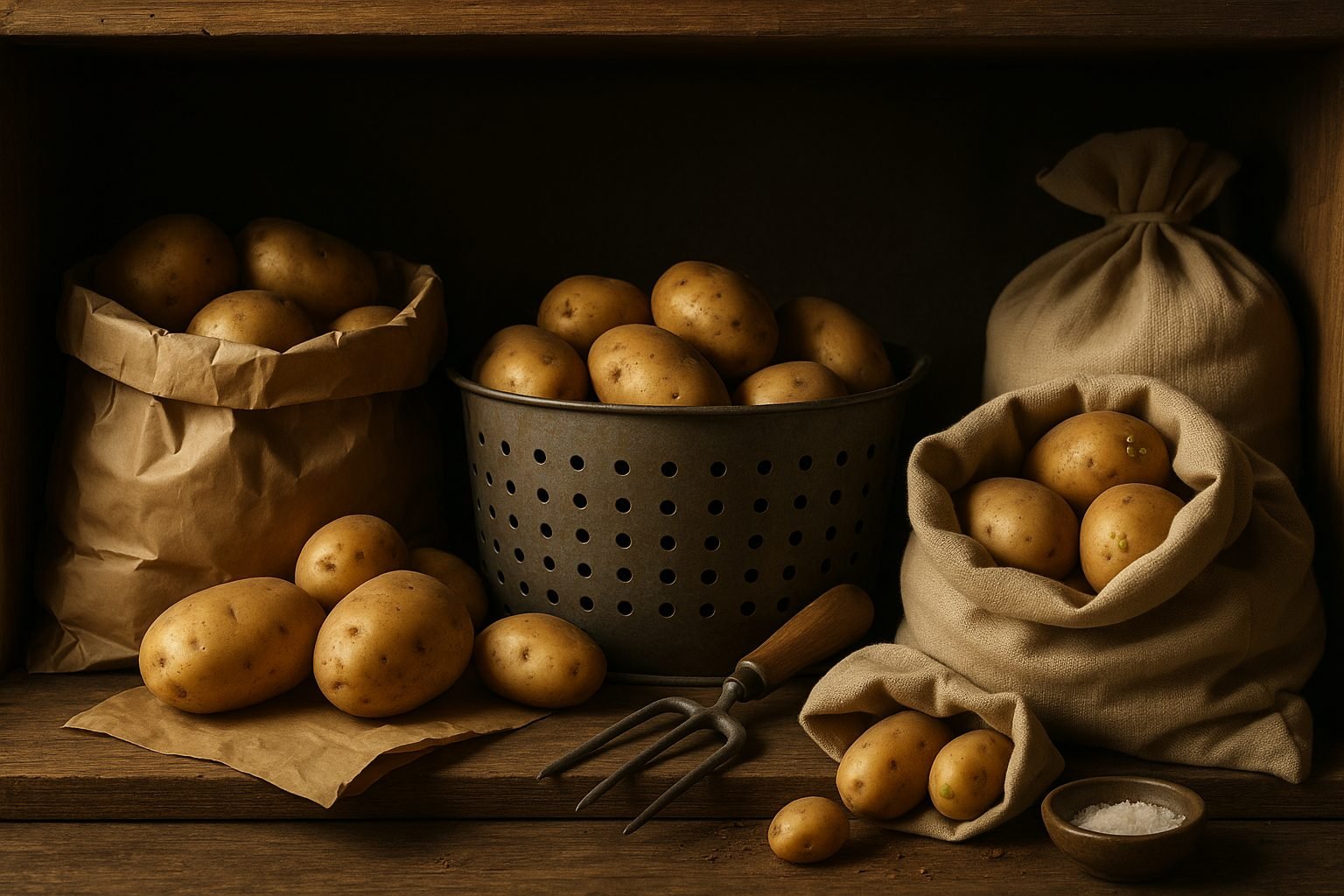
To minimize potato sprout toxicity, proper storage is essential. Always keep potatoes in a cool, dark, and well-ventilated area—like a pantry or cellar with temperatures between 45°F and 55°F. Exposure to light and warmth encourages sprouting and causes the skin to turn green, so avoid storing potatoes on kitchen counters or open shelves.
Using a breathable bag, such as paper or mesh, helps prevent moisture buildup and mold. When preparing potatoes, inspect each one carefully. Cut away any visible sprouts or green patches, as these areas contain solanine, a toxic compound. Use a paring knife to remove sprouts at the base and peel off all green parts, discarding them instead of composting, since the toxins can persist and harm garden wildlife.
If a potato feels soft, shriveled, excessively green, or tastes bitter even after trimming, it’s safest to discard it entirely. Never eat raw or undercooked sprouted or green potatoes. By following these simple storage and preparation tips, you can safely enjoy your potatoes and avoid the risks of potato sprout toxicity in your kitchen.
Conclusion: The Bottom Line on Potato Plant Safety
Potato sprout toxicity is a genuine concern because both the leaves and sprouts of potatoes contain high levels of solanine and other glycoalkaloids, which can be harmful if ingested. Consuming even small amounts of potato sprouts, green spots on the potato skin, or any part of the potato plant other than the tuber can cause symptoms such as stomach cramps, nausea, and, in severe cases, neurological issues.
To stay safe, always store potatoes in a cool, dark place to prevent sprouting. Be sure to cut away any sprouts or green areas before cooking. Never eat potato leaves or raw sprouts, and discard any potatoes that taste bitter or appear unusually green.
If you’re ever unsure whether a potato is safe to eat, it’s best to err on the side of caution and consult a medical professional or local agriculture expert. Your health and safety should always come first when handling and preparing potatoes.