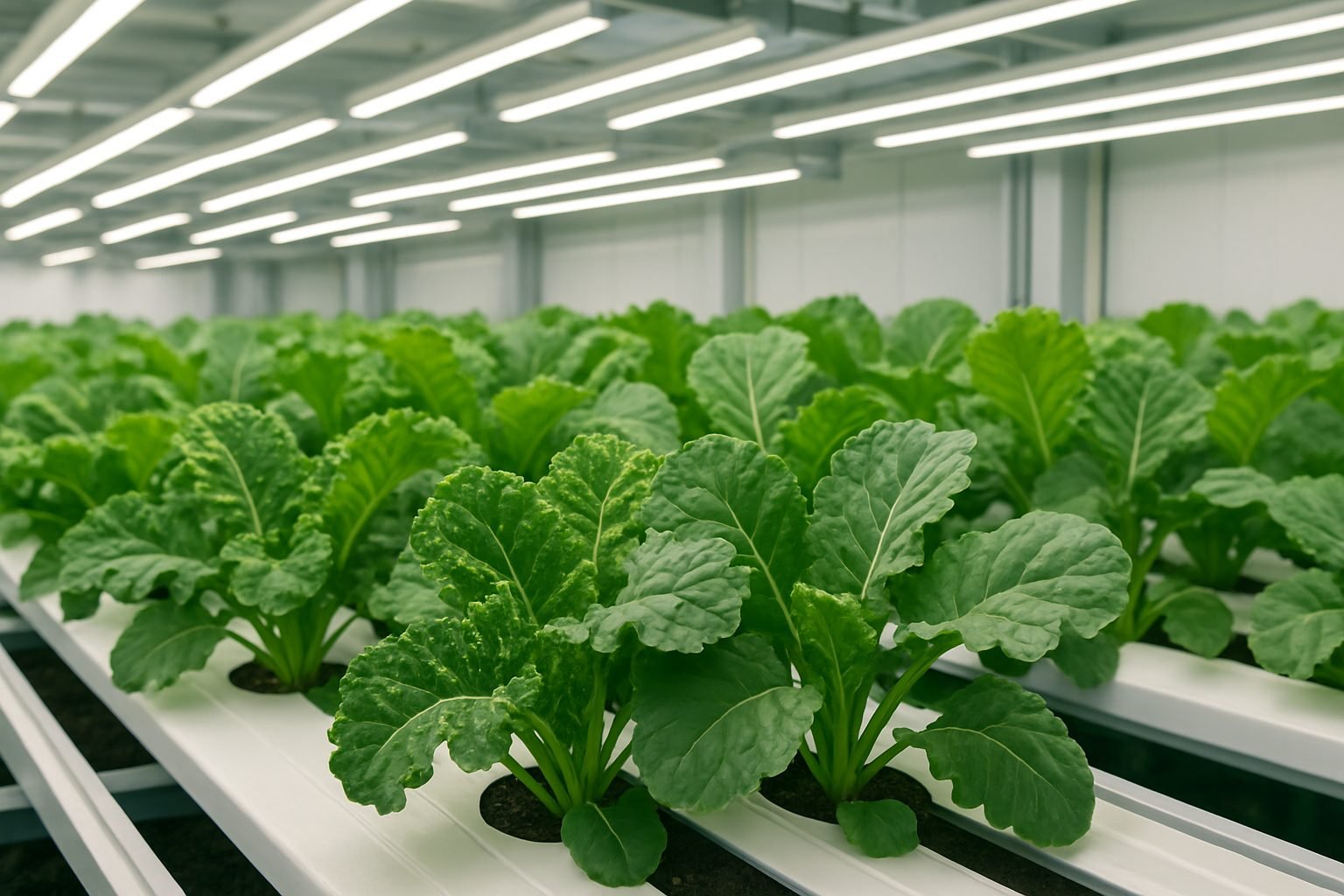
Why Grow Hydroponic Kale?
Hydroponic kale has quickly become a favorite among nutrition enthusiasts and gardeners alike, thanks to its vibrant green leaves packed with vitamins, minerals, and antioxidants. Unlike traditional soil gardening, growing kale hydroponically offers unique benefits that appeal to both home gardeners seeking fresh greens and commercial growers aiming for efficiency.
Hydroponic systems allow for faster growth rates, making it possible to harvest crisp, flavorful kale in as little as a few weeks. They also require significantly less space—perfect for urban dwellers or anyone with limited room to spare. Because there’s no soil, the risk of soil-borne pests and contaminants is virtually eliminated, resulting in cleaner, healthier produce.
Perhaps one of the most exciting perks: hydroponic kale thrives indoors year-round, providing a steady supply of nutritious greens regardless of the season. With these advantages, it’s easy to see why hydroponic kale is growing in popularity in kitchens and markets everywhere.
Setting Up Your Hydroponic System for Kale
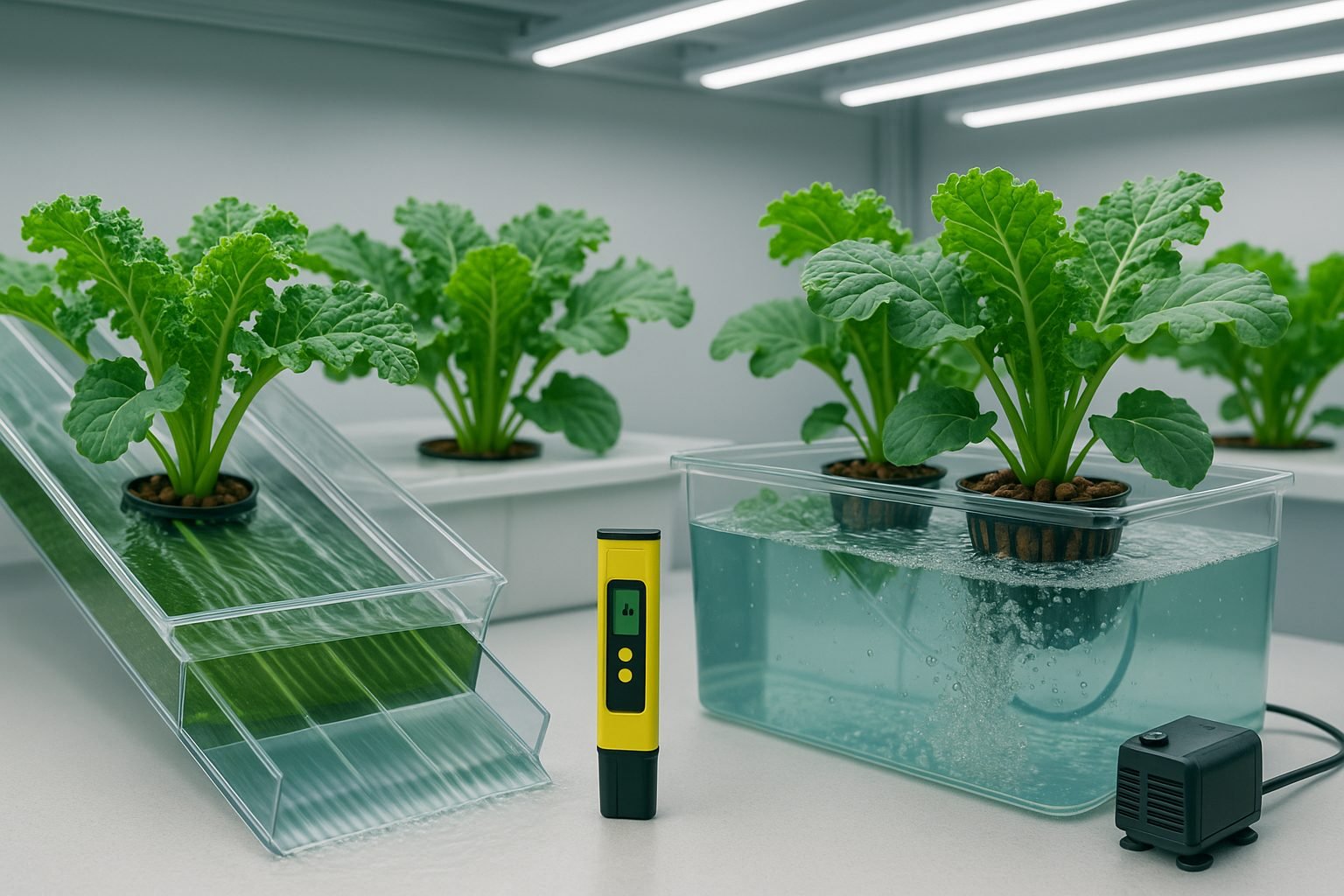
When starting hydroponic kale, two beginner-friendly systems stand out: the Nutrient Film Technique (NFT) and Deep Water Culture (DWC). NFT uses sloped channels where a thin film of nutrient-rich water flows over the roots, making it ideal for shallow-rooted kale. DWC suspends plant roots directly in an oxygenated nutrient solution, which also works well for fast-growing leafy greens like kale.
To set up either system, begin by assembling your chosen structure and positioning sturdy reservoirs to hold water and nutrients. Prepare a balanced hydroponic nutrient solution specifically formulated for leafy greens, and use a pH meter to adjust the water to a range of 5.5 to 6.5; this is critical for nutrient uptake.
Install full-spectrum LED grow lights above your kale if you’re growing indoors, aiming for 14–16 hours of light per day. Use an efficient water pump for NFT to keep the solution circulating or an air pump and air stone for DWC to ensure roots stay well-aerated.
Keep your system clean with fresh water changes weekly to prevent disease and salt buildup. Check water levels, pH, and lights daily to catch any issues early. With this careful setup and routine monitoring, even beginners can enjoy a thriving harvest of hydroponic kale.
Step-by-Step Guide to Growing Hydroponic Kale
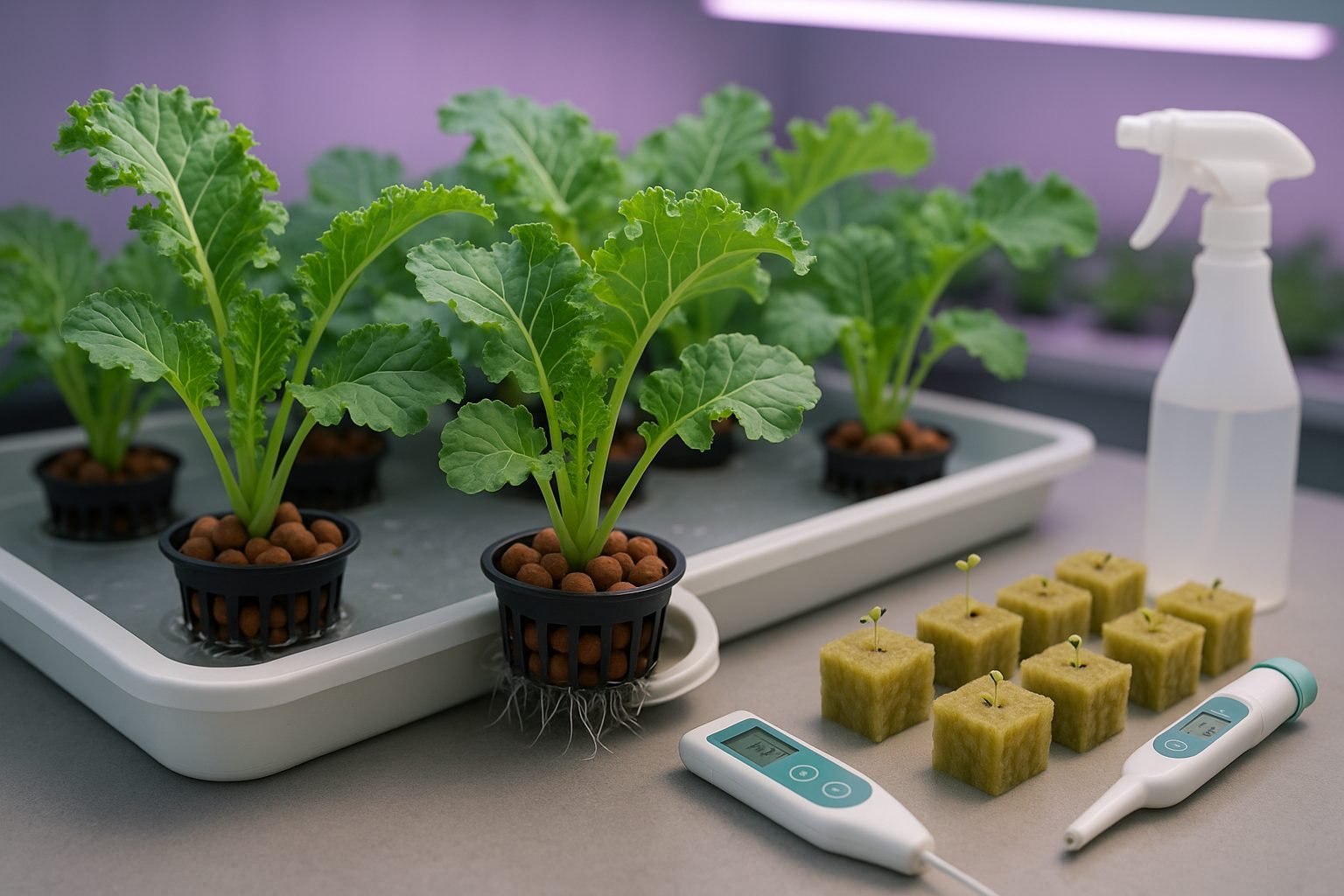
Starting your hydroponic kale garden begins with thoughtful seed selection; opt for varieties labeled as tender, dwarf, or fast-growing for the best results in soilless setups. Begin germinating seeds in rockwool cubes or seed starter plugs—moisten lightly and place in a warm, dark area to encourage sprouting.
Once seedlings develop two to three true leaves (usually 10–14 days), you’re ready to transplant them into your hydroponic system. Carefully insert the seedlings into net pots filled with clay pellets or another inert medium, spacing each plant 8–12 inches apart to allow airflow and healthy development.
Maintain the water temperature between 65–75°F; temperatures outside this range can slow growth or invite disease. Check your system’s pH frequently, aiming for a sweet spot of 6.0 to 7.5, as kale is sensitive to imbalances that can block nutrient uptake.
Light is crucial—provide 12–16 hours daily using full-spectrum LED grow lights or position your system near a sunny window if possible.
Feed your kale a balanced hydroponic nutrient solution with adequate nitrogen, calcium, and magnesium, making small weekly adjustments based on plant growth and manufacturer instructions; too little can stunt growth, while too much may burn roots.
Watch for signs of nutrient deficiencies such as yellowing leaves (often nitrogen-related) or purpling (possibly due to phosphorus shortage) and adjust your mix accordingly.
Root rot is a common enemy—keep water well-oxygenated using air stones and avoid excess organic material in your reservoir.
Lastly, check your kale regularly for pests like aphids or spider mites, as well as signs of powdery mildew. Early spotting and intervention—like pruning affected leaves or using hydroponic-safe pest sprays—can help keep your kale lush and healthy from seedling to harvest.
Daily Care and Maintenance Tips
Caring for your hydroponic system each day doesn’t have to be overwhelming, but a consistent routine can make all the difference.
Start by checking your nutrient solution’s concentration—use a TDS (total dissolved solids) or EC (electrical conductivity) meter to ensure your plants are getting the right balance; too strong or too weak can stress your plants. It’s also important to monitor and adjust pH levels daily, aiming for a range that fits your specific crops (generally between 5.5 and 6.5).
Check the water reservoir to ensure it’s topped up; low water levels can quickly lead to root damage or dehydration.
Each morning, take a few minutes to prune older or yellowing leaves, as these can harbor disease and sap energy from healthy growth.
Good airflow is essential—if you notice stagnant air or condensation, consider repositioning fans or increasing ventilation to prevent fungal outbreaks.
Keep a close eye on your plants for early warning signs of trouble like wilting, faded leaves, or slowed growth. If you spot any, act quickly: adjust nutrients and water, check for pests, and trim damaged foliage.
These simple daily habits help create a stable, stress-free environment where plants can thrive from seedling to harvest.
Harvesting Hydroponic Kale for Maximum Yield
To maximize your hydroponic kale yield, gently pick the outer leaves when they reach about 6–8 inches long, leaving the inner leaves and growing tip undisturbed. This method allows the plant to keep producing new foliage, giving you a steady supply instead of a one-time harvest.
Regularly prune older leaves and remove any yellowing or damaged ones to keep plants healthy and prevent disease. Be sure to monitor your nutrient solution—kale thrives on a well-balanced mix, so check pH levels and replenish nutrients as needed to maintain ongoing vigor.
If you’re interested in saving seeds, let a few healthy plants bolt and flower. Once seed pods turn brown and dry, carefully collect them and store in a cool, dry place. This way, you can use your own seeds for the next planting cycle, ensuring both sustainability and continual harvests for seasons to come.
Health and Environmental Benefits of Hydroponic Kale
Kale has earned its superfood status thanks to its impressive nutritional profile—it’s packed with vitamins A, C, and K, delivers a strong dose of antioxidants that help combat inflammation, and is an excellent source of dietary fiber for digestion and heart health.
Growing kale hydroponically brings even more benefits, especially for the planet: this method slashes water usage by up to 90% compared to traditional soil farming and requires far less land, making it ideal for urban settings or small spaces. Plus, some hydroponic systems can be powered with renewable energy, even capturing carbon for a near carbon-negative operation.
By choosing to grow kale hydroponically at home, you’re not just boosting your own health with fresher, more nutrient-rich greens—you’re also making a small but meaningful shift toward a more sustainable future. Give it a try and see how easy healthy, eco-friendly eating can be!