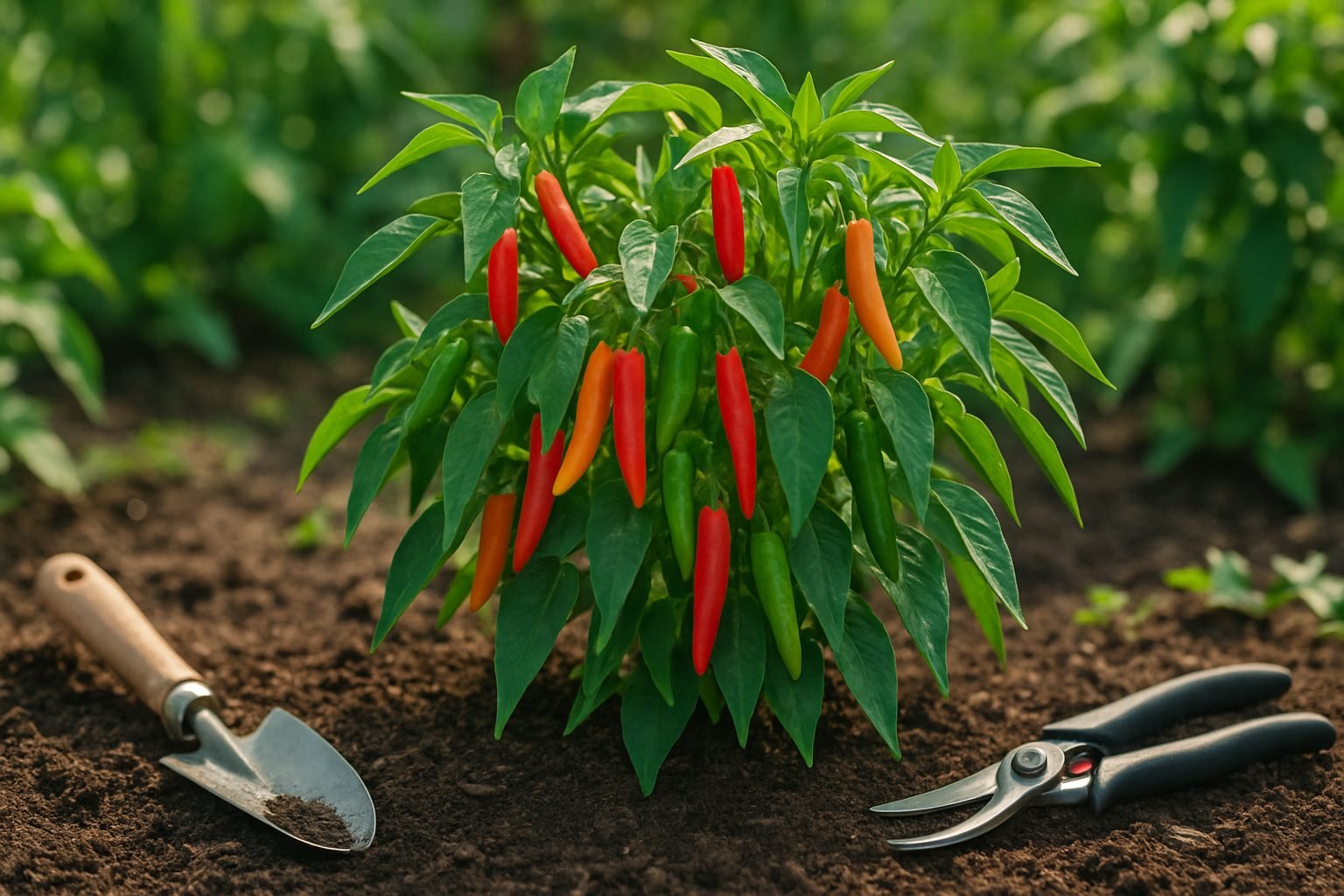
Introduction
Hot peppers, with their bold flavors and fiery heat, are favorites in gardens and kitchens worldwide. Yet despite their popularity, hot pepper mistakes can turn a promising harvest into a disappointing—or even painful—experience. Whether you’re a seasoned gardener or a first-time grower, understanding how to properly care for and handle these spicy plants is key—not only for strong, productive plants but also for keeping your kitchen adventures safe and enjoyable.
Many growers underestimate how quickly things can go wrong, from overwatering and insufficient sunlight to neglecting to wear gloves when slicing jalapeños. In this post, we’ll explore the most common hot pepper mistakes to avoid, sharing practical tips so you can enjoy bountiful harvests and flavorful dishes without any unwelcome surprises. Get ready to grow—and cook—with confidence!
Choosing the Right Chili Pepper Variety
Picking the right chili pepper variety makes all the difference, whether you’re growing in your backyard or planning recipes in your kitchen. Start by considering your local climate—hot peppers like jalapeños and habaneros need plenty of sun and warmth, while milder types like Anaheim or bell peppers can handle cooler temperatures.
Next, think about how you’ll use your harvest. For fresh salads, sweet varieties like banana peppers add crunch without overwhelming heat. If spicy sauces are your thing, look for serranos or Thai chilies for that fiery kick.
Spice tolerance is key—some peppers, such as ghost peppers or Carolina reapers, pack extreme heat that can be too intense for many people. Match your selection to your palate to avoid surprises.
Beyond heat, each variety offers unique flavors, from the fruity undertones of habanero to the smoky richness of chipotle. Growth habits matter, too: some plants stay compact, perfect for containers, while others like cayenne can become tall and bushy in a garden bed.
To make informed choices, always research reputable seed suppliers, read reviews, and pay close attention to plant labels for details on days to maturity, heat ratings (like the Scoville scale), and space requirements. Don’t hesitate to ask local nurseries for advice—they’ll often know which peppers thrive best in your area.
By matching variety to climate, taste, and growing space, you’ll set yourself up for a bountiful, flavorful chili harvest.
Mistake #1: Planting and Growing Errors
One of the most common mistakes gardeners make is starting seeds too early, thinking a head start will speed up results. Seeds sown before indoor light levels and outdoor soil temperatures are adequate can become leggy or fail to thrive, so it’s best to wait until conditions are right.
Another pitfall is using containers that are too small or lack drainage holes—plants need room for roots to spread, and excess water that can’t escape will drown them. Soil preparation is often overlooked, but mixing in compost and loosening the dirt before planting ensures roots get essential nutrients and oxygen.
Crowding plants together can encourage disease by stifling airflow; instead, follow spacing guidelines to give each seedling enough room to grow healthy and strong. Choosing a sunny spot is crucial, as most vegetables and flowers require at least six hours of full sun each day.
Mulching around your plants offers several benefits: it locks in moisture, keeps soil temperatures steady, and helps control weeds. However, transplanting seedlings outdoors too soon, or when the ground is still wet, can shock young plants or compact the soil, stunting their development.
If you’re eager to get started, try hardening off seedlings by placing them outdoors for a week in sheltered conditions before transplanting them into warm, dry soil. By paying attention to container size, soil health, sunlight, appropriate timing, and careful transplanting—and by using mulch as a protective layer—you set your garden up for strong, resilient growth all season long.
Mistake #2: Watering and Soil Management
Overwatering and underwatering are common pitfalls that can seriously affect the health of your chili pepper plants. Overwatering suffocates roots and leads to issues like yellowing leaves, root rot, and fungal diseases. On the other hand, underwatered peppers may droop, wilt, and develop dry, crispy leaves.
The key is striking the right balance—chili peppers prefer soil that is moist but never soggy. If you notice yellowing leaves while the soil feels constantly wet, reduce your watering frequency and ensure your pot or garden bed has plenty of drainage holes. If the leaves are limp and the soil feels dry a couple of inches below the surface, it’s time to water thoroughly.
Here’s an easy check: stick your finger into the soil up to the second knuckle—if it comes out dry, water; if it’s damp, wait another day.
Poorly draining soils can worsen these issues regardless of your watering habits. To keep the soil loose and airy, mix in organic matter like compost or coconut coir. For chili peppers, aim for a well-draining potting mix. If the soil compacts or retains too much water, consider adding perlite or sand.
Mulching around the base with straw or leaf mold can also help maintain steady moisture levels without causing waterlogging. By tuning into what your chili plants are telling you and ensuring your soil conditions support healthy roots, you can prevent many common watering mistakes before they start.
Mistake #3: Handling and Harvesting Peppers
Harvesting peppers at the right time is crucial for getting the best flavor and texture from your crop. Picking them too early can result in a bitter taste and lack of sweetness, while waiting too long may cause them to become soft, overripe, and spoil quickly.
As a general rule, check the seed packet or plant label for the ideal color and size—most peppers turn bright and glossy when they’re ready. For hot peppers, always wear gloves when harvesting, since their oils can irritate your skin and cause intense burning if you accidentally touch your eyes.
Use garden shears or sharp scissors to snip the stem about half an inch above the fruit; avoid twisting or pulling, which can damage the plant and reduce future yields. Handle the plants gently to prevent breaking branches, especially when they’re loaded with fruit.
With careful timing and gentle hands, you’ll keep your pepper plants healthy and enjoy a flavorful harvest all season.
Mistake #4: Kitchen Preparation and Cooking Blunders
One common mistake when preparing peppers for stuffing is neglecting to taste-test them beforehand—this quick step can prevent biting into a pepper that’s unexpectedly fiery or bland. If you’re roasting peppers, don’t forget to peel them after charring; the skin can be tough and ruin the silky, tender texture that makes stuffed peppers so delicious.
Another misstep is failing to remove the seeds and pith. Both parts hold most of the pepper’s heat and bitterness, so taking the time to scoop them out not only tames the spice level but also leaves a smoother, more flavorful result.
When stuffing and cooking peppers, be mindful not to underbake, which leaves them hard and tough, or overbake, which turns them mushy and shapeless—aim for just-tender shells that hold their shape but yield easily to a fork.
Always use gloves or wash your hands thoroughly after handling peppers, especially hot varieties, to prevent accidental irritation when you touch your eyes or face. Use a sharp knife for clean, controlled cuts, and if you want to reduce heat, rinse the insides under cold water after removing seeds and pith.
With these simple prep and cooking adjustments, your stuffed peppers will come out consistently tasty and perfectly tender every time.
Preventing Common Pests and Diseases
Chili peppers, while rewarding to grow, are susceptible to several common pests and diseases that can quickly ruin your harvest if not addressed promptly.
Aphids, for example, are tiny green or black insects that cluster on new growth and suck plant juices, causing curled or yellowing leaves. Spider mites, which look like tiny red or brown dots and leave fine webs, can cause leaf stippling and eventually lead to plant death if ignored. Fungal diseases like powdery mildew or root rot often appear as white powdery patches or wilting despite moist soil.
To keep pests at bay, inspect your plants regularly—turn over leaves and look for sticky residue or visible insects. Washing plants with a strong spray of water can dislodge many pests, while introducing natural predators like ladybugs helps balance populations organically.
For fungal issues, ensure good air circulation by spacing plants correctly and avoid overhead watering to keep foliage dry. Mulch with straw or grass clippings to maintain soil moisture and block weeds without harboring pests.
Rotate crops each season to prevent soil-borne diseases and replenish nutrients, and always remove weeds and fallen debris where pests or spores can lurk.
Using neem oil or insecticidal soap can offer an organic, chemical-free solution for minor infestations if applied early. But remember, prevention—through healthy soil, attentive care, and vigilance—is your best defense throughout the growing season.
Conclusion
Avoiding common mistakes like overwatering, using poor soil, or skipping regular harvesting helps your chili pepper plants stay vibrant and productive, providing flavorful peppers for your favorite dishes. Taking the time to care for your plants properly pays off with healthier growth and better taste in the kitchen.
Start applying these tips in your garden, and you’ll soon notice the difference in both plant health and harvest quality. Have you tried growing chili peppers or discovered a favorite variety? Share your experiences or tips in the comments—your insights might help fellow chili enthusiasts succeed too!