Introduction
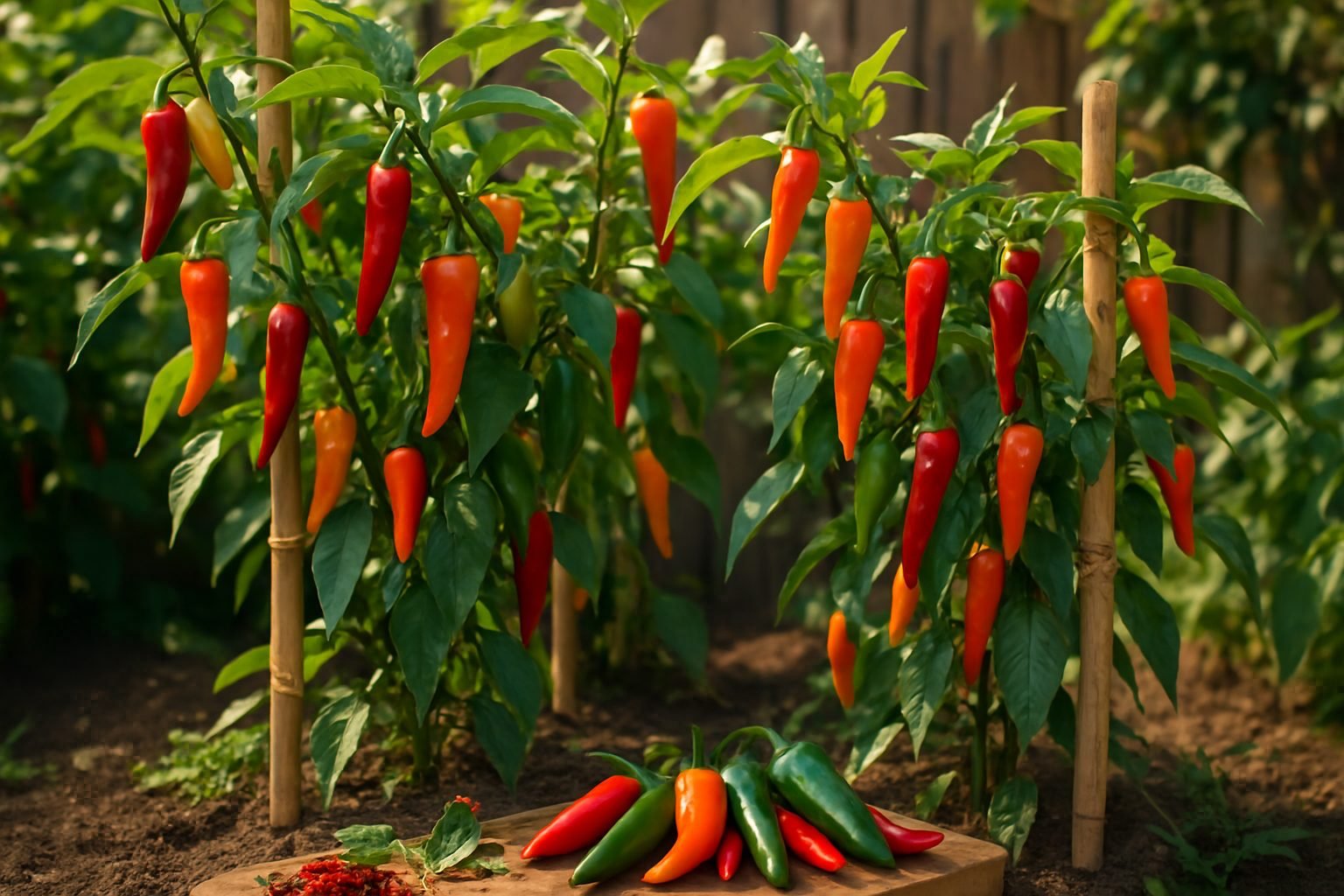
For passionate home gardeners and spicy food lovers alike, few things are as rewarding as nurturing a bountiful crop of hot peppers. But as your harvest flourishes, supporting hot peppers—especially tall, heavy-fruited varieties—quickly becomes a key concern. Hot peppers are prized for their vibrant heat, flavor, and versatility in the kitchen, making them a popular choice in gardens large and small.
However, handling the challenges of super-hot chili plants—everything from drooping stems to overloaded branches—can put even seasoned growers to the test. Left unsupported, tall pepper plants risk snapping under the weight of their own fiery bounty. But don’t let that discourage you!
This article will explore tried-and-true methods for supporting hot pepper plants—ranging from the best staking techniques to smart trellising ideas, and even a few quick fixes using common household items. You’ll learn when to stake your peppers, how to tie them without damage, and what common mistakes to avoid. By the end, you’ll be ready to enjoy larger, healthier yields and an even spicier harvest, with practical tips you can use whether you’re caring for a backyard garden or a few potted peppers on your patio.
Safe Handling and Preparation Tips
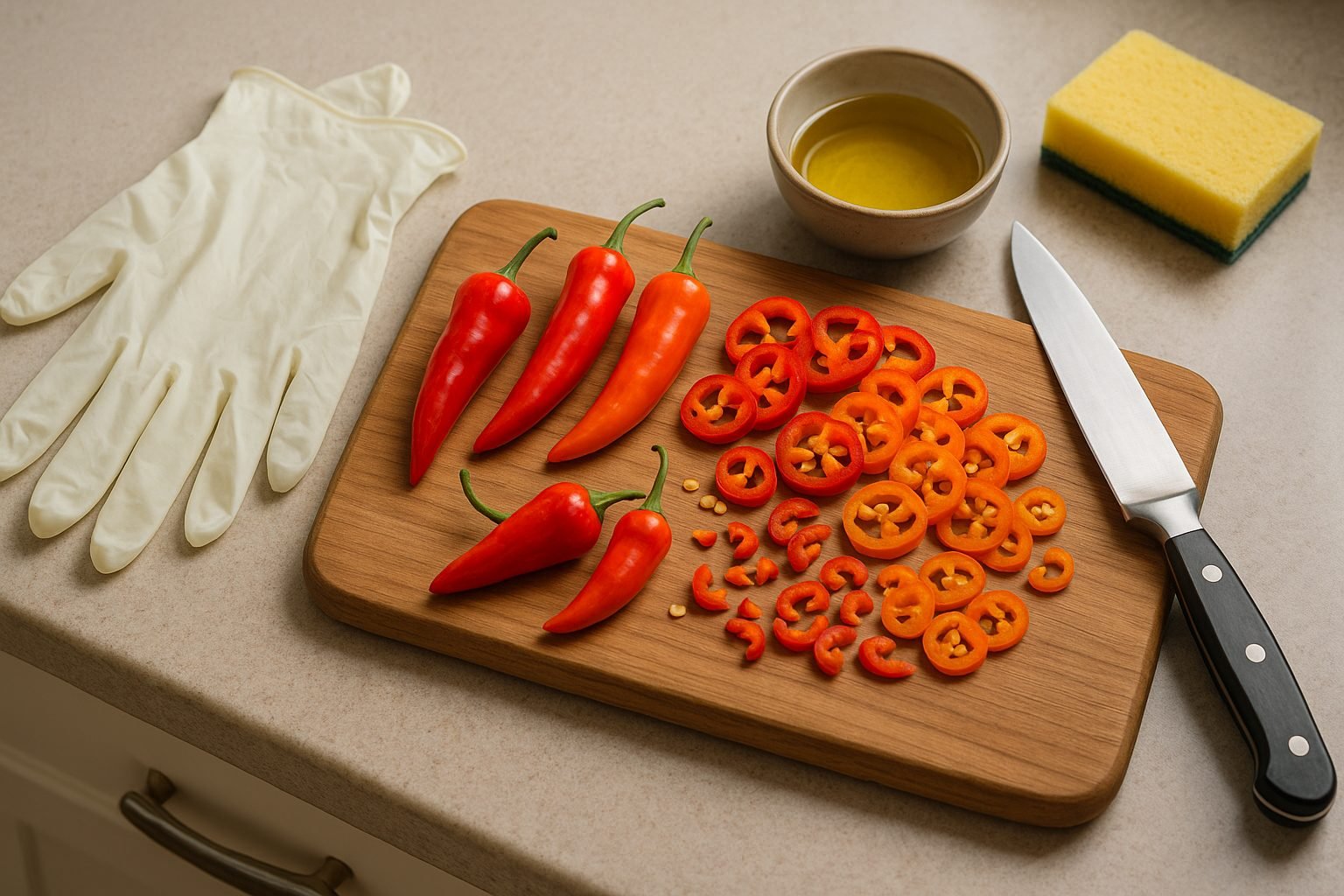
Hot peppers can add incredible flavor and heat to your dishes, but their fiery kick comes from a compound called capsaicin, which can cause skin irritation, burning sensations, and even painful eye or nose contact. To keep yourself safe while handling hot peppers, always use disposable gloves when chopping or seeding them—especially varieties like jalapeños, habaneros, or ghost peppers.
If you don’t have gloves handy, coat your hands in a thin layer of cooking oil; this forms a barrier and helps wash off capsaicin more easily afterward. Use a sharp knife and sturdy cutting board to avoid slipping and accidental contact with your skin.
After handling peppers, wash your hands thoroughly with soap and warm water. Avoid touching your face, eyes, or phone until you’re sure your hands are capsaicin-free. If you accidentally get capsaicin in your eyes, flushing them with cold milk is more effective than water for soothing the burn.
For easy cleanup, dedicate a dish sponge or cloth for wiping surfaces that came into contact with peppers, and consider running utensils and cutting boards through the dishwasher. Remember, even after cooking, capsaicin oil can linger on surfaces, so wipe down handles and countertops.
With a few careful habits, you can enjoy experimenting with hot peppers safely and confidently in your kitchen.
Cooking with Extra Hot Peppers
Cooking with extra hot peppers can transform ordinary dishes into bold culinary adventures, but it’s important to use their heat wisely. Start by finely chopping fresh hot peppers—such as habaneros or Thai chilis—and stirring them into homemade salsas for tacos or chips. You can control the fiery kick by removing the seeds or using less pepper.
For quick weeknight meals, toss sliced hot peppers into stir-fries just before finishing to add spice without overpowering other ingredients. Pair them with sweet vegetables like bell peppers or carrots to balance out the heat.
Creating spicy oils is another easy method: gently heat a neutral oil with a few sliced chilies, then let it cool and use it to drizzle over pizza, pasta, or roasted veggies.
If you enjoy a sweet-and-spicy twist, mix chopped fresh or dried chilies into warm honey for homemade hot honey—excellent on fried chicken, pizza, or even cornbread.
To adjust the spiciness, always start with small amounts and increase to taste. Remember that acidic ingredients like lime juice or vinegar, as well as creamy elements like yogurt or sour cream, can help mellow the heat.
Don’t forget to wear gloves when handling hot peppers and avoid touching your face. With these versatile techniques, you can safely incorporate extra hot peppers into your meals while keeping flavors bright, balanced, and exciting.
Preserving Hot Peppers for Later Use
Preserving hot peppers at home is easier than you might think, and it lets you enjoy their fiery flavor all year long.
Drying
Drying is a classic method—just wash the peppers, slice them in half, and place them on a baking tray in an oven set to the lowest temperature, or string them up in a sunny, well-ventilated spot to air dry. When they’re fully brittle, store them in airtight jars; these are perfect for grinding into homemade chili flakes.
Freezing
Freezing is ultra-simple: wash, dry, and chop the peppers (stem and all if you like), then spread them on a tray to freeze before transferring them to freezer bags. This preserves their heat and texture, making them great for tossing straight into soups or stir-fries.
Pickling
Pickling takes just a few minutes—slice the peppers and pack them into sterilized jars. Pour over a hot vinegar brine (equal parts water and vinegar with some salt and sugar), seal, and refrigerate. These pickled peppers stay crisp and tangy for months.
Fermenting
Fermenting is another beginner-friendly option: pack whole or sliced peppers into a jar with a salty water brine (about one tablespoon of salt per two cups of water), weigh them down so they stay submerged, and let them ferment at room temperature for 1-2 weeks. You’ll get wonderfully complex, tangy peppers perfect for snacking or recipes.
Creative Uses
Once you’ve got peppers preserved, try blending dried or fermented peppers with a splash of vinegar and garlic for a quick homemade hot sauce—add a pinch of sugar or fruit if you like it sweeter. For spicy vinegars, simply drop a few dried or fresh peppers into a bottle of white or apple cider vinegar, let it infuse for a week, and drizzle over salads or roasted veggies for a custom kick.
With these easy methods, you can turn any bumper crop—or even a handful from the market—into savory projects that bring zing to your table every season.
Creative Uses Beyond the Kitchen
Hot peppers aren’t just for spicing up your meals—they can also be the centerpiece of some surprisingly creative projects around your home. Craft enthusiasts can string together dried peppers to create eye-catching pepper wreaths that add a pop of color to doors and kitchen walls, or even fashion unique centerpieces for festive gatherings.
If you’re interested in homemade beauty products, hot pepper-infused lotions and balms are popular for their naturally warming properties, which can be soothing for achy muscles. However, always remember that hot peppers contain capsaicin, which can cause irritation. Be sure to wear gloves when crafting and keep finished products far out of reach of children and pets—especially lotions, which might be tempting to curious hands or paws.
For a thoughtful homemade gift, bundle dried pepper arrangements in mason jars or small bouquets, tie them with rustic twine, and attach a handwritten note with recipe ideas or safety tips. Sharing jars of pepper jelly or small batches of dried chili flakes can also surprise friends and family with a dash of your garden’s bounty.
Just be sure to label any gifts clearly, including heat levels and potential allergen notes, so everyone can enjoy your pepper-themed creativity safely!
Best Practices for Growing and Staking Peppers
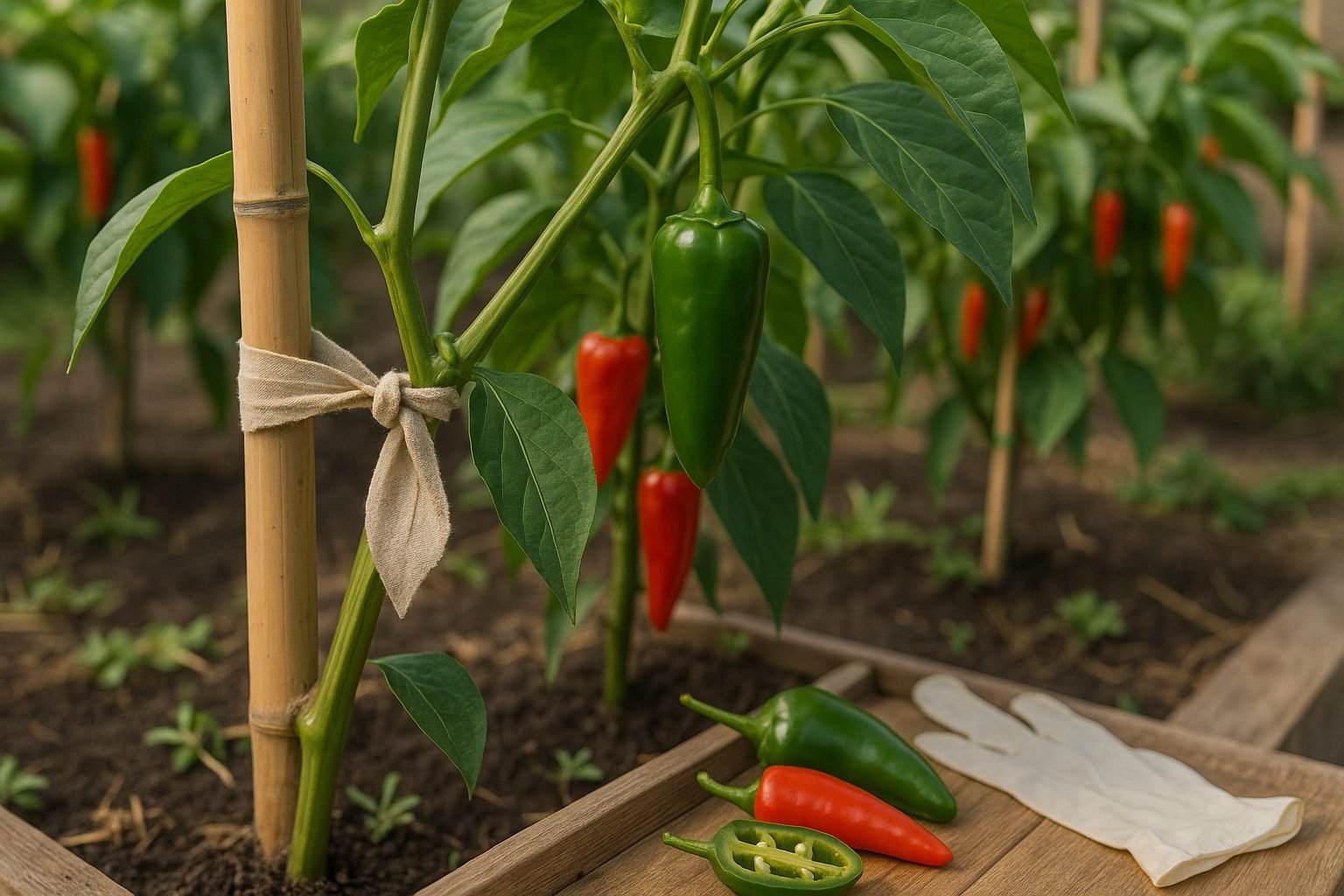
Staking and supporting your pepper plants is one of the simplest ways to ensure a healthy and abundant harvest. As pepper plants grow and start producing fruit, their branches can become heavy and prone to bending or snapping, especially after rain or in windy conditions.
By staking your plants, you give them the strength they need to hold up heavy peppers and encourage upright, even growth that improves airflow and reduces the risk of disease. The easiest and most effective staking materials are bamboo stakes, wooden dowels, or metal rods, which you can find at any garden center.
To secure plants, gently tie the main stem to the stake using soft garden twine, strips of old t-shirts, or even pantyhose — anything that won’t cut into the branches as they grow. A simple method is to insert a stake into the soil a few inches away from the base of each plant at planting time, then add more ties as the plant grows taller.
For multiple plants in a row, consider stringing garden twine horizontally between two sturdy stakes at each end of the bed, looping additional lines at higher levels as your peppers gain height.
Regular maintenance is key:
- Check your ties every couple of weeks, especially after storms, and adjust them as needed to avoid damaging the stems.
- Remove any fallen leaves or fruit that could harbor pests.
- Prune any crowded foliage to encourage sunlight and airflow.
- Water at soil level to avoid wetting leaves, which helps prevent fungal diseases.
By providing steady support from the beginning and keeping up with basic care, you’ll set your pepper plants up to thrive and yield delicious homegrown peppers all season long.
Recommended Pepper Varieties and Companion Planting
Choosing the right pepper varieties can make a big difference in your garden’s success and your kitchen’s flavors. For mild options, bell peppers are a staple, thriving in most gardens and perfect for fresh eating or stuffing. If you enjoy moderate heat, jalapeños and Hungarian wax peppers offer a gentle kick and grow well in many climates. For fiery heat, look to habanero and cayenne peppers, which produce boldly flavored pods best for hot sauces and spicy dishes.
Companion planting can boost your pepper patch’s productivity—basil repels harmful insects while attracting pollinators, and marigolds help deter nematodes and aphids. Avoid planting peppers near fennel or kohlrabi, as these can inhibit pepper growth.
When selecting varieties, consider your climate: short-season locations benefit from early-producing seeds like ‘King of the North,’ while southern regions can experiment with longer-season or tropical peppers. Taste is just as key: grow a mix of sweet, medium, and hot types to suit cooking needs and share bounty with friends.
Most importantly, read seed packets or nursery tags for days-to-maturity and disease resistance, and ask local gardeners for their favorites—this ensures your chosen peppers will thrive and bring plenty of color and spice to your table.
Conclusion
Hot peppers are a true kitchen powerhouse, offering a world of possibilities for gardeners and food lovers alike. Whether you grow a single plant in a window box or fill your backyard with different varieties, you’ll discover just how versatile hot peppers can be.
From fresh salsas and spicy stir-fries to homemade hot sauces and dried chili flakes, the ways to use these vibrant peppers are nearly endless. Trying new preservation methods, like pickling, fermenting, or freezing, lets you enjoy their bold flavors all year and reduces food waste; for example, freezing chopped chilies allows you to add zip to any meal in seconds.
Cooking with hot peppers can be as simple as tossing a sliced jalapeño on pizza or as adventurous as making stuffed poblanos or chili oils. Each experiment brings a new level of heat and excitement to your table.
If you’ve been on the fence about growing or using more peppers, now is the perfect time to dive in—start small and explore new flavors and techniques. Have a favorite recipe, preservation trick, or pepper-growing tip? Share your experiences in the comments and inspire others to get creative and spice up their culinary routines!