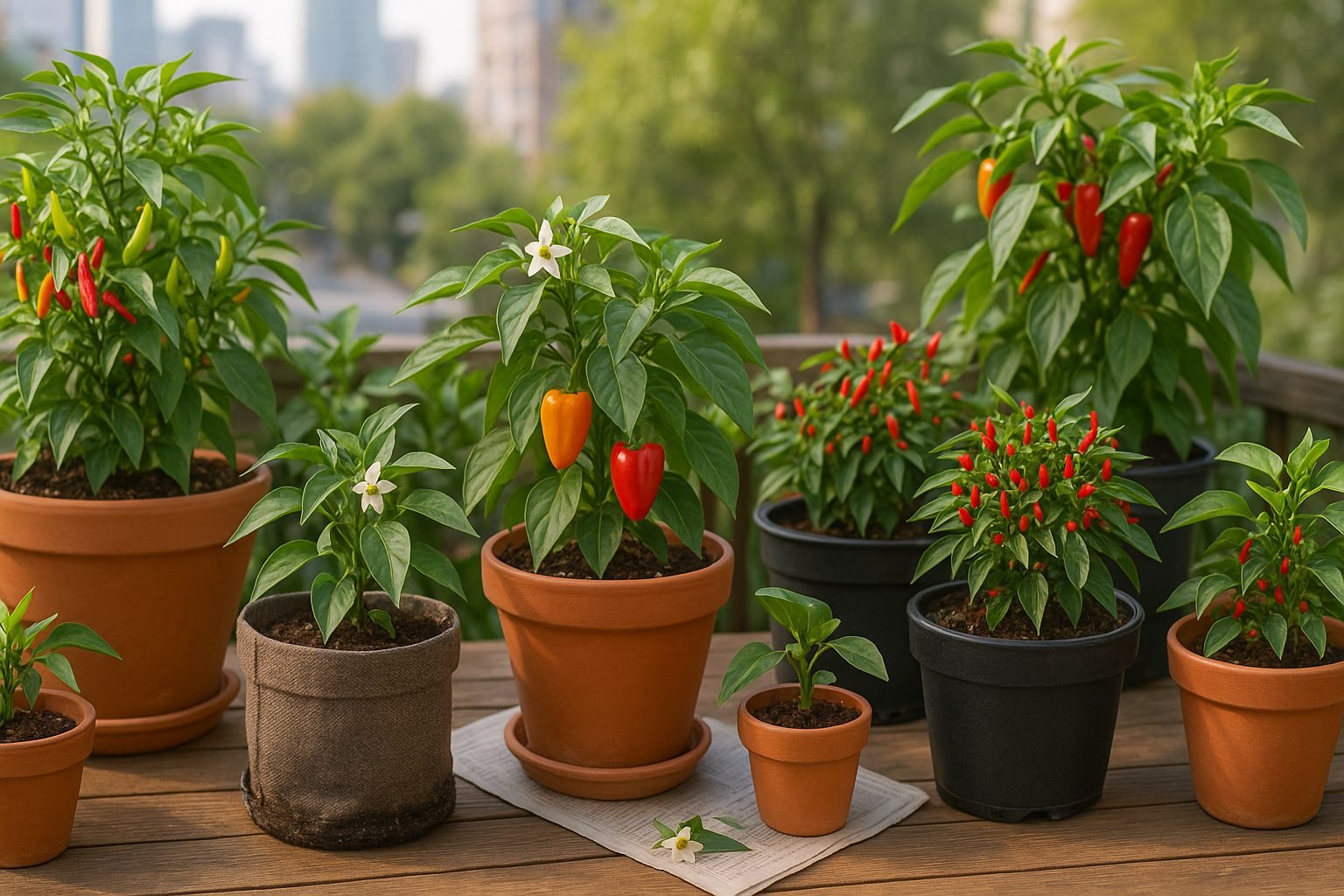
Why Grow Peppers in Containers?
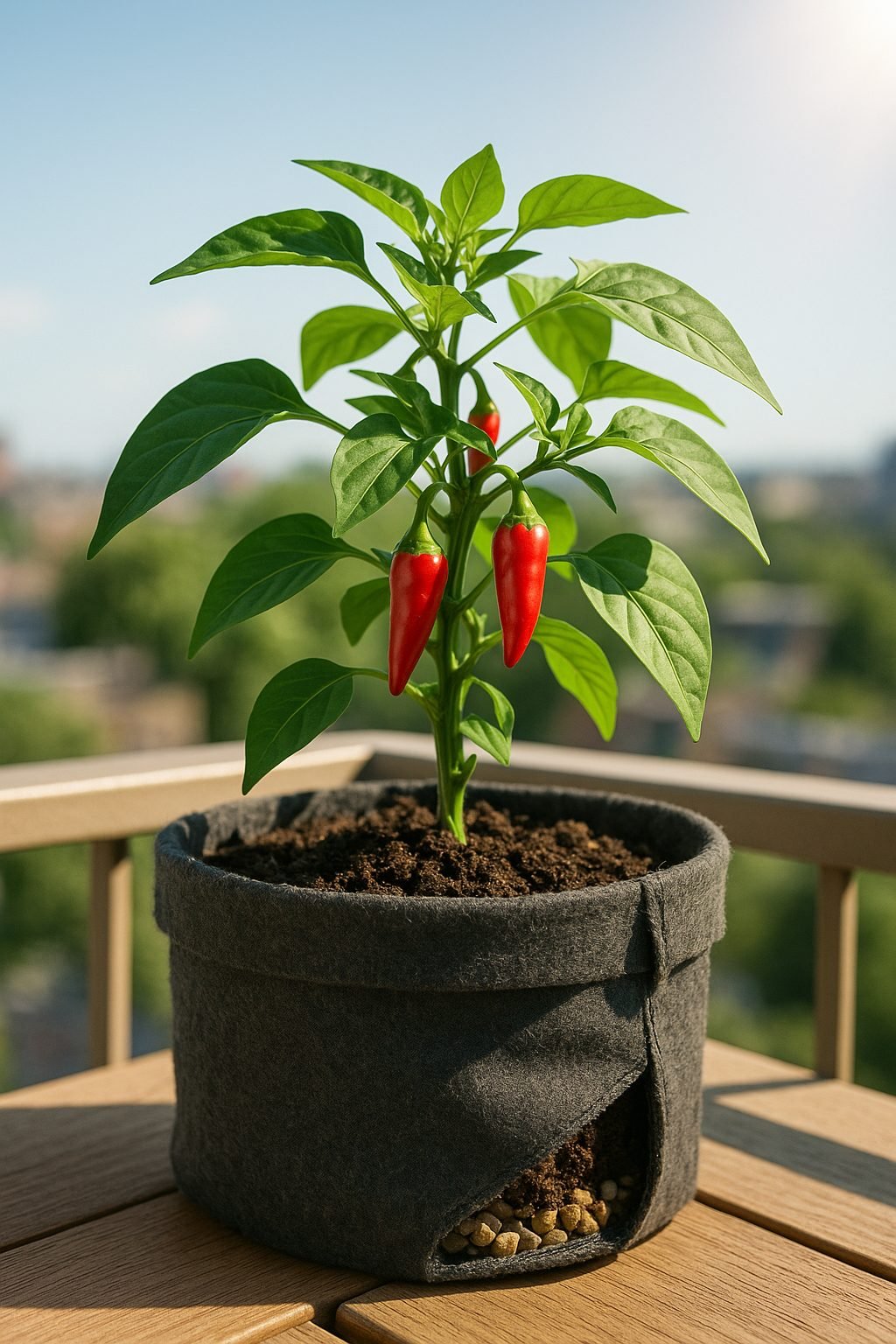
Looking for the perfect container hot pepper varieties to spice up your home garden, balcony, or even a sunny windowsill? Growing hot peppers in containers offers more than just a convenient way to enjoy eye-catching and flavorful chiles—it’s a practical solution for gardeners with limited space, poor soil, or unpredictable weather. Containers maximize space efficiency, allowing you to grow a surprising number of plants in small areas like apartment balconies, patios, or even indoors if you have adequate light. This flexibility makes container gardening ideal for urban dwellers, renters who can’t dig up a yard, and anyone with restricted outdoor access.
Beyond saving space, containers make it easy to move your hot pepper plants to take advantage of the best sunlight or shelter them during storms or cold snaps. This portability is especially handy if you live in a climate with sudden weather changes or have varying sun exposure throughout the year. Containers also act as a natural barrier against soil-borne pests and diseases, so you’re less likely to lose your precious plants to common garden nuisances. Plus, keeping peppers off the ground discourages slugs and snails, which is a real win for anyone struggling with these pests in traditional beds.
One of the biggest benefits of growing container hot pepper varieties is the increased control you gain over your garden environment. You can customize soil quality, ensuring the perfect blend of drainage and nutrients that hot peppers crave. Watering is easier to manage as well; containers allow you to gauge moisture levels precisely and adjust your routine to avoid over- or under-watering, two issues that commonly stress pepper plants. Together, these advantages translate into healthier, more productive plants and, ultimately, a larger harvest of those vibrant, fiery fruits you love. Whether you’re hoping to grow fiery habaneros, colorful chiltepins, or compact cayenne types, containers open the door to fresh, homegrown heat—no big backyard required.
Picking the Right Pepper Varieties for Containers
When growing peppers in containers, it’s important to choose varieties that thrive in smaller spaces while still delivering impressive harvests. Look for compact plants, typically under two feet tall, that are bred specifically for container use or small gardens—these types tend to have a bushy growth habit and produce lots of fruit, even in limited soil.
For sweet peppers, miniature bell varieties such as ‘Baby Belle’ and ‘Lunchbox Mix’ are big favorites, offering crisp, mild flavor and vibrant colors in bite-sized packages—perfect for snacking or salads. Standard bell peppers like ‘California Wonder’ also do surprisingly well in larger pots, producing sweet, crunchy fruits with zero heat.
On the spicier side, ‘Jalapeño’ is a classic hot pepper with moderate heat (ranging around 2,500 to 8,000 Scoville units) and a versatile flavor for salsas and poppers. If you want a little more heat, try ‘Thai Hot’, which packs a punch in a petite plant—these peppers are perfect for stir-fries or pickling, with a sharp, fiery kick up to 100,000 Scoville units. ‘Poblano’ peppers are another great option, producing mild, earthy chiles commonly used for stuffing and roasting; though the plants get a bit larger, compact hybrid varieties are available.
For daring growers who love intense spice, ‘Habanero’ peppers thrive in containers with plenty of sunshine and heat—expect tropical, fruity notes and a serious bite, often exceeding 100,000 Scoville units.
No matter your taste preference, make sure to use pots at least 3-5 gallons in size, provide well-draining soil, and situate your peppers in a sunny spot. With the right variety and a little care, even the smallest balcony can become a productive pepper patch. Always check seed packets or plant labels for specific recommendations on container growth, and don’t hesitate to mix sweet and hot varieties to suit everyone’s palate.
Essential Features of Container Peppers
Pepper plants are perfect for container gardening thanks to their manageable size, shallow but vigorous root systems, and variety of fruit sizes—from petite chilies to larger bell peppers. Most pepper varieties grow compactly, typically reaching heights between 18 and 36 inches with a bushy habit that won’t overwhelm patios or balconies.
Their roots usually don’t grow deeper than 12 to 16 inches, making them well-suited for containers as long as their basic needs are met. For best results, smaller hot pepper types like jalapeños or Thai chilies thrive in 2- to 3-gallon pots, while larger bell pepper varieties do better in containers of at least 5 gallons.
Choose containers made from breathable materials such as fabric grow bags or unglazed terra cotta, which help prevent soggy soil. Sturdy plastic pots also work well if they have ample drainage holes. Use a high-quality potting mix rich in organic matter—look for blends containing compost, coconut coir, and perlite or vermiculite to ensure lightness and good aeration.
Good drainage is crucial: add a layer of gravel or pottery shards at the bottom of the pot and always use containers with holes to avoid waterlogged roots. Place your pepper containers where they’ll receive at least 6 to 8 hours of direct sunlight daily; a sunny south-facing wall or balcony railing is ideal.
If your space gets especially hot, like a concrete patio, raise pots slightly off the ground with plant stands to keep roots cool and prevent heat stress. Water regularly, allowing the top inch of soil to dry between waterings, and feed plants every few weeks with a balanced liquid fertilizer to encourage strong growth and flavorful fruit.
With thoughtful container selection and placement, even the smallest gardens can enjoy a bountiful and spicy harvest.
Planting and Caring for Container Peppers
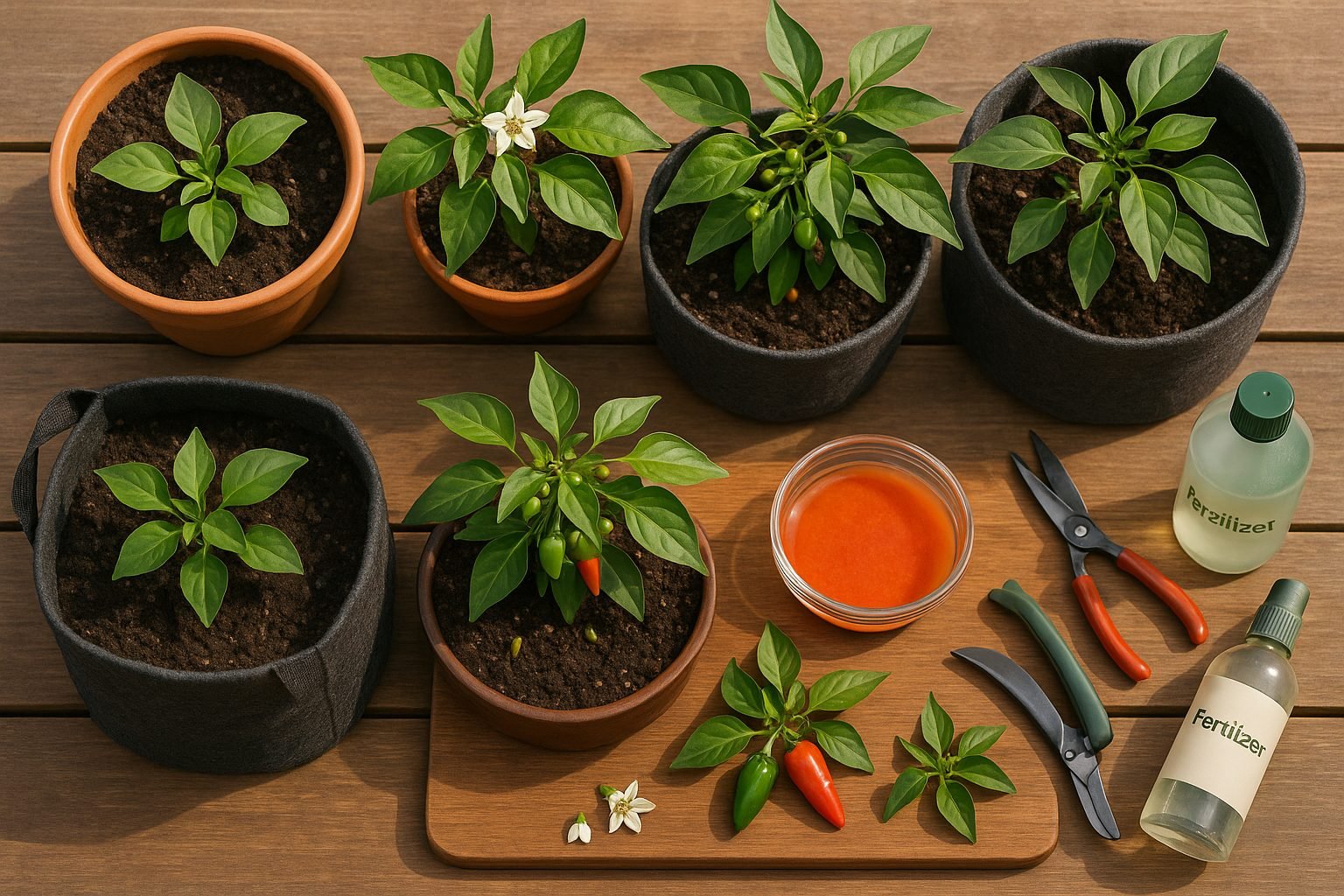
Growing peppers in containers is a fantastic way to enjoy fresh, homegrown produce, even if you have limited space. Start by choosing a container at least 12 inches deep with good drainage, and fill it with high-quality potting mix.
If you’re starting peppers from seed, sow them indoors 8–10 weeks before your last expected frost, keeping the soil warm (70–80°F) and moist. Once seedlings are 4–6 inches tall, transplant them into your outdoor container after all danger of frost has passed. For transplants from the nursery, simply plant them at the same depth they were in their pots.
When it comes to feeding, mix a slow-release organic fertilizer into the soil at planting, then supplement with a balanced, water-soluble fertilizer every 2–4 weeks as the plants grow. Peppers are thirsty but can’t sit in soggy soil, so water deeply when the top inch of soil dries out. Keep in mind that containers dry out faster than garden beds—on hot days, you might need to water daily.
Peppers love sunlight, so place your containers where they’ll get at least 6–8 hours of direct sun, such as a south-facing patio or balcony. If you’re growing indoors, invest in strong LED grow lights set to mimic daylight.
Watch out for common pests like aphids and spider mites—both can be washed off with a strong spray of water or controlled with insecticidal soap. Fungal diseases like powdery mildew are best prevented by ensuring good air circulation around your plants and avoiding wetting the leaves during watering. If issues do arise, neem oil is an effective organic treatment for most pests and mildew.
By monitoring your peppers daily and giving them consistent care, you’ll enjoy crisp, colorful harvests all season long—right from your porch or windowsill!
Understanding Pepper Heat: The Scoville Scale Explained
If you’ve ever wondered just how spicy that pepper on your patio might be, the Scoville Heat Unit (SHU) scale is your go-to guide for measuring pepper heat. Developed by Wilbur Scoville in 1912, this scale assigns a number value to a pepper’s spiciness based on how much sugar-water is needed to dilute its heat.
For example, sweet bell peppers sit at the bottom with a mild 0 SHU, meaning they contain no detectable heat, while jalapeños, a popular choice for container gardens, range between 2,500 and 8,000 SHU—enough to deliver a gentle kick but not overwhelm. For pepper lovers craving more fire, cayenne peppers clock in at 30,000–50,000 SHU, while habaneros can soar past 100,000 SHU and are best approached with caution.
When growing or taste-testing these spicy varieties, safety is key:
- Always wear gloves when handling hot peppers.
- Avoid touching your face or eyes.
- Wash your hands thoroughly after prepping.
If you plan to sample a new pepper, start with a tiny slice and have some milk handy—dairy can help curb the burn better than water. These tips let you enjoy the flavorful world of container peppers without any unexpected fiery surprises.
Top Tips for a Bountiful Container Pepper Harvest
To achieve a bountiful pepper harvest from your containers, focus on a few practical steps throughout the growing season. Start by pruning your pepper plants once they reach about six inches tall—pinch off the first growing tip to encourage bushier, stronger growth, which leads to more flowering and ultimately more peppers.
As your plants begin to set fruit, give them support with small stakes or cages to keep branches upright and prevent breakage as the peppers gain weight.
Feeding is especially important during fruiting: apply a balanced liquid fertilizer every two weeks, or choose a slow-release option at planting and supplement with compost tea as the fruits mature.
Peppers also thrive with consistent moisture, so water deeply whenever the top inch of soil feels dry, but avoid letting containers sit in excess water to guard against root rot.
When it comes to harvesting, color and firmness are key indicators of ripeness—most peppers develop richer flavors if you let them reach their mature color, whether that’s red, yellow, orange, or purple, but certain varieties like green bell or jalapeño can be picked earlier for a milder taste.
Use clean scissors or pruning shears to snip ripe fruits from the plant, leaving a short stem attached to prolong storage time. Picking peppers as they ripen also signals the plant to produce more blooms, keeping your harvest going strong all season.
With regular care and timely harvesting, container-grown peppers can rival the bounty of any garden bed.
Frequently Asked Questions About Peppers in Pots
Growing peppers in pots is an easy and rewarding way to enjoy fresh produce, but beginners often have questions about the best practices for success. Most pepper varieties, from hot jalapeños to sweet bell peppers, can thrive in containers—just be sure to choose pots that are at least 3 to 5 gallons in size (about 12 inches in diameter) for smaller types, and up to 7 gallons for larger varieties like bells. All pots must have drainage holes to prevent soggy roots.
Place your container where it will receive at least 6–8 hours of direct sun daily; peppers love heat and sunlight, so a south-facing patio or balcony is ideal. If your plants are dropping blossoms or not setting fruit, fluctuations between daytime and nighttime temperatures or inconsistent watering could be the culprits. Try to keep soil consistently moist but not waterlogged, and avoid letting the pot dry out completely.
Curled leaves can signal stress from overwatering, underwatering, pests, or too much wind—check the soil moisture, inspect for aphids, and move pots to a more sheltered spot if needed. Feeding your peppers with a balanced liquid fertilizer every couple of weeks after they start flowering can encourage more fruit.
For best results, use high-quality potting mix rather than garden soil, and consider staking tall varieties to prevent breakage. Keep an eye out for pests early, and remove any damaged leaves promptly. By choosing the right container, giving plenty of sun, maintaining even moisture, and providing a little extra support and fertilizer, even first-time gardeners can enjoy colorful, productive pepper plants right on their porch or windowsill.