Introduction – Cabbage vs. Lettuce
cabbage vs. lettuce: it’s a question that comes up more often than you might think, especially when you’re standing in the produce aisle trying to decide which leafy green to grab for your next meal. Both cabbage and lettuce are kitchen staples worldwide, featured in everything from crisp summer salads to warm winter soups, as well as spring rolls or taco toppings. It’s easy to see why people often confuse these two—after all, they’re both leafy, green, round, and often sit side by side at grocery stores. But while they might look similar at first glance, cabbage and lettuce are actually quite different once you look a little closer.
If you’ve ever wondered whether you can substitute one for the other or which is the healthier choice, you’re not alone. This article aims to clear up the confusion and help you become a smarter shopper and cook. We’ll dive into their distinctive nutritional values—hint: one is a powerhouse of vitamins and fiber, while the other is extra hydrating and especially low in calories. You’ll also learn about their unique health benefits, from supporting digestion to boosting your immune system, as well as their different culinary uses and the best ways to enjoy each. Plus, we’ll break down how their flavors and textures set them apart and share practical tips for picking the freshest leaves at the market. So whether you’re a salad enthusiast or just curious about leafy greens, read on for everything you need to know about cabbage vs. lettuce.
Understanding the Botanical and Visual Differences
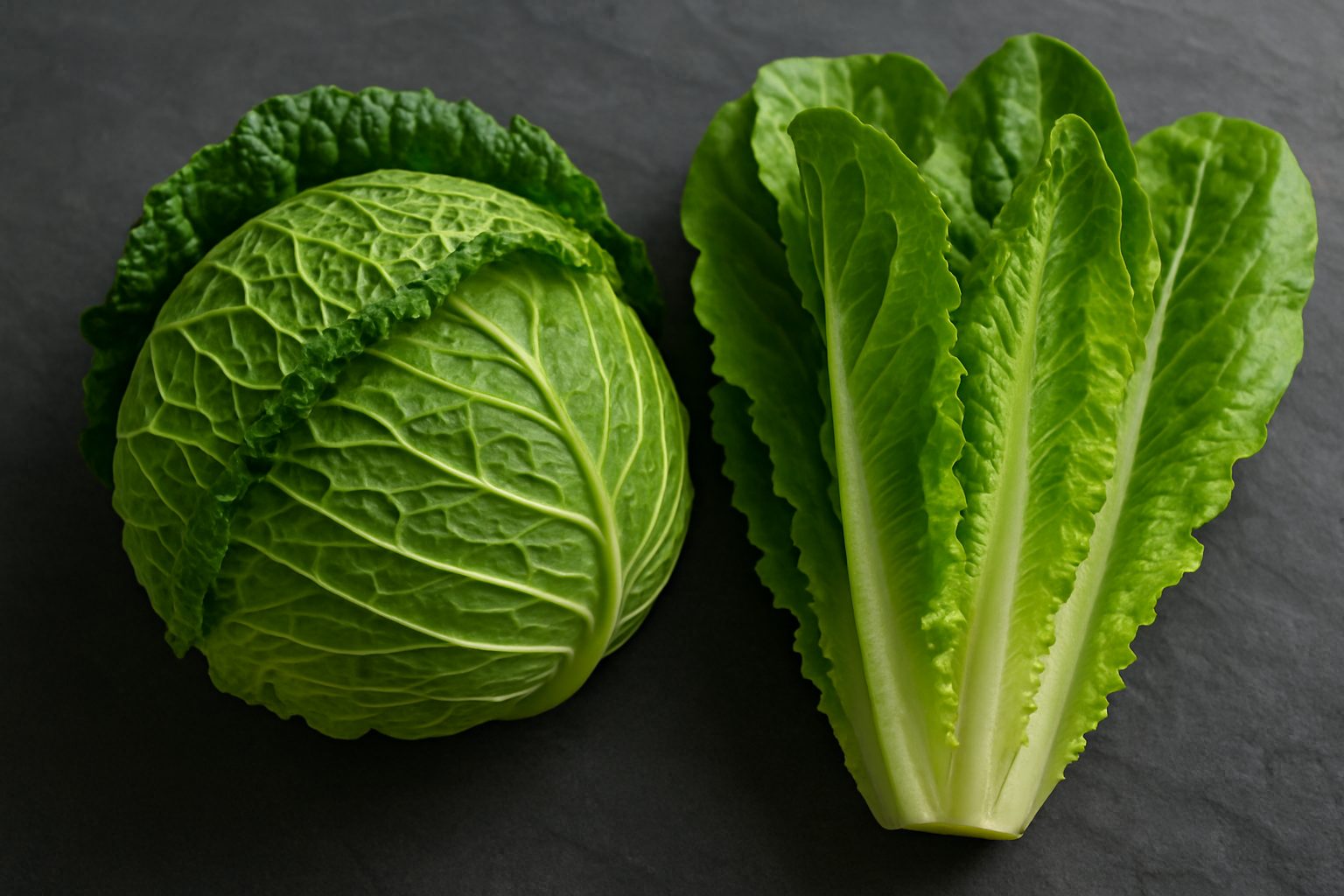
Cabbage and lettuce might look similar at a glance, but they’re actually from entirely different botanical families—cabbage belongs to the Brassica family (along with broccoli, kale, and Brussels sprouts), while lettuce is part of the Asteraceae family, which also includes dandelions and sunflowers.
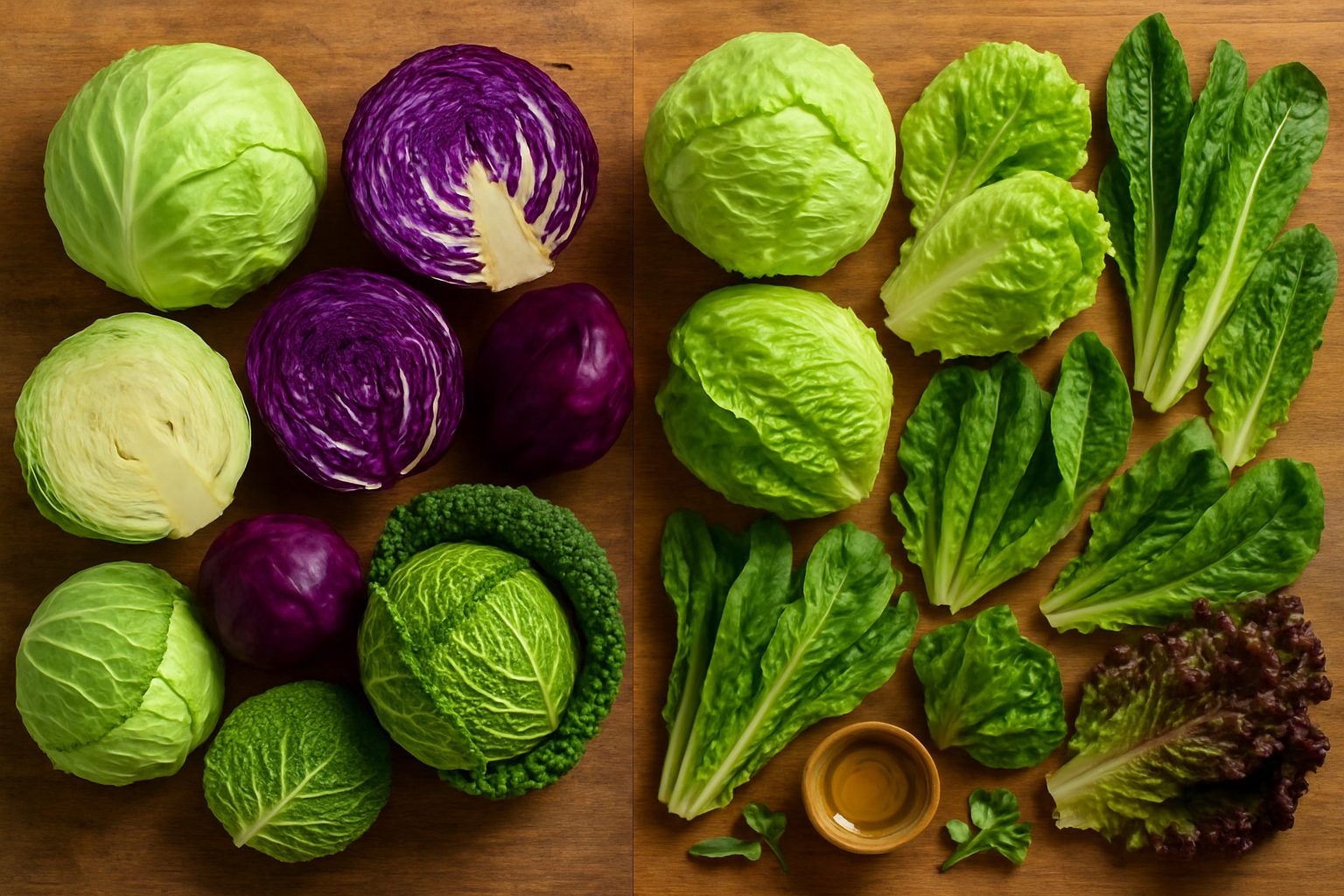
You’ll notice cabbage typically has tightly packed, firm leaves forming dense heads, with a waxy, sometimes crinkled texture and colors ranging from pale green to deep purples, depending on the variety. Lettuce, in contrast, presents looser, tender leaves that can be crisp or buttery, forming heads (like iceberg) or open rosettes (like romaine or butterhead) with colors that range from light green to deep red.
In the produce aisle, cabbage usually appears as green, red, or savoy types—the latter being recognizably crinkled and milder in flavor. Lettuce varieties are broader, from crisphead (iceberg), known for its watery crunch, to romaine, famed for its sturdy, elongated leaves, and loose-leaf options (such as oakleaf or lollo rosso) prized for their tender texture in salads.
Recognizing these characteristics makes shopping easier: choose cabbage for coleslaws, fermenting, or sautés; reach for lettuce when you want a fresh, raw salad base or sandwich topper.
Nutritional Comparison – What’s Inside Each Leaf?
When comparing cabbage and lettuce, subtle differences in their nutritional makeup can influence your choice depending on your health goals. Cabbage packs slightly more calories and carbohydrates per serving — about 25 calories and 6 grams of carbs per cup, compared to lettuce’s ultra-light 5 calories and 1 gram of carbs.
Cabbage also edges ahead in fiber, offering roughly 2 grams per cup (versus lettuce’s 1 gram), which helps with digestion and makes meals feel more satisfying. Both greens are very low in fat and protein, but the similarities end when you look at vitamins and minerals.
Cabbage shines with its high vitamin C and K content, supporting immune health and blood clotting, as well as extra B6 and folate that help energy metabolism. Lettuce, on the other hand, is well-known for being rich in vitamin A (especially varieties like romaine), which is important for vision and skin health.
Cabbage brings additional benefits through antioxidants such as sulforaphane and anthocyanins (especially in red cabbage), which help support the body’s natural defenses against inflammation and some chronic diseases. One of lettuce’s secret strengths is its high water content—over 95%—making it a refreshing, hydrating option in warm weather or after exercise.
For real-world choices:
- Cabbage is a top pick if you need more fiber or antioxidants.
- Lettuce is perfect for ultra-light, hydrating salads and as a low-calorie base for wraps or sandwiches.
Ultimately, swapping between these greens can help you get a wider range of nutrients, so consider adding both to your weekly grocery list for the best of both worlds.
Health Benefits – Cabbage vs. Lettuce on Your Plate
When deciding between cabbage and lettuce for your meals, it helps to know their unique health benefits. Cabbage stands out for its powerful cancer-fighting compounds—such as sulforaphane and indoles—which research suggests may help reduce the risk of certain cancers. It’s also packed with vitamin C to support a healthy immune system and contains plenty of fiber, making it a great choice for digestive health by promoting gut regularity and feeding good bacteria.
If you’re looking for detox support or ways to improve your body’s resilience, cabbage’s antioxidants and vitamins make it a smart ingredient to include. On the other hand, lettuce shines in different areas. Its high water content makes it a hydrating, refreshing choice, especially in hot weather or after exercise. Because most varieties of lettuce are low in calories, they’re perfect for those aiming to lose weight or maintain a calorie-controlled diet—think big, satisfying salads that don’t tip the scale.
Lettuce still delivers nutrition, providing micronutrients like vitamin K (key for bone health), vitamin A, and folate, though in lighter amounts than cabbage.
So, which should you choose?
- If you’re focused on boosting your immune system, improving digestion, or adding disease-fighting properties to your plate—with an eye toward long-term wellness and prevention—cabbage is a clear winner.
- For athletes, those with hydration needs, or anyone looking to cut calories while still getting essential vitamins, lettuce offers refreshment without heaviness.
Ultimately, you can balance both: try shredded cabbage in wraps for crunch and nutrition, or mix greens with leaf lettuce for a low-calorie, hydrating salad base. Whether you prioritize disease prevention, weight management, or hydration, knowing what each green brings to the table helps you make smarter, tastier choices.
Culinary Uses and Taste: Cooking, Crunch, and Recipes
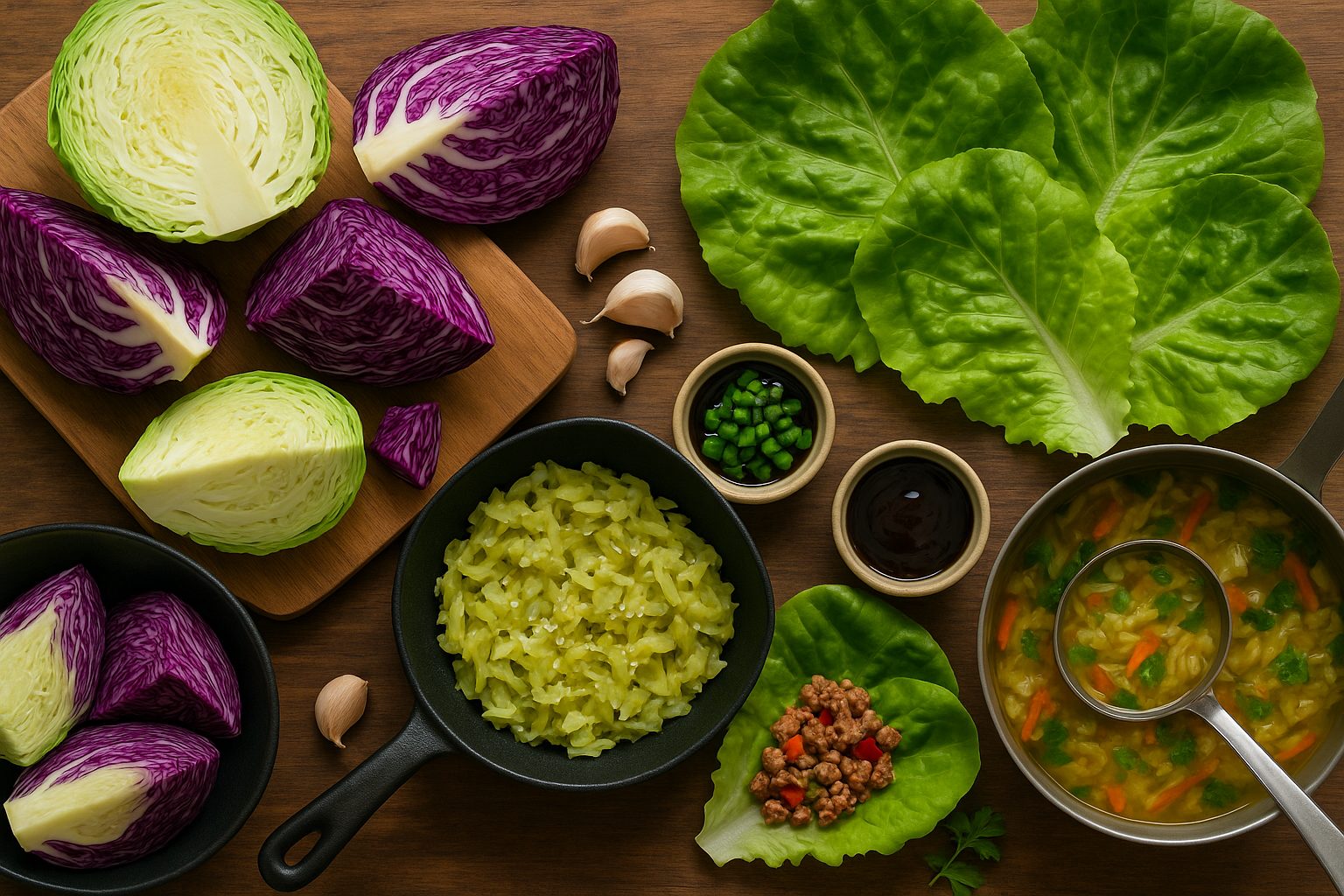
Cabbage and lettuce both shine in the kitchen, but their uses and flavors are quite distinct. Crunchy, hearty cabbage holds up well to cooking, making it perfect for stir-fries, slaws, braised dishes, and even soups—think classic coleslaw, tangy sauerkraut, or a warming cabbage-and-sausage soup. Its dense, slightly sweet, and peppery flavor softens and mellows when cooked, adding satisfying bulk and bite to hot dishes.
Meanwhile, lettuce is all about delicate freshness. Its crisp, watery leaves are ideal eaten raw in salads or tucked into wraps and sandwiches for a cool, refreshing crunch. With mild, clean flavors, lettuce doesn’t compete with robust dressings or vibrant additions like tomatoes, cheese, and grilled chicken.
To easily add cabbage to your meals, try a quick stir-fry: sauté chopped green or Napa cabbage with garlic, a splash of soy sauce, and a sprinkle of sesame seeds—it makes a speedy side or a nutritious base for a rice bowl.
If you’re in the mood for something cool, whip up fresh lettuce wraps by filling large butter lettuce leaves with a mixture of cooked ground turkey, hoisin sauce, diced carrots, and green onions.
For a simple cabbage soup, simmer shredded cabbage with onions, carrots, vegetable broth, and your favorite herbs for a comforting, budget-friendly meal.
On busy days, toss together a five-minute salad with romaine, cherry tomatoes, sliced cucumber, and your favorite vinaigrette.
Mixing up how you use leafy greens can keep meals interesting and help you take advantage of each vegetable’s unique tastes and textures, whether you love the tender crunch of lettuce or the hearty bite of cabbage.
How to Choose: Shopping, Storing, and Seasonal Tips
When shopping for cabbage or lettuce, look for heads that feel heavy for their size and have crisp, tightly packed leaves with vibrant coloring—avoid any with limp, wilted, or browning edges. For lettuce, romaine and butterhead types should have leaves that bounce back when gently squeezed; iceberg lettuce should be firm with no slimy spots. With cabbage, check that the outer leaves are intact and the stem looks fresh, not dried out.
Once you’re home, store lettuce in the veggie drawer, loosely wrapped in a dry paper towel and placed inside a perforated plastic bag to prevent sogginess. Cabbage keeps best unwashed in the fridge’s crisper, ideally in a loosely sealed bag; if you cut a part, wrap the remainder tightly and use within a few days.
Both crops are at their peak in cooler months—late fall through early spring for cabbage, and spring or early summer for lettuce, though availability varies by region.
For those interested in home gardening, cabbage prefers a sunny spot and well-drained soil, and planting in early spring or late summer lets you harvest before the weather gets too hot. Lettuce thrives with regular moisture and partial shade, especially as temperatures climb.
Remember, fresher produce lasts longer, so buy from local farmers markets when you can, and only purchase what you’ll use within a week to avoid waste.
Conclusion – Which Should You Pick?
Choosing between cabbage and lettuce really comes down to your needs and preferences. Cabbage offers more crunch, fiber, and nutrients like vitamin C, making it a fantastic choice for stir-fries or slaws. On the other hand, lettuce is lighter and perfect for fresh salads or sandwich toppings with its delicate leaves.
If you’re aiming for heartiness and staying fuller longer, cabbage’s dense texture wins out. But if you crave something refreshing and easy to digest, lettuce is your go-to.
There’s no need to stick with just one—try rotating both into your meals to keep things interesting and nutritious. Experiment with different varieties and preparation methods:
- Grill cabbage wedges
- Toss Romaine into a Caesar salad
- Make a quick slaw with red cabbage for extra color and antioxidants
Ultimately, embracing variety not only keeps your taste buds happy but also ensures a broader range of nutrients, making healthy eating more enjoyable and sustainable in the long run.