Introduction
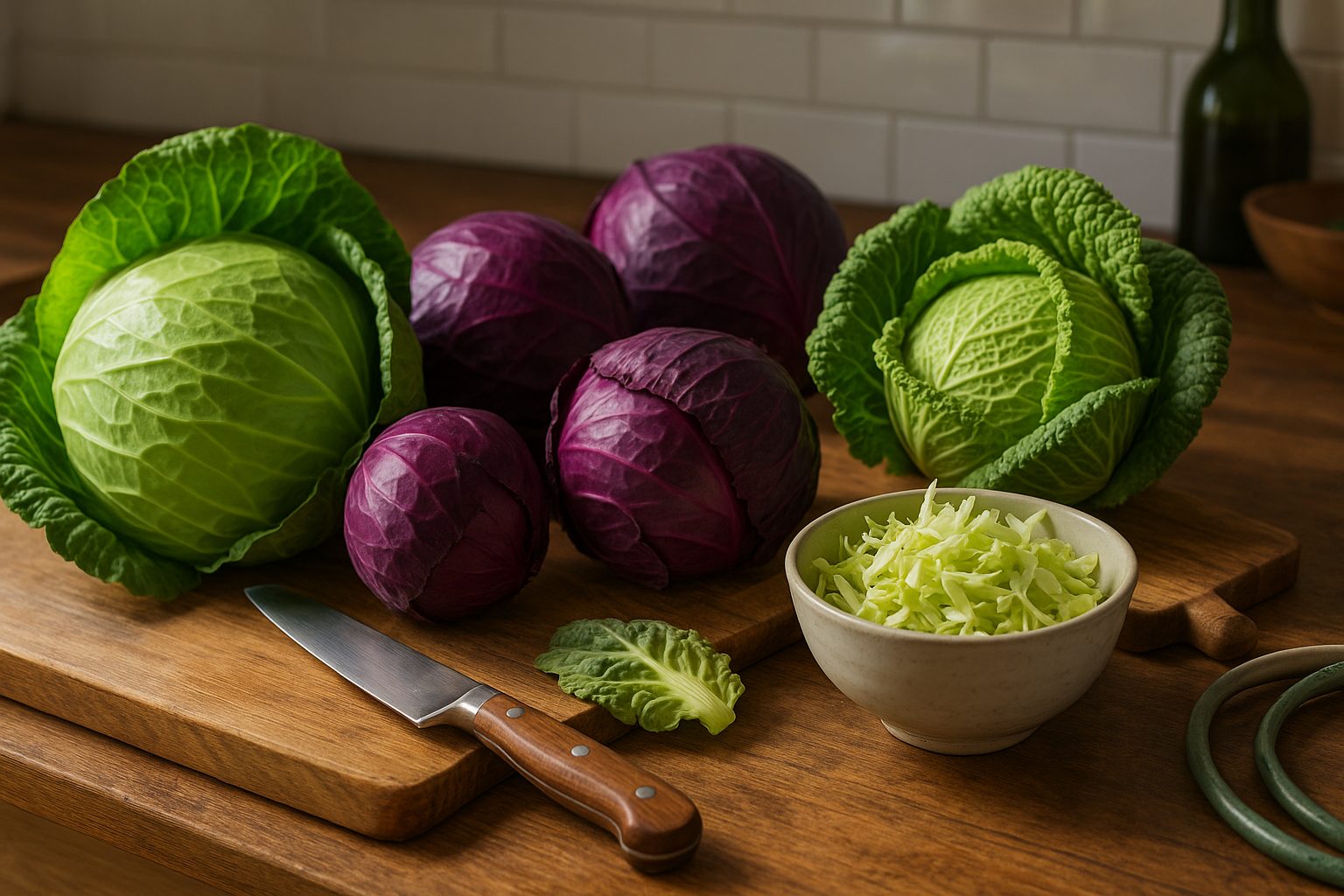
Cooking with cabbage isn’t just for coleslaw or cabbage rolls—it’s a delicious, nutritious adventure that spans cultures and cuisines. Cabbage, with its crisp texture and subtle flavor, is a staple vegetable in kitchens around the world, loved for its adaptability and health benefits.
Whether you’re tossing it raw into tangy salads, sizzling it in vibrant stir-fries, simmering it into hearty soups, or getting creative with fermented favorites like kimchi and sauerkraut, this humble green shines in countless dishes. From Eastern European stews to spicy Asian sides, cabbage effortlessly takes on a starring or supporting role, stretching both your meals and your imagination.
In this blog post, you’ll discover how cooking with cabbage can transform your weeknight dinners using fresh garden harvests. We’ll share tried-and-true classics for a comforting family table, along with inventive new ideas for elevating your veggie game. Whether you’re a seasoned home cook or new to growing your own produce, get ready to slice, shred, and sauté your way through versatile cabbage recipes that are as satisfying as they are simple. Grab your garden shears—and your appetite—for our flavorful journey with this unsung hero!
Popular Classic Cabbage Dishes
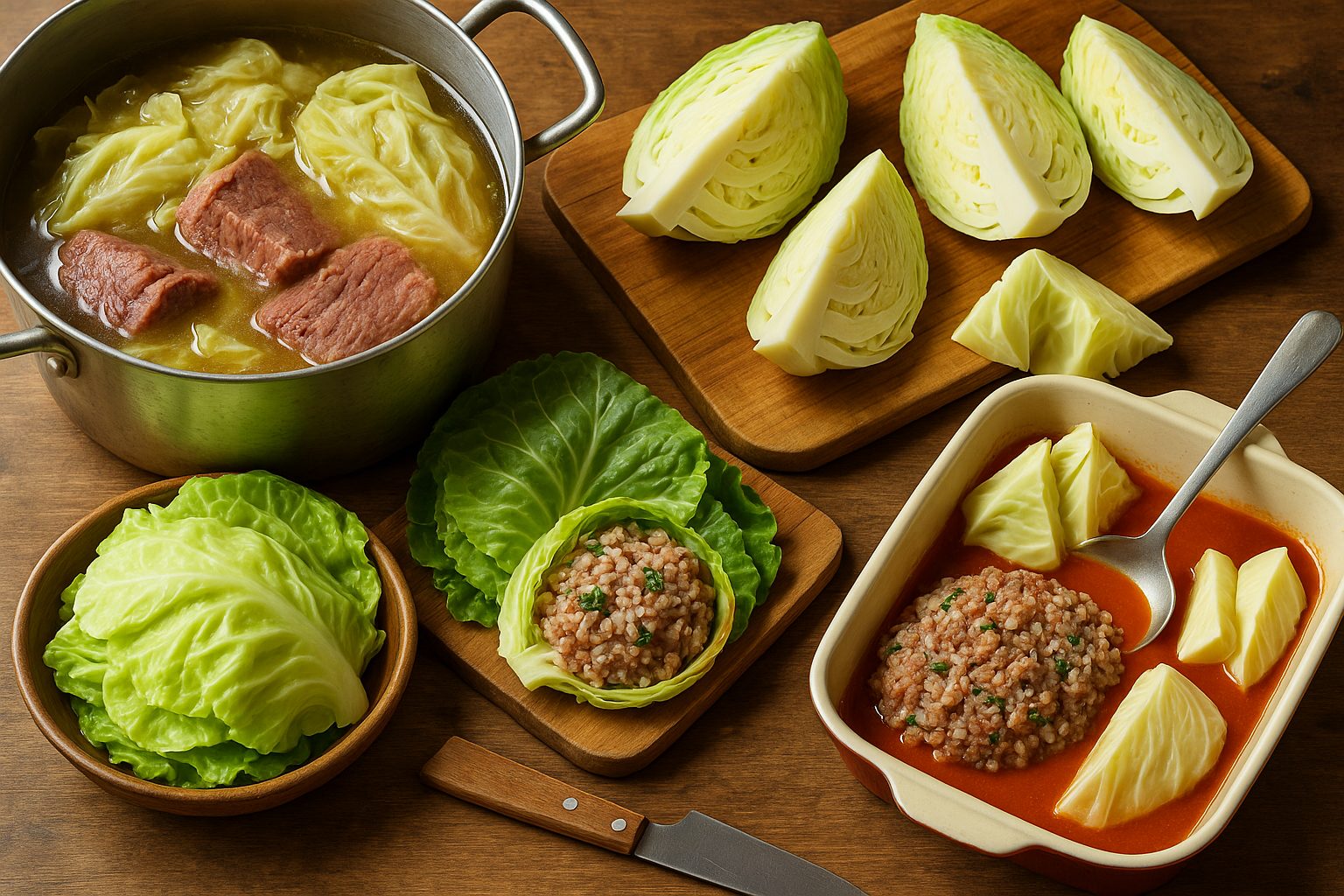
Cabbage has made its way into kitchens and hearts worldwide, thanks to classic recipes that showcase its versatility and comforting flavor. Coleslaw, for instance, remains a barbecue staple in the United States, pairing crunchy shredded green cabbage with a creamy or tangy vinaigrette dressing—a perfect balance for rich grilled meats.
When making coleslaw, opt for firm, heavy cabbages with crisp leaves, and chill the dish before serving to let the flavors meld.
Corned beef and cabbage, a hallmark of Irish-American cuisine especially popular around St. Patrick’s Day, features tender braised cabbage alongside salty, savory corned beef. To avoid overcooking, add cabbage wedges to the pot during the final 20–30 minutes of simmering; this preserves some bite and keeps the vegetable from becoming mushy.
Meanwhile, stuffed cabbage rolls travel from Eastern Europe to dinner tables across the globe, with seasoned ground meat and rice wrapped tightly in blanched cabbage leaves, then baked in a savory tomato sauce. Savoy or green cabbage works best for rolling—simply blanch the whole head for a few minutes until the leaves are pliable.
These beloved dishes endure because they’re both budget-friendly and deeply nostalgic, reminding us of family gatherings and festive celebrations. The mild, hearty character of cabbage lets it absorb surrounding flavors, creating meals that are greater than the sum of their parts.
When prepping cabbage for any dish, always remove the outermost leaves and give the head a good rinse to remove any dirt or grit hiding in the layers. Cut with a sharp knife for uniform slices, and soak sliced cabbage briefly in cold water to add crispness for raw dishes or to wash away any lingering bitterness before cooking.
Whether served raw and crunchy, braised and buttery, or stuffed and saucy, these traditional cabbage recipes prove why cabbage still shines as a star ingredient in classic comfort food.
Sautéed and Stir-Fried Cabbage Recipes
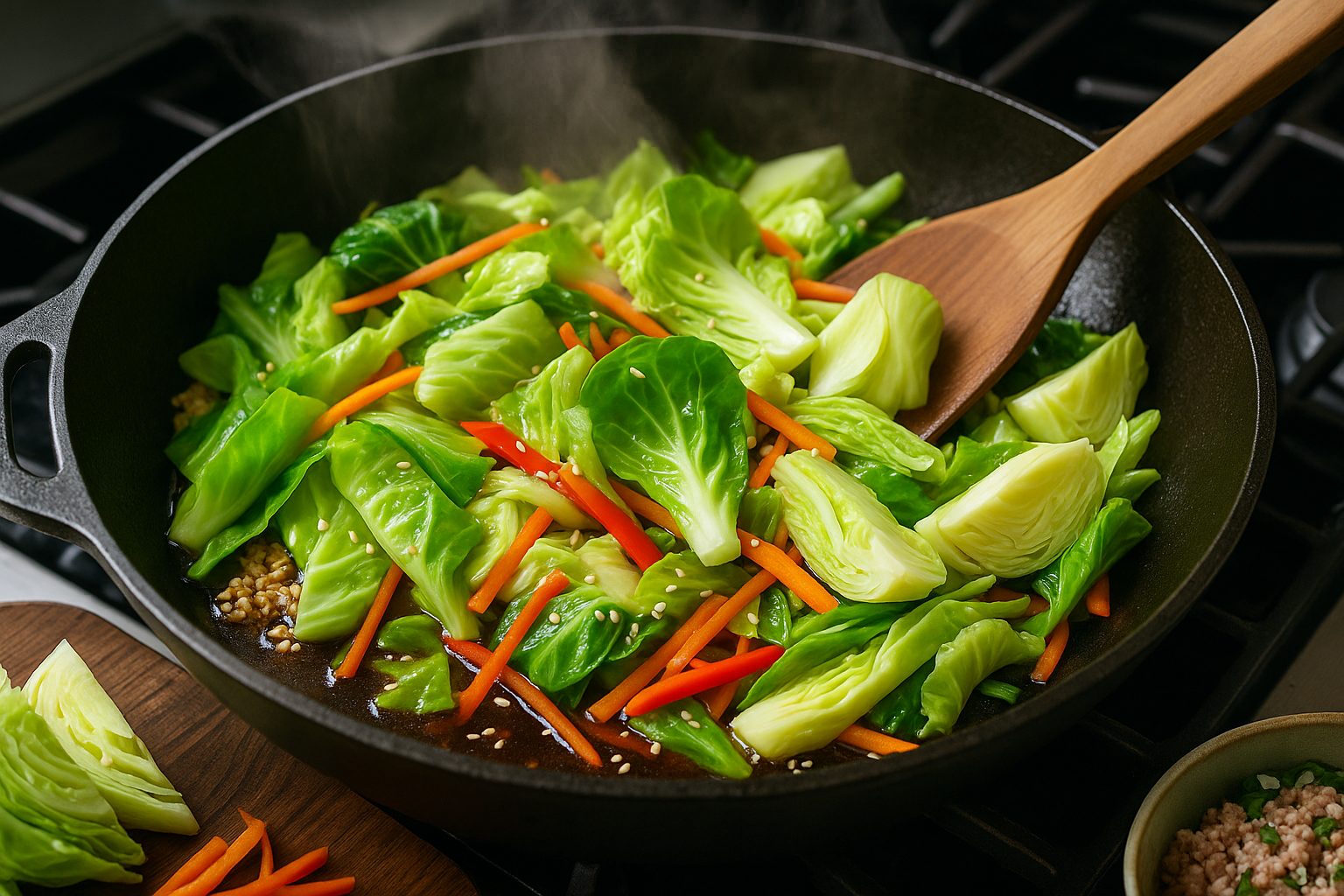
Sautéed and stir-fried cabbage recipes are quick, flavorful, and perfect for weeknight dinners. Start with the basics: slice green or napa cabbage into bite-sized pieces, heat a splash of oil or butter in a large skillet, and cook over medium-high heat until softened but still slightly crisp—about five to eight minutes.
For a simple sauté, add minced garlic, a pinch of salt, and finish with cracked pepper and a squeeze of lemon.
Try a garlic butter variation by melting butter in the pan, then sautéing cabbage with sliced garlic and a sprinkle of parsley; this pairs especially well with roasted chicken or salmon.
Want a citrusy touch? Add lemon zest and juice along with garlic, which brightens the cabbage and complements grilled fish or herby couscous.
For a spicy Asian-style stir-fry, heat sesame oil and toss in chopped cabbage, sliced bell peppers, and shredded carrots. Add soy sauce, a drizzle of sriracha, grated ginger, and scatter toasted sesame seeds before serving with steamed rice or tofu.
You can also bulk up any of these dishes with protein—think sautéed shrimp, crispy bacon bits, or sliced sausages—making it even more satisfying.
Serve sautéed cabbage alongside classic mains like pork chops, teriyaki chicken, or seared steak. For a veggie-friendly meal, pair Asian stir-fried cabbage with fried rice or dumplings, or go Mediterranean with the lemon-garlic version next to falafel, hummus, and warm pita.
Mixing up seasonings—like cumin, smoked paprika, or a splash of balsamic vinegar—opens the door to endless variety, so don’t be afraid to experiment and match your cabbage dish to whatever you’re serving for dinner.
Cabbage in Comfort Food: Soups, Stews & Rolls
Cabbage works magic in comfort food classics, blending a melt-in-your-mouth texture with hearty nutrition that turns simple recipes into family favorites. Take cabbage soup, for example—a cozy bowl loaded with tender cabbage, carrots, potatoes, and savory broth. It’s endlessly adaptable and can easily become vegetarian or meat-based.
For something even heartier, try Bigos, a beloved Polish stew made by simmering cabbage and sauerkraut with sausage, pork, and a touch of tomato. This truly stick-to-your-ribs meal tastes even better the next day.
Cabbage rolls are another crowd-pleaser: blanched leaves wrapped around a filling of ground meat, rice, and aromatics, then baked in rich tomato sauce.
All three dishes freeze exceptionally well—just portion leftovers into freezer-safe containers for easy lunches or dinners on busy nights. For weeknight convenience, these recipes can be adapted for the Instant Pot or any pressure cooker; cabbage soup and Bigos come together in under 30 minutes, while cabbage rolls cook evenly and stay moist.
Beyond flavor, cabbage packs vitamin C, fiber, and antioxidants into each bite, making these comforting dishes as nourishing as they are delicious. Whether you’re leaning into vintage family favorites or discovering cabbage’s versatility for the first time, you’ll quickly see why cooks around the world reach for this humble vegetable when cozy, satisfying meals are on the menu.
Creative Ways to Use Cabbage
Cabbage often gets overlooked, but this humble vegetable can be the star ingredient in a surprising range of international dishes. For a unique twist on taco night, try using crisp cabbage leaves in place of tortillas—just fill them with seasoned ground beef, salsa, and avocado for low-carb, crunchy cabbage tacos that are as satisfying as they are eye-catching.
If you’re craving something hearty, add shredded cabbage to jambalaya: it soaks up the spicy flavors beautifully, stretching the dish while boosting nutrition. Or, channel Indian cuisine by simmering chopped cabbage in coconut milk with curry spices, peas, and potatoes for a comforting one-pot curry perfect with steamed rice or naan.
Beyond these ideas, cabbage also works wonders as a fresh wrap for grilled meats, a crunchy addition to stir-fries, or even as a base for Asian-inspired slaws flavored with lime and sesame.
Don’t be afraid to experiment—cabbage’s wonderfully neutral taste pairs well with bold seasonings from any cuisine, making it perfect for everything from Thai peanut salads to Eastern European rolls stuffed with mushrooms and rice.
Next time you pick up a head of cabbage, think beyond coleslaw and embrace its global versatility; you might discover a new favorite dinner.
Salads and Slaws with Cabbage
Cabbage is the star ingredient in some of the world’s most beloved salads and slaws, ranging from tangy classics to creamy comfort foods you’ll want to enjoy again and again. Popular choices include traditional coleslaw—cabbage and carrots dressed in a creamy mayo-based sauce—as well as lighter, vinegar-based versions like German kraut salad or Asian-inspired slaws with lime juice, sesame oil, and a hint of fresh ginger.
For those seeking a fresh twist, try a red cabbage, apple, and walnut salad drizzled with honey-mustard vinaigrette, or a vibrant rainbow slaw featuring shredded cabbage, bell peppers, and cilantro tossed with rice vinegar and a dash of sriracha for heat.
To elevate texture and bring a burst of freshness to any cabbage salad, mix in crunchy nuts like almonds or pecans, juicy fruits such as orange segments, mango, or pineapple, and plenty of aromatic herbs—think dill, parsley, or mint. Don’t forget finely sliced radishes or even toasted seeds for an extra layer of crunch.
These salads and slaws shine as the perfect side for BBQs, adding a cool, crisp contrast to smoky meats or grilled vegetables. They’re just as delicious tucked into a pulled pork sandwich or as a crunchy topping for tacos and grain bowls. With endless ways to customize, cabbage salads and slaws are not just healthy—they’re an easy, colorful addition to any meal.
Cabbage as a Side or Main Dish
Cabbage is a versatile veggie that easily transforms from a humble side dish to the star of hearty meals. For a healthy yet tasty side, cut cabbage into thick wedges, drizzle with olive oil, sprinkle with salt and pepper, then roast until the edges are caramelized—this brings out its natural sweetness and adds a crispy texture.
Alternatively, try scalloped cabbage layered with a light béchamel sauce and a dusting of breadcrumbs for a cozy, comforting dish without all the heaviness of potatoes. Creamed cabbage, simmered in a touch of milk with a hint of nutmeg, is another classic side that pairs beautifully with grilled chicken or roasted fish.
If you’re craving something more filling, cabbage makes a great base for bowl meals: toss sautéed cabbage with roasted potatoes, sliced cooked sausage, and a sprinkle of fresh herbs for a quick weeknight dinner. For a vegetarian version, swap out the meat for chickpeas or pan-fried tofu and add a dash of smoked paprika to capture that savory flavor.
Skillet dishes are another winner—sauté chopped cabbage with diced bacon or ham, then stir in cubed potatoes or apples for a sweet-and-savory twist. The beauty of cabbage is its flexibility, so don’t be afraid to experiment with spices like cumin or caraway seeds, or finish with a splash of vinegar or lemon juice for brightness.
Most recipes adapt well for different diets: skip the bacon in favor of mushrooms for an umami hit, or use plant-based sausage to keep it vegetarian. Whether you’re preparing a simple side or a one-pan main, cabbage can fit nearly any flavor profile and occasion, making it a must-have for any home cook’s repertoire.
Tips for Buying, Storing & Prepping Cabbage
When buying cabbage, look for heads that feel heavy for their size and have crisp, tightly packed leaves. Avoid cabbages with brown spots, wilted outer leaves, or any signs of splitting—these can indicate age or poor storage.
For longer-lasting freshness at home, keep your cabbage unwashed and wrapped in plastic or a reusable produce bag. Store it in the crisper drawer of the fridge to reduce moisture loss and keep it fresh for up to two weeks, sometimes even longer.
If you need only a partial head, cut what you need and tightly wrap the remainder. Just remember, cut cabbage loses vitamin C quickly, so use leftovers within a couple of days.
When prepping, remove any damaged outer leaves, then rinse well under cold water. To retain nutrients, consider shredding cabbage just before cooking or serving, rather than prepping it far in advance.
Save and use the core and any clean outer leaves for stocks or stir-fries to minimize waste.
If you’re short on time, pre-chopped cabbage from the store is convenient—just check for freshness and avoid bags with excess moisture or browning.
Conclusion & Inspiration to Experiment
Cabbage is far more than a humble side dish—it’s a kitchen all-star ready to shine in countless recipes. From crispy slaws and savory stir-fries to stuffed cabbage rolls and warming soups, its versatility fits every cuisine and season.
Don’t be afraid to experiment; try classic sauerkraut for a probiotic boost, or fold fresh cabbage into taco fillings for extra crunch. Each type—whether green, red, Savoy, or Napa—brings its own flavor and texture, so mix and match to keep things exciting all year long.
We’d love to hear about your favorite cabbage recipes or answer any cabbage questions you have in the comments below. Exploring this simple vegetable’s global possibilities is an easy way to add color, nutrition, and fun to your meals—so grab a head of cabbage and get creative in the kitchen!