Introduction to Growing Cabbage Vertically
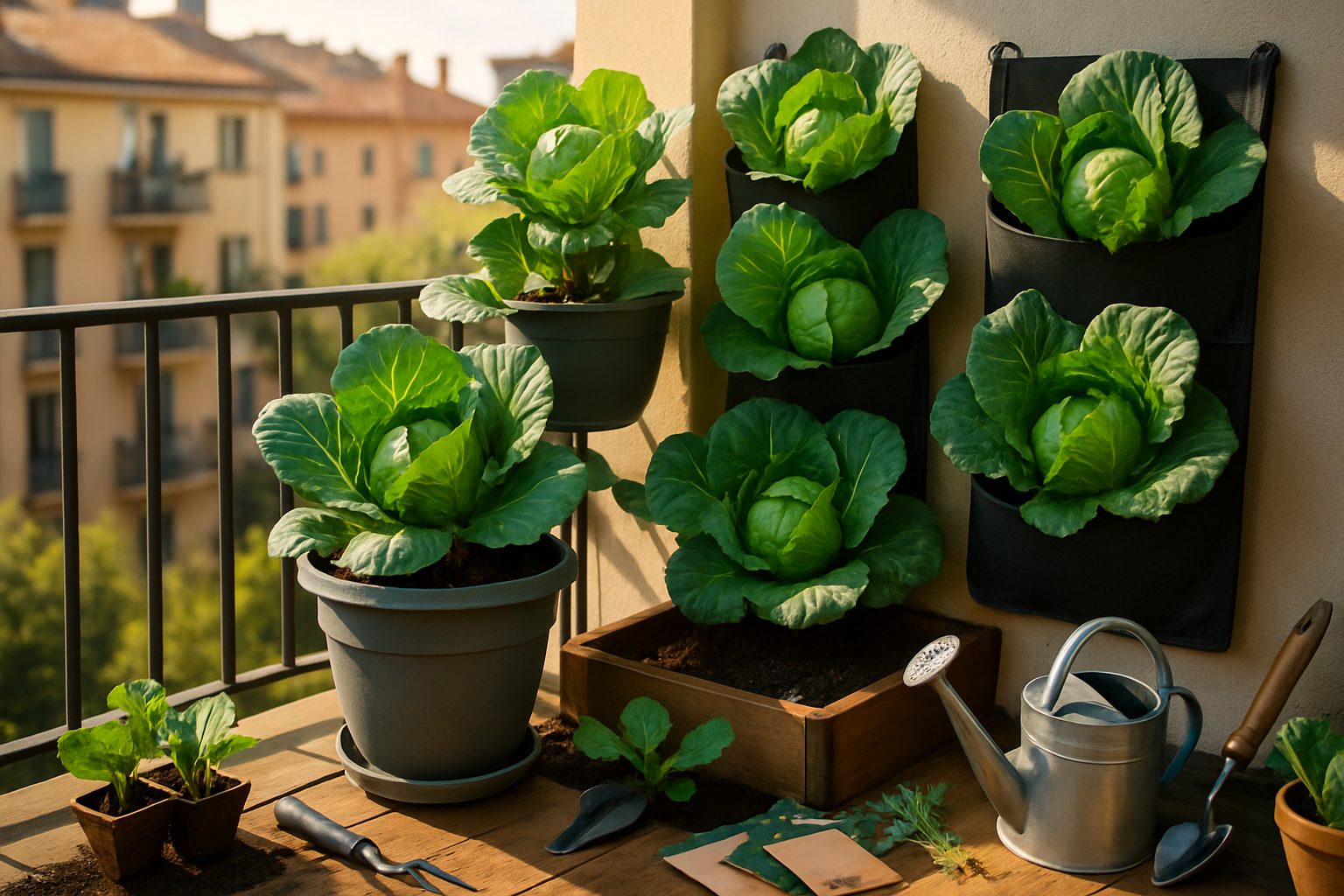
Vertical cabbage growing is transforming the way gardeners approach limited spaces, bringing the fresh crunch of homegrown cabbage to balconies, patios, and even sunny windowsills. As vertical gardening becomes increasingly popular among urban dwellers and those with smaller yards, it’s opening up new possibilities for growing nutritious vegetables in places where traditional in-ground beds just aren’t possible. Cabbage, with its compact root system and resilience, turns out to be an ideal crop for these innovative systems. By training cabbage to grow upwards in stacked planters, shelves, or wall-mounted pockets, you can maximize every square foot and enjoy a rewarding harvest right from your doorstep.
One of the major advantages of vertical cabbage growing is the dramatic savings in space it offers. If you’ve ever wanted to plant your own veg but felt restricted by cramped outdoor areas, vertical setups let you layer multiple heads of cabbage within the footprint of a single plant! This not only makes growing practical for apartment dwellers but also streamlines watering and care—pests are easier to spot, airflow is improved, and maintenance is convenient. Imagine harvesting crisp, healthy cabbage for your salads and stir-fries even if your “garden” is just a sunny wall.
With a little creativity, basic materials, and some tried-and-true tips, vertical cabbage growing turns small or unconventional spaces into highly productive vegetable gardens. Whether you’re a green-thumbed veteran or a curious beginner, the vertical approach is a fresh, modern twist on an old-fashioned gardening favorite.
Choosing the Right Cabbage Varieties for Vertical Gardens
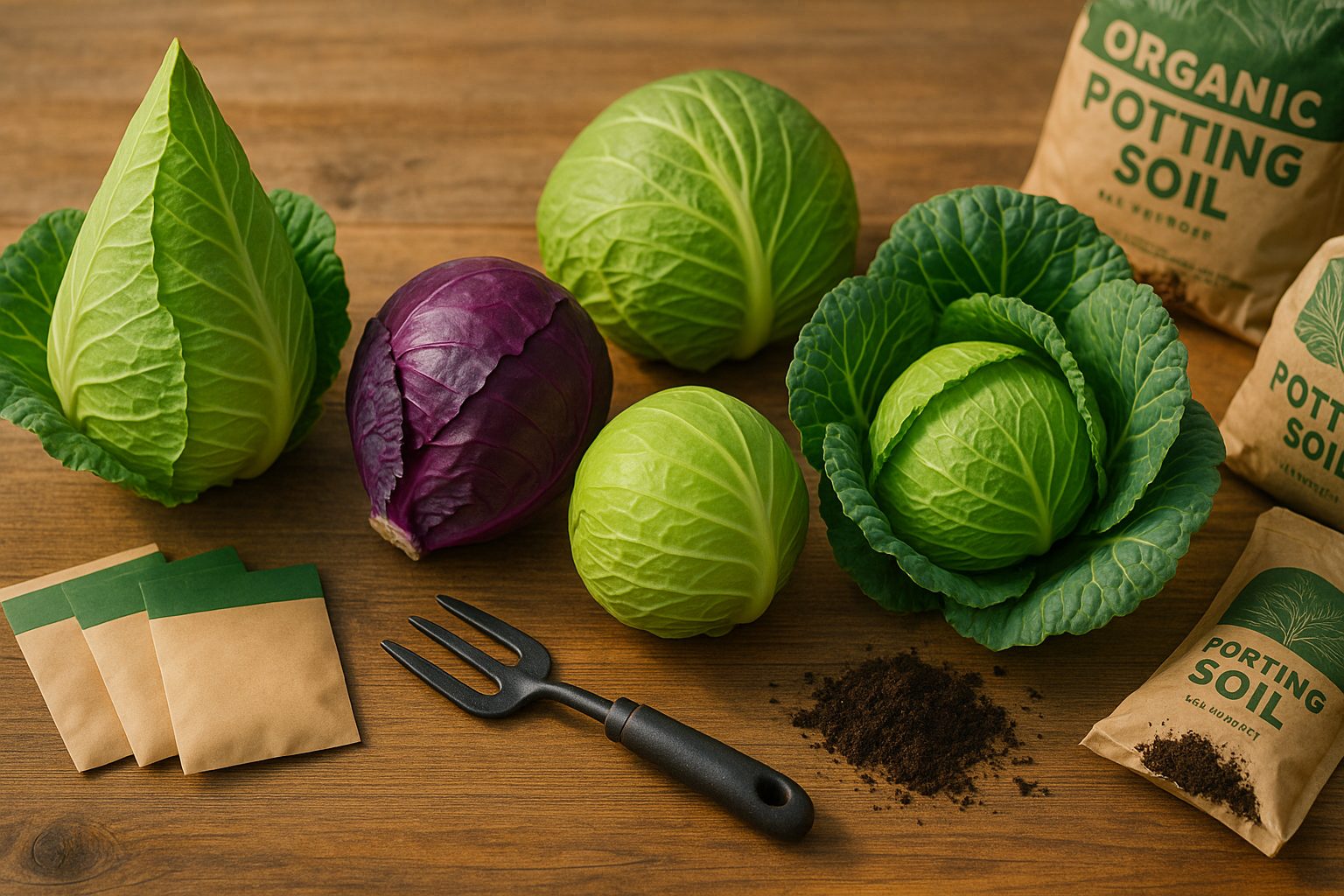
When selecting cabbage varieties for vertical gardens, it’s smart to focus on compact, fast-maturing types that don’t sprawl and can thrive in containers. Pointed cabbages like ‘Caraflex’ or ‘Hispi’ are excellent choices because their conical heads and tight growth habit make them space-efficient and easy to manage in vertical setups.
Early maturing varieties, such as ‘Golden Acre’ and ‘Primo’, allow you to harvest sooner—usually within 60 to 70 days—which is a real advantage if you want quick results or are working within a short growing season. If your goal is a continuous harvest, planting both early and late varieties lets you stagger your crops, so you’re not overwhelmed with heads all at once.
When it comes to late varieties, look for those bred for small to medium heads, like ‘Red Express’ or ‘Mini Cole’. They’ll fit better in limited spaces and often offer the bonus of increased disease resistance, which is key when air circulation is tight in vertical gardens. Disease resistance is particularly important, so choose varieties labeled as resistant to common cabbage afflictions such as clubroot and downy mildew. This reduces the need for chemical controls and helps ensure healthy growth in confined containers.
For best results, source seeds or young plants from reputable nurseries or specialized online retailers—these suppliers often provide helpful information about which varieties perform well in small spaces and containers. Read customer reviews, and if possible, opt for organic and regionally adapted seeds, which tend to be hardier and more reliable.
Starting with high-quality, fresh seeds boosts germination rates and overall success, while young plug plants can provide a head start if you’re eager to save time or concerned about tricky indoor seed starting. Ultimately, a little research and thoughtful planning go a long way toward choosing cabbage varieties that will thrive upward, not outward, offering plentiful harvests even in the smallest garden footprint.
Setting Up Your Vertical Gardening System
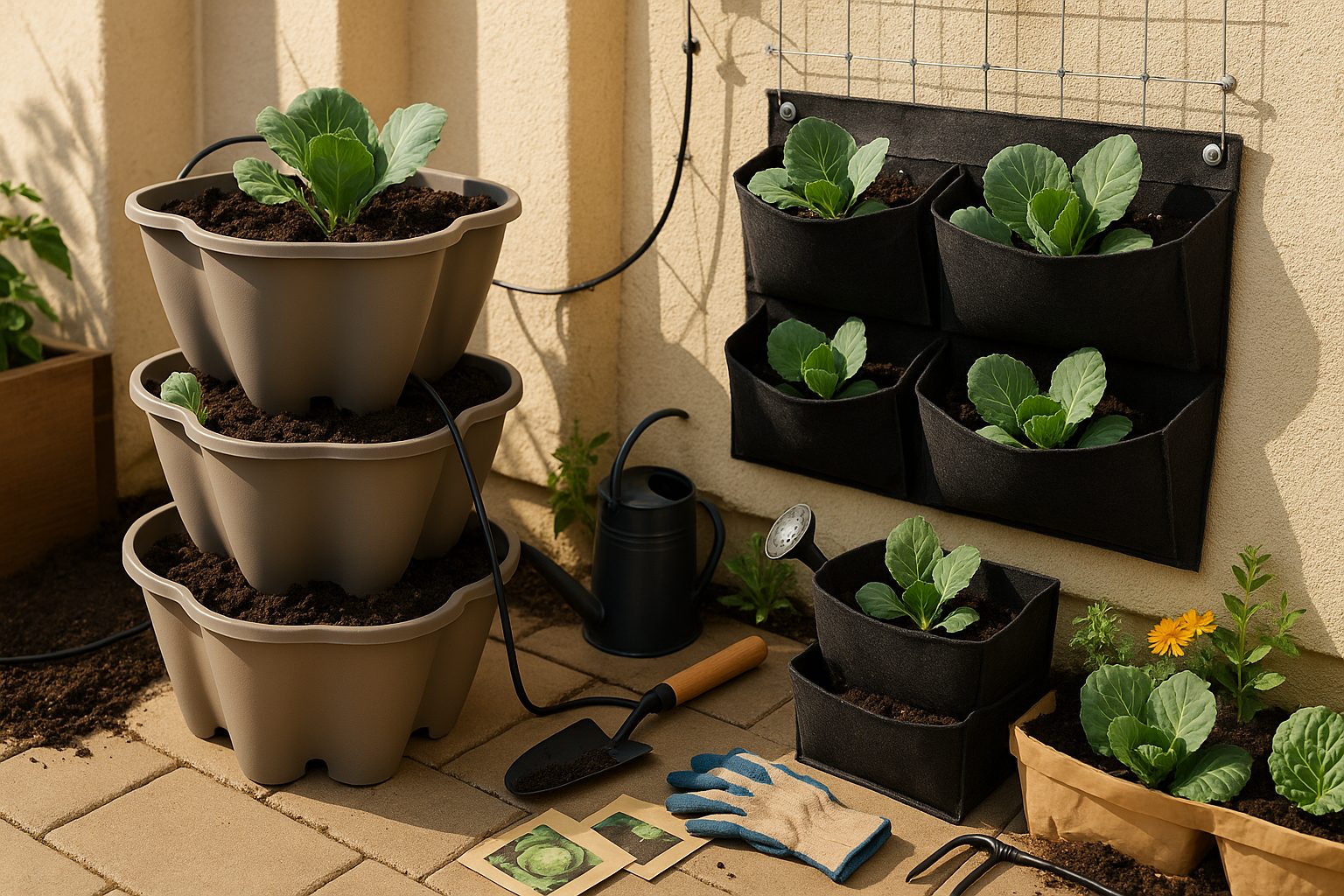
When setting up your vertical gardening system for cabbage, you have several smart options to consider. Popular choices include stackable planters that build upward, vertical garden towers, and wall-mounted pockets or panels. Each design maximizes space, but it’s important to choose the one that suits your location and needs.
For example, stackable plastic planters fit well on small patios, while wall-mounted fabric pockets work best against fences or sunny house walls. No matter the style, make sure you use a quality potting mix (or a soilless blend for hydroponic setups) that drains well but holds moisture.
Cabbage needs at least six hours of direct sunlight, so position your system in the brightest spot available—ideally with morning sun to reduce heat stress. Reliable access to water is essential, and drip irrigation or self-watering designs can make maintenance much easier, especially in summer.
When it comes to spacing, avoid crowding: cabbage needs a slot or pocket at least 10–12 inches wide to develop healthy heads.
DIY systems—such as reusing food-grade buckets, rain gutters, or even shoe organizers—can save money, but always ensure they’re sturdy and safe for edibles. Alternatively, commercial vertical planters like the GreenStalk offer ready-to-use solutions with built-in drainage and proper spacing, taking much of the guesswork out of assembly.
Whichever setup you choose, assemble it securely on a flat, stable surface and anchor tall towers against wind. A quick tip: assemble your system before filling it with soil, and test-drain it to see how excess water will escape. Rotate planters every week or two if sunlight comes from one side, so your cabbages grow evenly.
With the right vertical garden in place, you’ll find that even small spaces can yield crisp, homegrown cabbage all season long.
Planting and Maintaining Cabbage Vertically
Planting cabbage vertically begins with choosing a sturdy vertical container or tower garden that offers at least 6 inches of soil depth for roots to thrive. Fill the containers with fertile, well-draining potting mix, then sow seeds a quarter-inch deep, spacing them about 8–10 inches apart. Alternatively, transplant healthy seedlings at the same intervals.
Water thoroughly after planting, keeping the soil consistently moist but not soggy—check daily, as vertical gardens tend to dry out faster. Feed your cabbage every 2–3 weeks with a balanced, water-soluble fertilizer, or incorporate slow-release organic compost at planting for steady nutrient supply.
As your cabbages grow, rotate crops in your vertical garden each season to prevent soil-borne diseases and pest buildup. Avoid planting cabbage in the same space where you previously grew other brassicas, like kale or broccoli. Pair your cabbages with compatible companions such as nasturtiums or dill to help deter pests and encourage healthy growth.
Watch for issues like leggy plants, which often indicate they need more sunlight—move the tower to a sunnier spot or prune back shading plants. Yellowing leaves may signal overwatering, poor drainage, or nutrient deficiencies; ensure containers drain well and top up with compost or a calcium-rich feed if needed.
With attention to these simple steps, vertical cabbage can deliver crisp, homegrown heads even in small spaces.
Pest and Disease Management in Vertical Cabbage Gardens
Cabbage white butterflies and aphids are among the most common pests that threaten cabbage plants, feeding on leaves and causing stunted growth. Thankfully, vertical gardening can help minimize some of these pest problems—elevated plants are often more difficult for crawling insects to reach, and the improved air circulation between tiers makes the environment less inviting for pests and diseases to settle.
To further protect your vertical cabbage garden, practice regular monitoring: inspect plants daily for signs of eggs, caterpillars, or clusters of aphids. Early detection allows you to handpick pests or trim and discard heavily infested leaves before the problem spreads. Covering your vertical garden with fine netting or row covers is an easy and highly effective way to block out cabbage white butterflies and other flying insects without resorting to chemicals.
For persistent infestations, gentle, organic solutions like insecticidal soap or neem oil sprays can keep pests in check—just be sure to apply during cooler parts of the day to prevent plant stress.
Disease management is just as important, especially when it comes to issues like powdery mildew, which thrives in damp, crowded spaces. Vertical setups help by enhancing airflow and reducing leaf contact, making it harder for mildew to take hold. If you spot white, powdery patches on leaves, promptly remove the affected parts and avoid overhead watering, as moisture on foliage encourages fungal growth.
For ongoing disease prevention, consider using homemade sprays such as a diluted baking soda solution (one teaspoon baking soda in a quart of water) to help suppress mildew without risking plant safety.
By combining smart garden design with regular care and organic methods, you can keep your vertical cabbage garden healthy and productive while minimizing the need for harsh interventions.
Harvesting and Storing Your Vertical Cabbage Crop
Knowing when to harvest your vertical cabbage is key to getting the crispiest, sweetest leaves. Look for heads that feel firm and dense when gently squeezed, usually reaching 4–8 inches across depending on the variety. Avoid waiting too long—if the head starts splitting or cracks appear, harvest it immediately to prevent spoilage.
In tight vertical setups like tower planters or wall pots, use a sharp knife to carefully cut the cabbage head at the base, keeping as many outer leaves intact as possible to protect it during handling.
After harvesting, shake off any loose soil and remove tough or damaged outer leaves. Rinse the heads under cool running water and pat them dry.
Whole cabbage stores best in a vegetable crisper drawer in your fridge, wrapped loosely in a damp paper towel or a perforated plastic bag to retain moisture; this way, it can last for up to three weeks. If your storage space is limited, you can also slice or shred cleaned cabbage and keep it in airtight containers for shorter periods—perfect for meal prep.
Homegrown cabbage is incredibly versatile:
- Shred it fresh for slaws and crunchy salads
- Stir-fry it with garlic for a fast side
- Add chopped leaves to soups and wraps for extra nutrition
With proper harvesting and storage, you’ll have a steady supply of crisp cabbage that’s ready to elevate any meal.
Troubleshooting & Maximizing Your Vertical Cabbage Yield
If your vertical cabbage heads seem smaller than expected or aren’t growing quickly, several small changes can boost your results.
First, check your light—cabbage needs at least six hours of direct sun daily, even indoors with strong grow lights. Poor growth may signal a lack of nutrients, so feed your plants every few weeks with a balanced, organic fertilizer, and keep the soil consistently moist but not soggy.
If plants start to “bolt” (flower prematurely), it’s often due to temperature swings or too much heat. Try moving your vertical garden to a cooler location and select bolt-resistant varieties for future harvests.
For bigger yields, regularly trim off yellowed or damaged outer leaves to direct more energy to head formation. Also, stagger plantings every few weeks so you always have mature cabbages ready for harvest.
Don’t overlook the benefits of companion planting—add herbs like dill or nasturtiums nearby to attract helpful insects and keep pests away.
Finally, rotate cabbage and other brassica family crops through different vertical slots or towers each planting season to prevent disease buildup.
Small tweaks like these can mean the difference between struggling plants and a consistently large, tasty cabbage crop.