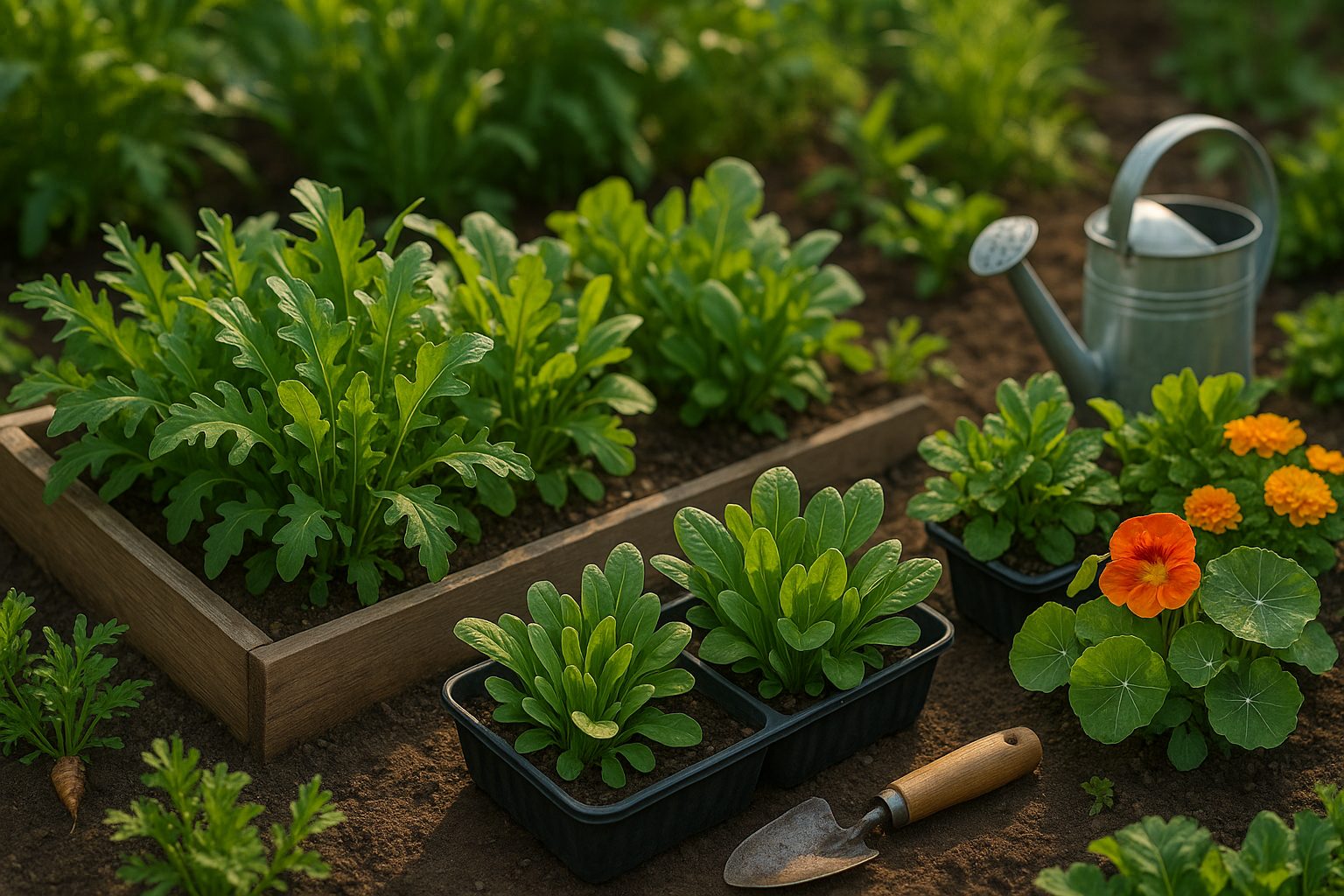
Introduction to Arugula Varieties for Your Garden
When it comes to spicing up your home garden, choosing the best arugula varieties can make all the difference. Arugula, also known as rocket, is a nutritious, fast-growing leafy green that has captured the hearts—and taste buds—of gardeners and chefs alike. Its distinctive peppery flavor isn’t just a treat for salads and sandwiches; it also adds a zesty twist to pizzas, pastas, and even homemade pestos. Recently, arugula has grown in popularity thanks to its easy cultivation and impressive nutritional profile, offering generous amounts of vitamin K, vitamin C, and essential minerals in every bite.
Growing different arugula varieties gives you a chance to tailor both the taste and appearance of your garden harvest. For instance, classic cultivars like ‘Astro’ provide mild, tender leaves perfect for salads, while spicier types like ‘Wild Rocket’ deliver an extra kick for adventurous dishes. Some varieties are more tolerant to heat or resistant to pests, extending your harvest window and minimizing maintenance. By mixing and matching these options, you can enjoy a constant supply of fresh greens with unique flavors and textures right from your backyard.
Whether you’re working with a raised bed, container garden, or a corner of your yard, arugula’s versatility and low-maintenance needs fit almost any space. With a quick turnaround from seed to table—often less than a month—arugula invites even beginner gardeners to get creative with their greens. Ready to discover which varieties might be best for your garden and your kitchen? Let’s dig in.
Top Popular Arugula Varieties
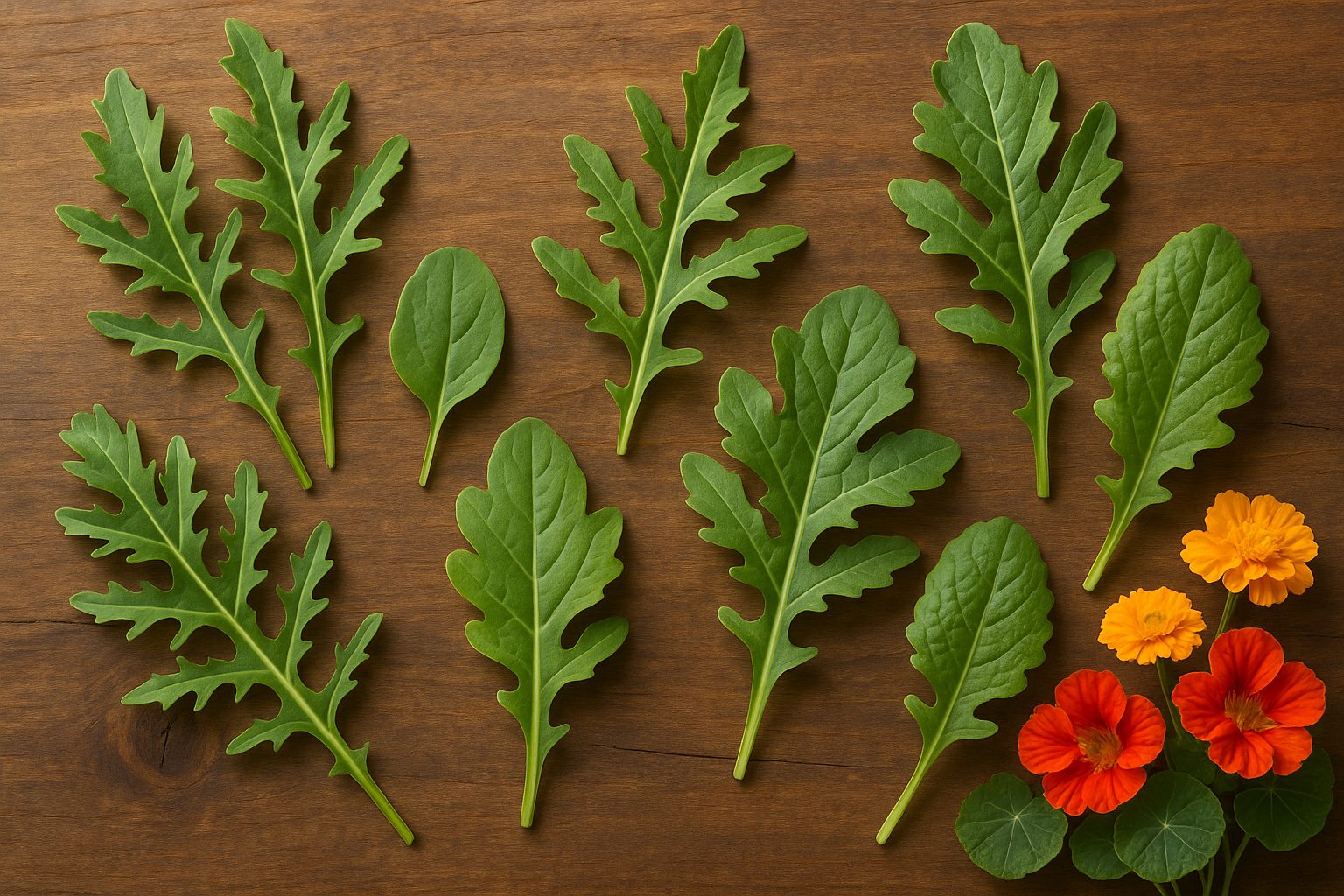
When it comes to arugula, there’s more variety than you might expect, each with its own distinct flavor and growth habits.
Astro is a top pick for its mild, nutty flavor and quick growth — it’s great for those who enjoy delicate greens and for gardeners in cooler climates since it resists bolting.
Classic Rocket, often simply called arugula, delivers that peppery punch many salad lovers crave. Known for its signature lobed leaves and fast harvest time, it’s perfect for repeated sowings.
Italian Cress stands out with a slightly sharper, spicy kick and robust leaves. Its slower-to-bolt nature makes it ideal for growing in warmer weather.
For bold flavor seekers, Wasabi Arugula offers a strong, horseradish-like zing that’s perfect for spicing up sandwiches and sushi. Keep in mind, it prefers cooler conditions for the best flavor.
Selvatica, a variety of Wild Rocket, boasts smaller, intensely flavored leaves and thrives in both pots and garden beds. Choose this one if you want to grow arugula year-round since it tolerates temperature swings.
Wild Rocket itself is renowned for its deeply serrated, thin leaves and extra-intense flavor. It is notably more cold- and heat-tolerant than standard types, making it a smart choice for challenging climates.
If you’re new to arugula, start with Astro or Classic Rocket for a milder experience, and experiment with Wild Rocket or Wasabi as your tastes evolve.
Always check seed packets for bolt resistance and preferred planting times, as these details can help you match the variety to your local weather patterns and salad preferences.
Growing Conditions & Care Tips
Arugula thrives in well-draining, fertile soil with a neutral to slightly acidic pH between 6.0 and 7.0. Consider mixing in compost or organic matter before planting to boost nutrients. Aim for a sunny spot, as arugula loves at least 6 hours of sunlight daily, but it can also tolerate partial shade—especially useful during hot summer months when too much heat can cause the leaves to turn bitter or bolt quickly.
Ideal temperatures for robust growth fall between 45°F and 65°F; cool spring or fall days are perfect, so plan your sowing accordingly. Keep the soil consistently moist but not saturated; arugula’s shallow roots mean it needs more frequent watering, especially in warm, dry weather. A good rule of thumb is to water when the top inch of soil feels dry, using a soaker hose or gentle watering can to avoid splashing foliage and encouraging disease.
Watch for common pests like flea beetles, aphids, and cabbage worms—floating row covers and regular inspection can help deter infestations, and a soapy water spray or neem oil offers an organic solution for minor outbreaks. For diseases like downy mildew or leaf spot, ensure good air circulation between plants and always water at the soil level rather than overhead.
Whether you’re growing arugula in a garden bed or a container, space seeds or seedlings about 4–6 inches apart for ample growth and airflow. When growing in containers, choose a pot at least 6 inches deep and use a high-quality potting mix, watering slightly more often to compensate for quick soil drying. Regular harvesting of outer leaves encourages new growth and helps keep your crop healthy and productive all season long.
Harvesting and Storing Arugula
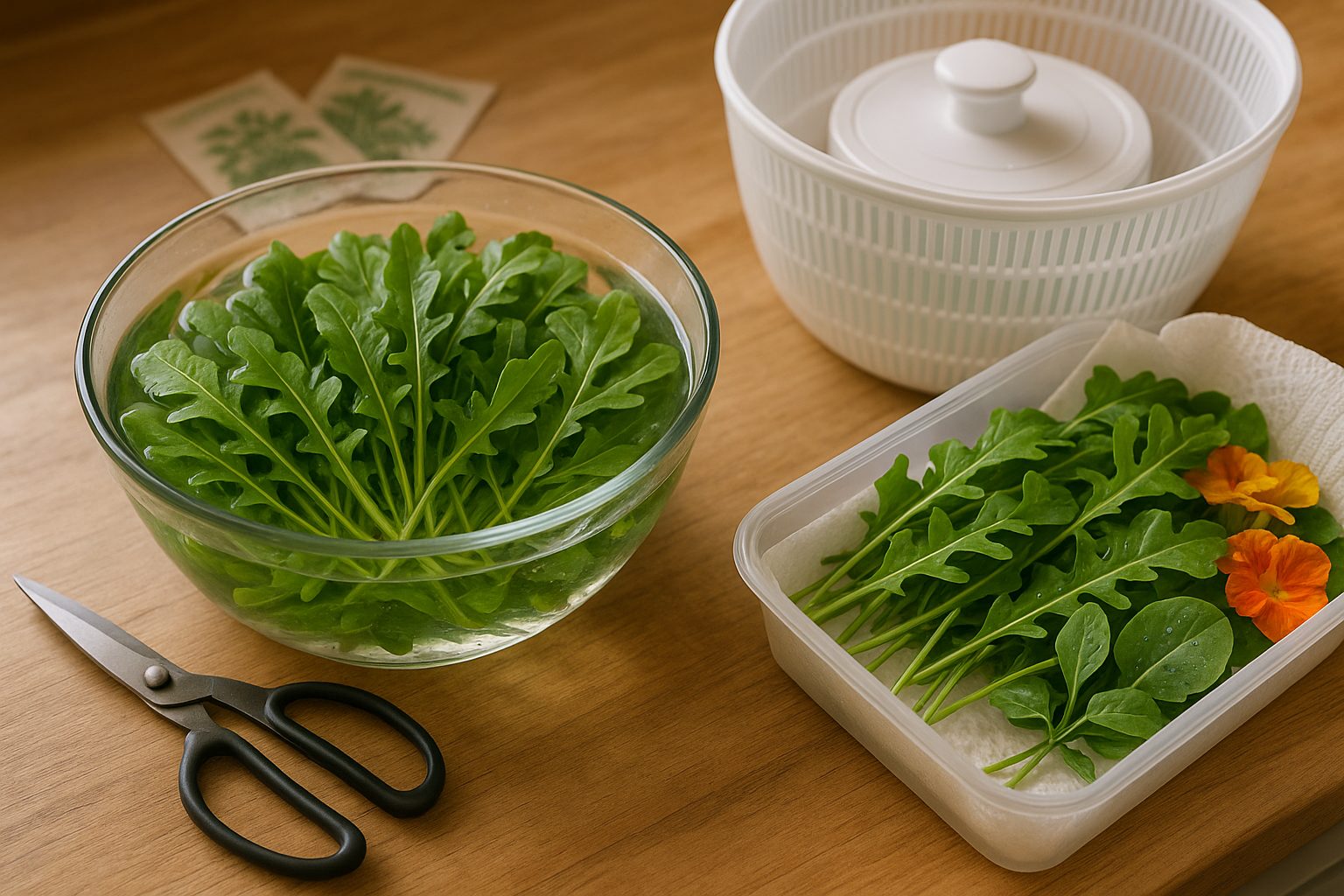
To get the best flavor and texture from arugula, harvest the leaves when they’re young and tender—usually when they reach about three to four inches long, around 20–30 days after sowing. Simply snip the outer leaves with clean scissors, leaving the inner leaves to keep growing so you can enjoy multiple harvests from the same plant.
For gardeners hoping to extend their arugula season, try succession planting by sowing a new row of seeds every two weeks; this ensures a continual supply of fresh greens. Additionally, choose bolt-resistant arugula varieties if you’re growing in warmer weather, as standard types tend to “bolt” (flower and become bitter) quickly in the heat.
Once picked, arugula wilts fast, so immediately cool the leaves in water, gently dry them (a salad spinner works wonders), and store them in a loosely closed bag or container in the fridge. Wrapping them in a paper towel can help absorb excess moisture and keep the greens crisper for up to a week.
Culinary Uses and Nutrition Highlights
Arugula isn’t just flavorful—it’s packed with health benefits that make it a smart addition to any meal. This leafy green is rich in vitamins A, C, and K, which support vision, immunity, and bone health. It also contains essential minerals like calcium, potassium, and magnesium.
Thanks to its high fiber content, arugula can aid digestion and help you feel full, making it great for weight management. Incorporating arugula into your routine is simple:
- Toss a handful into salads for a peppery twist.
- Layer it on sandwiches or wraps for added crunch.
- Blend it into homemade pestos alongside basil for a fresh, zesty sauce.
For cooked dishes, wilt arugula into pastas or stir it into scrambled eggs just before serving to preserve its vibrant color and flavor. Both classic and wild arugula varieties pair well with sweet and savory ingredients alike. Try wild arugula with shaved Parmesan and balsamic glaze, or mix classic arugula with roasted pears and walnuts for a standout salad.
For a quick appetizer, top crostini with whipped ricotta, arugula, and a drizzle of honey. No matter how you use it, arugula’s versatility and nutrient profile can elevate everyday meals while supporting a balanced diet.
Growing Arugula: Common Questions Answered
If you’re new to growing arugula, you probably have a few pressing questions, like how to keep it from bolting, whether it grows back after cutting, and how to deal with common hiccups.
First, to prevent bolting—the quick flowering that makes leaves tough and bitter—plant arugula early in spring or late in summer when the weather is cooler, and harvest often to keep the plant focused on leaf growth.
Arugula is a “cut and come again” green, so you can snip outer leaves and let the rest keep growing for several harvests. If your arugula tastes extra bitter, heat or age is usually the culprit; pick young leaves and provide afternoon shade when possible.
Watch out for flea beetles and aphids, two pests that love arugula—use lightweight row covers or hose off aphids with a blast of water. Overwatering, overcrowding, and poor soil are common mistakes; space your plants out, use well-drained soil, and water only when the top inch feels dry.
Try sowing several arugula varieties to keep things interesting—some are spicy, others mild, and there are even colorful or frilly types. Trying a mix not only adds flavor to your salads but helps you learn what thrives best in your garden.
With a little attention and experimentation, arugula is a quick, rewarding green for any gardener—perfect for snacking straight from the garden or adding a peppery punch to any meal.
Conclusion & Next Steps
Growing multiple varieties of arugula in your garden isn’t just about adding visual appeal—it’s a smart way to maximize flavors, textures, and harvests throughout the season. Different cultivars bring everything from peppery spice to delicate, nutty notes, plus varying leaf shapes that suit a range of salads and dishes.
If you’re just getting started, try planting a couple of seed packets side by side; popular options like ‘Astro’, ‘Wild Rocket’, and ‘Dragon’s Tongue’ each offer unique tastes and growth habits. As you discover your favorites, you can branch out by saving seeds from the best performers or swapping with local gardeners.
For quality seeds, reputable sources like Johnny’s Selected Seeds, Baker Creek, and Botanical Interests offer plenty of choice and helpful growing tips. If you’re looking to deepen your arugula know-how, online communities like Reddit’s gardening forums or blogs from experienced gardeners can provide support and inspiration as you experiment and expand your leafy green patch.
Start small, keep notes, and enjoy the process—soon you’ll have a steady supply of fresh, homegrown arugula that truly fits your taste and table.