What Causes Zucchini Flowers to Fall Off?
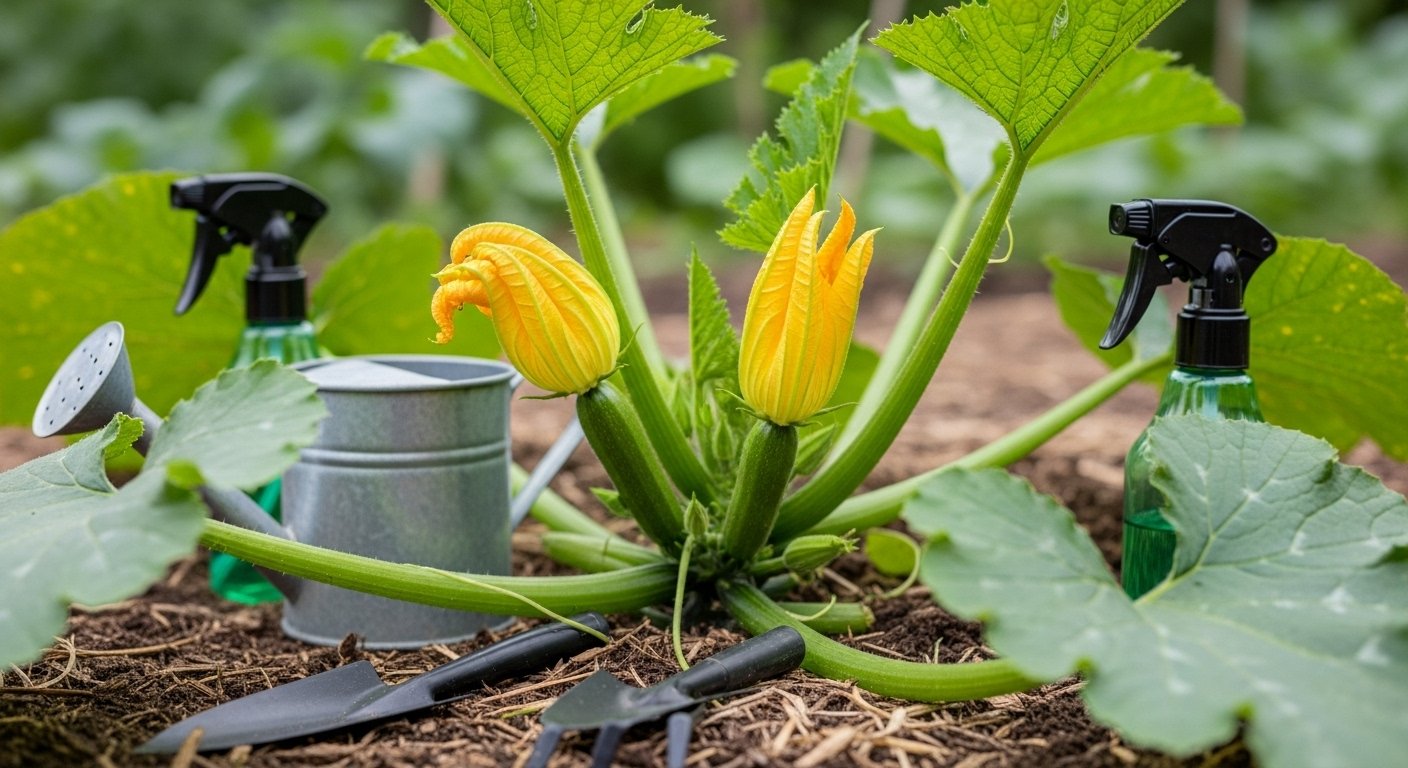
If you’ve recently noticed zucchini flower drop in your garden, you’re not alone—this quirk often leaves both new and seasoned gardeners puzzled. Zucchini plants produce an abundance of bright, delicate blossoms, but many gardeners are surprised to find their flowers wilting and falling off before turning into the glossy green fruits they’re hoping for. Understanding why these flowers drop is the first step to a bountiful harvest.
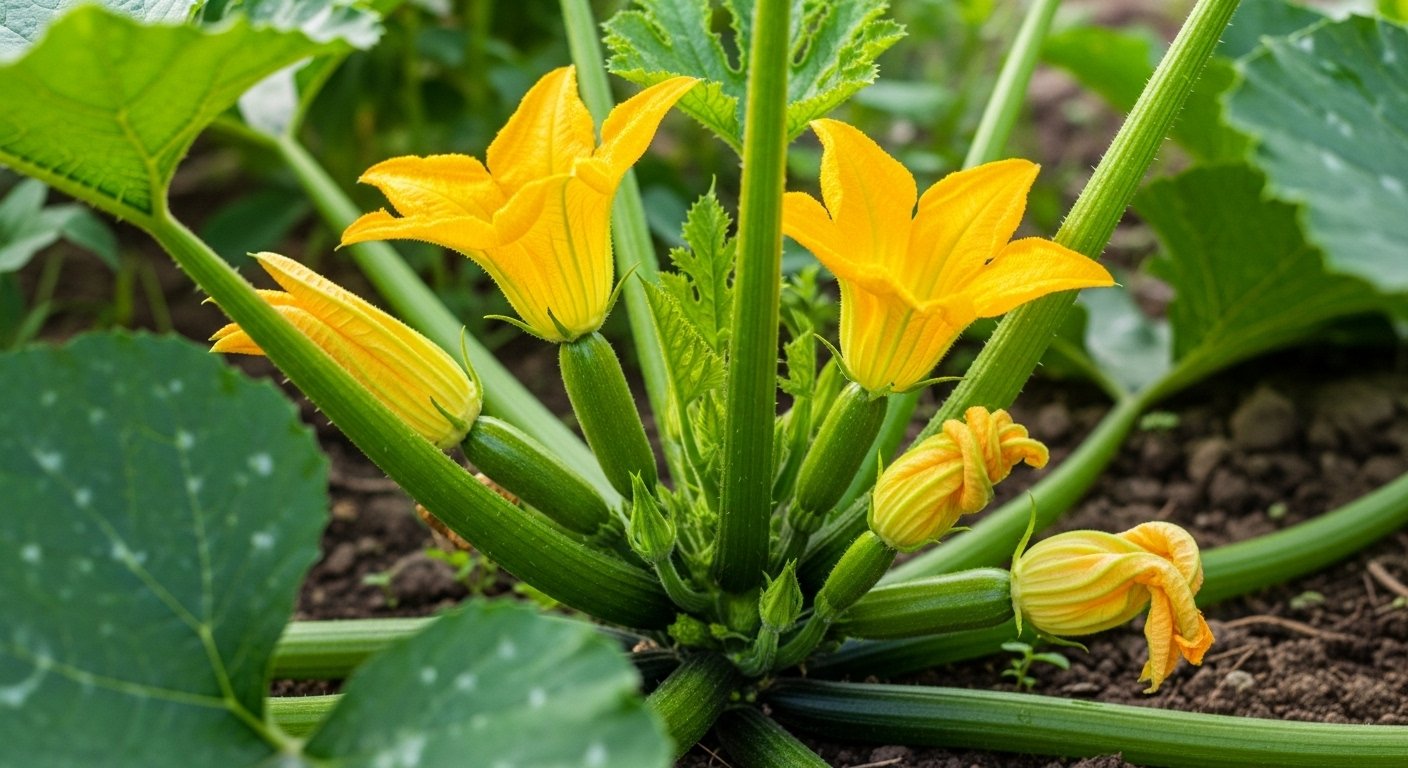
Let’s start with the basics: zucchini plants produce both male and female flowers, each playing a unique role in fruit development. The first blooms you’ll see are typically male; they grow on thin stems and are there to provide pollen. It’s completely normal for male flowers to drop off soon after releasing their pollen—think of it as nature’s way of moving on once their job is done. Female flowers, on the other hand, appear on shorter stems with a tiny bulge at the base (the future fruit). These will stay on the plant if pollination is successful, but without pollination, they too may drop prematurely.
Beyond the expected lifecycle, several stress factors can lead to excessive or untimely zucchini flower drop. Temperature extremes—such as midsummer heatwaves or unseasonably cool nights—can stress plants and disrupt flowering. Inconsistent watering, whether the soil becomes bone dry or waterlogged, puts your zucchini at risk, as the plants rely on steady moisture. Pests like squash vine borers and diseases such as powdery mildew add more stress, hindering healthy flowering and fruit set.
To minimize unnecessary blossom drop, aim for even watering, monitor temperatures, and check plants regularly for pests or signs of disease. With a bit of attention, your zucchini flowers can get the best possible chance to bear fruit instead of simply decorating your garden’s mulch.
Male vs. Female Zucchini Flowers
Telling male from female zucchini flowers is easier than you might think—just look closely at their base. Male flowers have long, slender stalks and grow in clusters, while female flowers appear singly with a small, swollen bulb (the future zucchini) just below the petals.
When you peek inside, you’ll notice the male’s single, pollen-covered stamen and the female’s multi-lobed stigma. In terms of roles, male flowers supply the pollen, while female flowers catch that pollen and develop into the actual fruit—your homegrown zucchinis.
Early in the season, you’ll likely see more male flowers; don’t worry if some fall off after blooming. It’s normal for male flowers to drop since their main job is releasing pollen, not producing fruit. However, if you notice female flowers—identified by the mini-zucchini bulge—shriveling and dropping, that signals a problem, usually due to poor pollination.
Bees and other pollinators may not be transferring enough pollen, often because of weather or pesticide use. If that happens, you can hand-pollinate by dabbing pollen from the male’s stamen to the female’s stigma with a small brush or cotton swab. This simple trick can help save your crop and boost zucchini yields, even in tricky growing conditions.
Pollination Problems and Blossom Drop
Pollination is crucial for your zucchini plants to produce healthy, well-formed fruits. Each zucchini blossom needs pollen from male flowers transferred to female flowers—usually by bees or other pollinating insects—before it can mature into a squash. Without effective pollination, female flowers may start developing tiny fruits, but if not enough pollen is delivered, those little zucchinis often shrivel, turn yellow at the tips, and fall off prematurely, a phenomenon called blossom drop.
You might notice that your plants have plenty of flowers, yet very few fruits seem to stick around and grow large. Several factors can disrupt this process:
- Cool, rainy, or extremely hot weather can limit bee activity.
- Wind or rain might physically damage flowers or wash away pollen.
- A low population of bees and pollinators near your garden, sometimes due to pesticide use or lack of flowering plants nearby.
If you suspect poor pollination is a problem, look for signs like misshapen zucchinis, undeveloped fruit ends, or repeated blossom drops. You can help by planting pollinator-friendly flowers near your veggie patch and avoiding pesticides, especially during flowering.
In a pinch, try hand-pollinating by gently swiping a small paintbrush or cotton swab inside a freshly-opened male flower and transferring the pollen to the center of the female flowers—the ones with a tiny swelling at the base. With a bit of care and close observation, you can boost your zucchini harvest even when nature needs a little nudge.
Encouraging Successful Pollination
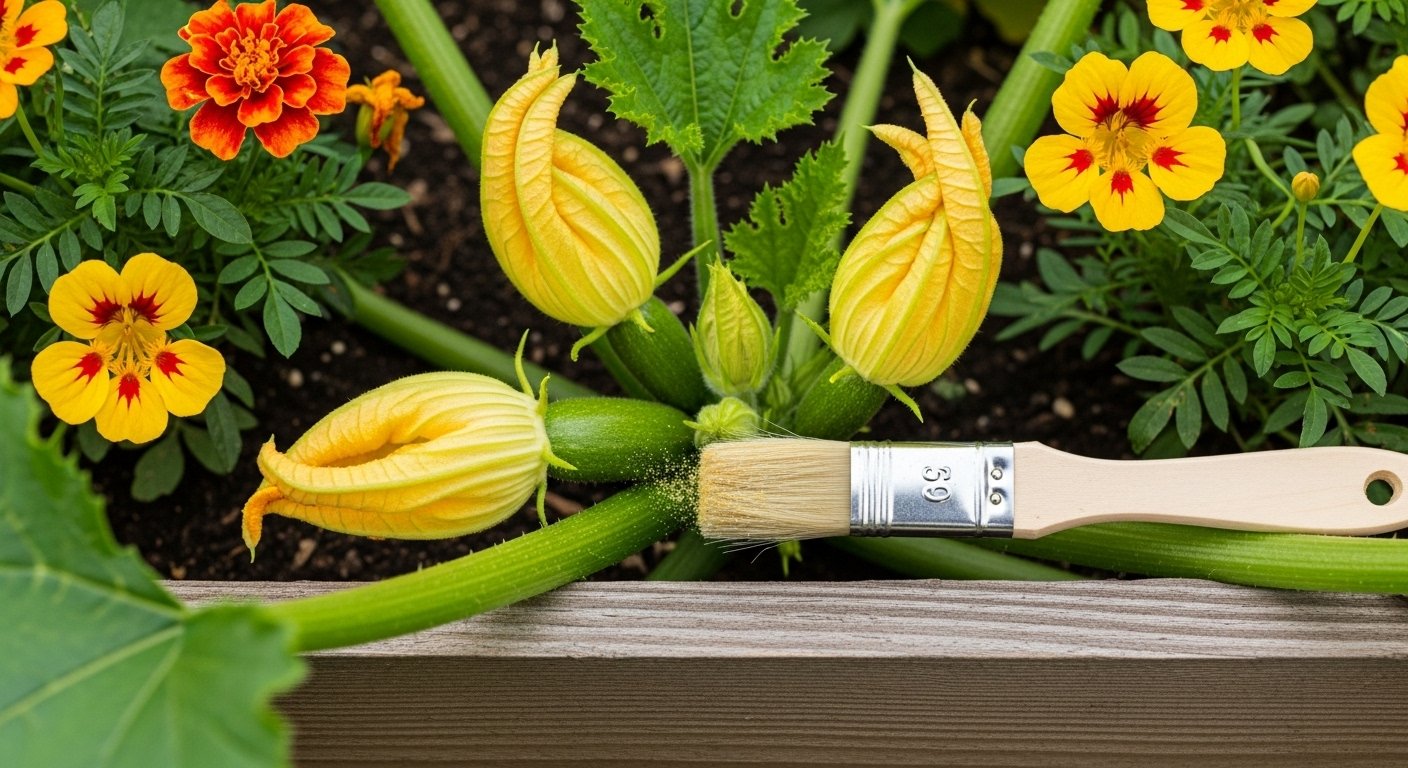
A thriving zucchini harvest starts with successful pollination, and there are several ways you can support nature’s process in your garden. First, create a pollinator-friendly space by planting a variety of nectar-rich companion flowers like marigolds, sunflowers, and nasturtiums nearby—these attract bees and butterflies that help transfer pollen between zucchini blossoms.
Maintain a safe environment for helpful insects by minimizing or eliminating pesticide use; if you must address pests, opt for organic options and apply them in the evening when pollinators are less active. Sometimes, especially in cool or wet weather, natural pollinator activity is low, and you may need to step in with hand-pollination to make sure your zucchini sets fruit. To do this, choose a freshly opened male flower (with a thin stem and no small fruit at the base), then carefully follow these steps:
- Pick a male flower and peel back the petals to expose the pollen-covered stamen inside.
- Gently brush the stamen against the sticky central stigma of a female flower (which has a tiny zucchini behind the blossom).
- Alternatively, use a small paintbrush or cotton swab to collect pollen from the male stamen and dab it onto the stigma of the female flower.
- Repeat daily on new female flowers to maximize fruit production.
By combining pollinator-attracting flowers and hands-on pollination techniques, you can overcome poor pollinator presence and ensure a bountiful zucchini crop even in less-than-ideal conditions. Regularly checking for open flowers and acting quickly increases your chances of success, giving you consistent homegrown harvests all summer long.
Zucchini Plant Care: Avoiding Stressors
Zucchini plants are resilient, but they’re surprisingly sensitive to common stressors like irregular watering, over-fertilizing, and abrupt temperature changes.
One major issue is inconsistent irrigation: letting plants dry out and then flooding them can cause fruit and flower drop. Aim to water zucchini at the base, keeping the soil consistently moist but never soggy—about one inch per week is a good target, adjusting for rainfall.
Over-fertilizing, especially with nitrogen-heavy products, encourages leafy growth at the expense of fruits. Instead, enrich your soil before planting with compost or a balanced slow-release fertilizer. Good soil preparation is essential: mix in plenty of organic matter to enhance drainage and nutrient balance.
Zucchinis thrive in well-drained, loamy soil with a pH between 6 and 7, so a quick soil test is worth the effort.
Temperature swings can also stress zucchini—if you expect cold nights, cover plants with row covers, and during heatwaves, mulch the soil to conserve moisture.
To prevent flower drop and other stress-related issues, make it a habit to check your zucchini plants regularly for signs of pests like squash bugs and powdery mildew. Early intervention, like hand-picking bugs or removing affected leaves, often saves your crop.
Keeping a simple gardening journal with notes on watering, weather, and any problems you spot can help you learn and improve each season. A steady routine, healthy soil, and sharp observation are your best tools for reducing zucchini plant stress.
End-of-Season Zucchini Care
As summer winds down, you might notice your zucchini plants slowing their production—flowers and fruiting become less frequent as the days get shorter and nights grow cooler. That’s a natural sign the season is ending, and it’s time to start thinking about cleanup.
Begin by harvesting any remaining zucchinis, even the smaller ones, since the fruit won’t grow much larger now. Once plants stop producing and leaves start yellowing or developing mildew, pull them up and cut the stems close to the ground.
Healthy plant debris can go straight into your compost pile, adding valuable nutrients for next year’s garden; however, discard any plants showing signs of disease to prevent future outbreaks.
Remove mulch and give the soil a light raking to break up surface compaction. Then, add compost or a layer of organic matter to feed the garden beds over winter.
If you grew an open-pollinated or heirloom variety, consider saving seeds for next year—select a fully mature, large zucchini, scoop out the seeds, rinse, and dry them thoroughly before storing in a cool, dry place.
With a bit of end-of-season attention, your garden beds will be ready to start strong next spring.
Storing and Using Zucchini After Harvest
For the best flavor and texture, pick zucchini when they’re about 6 to 8 inches long—any bigger and they can develop tough skin and a bitter taste. Use a sharp knife or garden shears to cut the stem cleanly, leaving a small portion attached; this helps your squash last longer.
Once harvested, don’t wash the zucchini until you’re ready to use it, as excess moisture can promote spoilage. Store fresh zucchini unwashed in a paper or plastic bag with a few small holes in the refrigerator’s crisper drawer, where it should stay fresh for up to a week.
For longer-term storage, slice or grate the zucchini and freeze it in airtight bags—this makes it easy to toss into soups, stir-fries, or baked goods later.
Using Your Zucchini Harvest
To use your harvest quickly, try sautéing sliced zucchini with garlic, baking it into muffins, spiralizing it for veggie noodles, or grilling thick slices as a summer side dish. If you have a bumper crop, consider:
- Making zucchini pickles or relish
- Dehydrating thin slices for crunchy chips
With these simple steps, you can enjoy your zucchini bounty long after harvest season ends.