Introduction
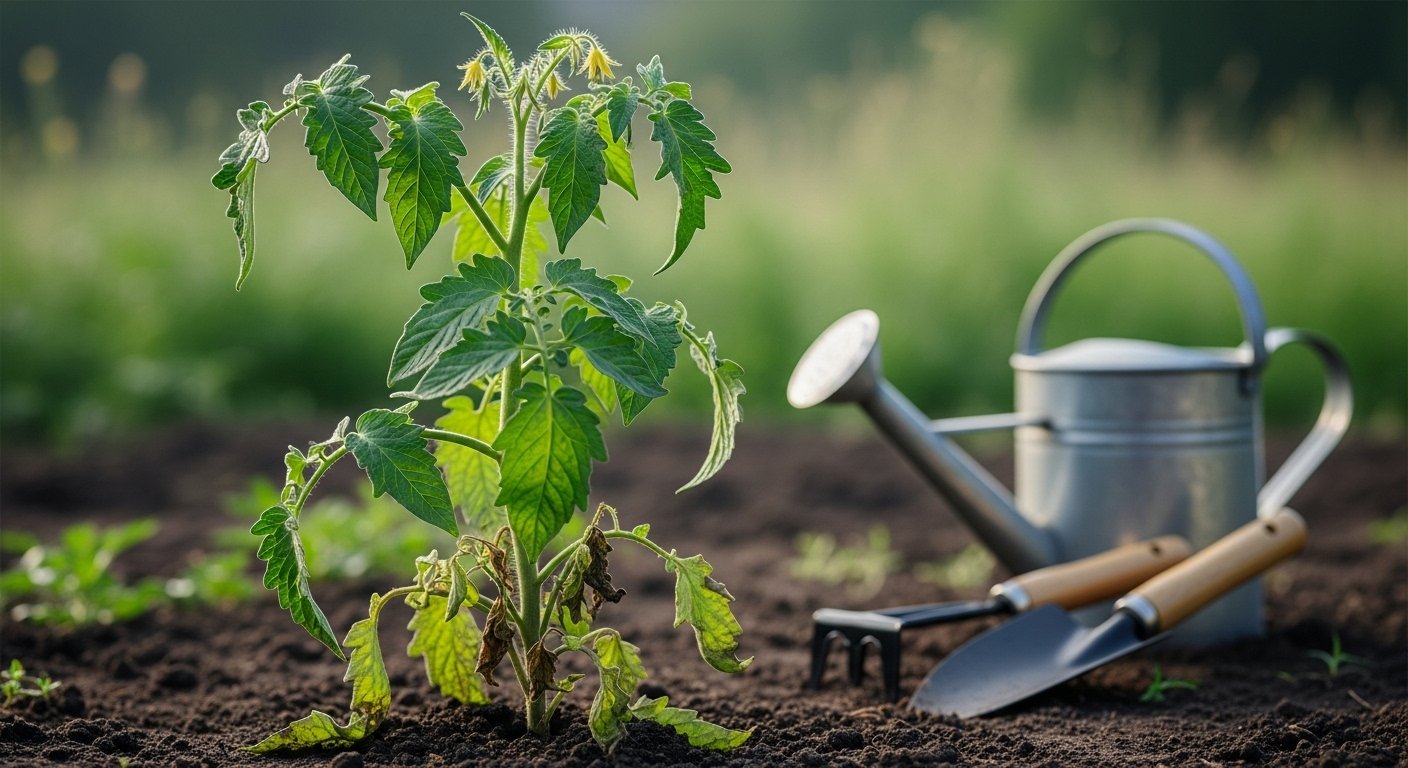
Noticing a wilting tomato plant in your garden can be alarming, leaving you wondering what went wrong and how to rescue your precious crop. Wilting isn’t just a cosmetic issue—it’s often a sign that your tomato plant is under stress or battling disease. Understanding the cause is essential for a healthy harvest. Luckily, most cases of wilting trace back to a handful of reasons: common problems like underwatering or heat stress, or more serious threats such as fungal diseases, pest damage, or root rot.
The good news is, once you pinpoint the cause, you can usually take steps to revive your plant and prevent future issues. In this article, we’ll walk you through the most common causes of tomato wilting, offer easy-to-follow diagnosis tips, and share practical treatments so your tomato plants perk up and thrive all season long.
Common Causes of Wilting Tomato Plants
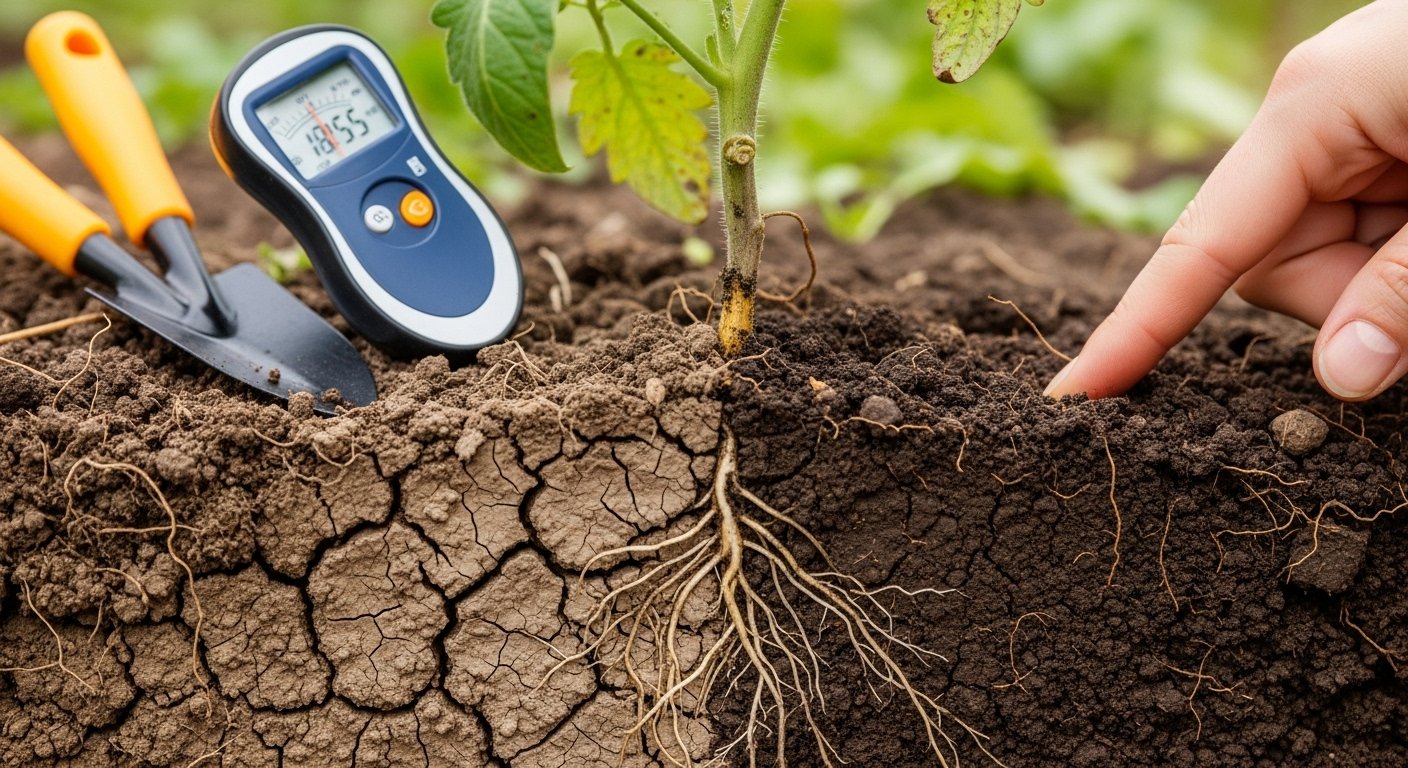
Wilting tomato plants can be alarming, but the most common culprit is improper watering—either too little or too much. When the soil dries out, tomato roots can’t supply enough moisture to the leaves, causing them to droop. On the other hand, over-watering suffocates roots, limiting oxygen and making them more prone to diseases like root rot, which also causes wilting.
It’s not just about water; extreme heat or prolonged sun exposure can lead to temporary wilting even when soil moisture is adequate. During hot afternoons, tomatoes may wilt as a defense mechanism to reduce water loss but often perk back up in the evening when it’s cooler.
If wilting persists regardless of watering or weather, root issues might be to blame—damaged roots from pests, disease, or transplant shock prevent proper water uptake. Likewise, compacted or poorly draining soil keeps roots from getting the air and nutrients they need.
To figure out what’s wrong, observe patterns:
- If your plants wilt during the hottest part of the day but recover by night, heat is likely the cause.
- Persistent wilting, even after watering or on cloudy days, signals deeper root or soil problems.
Monitoring the soil by sticking your finger in up to the second knuckle can help you gauge moisture levels before adjusting your care routine. By watching your plants closely and noting when wilting occurs, you can quickly pinpoint and solve the issue before it affects your harvest.
Diseases that Cause Tomato Plant Wilting
Tomato plant wilting can result from several diseases, with Fusarium wilt, Verticillium wilt, and bacterial wilt being the most common offenders. Unlike drought stress—where the entire plant droops evenly and recovers after watering—disease-related wilting usually starts with one side or just a few leaves drooping while the soil remains moist.
Fusarium wilt generally begins on one side of the plant, showing yellowing and browning of the lower leaves that progresses upward, often accompanied by dark discoloration inside the stem. Verticillium wilt also causes yellowing of lower leaves, typically with V-shaped lesions, but symptoms develop more slowly and affect both sides of the plant evenly. Bacterial wilt is known for causing rapid, whole-plant wilting without much yellowing. If you cut the stem, you might notice a sticky, milky sap oozing out.
To prevent these issues, choose disease-resistant tomato varieties, which are marked with abbreviations like “V” (Verticillium), “F” (Fusarium), and “RW” (root-knot nematode resistance). Always clean your tools and remove garden debris to reduce the spread of harmful microbes. Practicing crop rotation and promptly removing infected plants are also essential steps for keeping your tomatoes healthy year after year.
Pests and Environmental Stress
Insect pests like root knot nematodes, aphids, and whiteflies are notorious for causing wilting and damage in plants. Root knot nematodes, for example, invade roots, creating galls that disrupt water and nutrient uptake, leading to stunted growth and limp leaves.
Meanwhile, sudden weather changes—like a spike in temperature, strong winds, or an unexpected cold snap—can stress plants, making them more vulnerable to pests and diseases. Transplant shock is another common issue when moving young plants, as their roots may struggle to adapt to new soil conditions, resulting in temporary wilting.
To reduce pest impact, inspect plants regularly for signs of bugs; use natural predators like ladybugs or grow nematode-resistant plant varieties when possible. Applying mulch helps retain soil moisture and regulate temperature. Try to transplant seedlings during the cooler parts of the day, and be sure to water them thoroughly before and after moving.
Using windbreaks, such as fences or hedges, can also shield plants from harsh gusts. Quick action—like removing infested plants and treating soil before planting—goes a long way toward keeping your garden healthy and resilient against pests and environmental stresses.
How to Diagnose the Cause
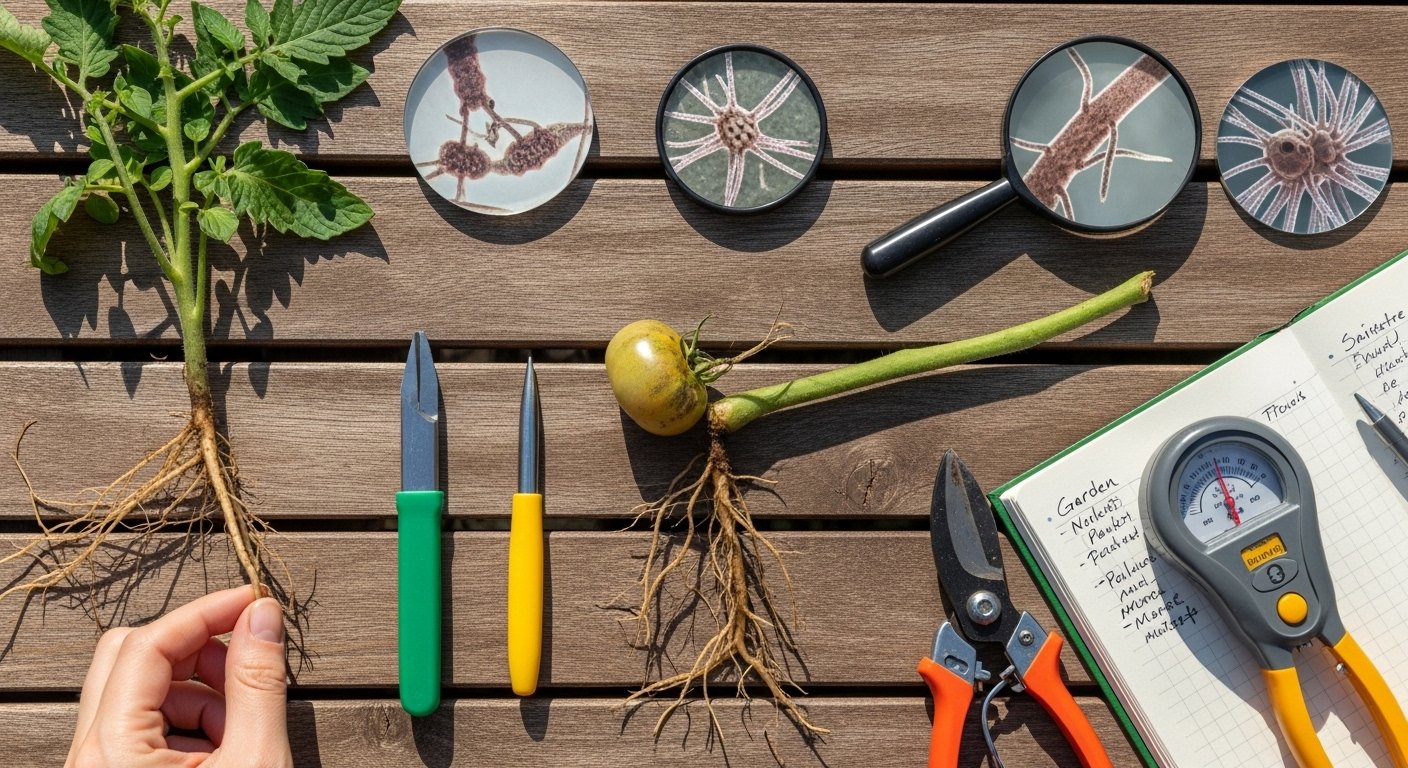
Start by checking your plant’s soil moisture using your finger or a moisture meter—your goal is to determine if the roots are too wet, too dry, or properly hydrated. If the soil feels soggy or bone dry, take note, as improper watering is a common culprit.
Next, gently tug on the suspect plant and, if possible, remove it from its pot or the ground to inspect the roots. Healthy roots are usually white or light tan and firm, while brown, mushy, or foul-smelling roots indicate rot or disease.
Look closely for signs of pests, such as small insects, webs, or unusual growths. Remember, if multiple plants are affected, it might indicate a spreading problem.
Don’t forget to examine the stems for any soft spots, discoloration, lesions, or odd textures that could signal fungal or bacterial issues.
As you go, write down your observations—note symptoms like leaf color changes, wilting, and when problems began, as well as any changes in watering, weather, or nearby construction. Keeping detailed records will help you spot patterns, make informed decisions, and provide helpful information if you seek advice from experts in the future.
Effective Management and Recovery Tips
If you notice your plants wilting, identifying the cause is the first step toward recovery. For underwatering, water deeply in the early morning and keep the soil evenly moist without leaving it soggy—use your finger to check soil dampness a couple of inches down. Overwatering is just as harmful; make sure pots or beds drain well and reduce watering if roots feel mushy.
Mulching with organic materials like straw or bark helps maintain consistent moisture and shields roots from temperature swings. For plants suffering nutrient deficiencies, use a balanced fertilizer tailored to your plant type—too much or too little can worsen wilting, so follow label directions closely.
If wilting stems from pests or disease, look for telltale signs like sticky residue, chewed leaves, or discoloration. Remove and safely discard (don’t compost) any plants that show persistent, severe infection to prevent the problem from spreading to healthy neighbors.
Prevent future issues by rotating crops each season, planting disease-free starts, and using fresh soil or sterilizing previous pots. Invest in prompt pest control—try insecticidal soap or neem oil at the first sign of trouble, and prune away affected areas.
Throughout the process, stay patient and observant; recovery takes time, and quick fixes can lead to further stress. Keep a simple garden journal or photo log to track what works, and adjust your care based on your plant’s responses. This careful, proactive approach can turn around even the saddest wilting plants.
Conclusion
In summary, identifying and managing tomato plant wilting starts with observing your plants for signs like drooping leaves, yellowing, or stem issues. Address problems promptly by adjusting watering, improving soil drainage, checking for pests, and removing affected branches if needed.
Remember, most wilting cases can be managed with diligent care and attention. Don’t get discouraged by setbacks—many gardeners face these challenges, and your tomatoes can bounce back with the right steps. Apply these solutions as soon as you notice symptoms, stay consistent with care, and monitor your plants closely to ensure a healthy, thriving garden.