Introduction
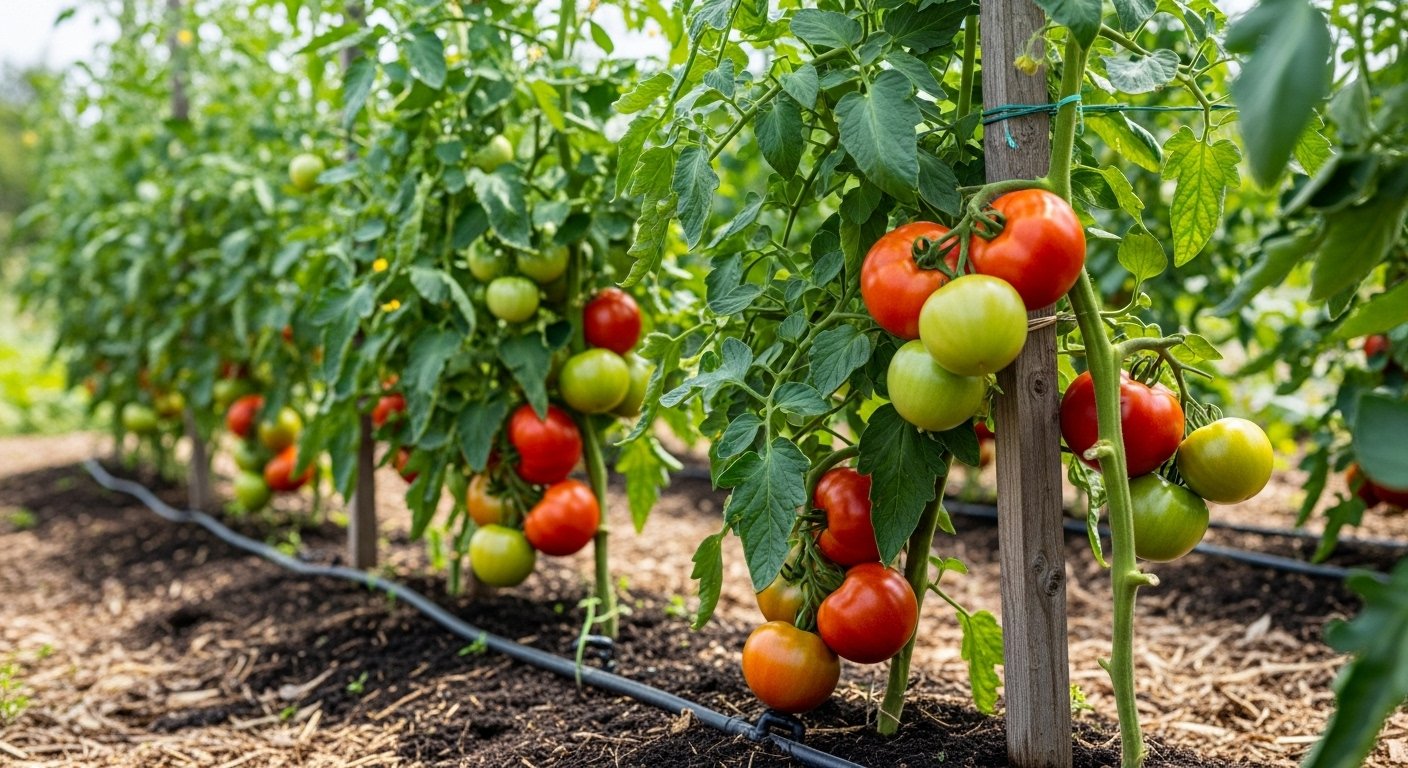
Tomatoes are a garden favorite, trusted by home growers and chefs alike. But even the most experienced green thumbs can get frustrated by tomato fungal problems. Growing juicy, vibrant tomatoes brings joy and unbeatable flavor to your table, not to mention the satisfaction of nurturing your own food.
While tomatoes are popular, they’re also famously vulnerable to a variety of diseases—fungal issues in particular can devastate plants and ruin entire harvests seemingly overnight. You might notice yellowing leaves, mysterious spots, or fruit rot just when your plants seem poised to thrive. These setbacks can leave even seasoned gardeners scratching their heads and worrying about saving their crop.
If you’ve struggled with these issues or want to avoid them in your tomato patch, you’re not alone! This article will guide you through the most common tomato fungal problems—how to spot them early, practical steps to manage outbreaks, and smart prevention strategies to keep your tomatoes healthy season after season.
Let’s break down what every tomato grower should know to defend their plants and enjoy a successful harvest, whether you’re planting in backyard beds, patio pots, or community gardens.
Identifying Tomato Leaf Problems
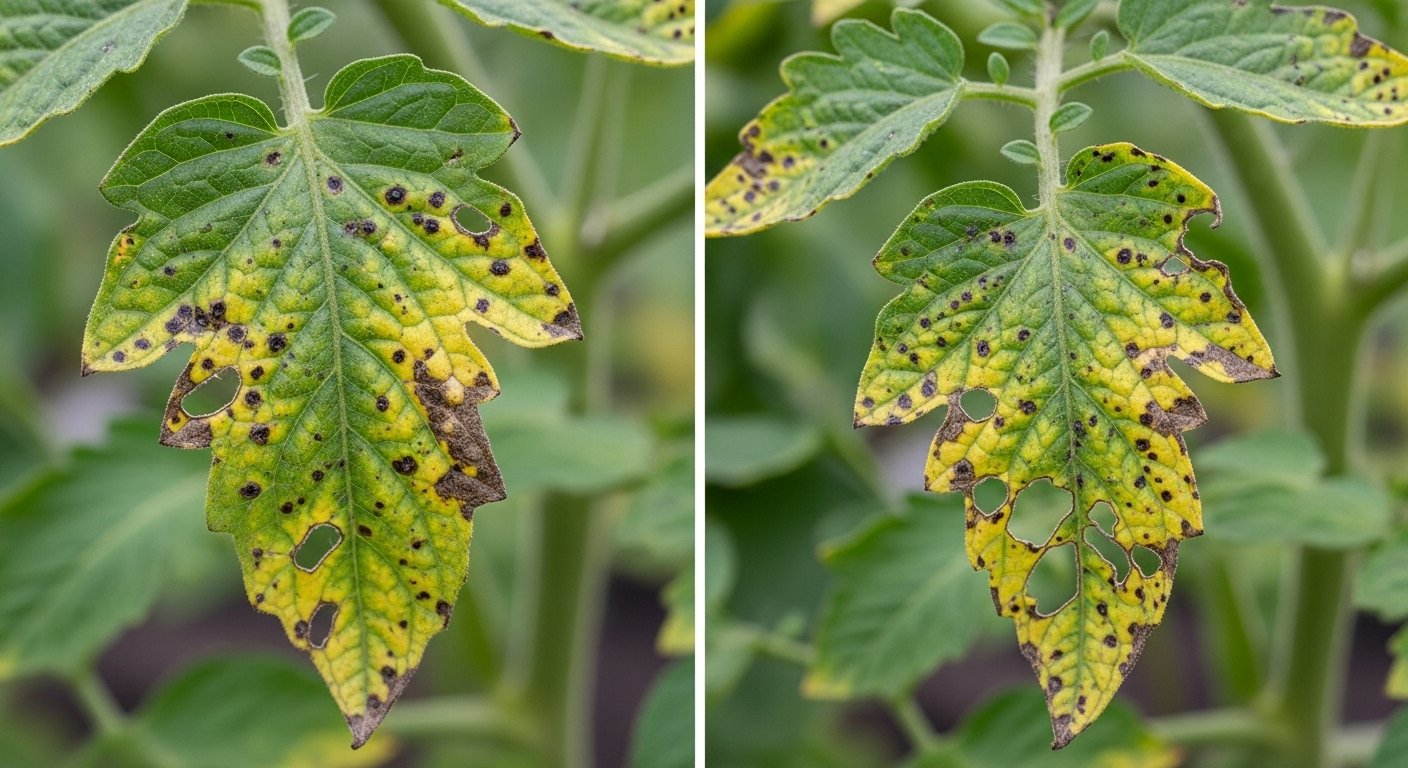
Noticing unusual changes in your tomato leaves early can save your plants and your harvest. Watch for small dark or brown spots, which often indicate fungal diseases like early blight. Larger brown or black blotches may point to late blight or bacterial spot, while yellowing leaves can signal nutrient deficiencies—such as a lack of nitrogen—or diseases like fusarium wilt.
If leaves take on a purple tint, it could indicate a phosphorus shortage or cold stress. Curling, twisting, or distorted leaves sometimes result from viral infections but can also be caused by pests like aphids or environmental stressors such as inconsistent watering. Holes, ragged edges, or obvious chewing come from insects like caterpillars, beetles, or flea beetles.
To catch trouble before it spreads, take a few minutes each week to closely inspect both sides of the leaves, especially the lower and inner foliage where problems often start. Look for patterns:
- A few holes on older leaves might only be minor pest damage.
- Widespread yellowing from the bottom up suggests a more serious issue.
Use your phone to snap photos for comparison if you’re uncertain or want to track new symptoms over time. Early action—such as removing a few affected leaves or isolating pests—can keep problems from spreading and help your tomato plants thrive all season.
Tomato Stem and Whole Plant Issues
Tomato plants are prone to various stem and whole-plant problems that can quickly turn a promising crop into a gardening headache. One of the most common stem issues is wilting, which appears as drooping or soft, limp stems—often more noticeable during the heat of the day and sometimes perking up at night. If you notice dark streaks, lesions, or discolored patches running along the stem, especially near the soil line, this may indicate diseases like early blight, Fusarium wilt, or bacterial canker. These blemishes often start as small brown spots and then expand, sometimes girdling the stem and cutting off water flow—a red flag for serious infection.
Sometimes tomato stems develop swelling, cracks, or white bumps. These usually signal that the plant is under stress or responding to a fungal or bacterial attack, so it’s important to examine the plant closely and adjust your care routine.
Whole-Plant Symptoms
Whole-plant symptoms can be trickier to interpret, but wilting patterns offer important clues. If the entire plant droops suddenly during the day but recovers overnight, it might be simple heat or drought stress—try watering earlier in the morning and mulching to retain soil moisture. However, if wilting persists despite regular watering, or if it occurs suddenly alongside yellowing and browning leaves, it’s likely a sign of diseases such as bacterial wilt or root rot, which block water uptake.
A plant that collapses overnight with little warning often points to root or vascular problems, while a slow, general decline—yellowing leaves starting from the bottom, stunted growth, and lack of flowers—may indicate chronic root issues or persistent pest attacks like nematodes.
Diagnosing Root vs. Above-Ground Problems
Differentiating between root-related and above-ground issues requires some detective work. Start by gently digging near the base of a sick plant: healthy roots are white and firm, while brown, slimy, or rotten-smelling roots suggest root rot or nematode damage.
If roots look healthy but you see stem lesions, or if only parts of the plant wilt or show streaking, the problem is likely above ground—possibly a stem infection or physical damage from pests or wind. Observing how and where symptoms start, whether whole plants or isolated stems are affected, and checking roots whenever possible gives you the best chance at an accurate diagnosis.
Treatment Tips
- Prune affected stems to prevent spread
- Improve soil drainage to reduce root rot risk
- Rotate crops to avoid disease buildup
- Apply appropriate fungicides or insect controls as needed
Remember, quick identification and tailored action often make the difference between saving your tomato harvest and losing it entirely.
Tomato Fruit Problems
Tomato fruit problems can be frustrating for any gardener, especially when beautiful green fruit suddenly develop spots, blotches, or cracks as they ripen. One of the most common issues is black, sunken areas on the bottom of the fruit—this is blossom end rot, usually caused by calcium deficiency and inconsistent watering.
Meanwhile, small, dark, water-soaked spots that expand and cause the fruit to rot may indicate fungal diseases like anthracnose or early blight, which thrive in humid conditions. Fungal problems often start as small spots on the shoulders or sides of the tomato, then grow larger and may develop fuzzy growth if moisture is high.
Yellow or white blotches are classic sunscald symptoms, typically found on the sides of fruit most exposed to direct sunlight, especially if heavy foliage has recently been removed.
Cracked skin—either concentric rings around the stem or vertical splits—usually signals rapid swings in soil moisture, such as heavy rain after a dry spell. Misshapen fruit can result from incomplete pollination or from exposure to certain herbicides drifting onto the garden.
Diagnosing the Problem
To diagnose the trouble, pay close attention to where and when the issue appears.
- Blossom End Rot: Always starts at the blossom end and affects fruit at all stages. Deep, regular watering is key to prevention.
- Fungal Diseases: Spots often appear first on the lower leaves before moving to the fruit. Warm, wet summers boost fungal outbreaks, so early mulching, staking plants, and pruning lower leaves can help.
- Sunscald: Pale, leathery patches on the side of the fruit facing the sun, especially after leaf loss, indicate sunscald. Avoid over-pruning and use companion plants or shade cloth during intense heat.
- Cracking: Usually caused by inconsistent watering. Aim for steady soil moisture to prevent feast-or-famine cycles.
- Misshapen Fruit: Often due to incomplete pollination or herbicide exposure. Encouraging pollinators and protecting plants from strong winds can improve fruit quality.
By closely observing the timing, location, and progression of each symptom, you can better target your care and enjoy a healthy, productive tomato crop.
Common Tomato Diseases and Their Management
Tomato growers often face a handful of common diseases, each with its own telltale signs and management strategies.
Early Blight, caused by the fungus Alternaria solani, is recognizable by dark concentric spots on older leaves that quickly yellow and drop off. This disease spreads through splashed soil, so mulching and watering at the base of plants help keep foliage dry. Organic controls like copper-based sprays or neem oil can provide some protection, while conventional gardeners may use fungicides containing chlorothalonil.
Late Blight, infamous for its role in the Irish Potato Famine, causes brown, water-soaked patches with a pale edge, affecting both leaves and fruit. It thrives in cool, wet weather and spreads rapidly via airborne spores. Removing infected plants promptly and using resistant varieties are the best defenses; fungicides like mancozeb offer additional support when outbreaks occur.
Septoria Leaf Spot produces small, round spots with dark borders on lower leaves and is spread through humid conditions and rain splash. Regular removal of infected leaves, staking plants for airflow, and applications of organic options like Serenade (a biofungicide) can greatly reduce severity.
Two soil-borne wilt diseases, Fusarium and Verticillium Wilt, often cause yellowing that starts on one side of the plant, leading to wilting and collapse. Because spores persist in the soil for years, prevention is crucial—practicing crop rotation, selecting resistant cultivars (noted by “F” or “V” after the variety name), and avoiding planting tomatoes in the same spot more than once every three years can all lessen risk. There are currently no effective chemical treatments for these wilts, making sanitation and resistant varieties the best tools.
Powdery Mildew, less common but still problematic, shows up as white, powdery spots on the upper leaf surfaces, thriving in dry, warm environments with poor air circulation. Removing affected leaves and using organic fungicides such as potassium bicarbonate or horticultural oils can keep the disease in check. Improving airflow by spacing plants and careful pruning also goes a long way.
Bacterial Spot and Bacterial Speck cause small, dark lesions on leaves, stems, and green fruit, often accompanied by yellow haloes. These bacteria spread via water splashes, contaminated tools, and infected seeds. To minimize risk, always buy disease-free seed, rotate tomato plantings, and disinfect garden tools between uses. Copper sprays can slow disease progression, but prevention through good sanitation is most effective.
Anthracnose targets ripe fruit, causing small, sunken, circular lesions that expand and become soft. The fungus persists in plant debris and spreads through water, so regularly harvesting ripe tomatoes and promptly removing plant waste reduces pressure. Fungicidal sprays like chlorothalonil or biofungicides can provide extra protection, particularly during wet spells.
Blossom End Rot isn’t a disease but a physiological disorder, seen as leathery black spots on the blossom end of fruit. It’s caused by calcium deficiency, often triggered by uneven watering or a lack of available calcium in the soil. To prevent it, maintain consistently moist soil, mulch to reduce moisture swings, and avoid over-fertilizing with nitrogen. Amend soil with lime or gypsum if tests indicate low calcium levels—liquid calcium sprays may offer temporary help for affected plants.
Across all diseases, prevention is more effective than cure: always practice crop rotation, keep garden beds tidy, choose resistant varieties whenever possible, and water early in the day to allow foliage to dry quickly. These habits, combined with targeted treatments when needed, will help keep your tomato plants healthy and productive all season long.
Pests & Environmental Stressors Impacting Tomatoes
Tomatoes can fall victim to a variety of pests and environmental stressors that quickly take a toll on plant health and yield. Common tomato pests include hornworms—large green caterpillars that chew through leaves and fruit, often leaving behind dark droppings and stripped stems.
Aphids are tiny, soft-bodied insects that cluster on new growth, sucking sap and causing leaves to curl or yellow, while also attracting ants. Whiteflies, small winged insects found on the undersides of leaves, produce sticky honeydew that can lead to sooty mold, inhibiting photosynthesis. Nematodes, microscopic worms living in soil, attack tomato roots, resulting in stunted growth, wilting despite adequate water, and swollen root galls.
Beyond pests, non-disease issues like sunscald can cause pale, leathery patches on fruit exposed to intense sunlight, especially when foliage is sparse. Water stress from inconsistent irrigation leads to blossom end rot (dark, sunken spots at the fruit’s base) or fruit cracking. Chronic under- or overwatering stunts plants and reduces productivity. Nutrient deficiencies—such as yellowing leaves from lack of nitrogen or purple-tinged leaves from phosphorus shortage—also manifest, especially in poor soil or potted plants. Extreme heat or cold may disrupt flowering or fruit set, making weather monitoring important.
How to Protect Your Tomato Plants
To stay ahead of these threats, inspect tomato plants regularly—at least twice a week—for early signs like chewed leaves, sticky residue, discolored patches, or distorted growth.
- Hand-pick visible pests like hornworms.
- Blast aphids and whiteflies off with a strong jet of water.
- Introduce beneficial insects like ladybugs.
- Mulch around plants to conserve moisture and prevent soil-borne nematodes from splashing onto foliage.
- Provide consistent, deep watering and use shade cloth during heatwaves to reduce sunscald.
- If nutrient issues are suspected, test the soil or use a balanced fertilizer tailored for tomatoes.
By detecting problems early and responding quickly, home gardeners can ensure a healthier, more bountiful tomato crop without resorting to harsh chemicals.
Proactive Tips for Healthy Tomato Plants
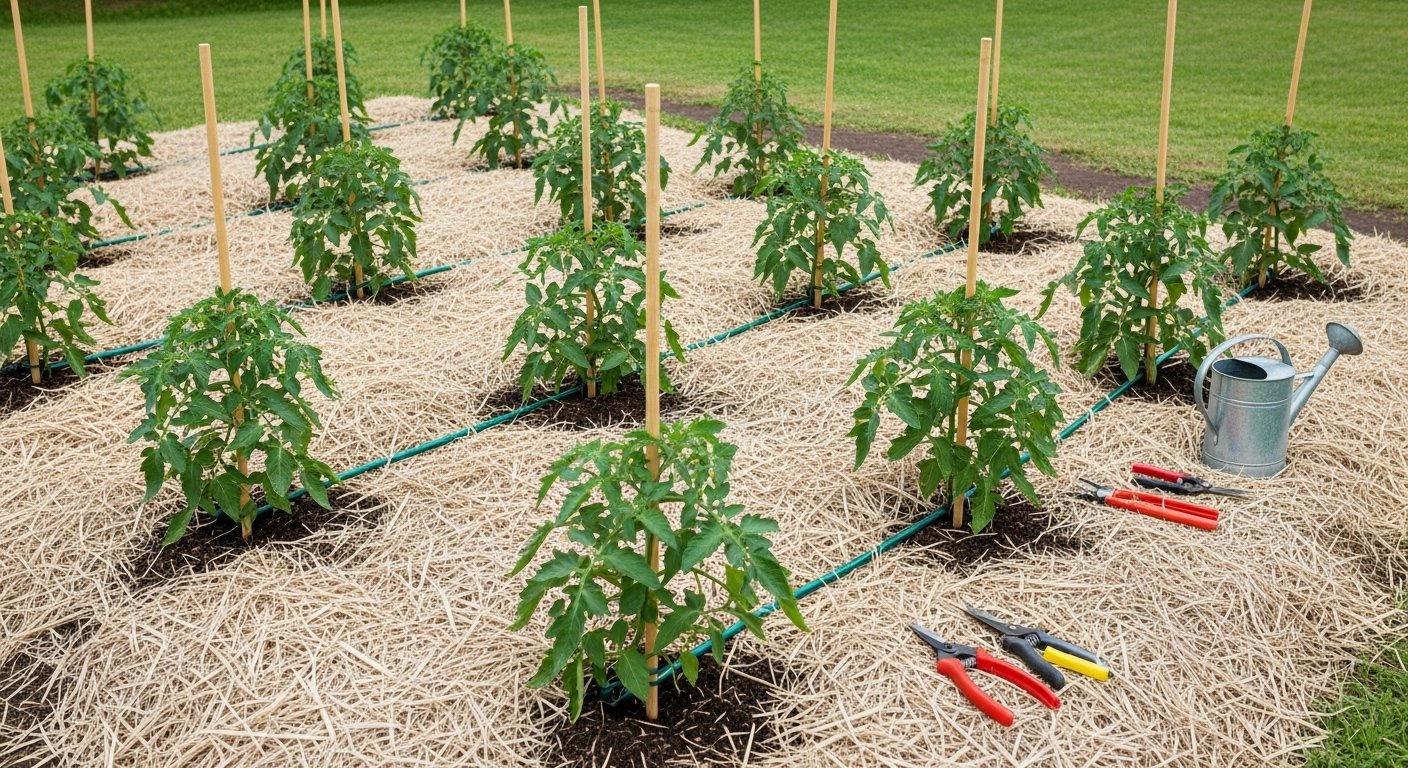
Keeping tomato plants healthy starts with a few smart, proactive habits that can prevent most common problems before they begin. First, give your tomatoes plenty of room to grow by spacing them 18 to 24 inches apart. Good airflow reduces humidity around the leaves, making it harder for diseases like blight and mildew to take hold.
Water deeply and consistently at the base of the plant, not overhead, which can splash soil-borne pathogens onto the leaves. Using a soaker hose or drip irrigation system works well for this.
Add a two- to three-inch layer of organic mulch (like straw or chopped leaves) around your plants. This helps retain moisture, keeps soil temperatures steady, and acts as a barrier to soil-borne diseases.
Prune lower leaves and any suckers that appear in the crotch between the stem and branches to keep plants tidy and direct energy toward fruit production.
Choose disease-resistant tomato varieties whenever possible; look for labels like “VFN” (resistant to Verticillium, Fusarium, and Nematodes) when purchasing seeds or transplants. Popular tough varieties include ‘Celebrity,’ ‘Juliet,’ and ‘Mountain Magic.’
Keep your garden clean by removing fallen leaves, spent plants, or any fruit with visible spots. Old debris often harbors pests and disease spores that can linger into the next season.
Inspect your tomatoes at least once a week for early signs of trouble. Check under leaves for aphids, caterpillars, or discolored spots, and remove troublemakers by hand or spray with a gentle solution of water and dish soap.
Consider using row covers early in the season to deter pests, and encourage beneficial insects like ladybugs that naturally keep the pest population down.
Finally, rotate your tomato crops each year, if possible, to avoid exhausting the soil and to break the cycle of diseases.
By combining these practical steps—thoughtful spacing, careful watering, smart mulching, selective pruning, resistant varieties, cleanliness, regular inspections, and integrated pest management—you’ll set your tomato plants up for a healthy, productive season and save yourself a lot of headaches along the way.
Conclusion
Taking a proactive approach to caring for your tomato plants can make all the difference between a struggling garden and one that flourishes. Regularly inspecting your plants, tackling problems early, and keeping up with best gardening practices leads to healthier, more resilient tomatoes that can better withstand pests and diseases.
Remember, strong tomato plants not only yield more fruit but are also more likely to recover from setbacks. Simple habits—like watering at soil level to prevent leaf diseases, using mulch to control moisture, and rotating crops each season—add up to robust growth and bountiful harvests.
If you notice issues that don’t improve, don’t hesitate to seek help. Local cooperative extension offices are invaluable resources with experts who understand your region’s unique challenges. Connecting with gardening clubs or online communities can also offer quick support and advice from people who have faced—and solved—the same problems.
By staying alert and asking for guidance when needed, you can enjoy a garden filled with vibrant, thriving tomato plants and a satisfying harvest year after year.