Introduction
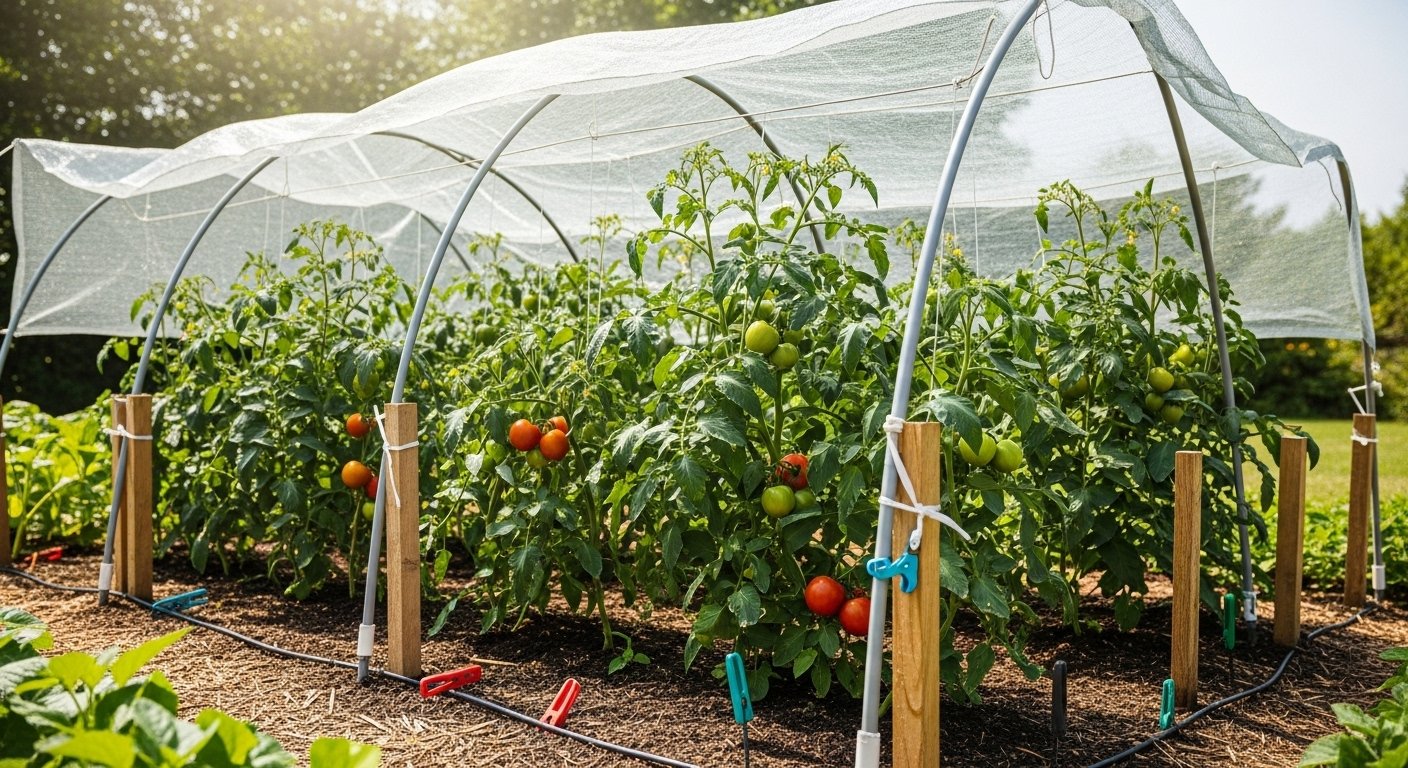
Growing healthy tomatoes in the heat of summer can be a real challenge, especially when the scorching sun and relentless heat threaten to wilt your plants. Using shade cloth for tomatoes has become a popular solution among experienced gardeners who want to protect their crops from sunburn, cracked fruit, and uneven ripening.
As temperatures climb, tomato plants become vulnerable to sunscald and water loss, limiting your harvest and all your hard work. That’s where shade cloth comes in—a practical method that can make all the difference between thriving vines and summer disappointment.
In this post, you’ll discover why and when to shield your tomatoes from the sun, how to choose the right type and percentage of shade for your specific growing conditions, and the best ways to install shade cloth for tomatoes in your garden.
Whether you grow your tomatoes in containers, raised beds, or open ground, you’ll learn real-world tips to design a setup that fits your space and keeps plants cool. By the end, you’ll know how to give your tomatoes just enough sun for robust growth—without risking the damage that comes from too much heat.
Understanding Shade Cloth Percentages for Tomatoes
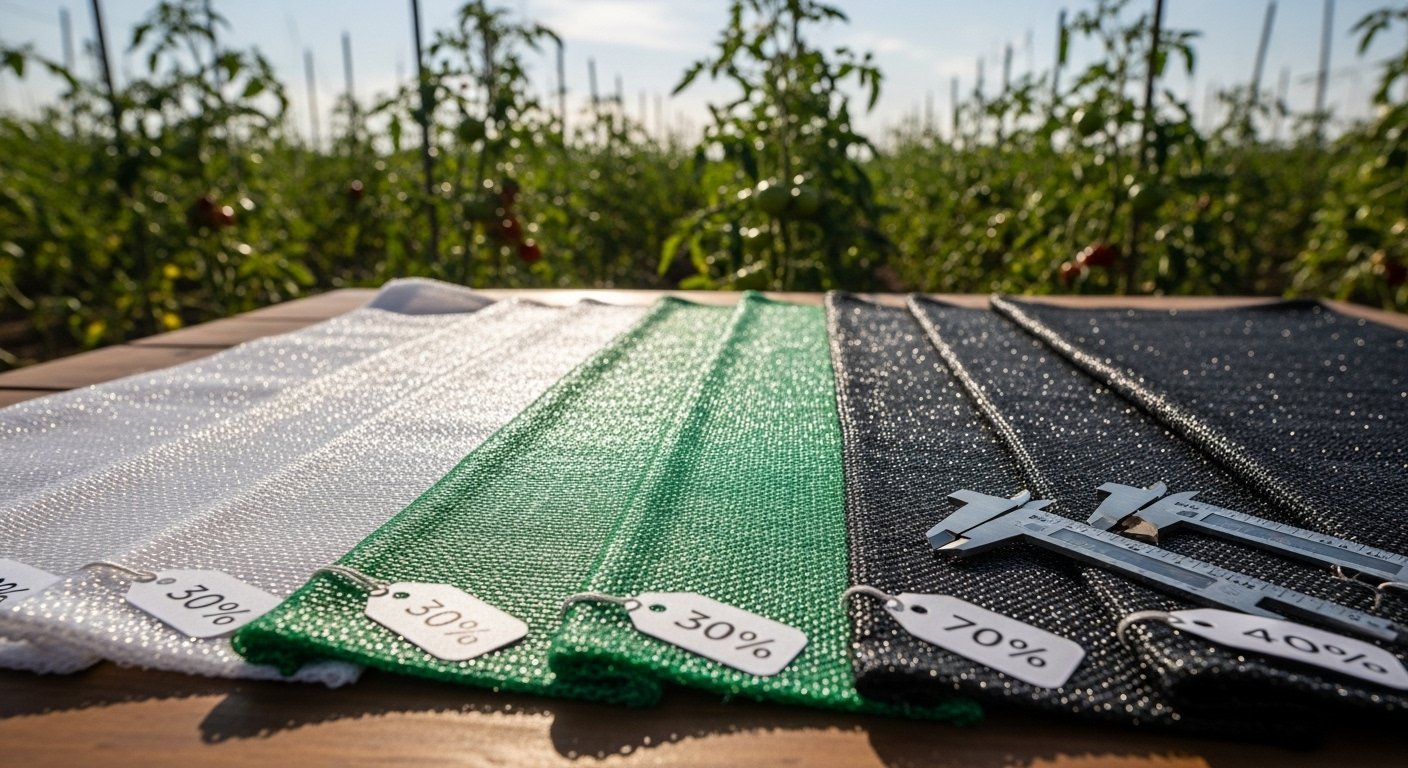
When growing tomatoes, selecting the right shade cloth percentage is crucial for balancing sunlight exposure and protecting your plants from excessive heat. Common shade cloths range from 30% to 70% density, each filtering varying amounts of sunlight.
A 30% shade cloth blocks 30% of the light, allowing plenty of sun while offering some protection; this is ideal for areas with milder summers or for tomato varieties that thrive in high light, like cherry or Roma tomatoes.
A 40% to 50% shade cloth is more frequently used in regions with hotter climates or intense midday sun. This level filters stronger rays, preventing leaf scorch and blossom drop without sacrificing too much light needed for fruiting.
For extreme heat waves or desert environments, a 60% to 70% shade cloth can protect tomatoes from sunburn and excessive water loss, but be cautious—too much shade may result in leggy growth and fewer fruits, since tomatoes need sufficient light for photosynthesis and robust development.
When choosing the right shade cloth, consider local summer temperatures, humidity, and your specific tomato variety’s sun tolerance. For example, heirloom or large-fruited varieties may benefit from more shade during the hottest part of the season, while tougher hybrids can handle more direct light.
Always monitor your plants for signs of stress like wilting, yellowing, or leaf burn, and adjust shade levels as needed; even temporarily increasing shade during heatwaves can make a significant difference in keeping your tomatoes healthy and productive.
Choosing the Right Shade Cloth Color
The color of your shade cloth plays a surprisingly big role in how your tomatoes grow by altering the light spectrum and heat that reaches your plants. Black shade cloths absorb more heat and block more light, which can help during extreme heat spells—but they may also reduce photosynthesis if overused, slowing tomato growth.
White cloths, on the other hand, reflect sunlight, lowering leaf temperatures while allowing more diffused light through. This helps prevent sunscald and keeps plants productive in hot climates.
Green shade cloth offers a balance between the two, filtering sunlight’s harshness but allowing enough light for strong plant health. However, some studies suggest green cloth may slightly reduce yields compared to white.
For tomato growers battling intense summer sun, white or light-colored cloth is generally best for keeping plants cool and productive. In moderate climates, green shade cloth works well to prevent mild heat stress. Use black cloth only when you need maximum shading in very high temperatures, but be sure to balance shade with your tomatoes’ need for sunlight to promote flowering and fruit set.
Remember, a 30–50% shading rate is usually ideal for tomatoes regardless of color, but pay attention to how your plants respond and adjust as needed.
Timing: When to Use and Remove Shade Cloth
Using shade cloth at the right times can make a big difference for your plants’ health and harvests. Install shade cloth as late spring brings longer days and temperatures consistently reach the upper 80s°F (around 30°C), especially for young seedlings or tender vegetables like lettuce and spinach that wilt quickly in direct sunlight.
Mature or sun-loving plants, such as tomatoes and peppers, may not need protection until peak summer months or during sudden heat waves. Watch your weather forecast: if a heatwave is predicted, it’s smart to set up the shade cloth a few days in advance to help your plants acclimate.
On the flip side, remove shade cloth as fall approaches or whenever daytime highs cool back into the comfortable 70s°F (20–25°C) range—especially if you’re growing fruits that need sunlight to ripen, like tomatoes or melons. You’ll also want to remove or roll back the cloth during spells of cooler, cloudy weather to prevent stunted growth and encourage flowering or fruit development.
For unexpected weather changes, think flexibility: keep your shade cloth loosely secured using clips or ropes so you can quickly roll it up or down as needed. If a late-season cold snap arrives, removing the cloth during the day can give plants extra warmth, then covering them again if there’s harsh sun or a sudden return of heat.
Pay attention to your garden’s microclimate—sometimes even a few hours of coverage during the hottest part of the day can save delicate crops without sacrificing light. By being observant and adaptable, you’ll help your plants thrive no matter what the season brings.
Benefits and Impact of Shade Cloth on Tomato Quality and Yield
Using shade cloth in your tomato garden can make a significant difference, especially during hot summers or in regions with intense sunlight. By filtering harsh sunlight, shade cloth protects tomatoes from sunburn, a common problem where fruit develops pale, leathery patches that are less appealing and can compromise taste.
It also helps reduce fruit splitting, which often occurs when tomatoes are exposed to fluctuating moisture and high temperatures. Shade cloth creates a more stable microclimate, reducing evaporation and heat stress. These conditions lead to steadier ripening, allowing tomatoes to develop their full flavor and vibrant color.
Both studies and home gardeners report that shaded tomatoes often have a richer taste and firmer texture since the plants are less stressed and can allocate more energy to fruit development. Plus, shade cloth can actually boost overall yield by minimizing damage and encouraging more consistent fruit set.
The benefits vary depending on the tomato type:
- Determinate varieties, which ripen all at once, especially benefit from reduced sun scald and more even ripening, resulting in a higher proportion of marketable fruit.
- Indeterminate tomatoes, which keep producing throughout the season, also fare better with shade cloth—they experience fewer gaps in flower and fruit development during heat waves, keeping your harvests longer into the season.
If you live in a climate with intense midday sun, consider using a 30-50% shade cloth for optimal protection—installing it over support hoops or between rows is easy and typically pays off with healthier plants and a more abundant, delicious crop.
How to Use Shade Cloth Effectively in Tomato Gardens
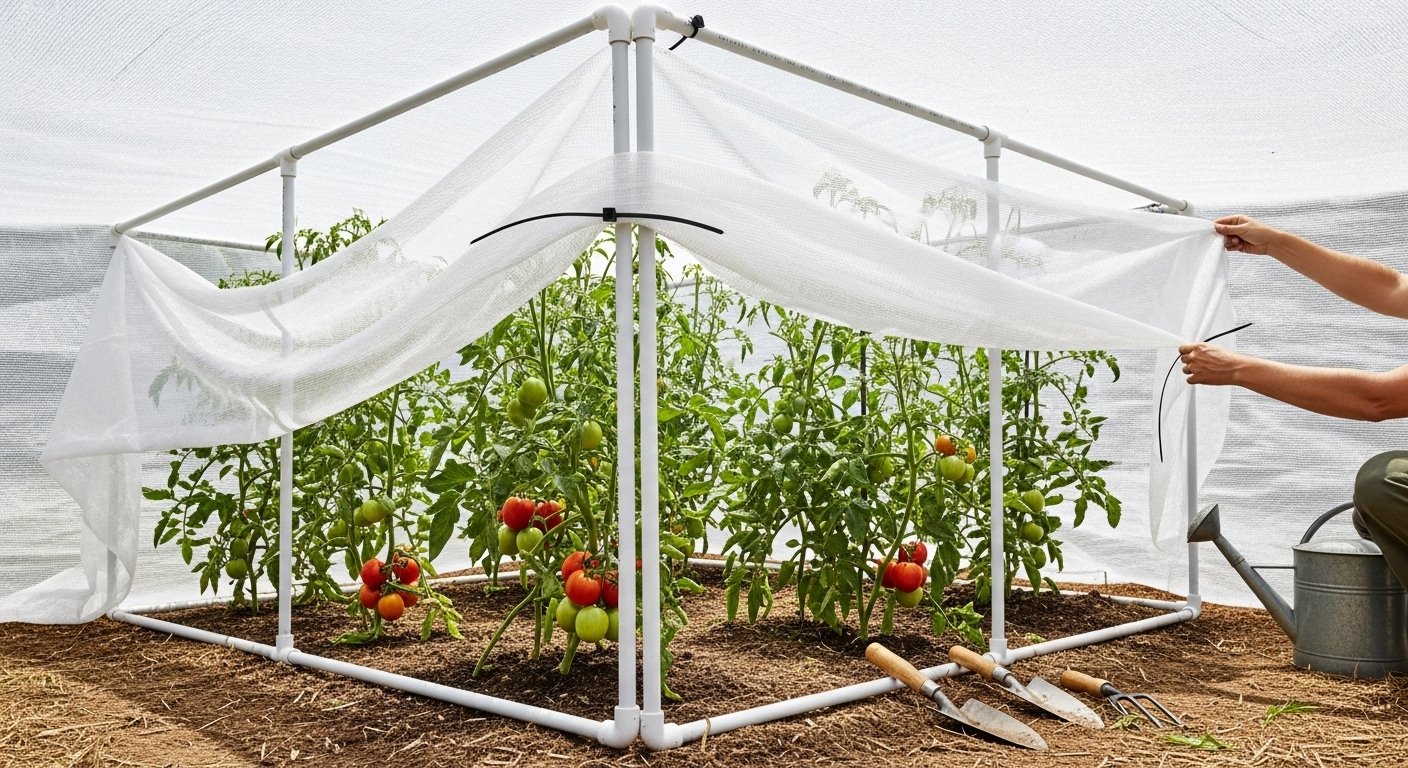
To use shade cloth effectively in your tomato garden, start by choosing the right type—40-60% shade cloth is ideal, since it blocks enough sun to protect tomatoes without sacrificing too much light needed for healthy growth.
First, measure your tomato bed’s dimensions to determine how much fabric you’ll need. For support, use lightweight PVC pipes, wooden stakes, or metal poles as a frame, spacing them every few feet along the length of your bed.
If you prefer a DIY approach, drive the poles into the ground about a foot deep for stability, and create a simple crossbar or use hoops for a tunnel effect. For a more durable or larger setup, consider purchasing purpose-built shade structures or kits from garden supply stores.
Stretch the shade cloth loosely over the frame, ensuring there’s several inches of clearance above the plants to allow for air circulation. Secure the cloth with zip ties, clips, or even strong clothespins, anchoring the corners to prevent the wind from catching it.
Adjust the angle of the cloth so it shades your tomatoes during the hottest part of the day (typically 11am–4pm), angling it steeper on the western side if your garden gets afternoon sun. This shields the plants when they’re most susceptible to heat stress.
Ensure the sides are not sealed off entirely, as good airflow reduces disease risk.
Common Mistakes to Avoid
- Letting the shade cloth rest directly on plants, which can cause damage or restrict growth.
- Using fabric that is too heavy, blocking too much light.
- Creating an airtight enclosure that traps heat and humidity.
- Forgetting to adjust or remove the shade cloth as the season changes or once a heatwave passes.
Regularly monitor the weather and your plants’ health so you can tweak the placement or remove the cloth temporarily when cooler temperatures arrive. This flexible, low-cost setup helps protect your tomato crop from sunscald, heat stress, and sudden weather swings, giving you a healthier harvest with only a little extra effort.
Shade Cloth and Climate Change: Adapting Your Tomato Garden
Climate change is shaking up the growing conditions for tomatoes in noticeable ways, especially with more frequent heat spikes and stronger, relentless sun. Tomatoes love warmth, but persistent high temperatures—think above 90°F—can cause major problems like blossom drop, sunscald on fruits, and wilting leaves. More intense UV rays can also stress tomato plants, making them more vulnerable to pests and disease.
One simple, effective tool to fight back is shade cloth. By draping breathable shade cloth over your tomato beds during the hottest part of the day, you can block out 30-50% of harsh sunlight, lowering temperatures underneath by several degrees. This gentle shield keeps leaves and fruits cooler, reduces sunscald, and helps the blossoms hang on even during unexpected heatwaves.
Gardeners in places like Texas or California have adopted shade cloth with great success, seeing fewer losses and bigger, healthier harvests as a result. Even if you’re in a region where heat stress wasn’t previously a problem, it’s smart to have a roll of shade cloth on hand for sudden summer surges.
Using shade cloth is a practical way to make your garden more resilient—echoing a strategy commercial growers have used for years. It’s low-cost, easy to install with stakes or hoops, and can be reused each season. By making small changes like this, home gardeners can adapt to our shifting climate—and ensure their tomato harvests remain as juicy and reliable as ever.
Conclusion & Quick Recommendations
Choosing the right shade cloth for your tomatoes really depends on your climate and your garden’s specific needs. In hot, sunny regions, opt for a 40% to 50% shade cloth to protect your tomatoes from scorching while still letting plenty of light through for fruiting. Cooler areas might only need a lighter 30% shade to avoid slowing growth.
Make sure to secure the cloth above the plants, not directly on them, to allow airflow and prevent fungal issues. Keep an eye on your tomatoes throughout the season—if leaves curl or fruit quality drops, be ready to adjust the cloth or try a different density.
Every garden is unique, so don’t be afraid to experiment or see what works for your neighbors. Observing your plants’ response is the best way to fine-tune for healthier, more productive tomatoes year after year. The right shade cloth can make all the difference with just a bit of extra care!