Introduction
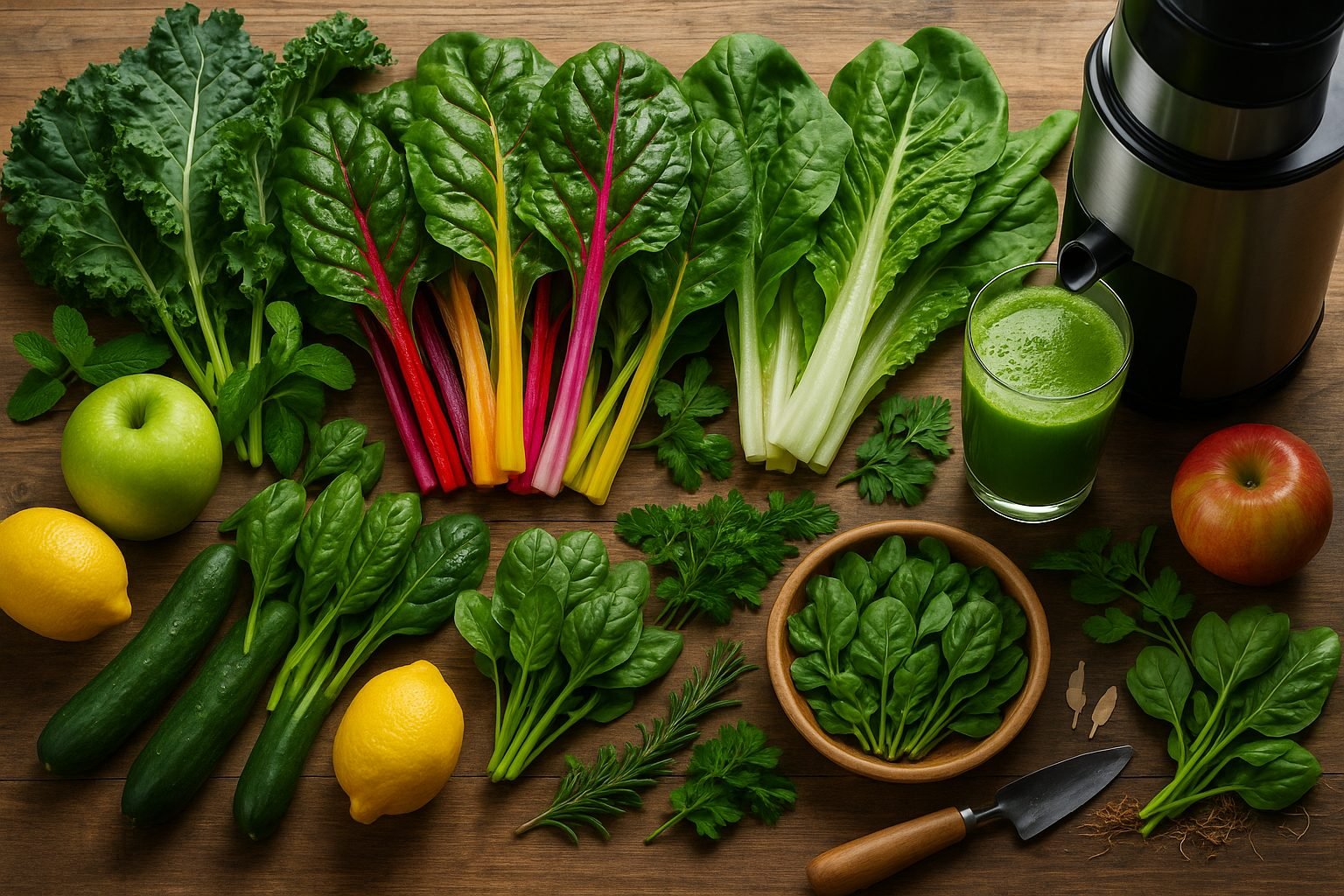
If you’re looking for a vibrant, nutrient-packed way to boost your health, swiss chard juice might quickly become your new favorite. Swiss chard, known for its colorful stalks and lush green leaves, isn’t just eye-catching—it’s packed with essential vitamins like K, A, and C, along with minerals such as magnesium and potassium. While many enjoy it in salads or stir-fries, juicing offers a convenient and delicious way to get more of these nutrients at once, especially if you’re always on the go. Plus, its subtle earthy flavor blends surprisingly well with fruits and other veggies, making it easy to customize to your taste.
In this article, we’ll explore the specific health benefits of drinking swiss chard juice—from supporting healthy bones to boosting your immune system. You’ll also find practical juicing tips, expert flavor-enhancing tricks, and creative recipe ideas. Whether you’re new to juicing or a health enthusiast, you’ll discover useful pointers to make the most of this leafy green’s unique benefits. With easy tips you can try today, you’ll see how swiss chard can power up your daily wellness routine in no time.
Why Juice with Swiss Chard?
Swiss chard juice stands out in the world of green juices thanks to its powerhouse nutritional profile and versatility. This vibrant leafy green is packed with vitamins A, C, E, and K, all essential for maintaining healthy vision, skin, immune function, and blood clotting. It also contains an impressive array of minerals—such as magnesium, iron, potassium, and calcium—that support everything from strong bones to optimal nerve function. What makes Swiss chard especially beneficial is its rich antioxidant content, including polyphenols and betalains, which help neutralize harmful free radicals in the body. These antioxidants not only reduce inflammation but also aid in detoxifying the liver, making Swiss chard juice a smart choice for supporting your body’s natural cleansing processes.
Drinking juice made from Swiss chard can give a real boost to your immune system and energy levels. The high vitamin C content strengthens your body’s defenses against infection, while iron and magnesium enhance oxygen transport in the blood and help reduce fatigue. The natural nitrates in Swiss chard also promote better blood flow, which can improve physical performance and concentration throughout the day. For those seeking a low-calorie, nutrient-dense way to stay energized, incorporating Swiss chard juice into your morning or post-workout routine is an excellent option.
A big bonus is Swiss chard’s versatility in juicing. Unlike some bitter greens like kale or dandelion, Swiss chard has a milder, slightly earthy flavor that blends smoothly with fruits like apple, pear, or citrus, making it easy to customize your juice to your taste. You can also mix it with other greens such as spinach for a richer nutrient profile without overwhelming your palate. Whether you’re new to juicing or a seasoned enthusiast, Swiss chard juice offers an approachable way to enjoy a wide range of health benefits in a single glass.
Nutritional Benefits of Swiss Chard Juice
Swiss chard juice is a nutritional powerhouse, delivering a vibrant array of essential vitamins and minerals in every glass. Packed with vitamin A—mostly as beta-carotene—it supports your immune system and promotes eye health, helping to prevent issues like night blindness and age-related degeneration. Along with vitamin A, it’s rich in vitamin C, which enhances iron absorption, protects your cells from oxidative stress, and supports skin health. High in vitamin K, Swiss chard juice strengthens bones and aids proper blood clotting, making it especially beneficial for long-term skeletal health. Vitamin E, another key antioxidant in this leafy green, helps shield cells from damage while promoting healthy skin and eyes.
On the mineral side, Swiss chard juice stands out with its impressive magnesium content, essential for nerve function, muscle relaxation, and steady energy. It also offers plenty of iron, vital for oxygen transport in the blood and preventing anemia—an important benefit for those on plant-based diets. Its high potassium levels help regulate blood pressure, reduce strain on the heart, and support overall cardiovascular health. Additionally, Swiss chard is rich in natural phytonutrients and flavonoids such as syringic acid and betalains, which have anti-inflammatory properties that may reduce chronic inflammation and lower the risk of diseases linked to oxidative stress.
Compared to other popular juicing greens like spinach and kale, Swiss chard juice often delivers a similar or even higher nutrient punch in several key areas. For instance, it contains nearly twice the potassium of spinach and is particularly rich in vitamin K—rivaling or surpassing kale depending on the variety. Unlike spinach, Swiss chard is lower in oxalates, meaning its minerals are more easily absorbed and less likely to contribute to kidney stone formation. If you want to maximize nutrition while enjoying a refreshing juice, Swiss chard is a standout choice, offering a perfect balance of flavor and nutrient density that supports a healthy daily routine.
How to Prepare Swiss Chard for Juicing
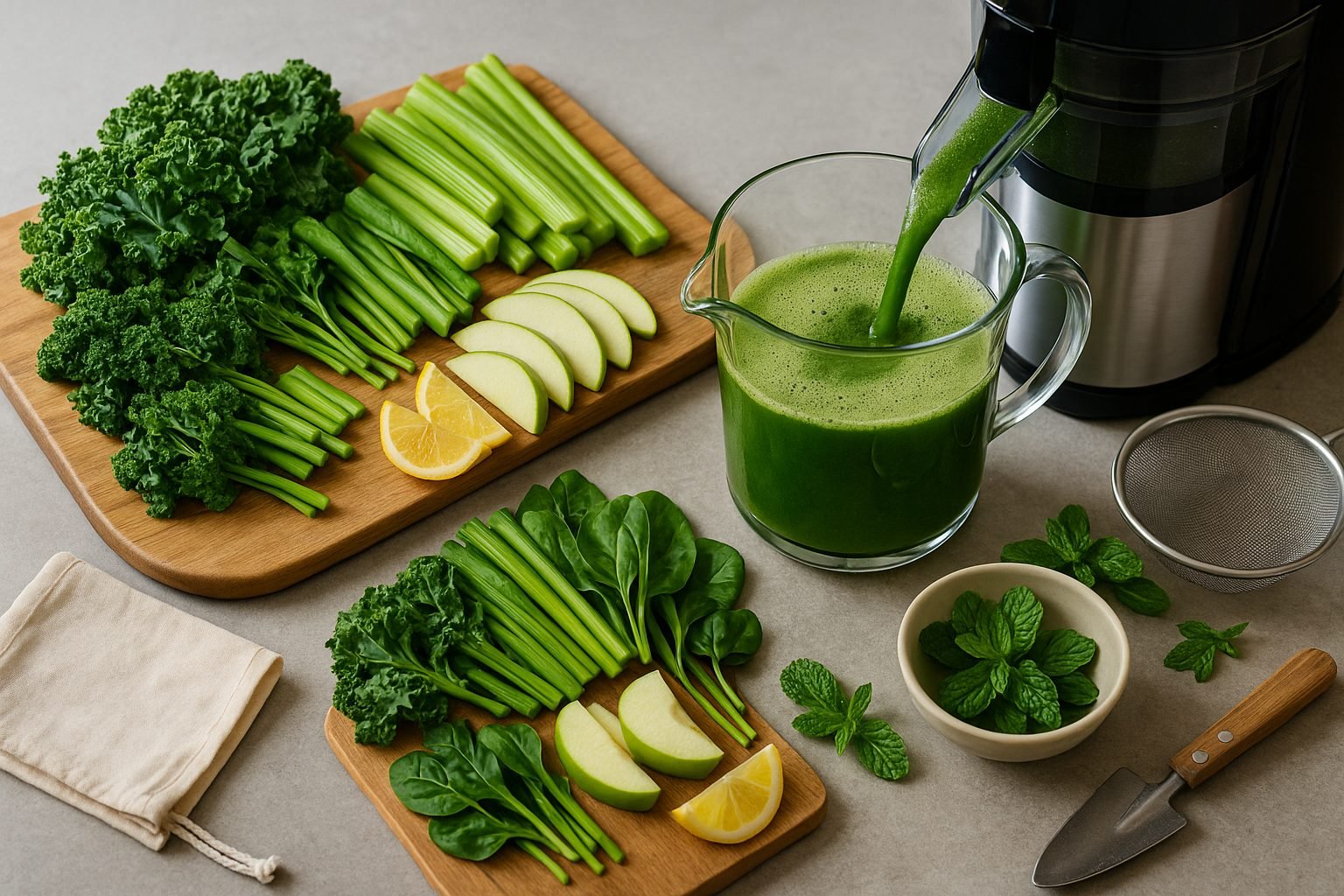
When making swiss chard juice, starting with the freshest chard possible makes a big difference in both taste and nutrition. At the grocery store or farmers market, look for bunches with crisp, vibrant green leaves that are free of yellowing, wilting, or slimy spots. The stems should be firm and brightly colored—whether white, yellow, or red—avoiding any that appear dry or split.
Once you’re home, fill a clean sink or large bowl with cold water and fully immerse the swiss chard to loosen dirt and grit. Gently swish the leaves around with your hands and let them soak for a few minutes before rinsing under running water. For extra effectiveness, use a salad spinner to thoroughly dry the leaves, which helps prevent watered-down juice.
Next, lay the chard on a cutting board and use a sharp knife to trim about a half-inch from the bottom of the stems, removing any tough or fibrous ends. Both the leaves and stems are packed with nutrients and can be juiced—while the stems have a slightly earthier, stronger flavor, they’re rich in fiber and minerals, so don’t toss them unless you prefer a milder juice.
If you’re new to green juices or sensitive to strong flavors, start with mostly leaves and gradually add more stem as you get accustomed. For best results, chop the leaves and stems into smaller chunks to avoid clogging your juicer and to ensure maximum extraction. With these steps, you’ll get vibrant, delicious swiss chard juice with all its health benefits intact.
Best Juicing Combinations with Swiss Chard
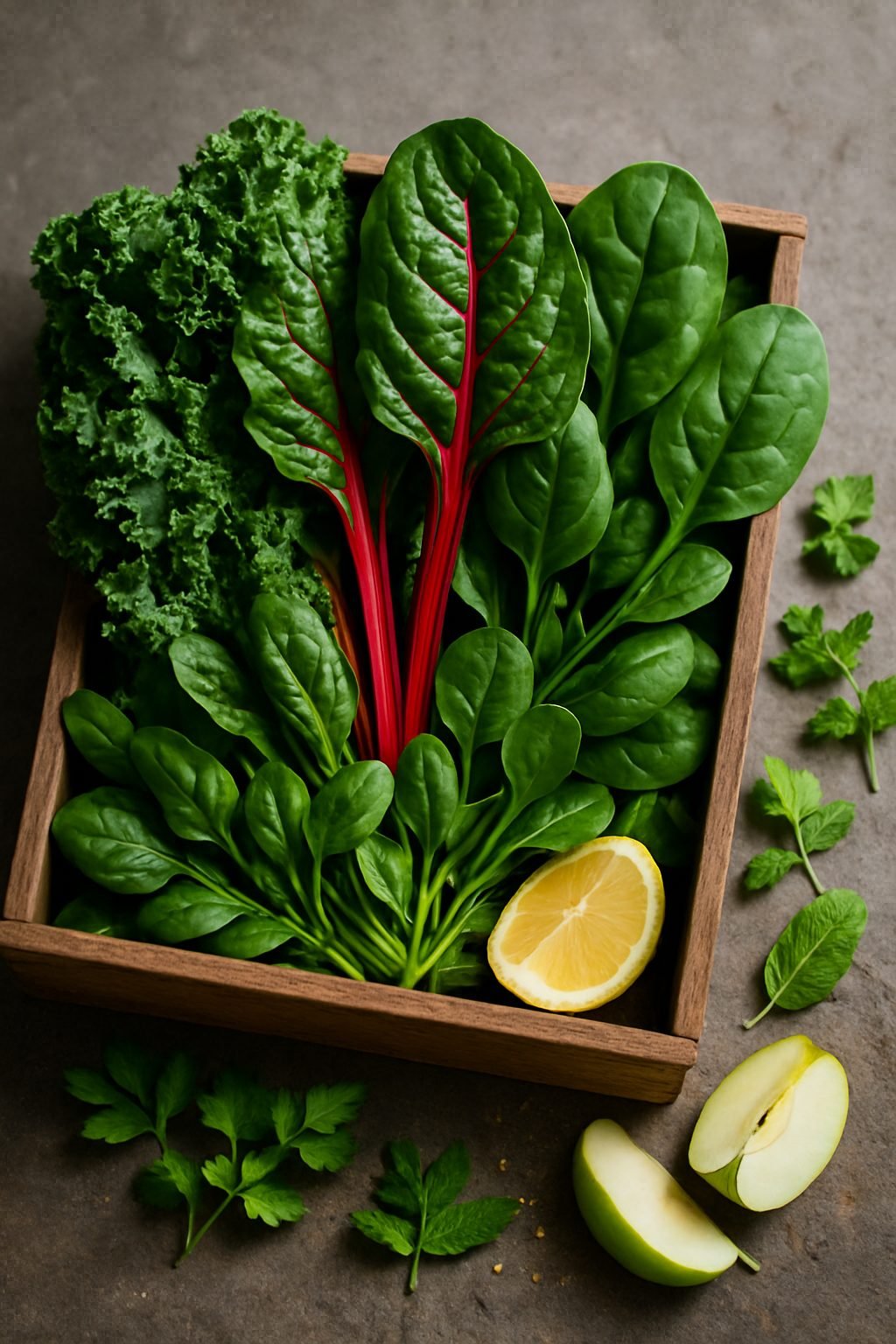
Swiss chard juice can be both refreshing and nutritious, but its earthy, “green” taste might feel intense if you’re new to juicing leafy greens. Luckily, pairing swiss chard juice with the right fruits and vegetables can transform it into a vibrant, crowd-pleasing drink.
Apples are a top choice—they add sweetness and help mellow out chard’s robust flavor. Cucumber provides mildness and extra hydration, while lemon brightens the overall taste and balances bitterness. Ginger adds a gentle kick and zing, making each sip more interesting.
For a simple beginner recipe, try juicing 1 cup of Swiss chard leaves with 1 green apple, ½ cucumber, and a squeeze of lemon. This blend is crisp, lightly sweet, and packed with nutrients. Another easy combo is 1 cup of Swiss chard, 1 pear, ½ inch of fresh ginger, and ½ lemon—perfect if you want a touch of spice. For a vibrant green juice, go for 1 cup swiss chard juice, 1 celery stalk, ½ cucumber, and ½ orange for sweetness and extra vitamin C.
If you’re worried about the “green” flavor dominating, start with fewer chard leaves and more fruit, gradually increasing the greens as your taste adapts. Chilling your juice or adding a few fresh mint leaves can also help make the flavors feel crisper and more balanced.
Ultimately, don’t be afraid to experiment with different ingredient ratios—juicing is personal, and it’s all about finding the mix that makes you excited to sip your greens.
Tips for Making the Most of Your Swiss Chard Juice
When juicing with Swiss chard, there are several ways to enhance both the taste and nutritional quality of your juice. Start by choosing fresh, crisp Swiss chard leaves and stems, as older or wilted greens can turn bitter and reduce your juice yield.
To get the most juice out of your chard, run the leaves through your juicer along with water-rich produce like cucumbers, apples, or celery. These not only increase the yield but also mellow the earthy, sometimes peppery flavor of swiss chard juice.
If you’re sensitive to the taste of greens, blend in naturally sweet or tangy fruits such as pineapple, oranges, or green apples. Adding a chunk of ginger or a squeeze of lemon can also brighten the flavor and mask any bitterness. For extra nutrition, toss in fresh herbs like mint or parsley, which pair well with chard and add a refreshing note.
To preserve the vibrant color and maximum nutrients, clean your juicer components before use and juice cold produce. Heat and oxidation can degrade sensitive vitamins, so work quickly and avoid letting the juice sit exposed to air for long.
It’s best to drink swiss chard juice immediately after making it, as the minerals and vitamins are most potent when fresh. If you want to prep ahead, store your juice in an airtight glass container in the fridge, filling it to the top to minimize air exposure. For easy grab-and-go options, try prepping juicing packs of chopped ingredients the night before, so you can enjoy fresh juice in minutes each morning.
Potential Concerns & Who Should Be Careful
While swiss chard juice is packed with nutrients, it’s important to be aware of a few potential concerns before making it a regular part of your routine. Swiss chard is high in oxalates—natural compounds that, in large amounts, can contribute to the formation of kidney stones, especially in people prone to them. If you have a history of kidney stones or kidney issues, it’s best to limit your intake and consult your physician before juicing with this leafy green.
Additionally, because swiss chard contains vitamin K, which plays a crucial role in blood clotting, it may interact with blood-thinning medications such as warfarin. Always check with your healthcare provider if you take such medications to avoid any adverse effects.
For most people, starting with a small portion—like 2 to 4 ounces of swiss chard juice a few times a week—is a good approach. This allows your body to adjust and makes it easier to monitor for any issues. Listen to your body and consider alternating swiss chard with other greens to keep things balanced.
When in doubt, especially if you have existing health conditions, consulting a healthcare professional can help ensure that juicing is a safe and beneficial addition to your diet.
Conclusion
Swiss chard juice packs a vibrant nutritional punch, making it a smart addition to any juicing routine. Rich in vitamins A, C, and K, as well as minerals like magnesium and potassium, Swiss chard provides a simple way to support immune health, bone strength, and overall vitality. Its slightly earthy, mild flavor pairs perfectly with sweeter fruits like apples, pears, or pineapples, and even zesty additions like ginger or lemon for a refreshing twist.
Whether you’re new to green juices or want to mix up your regular recipes, Swiss chard’s pliable leaves and colorful stems add variety and essential nutrients to your glass. Don’t hesitate to experiment with combinations and discover what you enjoy most—juicing with Swiss chard is not only healthy but also delicious and fun, giving you endless opportunities to boost your wellness with every sip.