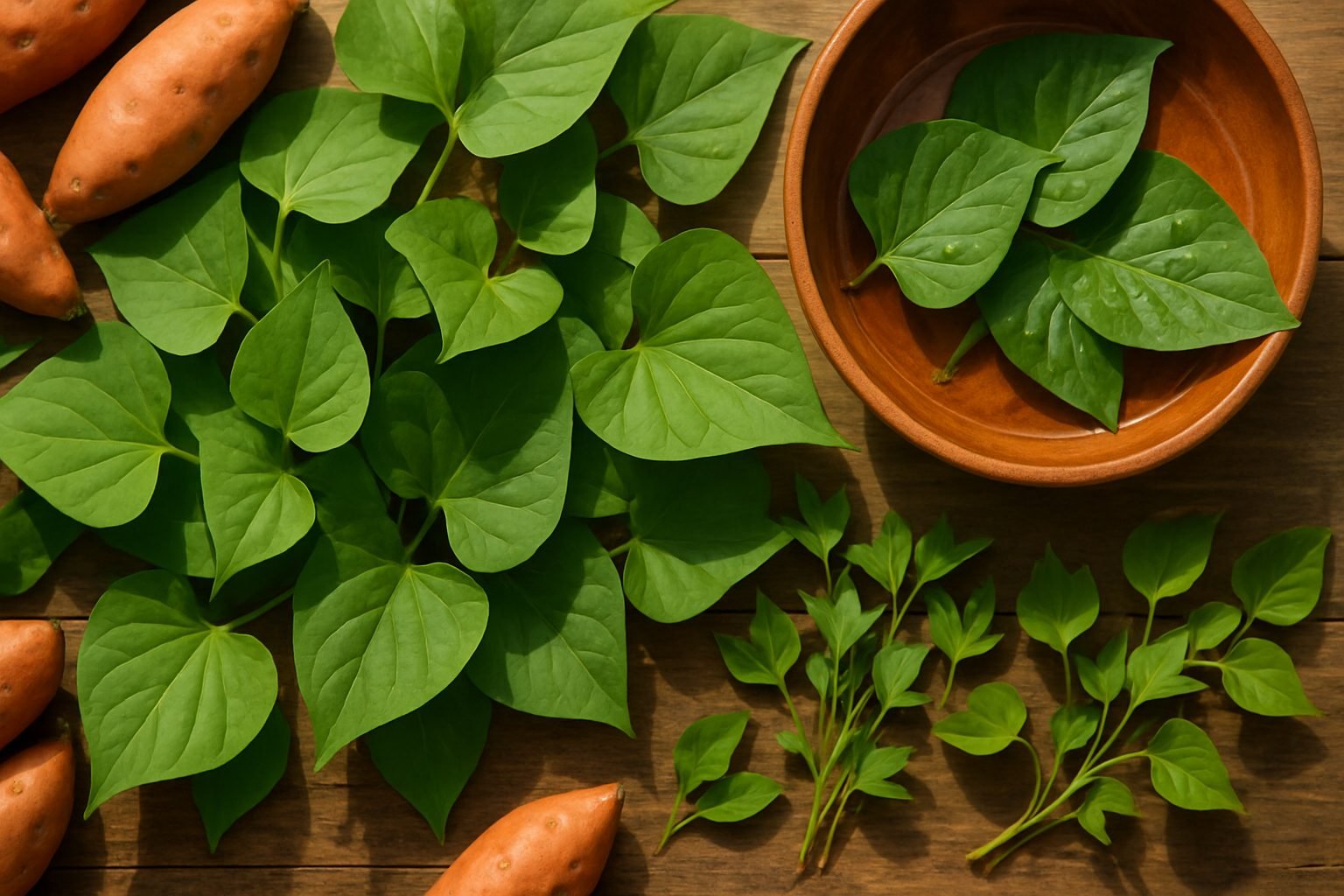
Are Sweet Potato Leaves Edible?
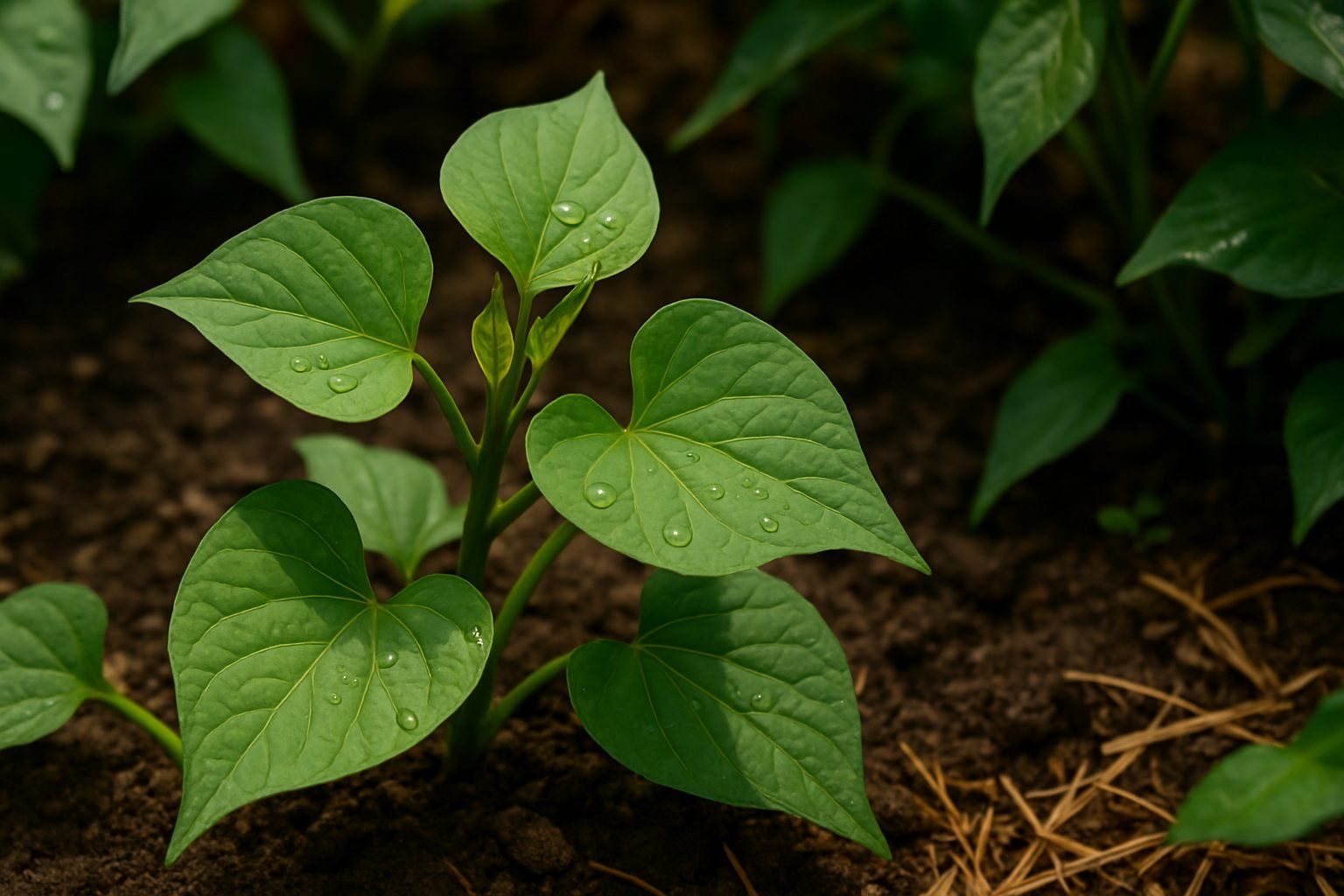
Are sweet potato leaves edible? Absolutely—these vibrant greens are not only safe to eat, but they’re also a staple ingredient in kitchens across Asia, Africa, and the Pacific Islands.
It’s important to clear up a common confusion: while sweet potato leaves are nutritious and non-toxic, the leaves and stems of regular potatoes (from the Solanum tuberosum plant) are poisonous and should never be eaten.
Sweet potato leaves, on the other hand, are mild, tender, and often compared in flavor to spinach or water spinach. You can sauté them with garlic, add them to soups, steam them as a side dish, or toss them fresh in salads for a boost of vitamins A, C, and K.
For gardeners, harvesting sweet potato leaves offers a double reward—tasty greens above ground and delicious tubers below. If you’re looking for a versatile, nutrient-packed green, sweet potato leaves are an excellent choice, bringing global flavors and added nutrition to your table.
Nutritional Value and Health Benefits
Sweet potato leaves are a powerhouse of nutrition, offering an impressive array of essential vitamins, minerals, and antioxidants to support everyday health. They are especially rich in vitamin A, which is vital for healthy vision, immune function, and skin health, as well as vitamin C, known for its antioxidant properties and role in collagen production and immune defense.
Alongside these, sweet potato leaves provide good amounts of iron and calcium, making them valuable for those seeking to improve bone strength and prevent anemia. Their antioxidant profile—featuring polyphenols, flavonoids, and chlorophyll—helps combat free radicals, which can lower inflammation and reduce the risk of chronic diseases.
Research supports these benefits: studies have indicated that extracts from sweet potato leaves exhibit anti-inflammatory and cholesterol-lowering effects, which can be protective for cardiovascular health. In fact, some research from Asian and African countries has shown how regular consumption of sweet potato leaves helped improve immune response and reduce blood pressure.
Traditionally, in cultures across Africa and Asia, these greens have been used as a natural remedy for ailments like diarrhea, infection, and inflammation due to their healing properties. Adding sweet potato leaves to your diet—whether in soups, stir-fries, or smoothies—is a simple way to boost your nutrient intake and support overall wellness.
If you’re looking for a leafy green that does more than just fill your plate, sweet potato leaves are a nutritious and versatile option to try.
How to Grow and Harvest Sweet Potato Leaves
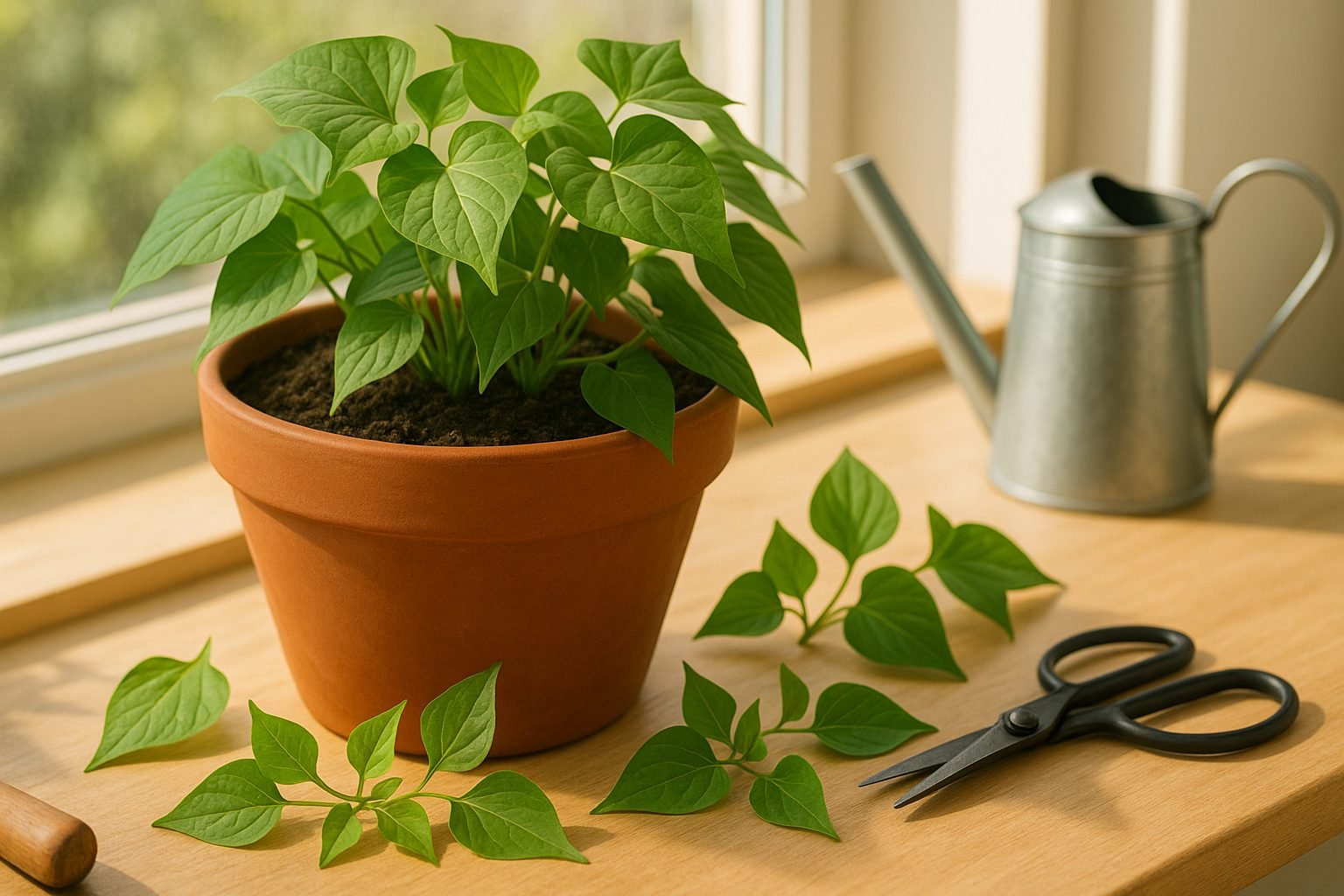
Growing sweet potato leaves at home is surprisingly easy, whether you have a backyard garden, a balcony, or just a sunny windowsill. Start by placing healthy sweet potato slips—or even a sweet potato with a few sprouts—into well-draining, loose soil rich in organic matter.
Sweet potatoes thrive in warm conditions and need at least six hours of sunlight a day, so pick the sunniest spot you have. For container gardening, choose a pot at least 12 inches deep and wide, with drainage holes to prevent soggy roots.
Water regularly, aiming to keep the soil consistently moist but not waterlogged—overwatering can cause root rot. Once the vines grow leafy and lush, you can start harvesting: use clean scissors to snip off the young, tender leaves and tips, leaving at least a few leaves on each vine so the plant keeps growing strong.
Harvesting every week or two will encourage bushier growth and a steady supply of greens. Indoors, a pot near a bright window or under a grow light works perfectly; just rotate the pot every few days to ensure even growth.
With these simple steps, you’ll have a continuous harvest of tasty, nutritious sweet potato leaves—great for salads, stir-fries, or soups—all season long.
Preparing and Cooking Sweet Potato Leaves
To get sweet potato leaves ready for cooking, start by selecting fresh, vibrant leaves and tender stems. Rinse them thoroughly under cool running water to remove any dirt or insects. If the stems feel tough or fibrous, simply pinch them off or use kitchen scissors to trim them away, leaving the more tender parts if you like some extra texture.
The cleaned leaves can be used in a variety of ways—one popular method is stir-frying them with a bit of garlic and oil for a quick, nutritious side dish. You can also steam or sauté the leaves just like you would with spinach or kale; they only need a few minutes to soften and brighten in color.
For an extra boost of flavor, pair sweet potato leaves with seasonings like ginger, chili, soy sauce, or coconut milk. They’re excellent in Asian-inspired soups, blended into smoothies, tossed into frittatas, or even layered into sandwiches in place of lettuce.
Sweet potato leaves are mild, slightly earthy, and adaptable, making them an easy, vitamin-packed addition to your daily meals—try tossing a handful into a stir-fry or simmering them in a hearty lentil stew for a fresh, leafy twist.
Simple Sweet Potato Leaf Recipes to Try
Sweet potato leaves are a nutritious, tender green that can easily be added to your everyday meals. Here are a few easy and tasty ways to enjoy them:
Quick Stir-Fry
Wash and chop a handful of sweet potato leaves, then sauté them with garlic and a splash of soy sauce until just wilted. This makes a perfect side for rice or noodles.
Comforting Soup
Simmer sweet potato leaves in chicken or vegetable broth with sliced onions, tomatoes, and a dash of fish sauce. Add the leaves in the last few minutes to keep them vibrant and tender.
Refreshing Salad
Blanch the leaves briefly, then toss them with sliced cucumber, cherry tomatoes, and a light vinaigrette made of lemon juice, olive oil, and a pinch of salt.
Don’t be afraid to get creative: toss sweet potato leaves into omelets, pasta dishes, or even smoothies for an extra boost of vitamins. Their mild, slightly earthy flavor pairs well with many ingredients, making them an easy and versatile addition to your kitchen routine.
Storage Tips and Safety Considerations
To maximize freshness, store sweet potato leaves in a plastic bag or airtight container in your refrigerator’s crisper drawer; they’ll stay crisp for up to three to five days. If you want to keep them longer, chop, blanch, and freeze the leaves—they’ll retain their color and nutrients for several months this way.
Always make sure you’re handling sweet potato leaves and not regular potato leaves, which are toxic and unsafe to eat. Confusing the two is a common mistake, so double-check with your grocer or farmer if you’re unsure.
As with any leafy green, wash sweet potato leaves thoroughly before use to remove dirt and possible pesticides. While these greens are generally safe, anyone prone to oxalate-sensitive conditions, like kidney stones, may want to consume them in moderation.
If you’re trying sweet potato leaves for the first time, consider sampling a small amount to ensure you don’t have an unexpected allergic reaction.