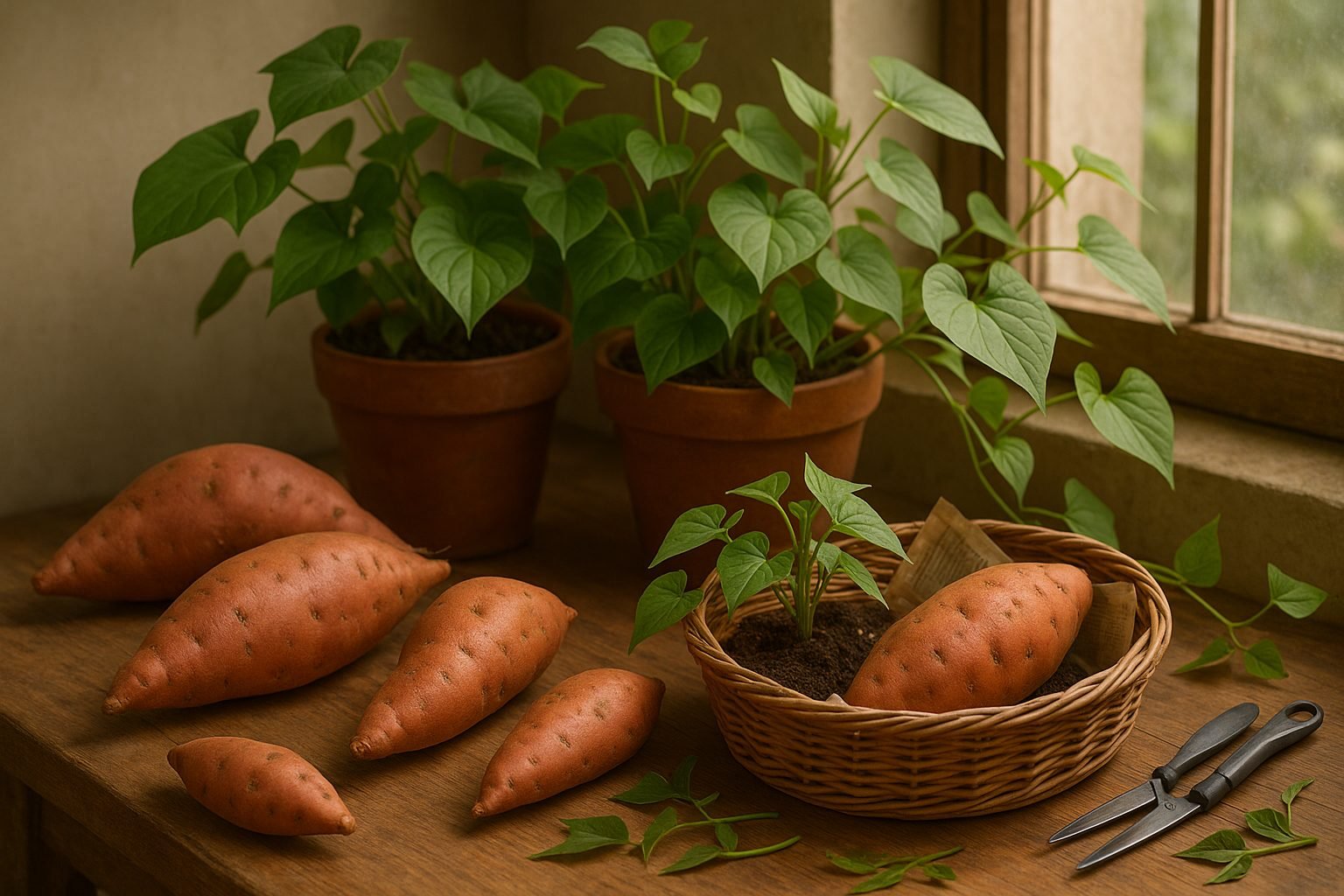
Understanding Sweet Potato Vines and Tubers
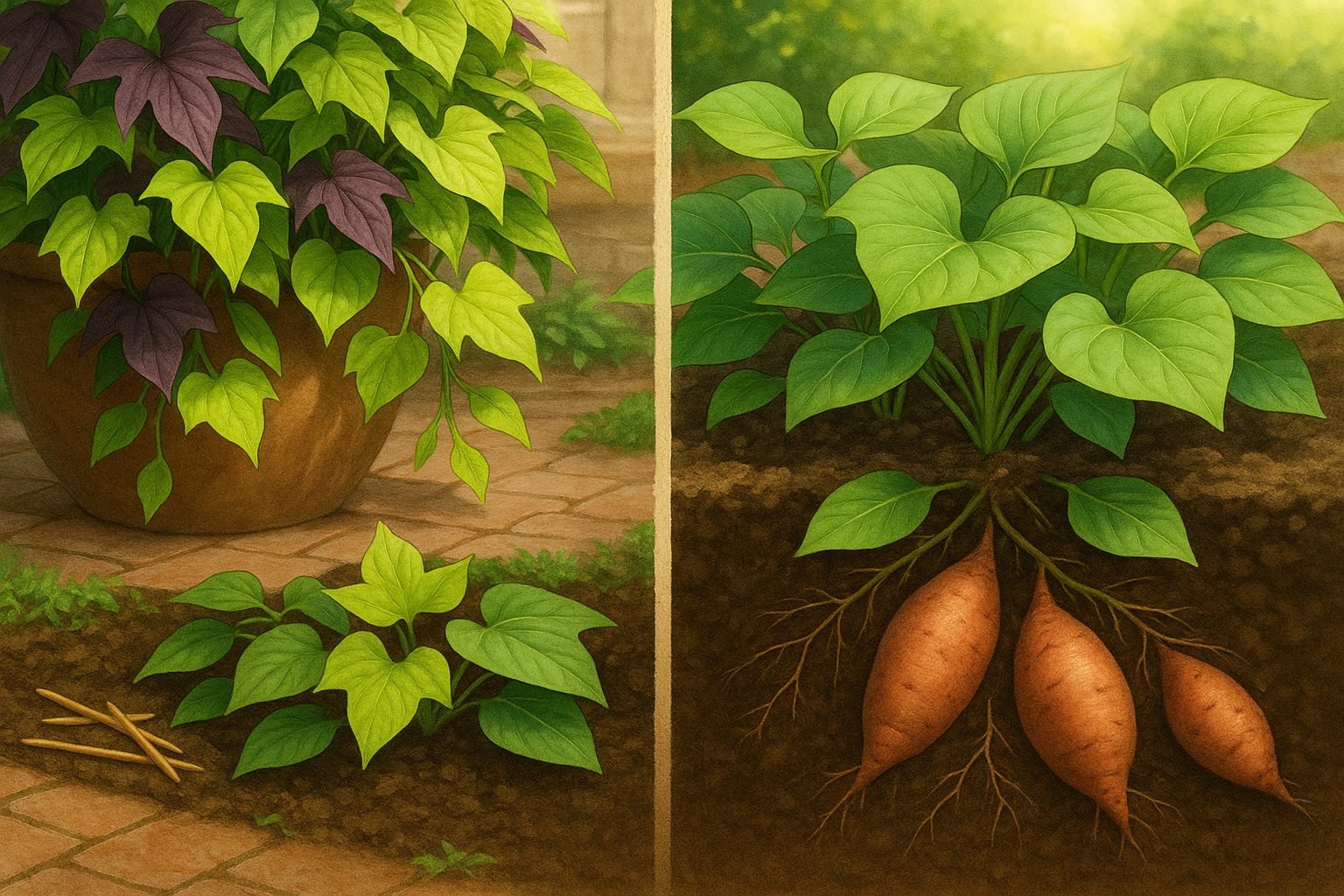
Overwintering sweet potatoes can be a smart strategy for gardeners who want to save cherished varieties, stretch their gardening budget, or simply enjoy thriving plants year after year. It’s important to understand that there’s a clear difference between ornamental sweet potato vines—the eye-catching, fast-growing plants often seen spilling from patio containers—and edible sweet potato plants that produce the familiar sweet, orange-fleshed tubers for your table.
Ornamental varieties are primarily grown for their striking foliage, while edible sweet potatoes are cultivated for both their lush vines and their tasty, nutritious underground tubers. Regardless of type, both require a warm climate to survive; sweet potatoes, whether ornamental or edible, are highly sensitive to cold and will quickly succumb to frost. That’s why gardeners in cooler regions take steps to overwinter their sweet potato vines and tubers indoors.
By doing so, you’re not only preserving your favorite colors and flavors for next season, but also saving on the cost and hassle of buying new plants or slips each year. Sweet potatoes grow vigorously in warm months, sending out long, trailing vines above ground and developing enlarging storage roots below. But as soon as temperatures dip below 50°F (10°C), their growth halts and the risk of rot and cold damage rises, making winter protection essential for ongoing success.
Why Sweet Potatoes Need Special Winter Care
Sweet potatoes hail from tropical regions, which means they’re naturally adapted to warm temperatures and are highly sensitive to frost. When grown in areas with cold winters, even a light frost can damage both the vines and the tubers, leading to blackened leaves and potentially ruining your harvest.
If sweet potatoes are left exposed to frigid temperatures, the tubers can develop hard, bitter spots and may rot quickly in storage. That’s why winter care is so important—especially in regions where freezing temperatures are common.
In mild-winter climates, you can often get away with simply cutting back dead foliage and adding a thick layer of mulch to insulate the soil, allowing any missed tubers to survive until spring. However, in places with harsh winters, sweet potatoes should be harvested before the first frost and cured in a warm, dry area for a week to toughen their skins.
After curing, store them in a cool, dark place above 50°F. Don’t forget to clear out leftover vines to prevent disease and pests from overwintering in your garden beds. Taking these extra steps ensures you’ll enjoy sweet, flavorful tubers long after the growing season ends.
Overwintering Sweet Potato Vines Indoors
Bringing your sweet potato vines indoors for the winter is a great way to keep these vibrant plants thriving year after year. Start by inspecting your vines a few weeks before the first frost—look for signs of disease or pests and treat them as needed.
Next, prune the vines back to about 6-12 inches; this helps reduce stress on the plant and makes them easier to manage indoors. If your vines are growing in the ground, carefully dig up the plant, keeping as much of the root system as possible, and repot into fresh, well-draining potting soil.
Let the newly potted plant sit outside in a shaded area for a few days to acclimate, then gradually introduce it to indoor light conditions over a week. Sweet potato vines need plenty of bright, indirect sunlight—placing them near a south- or east-facing window works well, or supplement with a grow light if needed.
Watering and Humidity
Water sparingly during the winter; allow the top inch of soil to dry out between waterings to prevent root rot. Humidity indoors tends to be low, so mist the leaves occasionally, but avoid over-watering.
Preventing Pests
Keep an eye out for common indoor pests like spider mites or aphids—wiping leaves with a damp cloth or using insecticidal soap can help nip infestations in the bud.
With a bit of care, your sweet potato vines can stay healthy and lush indoors and be ready to burst back into growth when spring returns.
Storing and Overwintering Sweet Potato Tubers
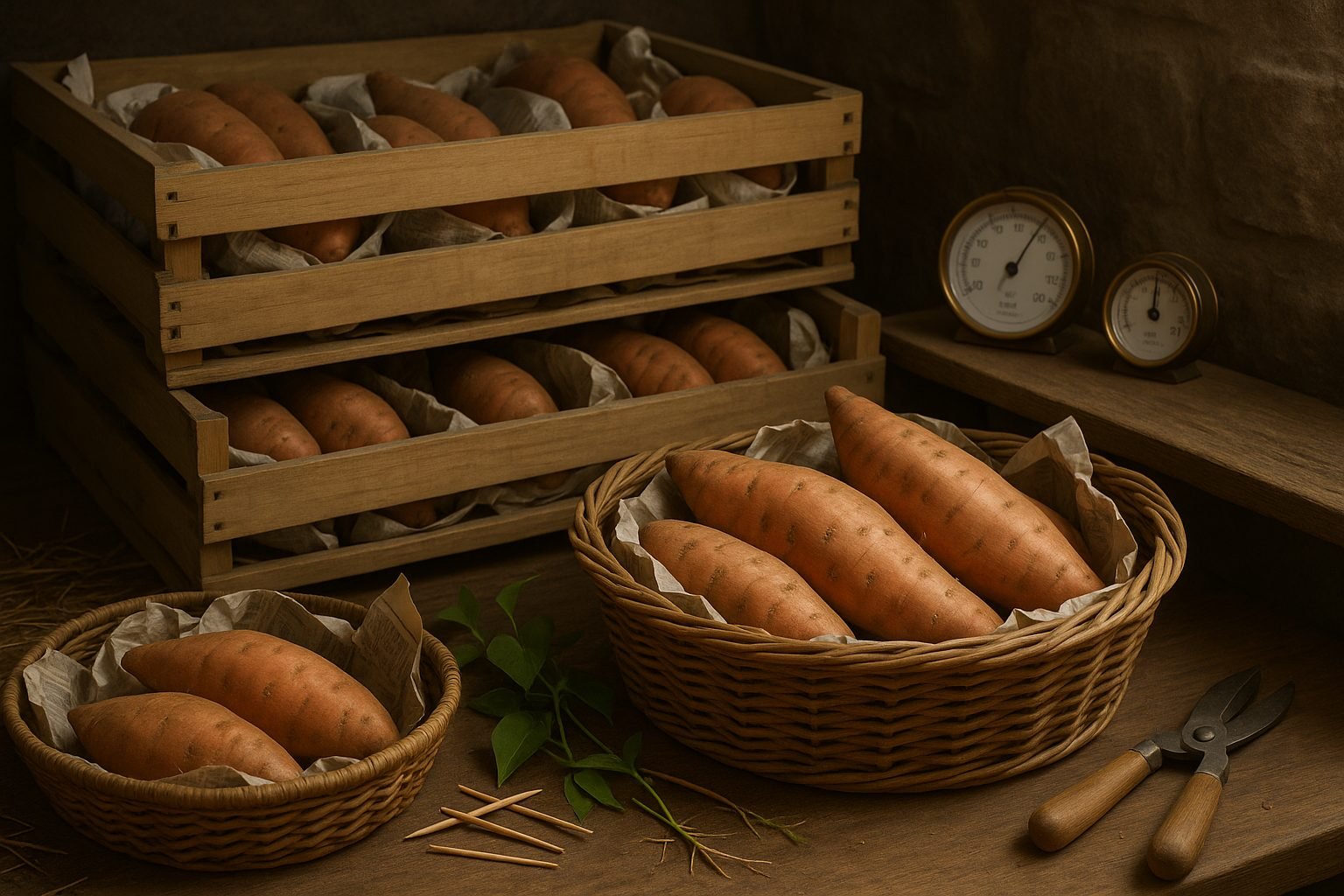
Harvest sweet potato tubers before the first frost, usually when the leaves start to yellow but while the weather is still mild. Use a garden fork to gently loosen the soil and avoid damaging the delicate skins. Let the tubers dry in the sun for a few hours, then move them to a shaded, well-ventilated space to cure.
Curing is key for both ornamental and edible sweet potatoes: keep them at about 80–85°F (27–29°C) with 85–90% humidity for 7–14 days. This process helps toughen the skin and heal small wounds, extending their storage life.
After curing, transfer the tubers to a storage area kept at 55–60°F (13–16°C) with good air circulation and 75–80% humidity. Basements, root cellars, or insulated boxes work well. Avoid storing tubers in plastic bags since they trap moisture and can cause rot. Instead, use slatted crates, baskets, or cardboard boxes lined with newspaper.
Check your tubers every few weeks and remove any that feel soft or show signs of mold to keep the rest healthy. If tubers begin shriveling, the humidity might be too low, so lightly mist the air around them. Wrapping each tuber individually in newspaper can help protect against both excess moisture and drying out.
By following these steps, you can enjoy firm, flavorful sweet potato tubers all winter long—whether you’re saving edible varieties for meals or keeping ornamental types for next year’s garden.
Propagating Sweet Potato Vines by Cuttings for Winter
Propagating sweet potato vines by cuttings is an easy way to save your favorite varieties before the first frost hits. To get started, snip healthy, non-flowering stems about 6 to 12 inches long from your existing vine, making the cut just below a leaf node. Strip off the lower leaves so you have a clean stem to work with.
You can root these cuttings either in water or directly in soil indoors.
Rooting in Water
If rooting in water, place the cuttings in a clear jar with the leafless end submerged and set them on a windowsill where they’ll get bright, indirect sunlight. Change the water every few days to keep it fresh and prevent rot. Roots usually start to form within a week or two.
Rooting in Soil
For soil rooting, dip the cut end in rooting hormone (optional but helpful) and plant it in moist, well-draining potting mix, then cover loosely with a plastic bag to maintain humidity. Mist the soil if it starts to dry out.
Propagating sweet potato vine cuttings not only lets you keep these vigorous plants alive over winter but also gives you a head start for spring planting. It’s an easy way to save money, preserve heirloom varieties, and keep vibrant, healthy starts ready for your garden when warm weather returns.
Spring Replanting: Getting Sweet Potatoes Ready for Next Season
As spring arrives, it’s time to wake up your stored sweet potato tubers and revive any overwintered plants for the coming season. Start by bringing tubers out of storage—ideally kept in a cool, dark, and dry place—and let them sit at room temperature for a week or two. This helps signal that it’s time to sprout.
To encourage shoots, place tubers partially in water (using toothpicks to hold the top out) or lay them on a tray of moist potting mix in bright, indirect light. Once healthy slips—those leafy shoots—develop and grow about 4-6 inches long, gently twist or cut them off, making sure each slip has some roots. If roots haven’t formed yet, place slips in water for a few days until they appear.
Meanwhile, gradually reintroduce your revived plants or rooted slips to outdoor life through a process called hardening off. Set them outside in a sheltered, shady spot for a few hours each day, slowly increasing sun exposure and time outdoors over the course of a week.
Once the danger of frost has passed, plant slips or rooted cuttings in warm, well-drained soil, spacing them about a foot apart. Provide plenty of water at planting to help them establish, and you’ll be set for a productive sweet potato season.
Common Problems and Troubleshooting Over Winter
Overwintering tubers and indoor vines comes with a few common pitfalls, such as rot from excessive moisture, mold thriving in poorly ventilated spaces, infestations by stubborn pests like spider mites or fungus gnats, and legginess caused by insufficient sunlight. To catch these issues early, get in the habit of checking your plants weekly.
Look for soft, mushy spots on tubers—an early sign of rot—and cut away any affected areas promptly. If you spot fuzzy white mold or notice a sour smell, lower humidity and increase air circulation by spreading out plants or using a small fan.
Keep an eye out for pests hiding under leaves or in the soil; sticky traps and gentle sprays of neem oil can help control outbreaks. For indoor vines getting leggy, rotate pots regularly and move them closer to a sunny window so they get even light.
Winter Checklist
- Inspect leaves and soil for pests
- Check for soft spots on tubers
- Watch humidity levels
- Ensure pots drain well
- Rotate plants for balanced light
Staying proactive makes a huge difference and will help your plants bounce back strong when spring arrives.