Sweet Potato Crop Rotation
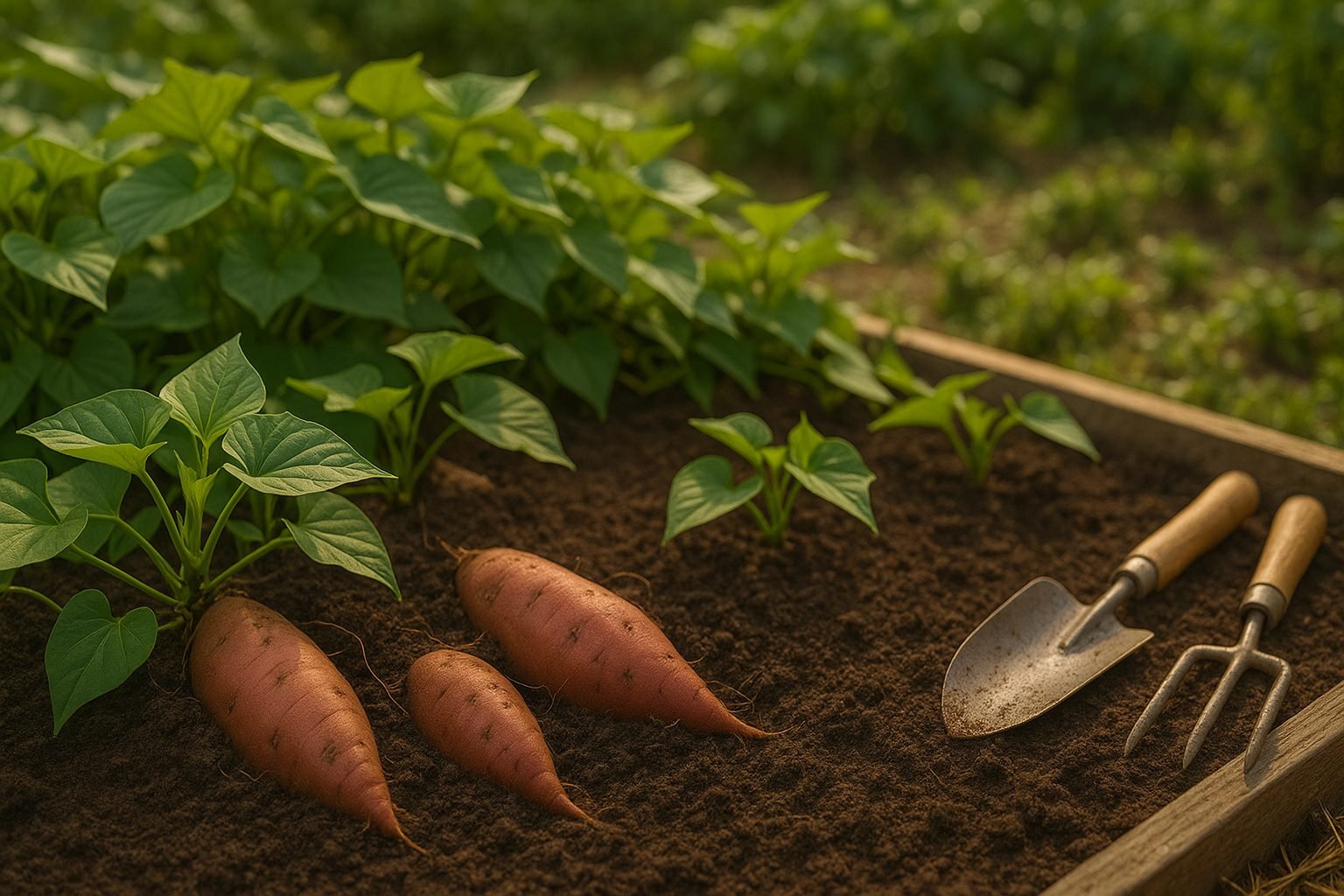
sweet potato crop rotation is a smart strategy for gardeners and farmers looking to keep their soil healthy and productive year after year. Growing sweet potatoes in the same spot season after season can cause problems—persistent pests like wireworms and nematodes tend to build up, and the risk of fungal diseases increases, which can reduce yields. Plus, sweet potato plants are heavy feeders, depleting essential soil nutrients, especially potassium and phosphorus, leading to tired, less fertile soil.
That’s why rotating your crops after harvesting sweet potatoes isn’t just beneficial; it’s essential for sustainable gardening. In this article, you’ll find practical advice on what to plant after sweet potatoes. We’ll explore crop options that break pest and disease cycles, replenish key nutrients, and keep your beds performing at their best for future seasons.
Whether you have a backyard plot or a larger farm, these tips will help you make the most of sweet potato crop rotation and set the stage for continuous harvest success.
Sweet Potato Crop Rotation
Sweet potatoes are loved for their versatility and nutrient content, but growing them year after year in the same spot can stress your soil and lead to various issues. As root crops, sweet potatoes have a high demand for potassium and phosphorus, which can gradually deplete your soil’s nutrients, making it less fertile for future planting. Their sprawling vines help suppress weeds, but frequent cultivation can compact the soil and harm its structure if not managed properly.
Beyond soil health, sweet potatoes attract certain pests and diseases—most notably root-knot nematodes that attack the tubers, causing stunted or scarred growth. Fungal pathogens like Fusarium and Sclerotium also linger in the soil, ready to cause problems when sweet potatoes are planted repeatedly in the same area.
This is where sweet potato crop rotation becomes invaluable. By rotating sweet potatoes with unrelated crops, especially those from different plant families such as legumes or brassicas, you disrupt the life cycles of pests and pathogens. This practice helps reduce specific pest populations and allows the soil to replenish essential nutrients and restore its natural structure.
Over time, thoughtful crop rotation results in healthier plants, better yields, and a more resilient garden. For both home gardeners and farmers, understanding and applying sweet potato crop rotation is not just about preventing problems—it’s about preparing your soil for thriving productivity season after season.
Sweet Potato Crop Rotation
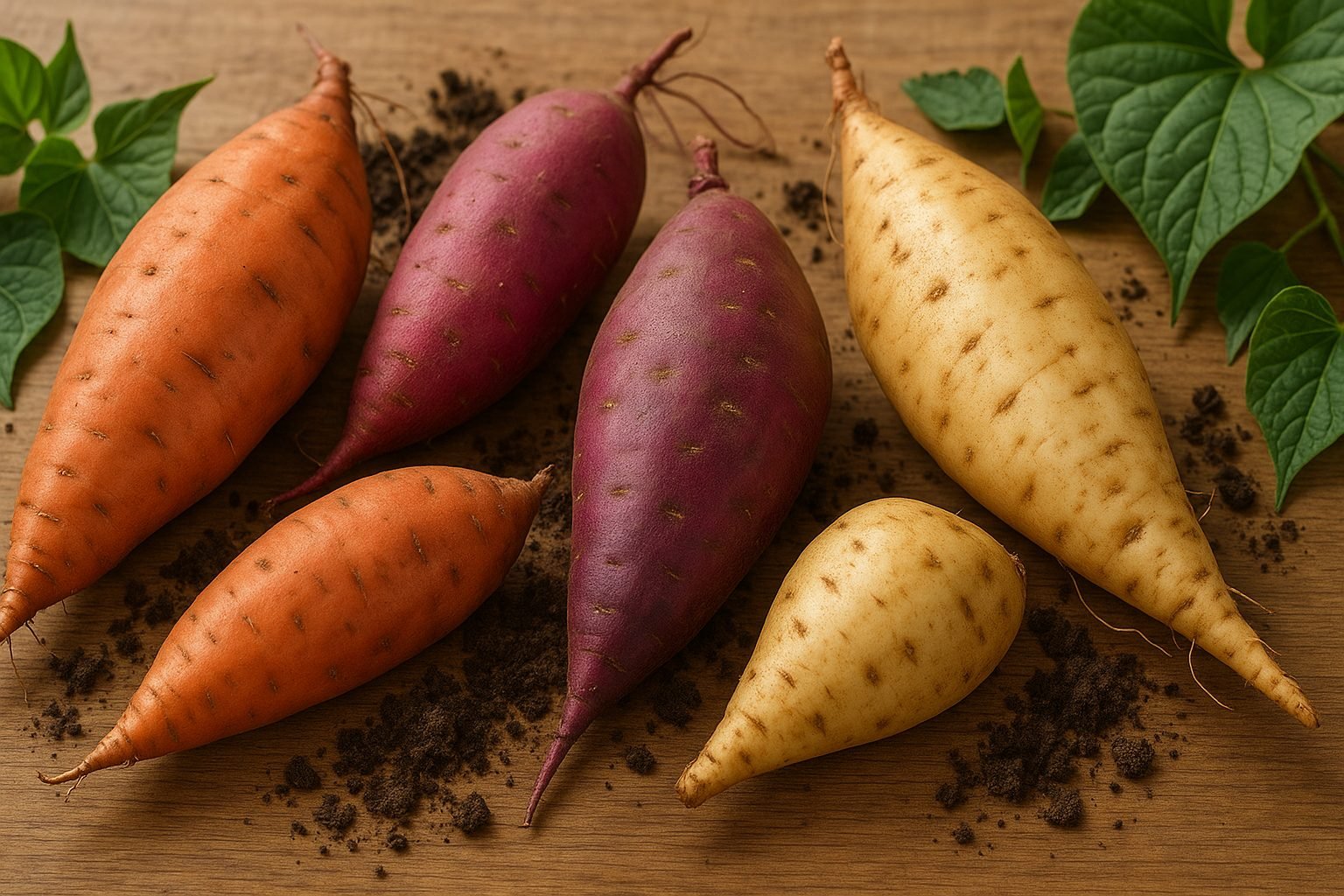
When planning sweet potato crop rotation, it’s important to avoid planting crops from the same family—specifically the Convolvulaceae family—immediately after sweet potatoes. Crops like morning glory, field bindweed, and other Ipomoea species are closely related and can host many of the same pests, such as wireworms and root-knot nematodes, as well as fungal diseases like soil-borne rots. Planting these or similar crops consecutively allows pests and pathogens to build up and persist in the soil, worsening problems in following seasons.
Additionally, other root crops like carrots, beets, and potatoes should generally be avoided right after sweet potatoes, as they are also vulnerable to soil-borne diseases and can be affected by residual pest populations. For example, sweet potato scurf or nematode infestations remaining in the soil can quickly spread to these root vegetables, resulting in poor yields and lower-quality harvests.
To break disease cycles and reduce pest pressure, it’s best to select unrelated crop families—such as legumes, brassicas, or leafy greens—to plant following sweet potatoes. This approach helps keep your soil healthy and productive year after year.
Effective Sweet Potato Crop Rotation for a Healthy Garden
Practicing smart sweet potato crop rotation is essential for maintaining healthy and resilient garden soil. After harvesting sweet potatoes, the best follow-up crops come from different plant families—particularly legumes, brassicas, and grains.
Why Choose Legumes, Brassicas, and Grains?
Legumes like beans and peas are top choices because they naturally fix nitrogen in the soil through a symbiotic relationship with soil bacteria. This process replenishes nutrients that sweet potatoes, which are heavy feeders, tend to deplete, enriching the soil for future crops.
Brassicas—such as cabbage, broccoli, and kale—help break soilborne pest and disease cycles that affect sweet potatoes and other root vegetables. Many pests associated with sweet potatoes, like wireworms and nematodes, can’t survive on brassicas, which helps reduce their populations for the next planting season.
Grains and grasses, including corn, oats, and rye, are also excellent rotation partners. Their dense root systems improve soil structure, reduce erosion, and further disrupt pest cycles.
Additional Rotation Tips
Including crops like lettuce after sweet potatoes benefits both the soil and your gardening schedule. Lettuce is a quick-growing crop with shallow roots, so it doesn’t heavily tax the soil and can make use of any remaining nutrients. Following lettuce with small grains like oats or wheat can provide green manure if turned under before drying out, boosting organic matter and soil biodiversity.
Long-Term Benefits of Sweet Potato Crop Rotation
By planting beans or peas, you prepare the soil for demanding summer crops by increasing available nitrogen. Rotating in cabbage or collards balances the soil’s pest and disease pressure, while grains and lettuce give the earth a break from heavy feeding and deep rooting. This strategy helps keep your garden productive over time.
Overall, a well-planned sweet potato crop rotation ensures your soil remains fertile, pests and diseases are managed naturally, and each new crop gets off to a stronger start.
Soil Health Boosters
After harvesting sweet potatoes, your soil can benefit greatly from using cover crops and green manures—two essential components of sweet potato crop rotation. Cover crops are plants grown primarily to rest and rejuvenate the soil rather than for harvest, while green manures are cover crops that are tilled back into the ground before flowering, enriching the soil as they decompose. Both methods help restore nutrients depleted by the heavy-feeding sweet potato crop and break pest and disease cycles.
Leguminous plants like clover and vetch are especially valuable because they fix atmospheric nitrogen into the soil, replenishing this vital nutrient for your next crop. Grasses such as rye develop deep root systems that improve soil structure, reduce erosion, and add plenty of organic matter when mowed and tilled in. Buckwheat grows quickly, forming a dense canopy that smothers weeds and pulls phosphorus from deep in the soil—making it ideal for rapid soil improvement between main crops.
For the best results in a post–sweet potato rotation, sow your chosen cover crops soon after lifting your potatoes, aiming for 6–8 weeks of growth before the first hard frost. Direct seeding works well: lightly broadcast the seed over the cleared plot, rake it in, and water thoroughly. If you’re planning a spring planting, you can sow winter rye in late fall to provide winter cover and early spring green manure.
When it’s time to plant your next food crop, cut or mow down the cover and till it into the soil a few weeks before transplanting. This natural addition of nutrients and organic matter will leave your soil healthier and more productive for the growing season ahead.
Sweet Potato Crop Rotation
Creating a multi-year sweet potato crop rotation plan helps maintain healthy, productive soil while reducing the risk of pests and diseases. For example, in a four-year rotation, you could plant sweet potatoes in year one, followed by legumes such as beans or peas in year two, then leafy greens or brassicas like kale or cabbage in year three, and finally a grain or grass cover crop like oats or rye in year four.
This approach allows you to benefit from the soil-enhancing qualities of each crop: sweet potatoes are heavy feeders that use a lot of nutrients, while legumes fix nitrogen back into the soil. Leafy greens and grains use nutrients differently than root crops, helping balance soil fertility. Alternating crop families also breaks pest and disease cycles, as most pathogens and insects specialize in certain plants and won’t easily transfer between unrelated crops.
To customize your rotation, consider your local climate—warm regions might swap brassicas for heat-tolerant greens, while cooler climates could extend the legume phase for better soil enrichment. Your goals matter too: if you want more fresh vegetables, add extra years for diverse crops; if space is limited, try rotating crops in raised beds or containers every season.
Pay attention to each crop’s nutrient needs and pest profiles, and avoid planting sweet potatoes after other root vegetables to minimize the risk of soil-borne diseases. With a thoughtful multi-year plan, your sweet potato crop rotation will keep your garden thriving year after year.
Improving Sweet Potato Crop Rotation for Better Yields
If you notice your sweet potatoes are becoming more susceptible to diseases like root rot or nematode infestations, along with spotty leaf growth or declining yields year after year, it’s a clear sign your sweet potato crop rotation isn’t working effectively. Poor rotation often causes a buildup of pests and pathogens that specifically target sweet potatoes, while repeatedly depleting similar nutrients, leading to visible symptoms like yellowing leaves or stunted vines.
To fix these issues, start by changing your crop sequence. Plant unrelated vegetables such as legumes or brassicas after sweet potatoes; these help disrupt pest life cycles and naturally replenish soil nitrogen. Running regular soil tests is also a game-changer—they uncover hidden nutrient deficiencies and allow you to customize organic amendments like compost or well-rotted manure to restore soil health.
If crop rotation alone isn’t enough, consider adding green cover crops during the off-season for an additional boost to soil vitality. Most importantly, keep detailed records—whether written or digital—of what you plant, where, when, and any problems you encounter each season. These notes make it much easier to identify patterns, adjust your rotation plan, and continuously improve your yields and plant health with every growing cycle.
Maximizing Your Sweet Potato Crop Rotation
To get the most from your sweet potato crop rotation, start by removing or composting old crop residues. This helps prevent disease buildup and reduces pest carryover. Rotate sweet potatoes with crops that aren’t closely related, such as legumes or brassicas, to replenish soil nutrients and break pest cycles.
Keep an eye on soil health by testing it each season and adding organic amendments when needed. When planting rotated crops, space them according to their specific needs—crowded beds can limit growth and encourage disease.
The best timing for planting depends on your local climate, so monitor soil temperatures and adjust your schedule annually. If you’re going organic, consider using cover crops between rotations to improve soil structure and fertility further.
Remember, every garden is unique, so don’t hesitate to experiment with different crop sequences to find what works best in your area. For tailored advice based on regional pests, weather, and soil conditions, your local agricultural extension office is a great resource. Consistent observation and a willingness to adapt will lead to healthier, more productive gardens year after year.