Introduction
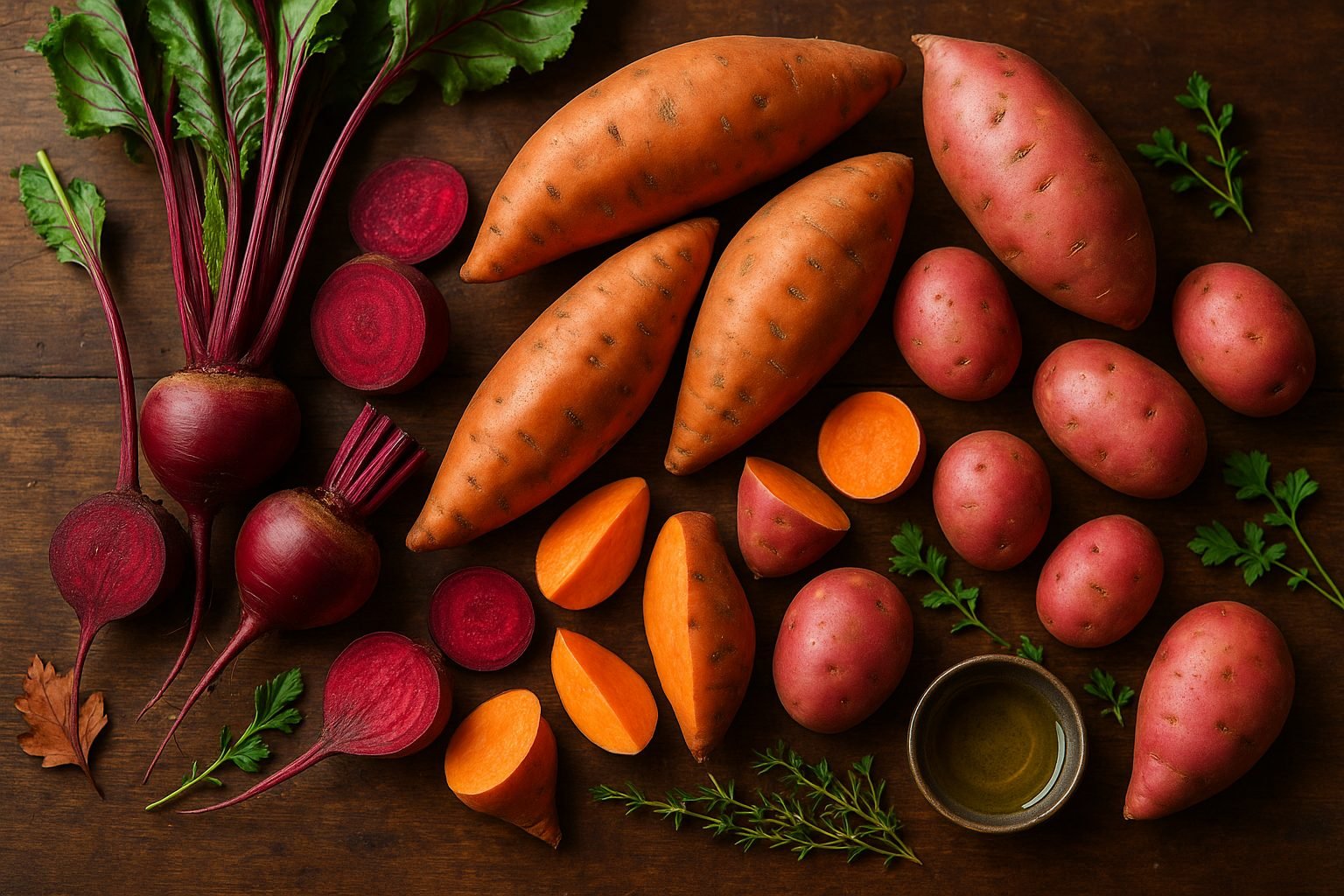
Beets vs. sweet potatoes—if you’ve ever wandered through the produce aisle unsure which to bring home, you’re not alone. Both beetroots and sweet potatoes are beloved root vegetables found in kitchens worldwide, boasting vibrant colors and impressive versatility. But when it comes to nutrition, health benefits, and the best ways to enjoy them, how do you decide which is right for your meal plan?
In this article, we’ll break down the differences between beets and sweet potatoes, taking a close look at their nutritional profiles, unique health benefits, and practical tips for including each in your diet. Whether you’re aiming to add more fiber, vitamins, or antioxidants to your plate, or simply want to know if roasting beets or baking sweet potatoes will better serve your health goals, you’ll find answers here.
With real-life examples and tasty meal recommendations, our goal is to help you confidently navigate your produce choices and get the most from these colorful staples. Let’s dig in and discover which root vegetable earns your next spot at the table!
Nutritional Overview: General Values Compared
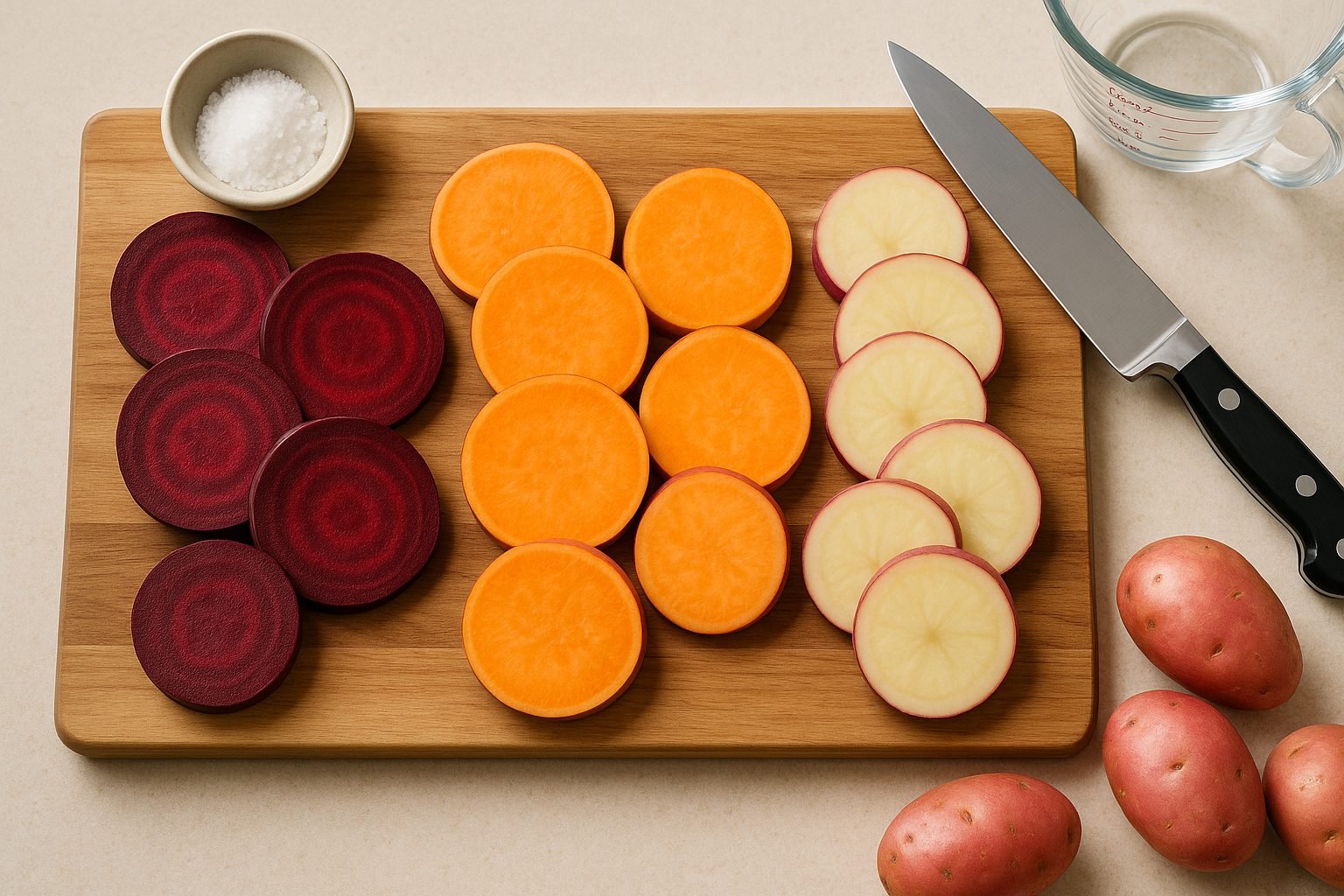
When comparing the nutritional profiles of beetroot, red potatoes, and sweet potatoes, it’s clear each brings unique benefits to the table, making them suitable for a variety of diets. A standard serving (about 100 grams) of boiled beetroot contains roughly 44 calories, 10 grams of carbohydrates, 2 grams of fiber, 1.6 grams of protein, and 0.2 grams of fat.
Red potatoes, for the same weight, have about 70 calories, 16 grams of carbohydrates, 1.5 grams of fiber, 2 grams of protein, and virtually no fat. Sweet potatoes provide approximately 86 calories, 20 grams of carbs, 3 grams of fiber, 1.6 grams of protein, and 0.1 grams of fat per 100 grams cooked.
Beetroot stands out for having the lowest calorie and carbohydrate counts, making it a smart pick for low-calorie or low-carb diets, though it has less fiber than sweet potatoes. Sweet potatoes shine with their fiber content and complex carbs, making them favorites for those seeking sustained energy and digestive health, such as athletes or individuals on high-fiber diets. Red potatoes often land in the middle — good for moderate carb intake and slightly higher protein than the sweet variety.
For those watching carbs strictly, like on ketogenic diets, beetroot is preferable in moderation, though it’s still higher in carbs than leafy greens. If your focus is on fiber or vitamin A, sweet potatoes are tough to beat. When aiming for a more filling side that doesn’t overload you with calories, red potatoes in a boiled or baked form are a balanced choice.
Ultimately, selecting between these vegetables depends on your dietary goals — whether that’s managing blood sugar, increasing fiber, or keeping calories low — so try rotating them in your meals to capture their diverse nutritional strengths.
Sugars and Carbohydrate Profiles
When it comes to sugars and carbohydrates, both beetroot and potatoes pack a nutritional punch, but they differ in their sugar content and impact on blood sugar levels. A 100-gram serving of raw beetroot contains about 6.8 grams of carbohydrates, with roughly 7 grams coming from sugars such as glucose, fructose, and sucrose. In contrast, potatoes offer around 17 grams of carbohydrates per 100 grams, yet their sugar content is much lower—typically less than 1 gram—since most of their carbs are in the form of starch.
The glycemic index (GI), which measures how quickly a food raises blood sugar levels, is about 61 for beetroot and can range from 78 to over 90 for boiled or mashed potatoes, labeling potatoes as high-GI foods. Glycemic load (GL), which considers portion size, is also higher for potatoes, meaning they can cause more significant spikes in blood glucose.
For those with diabetes or anyone managing carbohydrate intake, beetroot, with its lower GI and GL, is usually a better option for keeping blood sugar steady. Try roasting beetroot for salads or grating it into yogurt as a naturally sweet snack. Meanwhile, if you want to enjoy potatoes, opt for cooling boiled potatoes before eating—they develop resistant starch that lowers their GI.
Whichever vegetable you choose, pay attention to portion sizes and pair them with protein or healthy fats to slow sugar absorption and keep energy levels stable.
Vitamins and Mineral Content
When it comes to vitamins and minerals, beetroots and potatoes each bring unique strengths to the table, making them valuable additions to your diet. Beetroots stand out for their exceptionally high folate content—a nutrient crucial for cell growth, DNA formation, and especially important for pregnant women to help prevent birth defects.
Beetroots are also a great source of potassium, which supports healthy blood pressure by balancing sodium levels in the body, and they offer a decent supply of vitamin C, aiding immune function and helping your body absorb iron. For minerals, beetroots contain a moderate amount of magnesium and iron. Magnesium helps muscles and nerves function properly, while iron supports the body’s ability to make red blood cells, although iron from plant sources isn’t absorbed as efficiently as from animal sources.
Potatoes, on the other hand, excel in vitamin B6, essential for protein metabolism and nervous system health—just one medium baked potato can provide nearly 30% of your daily B6 needs. They are also a solid source of potassium, which, like in beetroots, aids heart health and helps keep your blood pressure in check.
While lower in folate compared to beets, potatoes contain a good amount of vitamin C, especially when eaten with the skin, giving your immune system a boost. For iron and magnesium, potatoes provide small but helpful amounts, contributing to overall energy levels and muscle health.
If you’re targeting specific health goals, beets may be your go-to for supporting heart health through folate and regulating blood pressure via potassium, as well as boosting iron intake. Potatoes shine when you need vitamin B6 for energy and nerve function or extra potassium for cardiovascular wellness.
Including both in your meals can help you benefit from a range of nutrients that support everything from immunity to blood pressure to energy production. For a real-world tip, try roasting cubed beets and potatoes together with olive oil and herbs—this not only amplifies their flavors but delivers a powerful combination of vitamins and minerals for your body.
Antioxidants and Unique Plant Compounds
Antioxidants are natural substances that protect our cells from damage caused by unstable molecules called free radicals, which are produced by pollution, stress, and even normal body processes. By neutralizing free radicals, antioxidants can slow aging, lower the risk of chronic diseases, and support overall health.
Not all antioxidants are the same—different plant foods offer unique types and amounts. For example, beets are celebrated for their high levels of betalains, colorful pigments with proven antioxidant and anti-inflammatory properties. Meanwhile, purple potatoes and other varieties rich in anthocyanins—a class of flavonoids—offer their own powerful protection. Research links anthocyanins to improved heart and brain health due to their ability to reduce oxidative stress.
Studies suggest that both betalains and anthocyanins can lower markers of inflammation in the body. This is important because chronic inflammation is a risk factor for conditions like heart disease, diabetes, and some cancers. Laboratory findings show that betalains from beets may help inhibit the growth of certain cancer cells, while anthocyanins have demonstrated the ability to slow cancer cell spread and encourage natural cell death in lab settings.
While more human clinical trials are needed, adding a colorful mix of antioxidant-rich foods like beets and purple potatoes to your diet is a practical way to tap into their protective properties. Try roasting beets with olive oil or swapping regular fries for baked purple potato wedges to easily boost your antioxidant intake.
Overall, prioritizing a rainbow of plant foods ensures you’re getting a variety of these beneficial compounds, each offering unique defense against disease and supporting long-term health.
Health Benefits and Potential Drawbacks
Beetroots and potatoes, when enjoyed as part of a balanced diet, offer a host of impressive health benefits. Beetroots are particularly valued for their natural nitrates, which help relax blood vessels and can support healthy blood pressure, making them a heart-friendly option. They’re also rich in fiber, promoting gut health by supporting beneficial gut bacteria and regular digestion. Athletes often reach for beet juice or roasted beets to boost stamina and endurance, thanks to these nitrates that improve blood flow and oxygen delivery during exercise.
Potatoes, despite their reputation, are also nutrient-dense—they provide vitamin C, potassium, and fiber (especially with the skin on) and can help you feel full, supporting healthy weight management and gut health.
However, there are a few caveats to keep in mind. Beets contain oxalates, which, in high amounts, can increase the risk of kidney stones in susceptible individuals. If you’re prone to stones, it’s wise to moderate your intake and drink plenty of water. Potatoes, on the other hand, are high in carbohydrates and can cause blood sugar spikes, especially if prepared as fries or chips.
Opt for baked, boiled, or steamed potatoes, and try pairing them with a source of protein or healthy fat to slow down digestion. Moderation and preparation are key—rotate beets and potatoes with other vegetables, watch your portion sizes, and experiment with flavorful herbs and spices instead of heavy sauces or salt for a healthy, satisfying addition to your meals.
Which Is Better for You? When to Choose Each
Choosing between beetroot and potatoes often depends on your unique health goals and daily needs. If you’re focused on weight loss, beetroot might be the better pick; it’s lower in calories and rich in fiber, helping you stay full without consuming too many calories.
For example, Jane, a busy mom trying to shed a few pounds, swapped her mashed potatoes for beetroot salads at lunch and noticed fewer afternoon cravings.
On the other hand, if you’re aiming for energy and athletic performance, potatoes—especially sweet potatoes—offer complex carbohydrates that provide sustained fuel. Mark, a marathon runner, often bakes a potato before big training days for a pre-workout boost.
Heart health is another important factor. Both vegetables contribute, but beetroot stands out because of its natural nitrates, which can help lower blood pressure. People managing hypertension, like Raj, have added more roasted beetroot to their dinners after consulting with their doctors. That said, potatoes are also naturally fat-free and can be heart-healthy if you avoid heavy toppings or frying.
Ultimately, it’s smart to assess your goals:
- Go for beetroot if you want fewer calories and better blood pressure support.
- Choose potatoes when you need a hearty, versatile source of carbohydrates.
Many people find that rotating both in their weekly meals strikes the best balance between taste, nutrition, and satisfaction.
Tasty Ways to Include Beetroots and Potatoes
Bringing beetroots and potatoes into your meals can be both delicious and nutritious with just a few easy tweaks to your routine.
For beetroots, try roasting them whole with a bit of olive oil, salt, and pepper—this method caramelizes their natural sugars and locks in nutrients. To keep their vibrant color, wrap beets in foil while roasting, or add a splash of vinegar when boiling to reduce fading. Sliced raw beets also add an earthy crunch to salads; pair them with goat cheese and walnuts for an irresistible combo.
Potatoes are equally versatile—roast wedges with garlic and rosemary, or steam them to retain the most nutrients and use in a classic potato salad with Greek yogurt dressing.
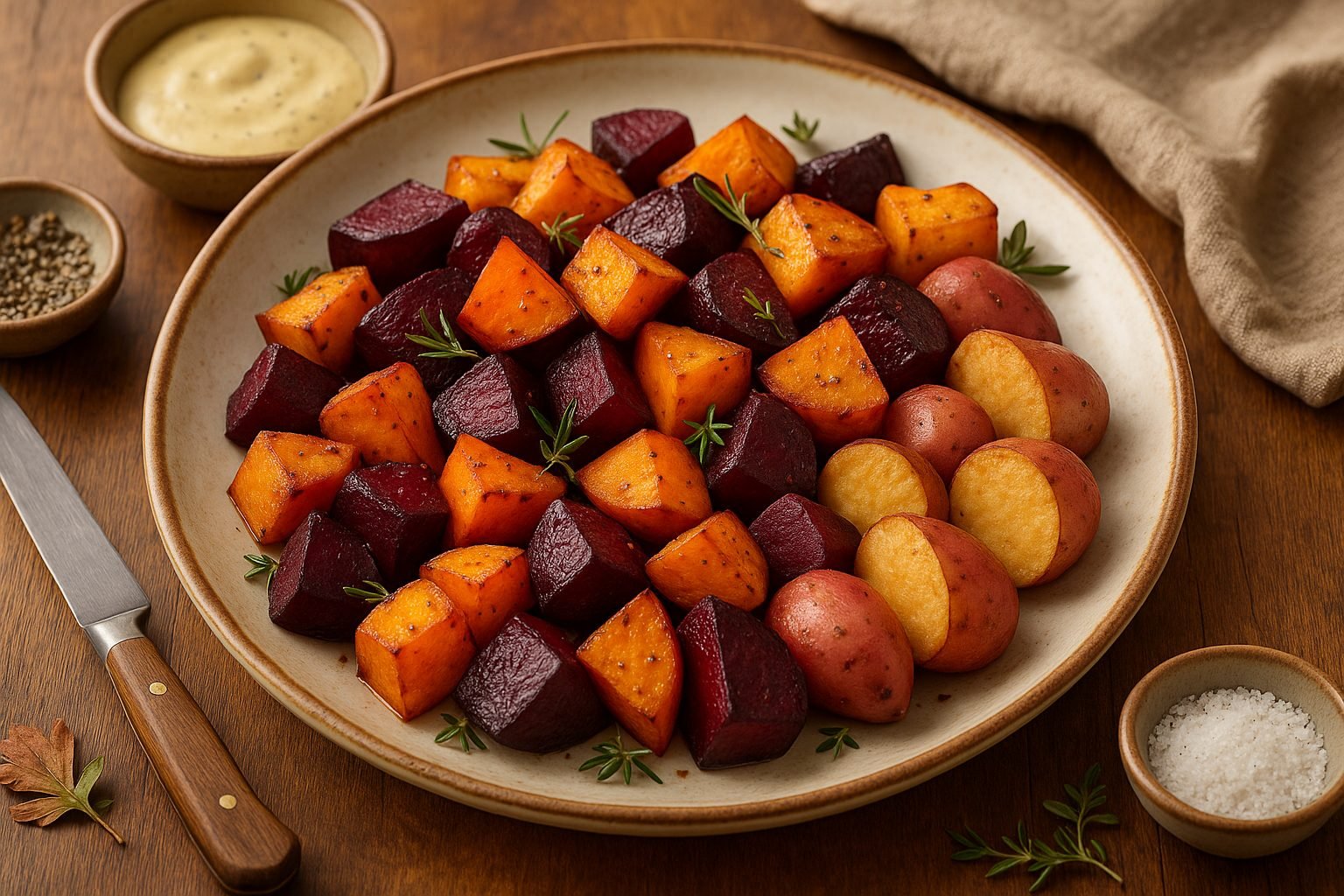
To combine both veggies, toss cubed beets and potatoes with olive oil, thyme, and paprika, then roast until crispy for a colorful side dish. For a hearty soup, simmer diced beets and potatoes with onions and vegetable broth, blending partway for a creamy texture.
When boiling potatoes, start with cold water to prevent a mushy texture, and avoid over-stirring cooked beets in salads to prevent staining everything pink.
With these simple techniques and recipes, you’ll enjoy the earthy sweetness of beets and the comforting taste of potatoes—together or apart—in your everyday cooking.
Conclusion
Both beetroot and potato bring unique nutritional benefits to your plate. Beetroot is rich in antioxidants, fiber, and nitrates that may support heart health and improve blood flow, while potatoes are packed with vitamin C, potassium, and slow-release carbohydrates for lasting energy.
If you’re looking to boost your fiber or plant-based iron, beets are a stellar choice. For fuel before workouts or a mineral lift, potatoes fit the bill. Don’t feel like you have to choose—combining both can offer your body a diverse range of nutrients and keep meals interesting.
Next time you’re in the kitchen, try swapping out your usual side for roasted beets or mashing sweet potato alongside your favorite protein. Experiment with new recipes and discover how these vibrant veggies can add flavor, color, and nourishment to your diet.