Introduction
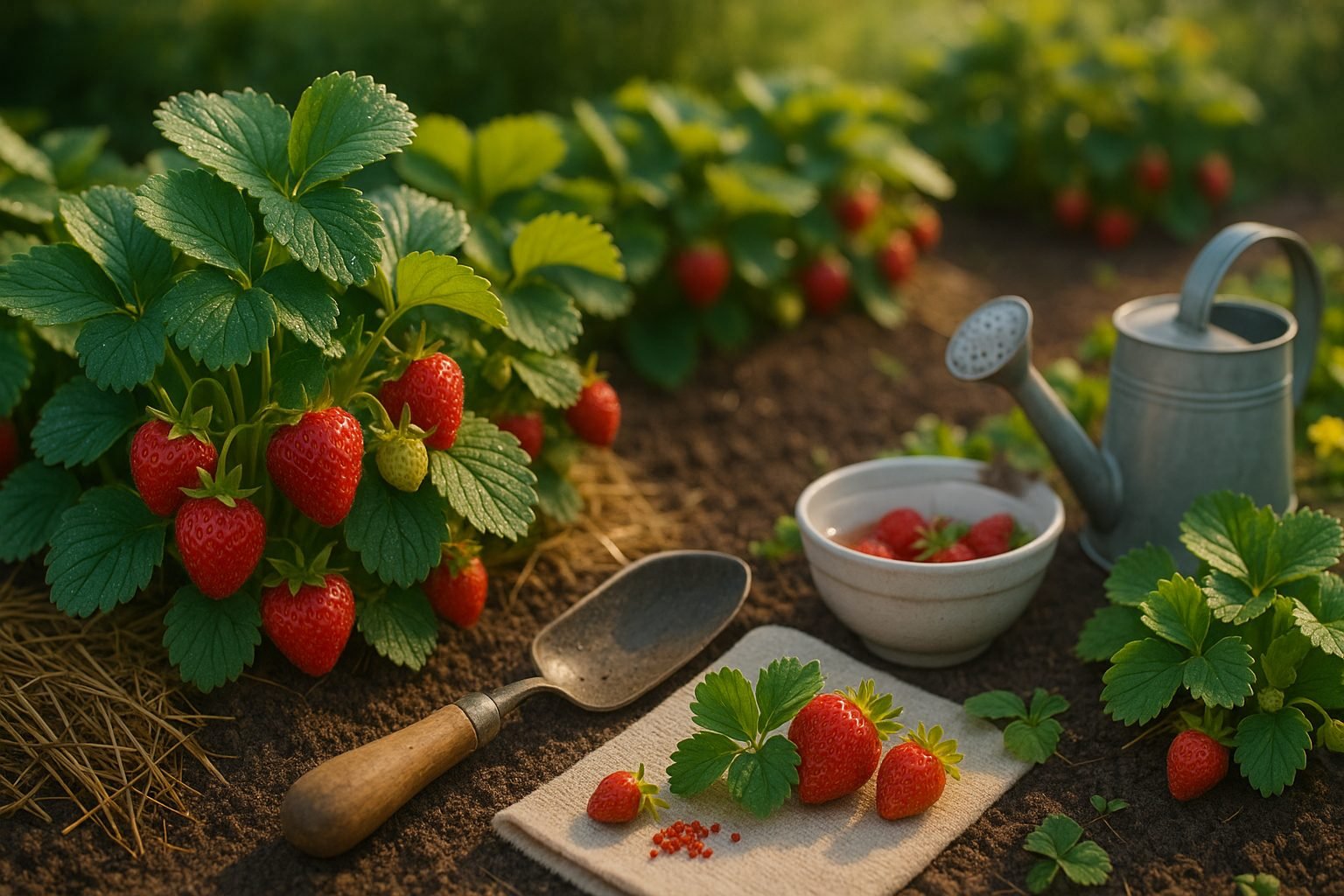
Strawberries are one of the most beloved and rewarding crops for gardeners and small farmers alike, but dealing with strawberry diseases can quickly turn your berry patch from dream to disaster. Whether you’re growing a handful of plants on your patio or managing rows in a garden, these pesky diseases can threaten both yield and flavor.
This article is packed with practical, expert-backed advice to help you spot, prevent, and manage common strawberry diseases naturally—no harsh chemicals required. We’ll cover how to identify early warning signs of trouble, natural solutions proven to work, and smart gardening habits that set your strawberries up for success.
From recognizing powdery mildew early to using crop rotation and homemade sprays, you’ll find actionable tips you can implement today. Let’s turn your strawberry patch into a source of sweet, healthy berries all season long.
Choosing the Right Strawberry Varieties
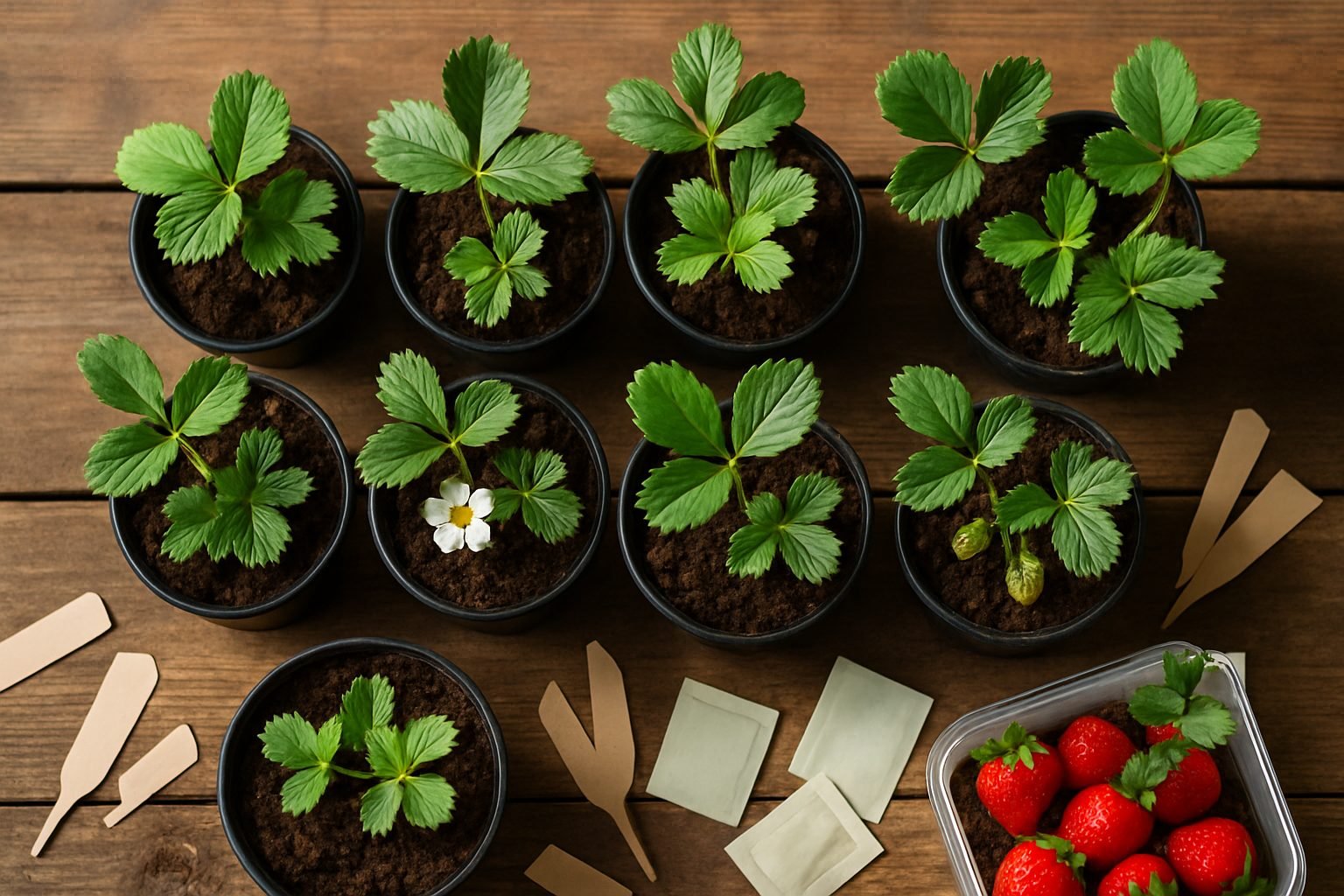
When it comes to growing strawberries, picking the right variety makes all the difference in your harvest. First, consider the three main types of strawberry plants: June-bearing, everbearing, and day-neutral.
June-bearing strawberries are favorites for gardeners seeking a large, concentrated crop; they produce one big harvest in late spring or early summer, perfect for making jams or freezing berries in bulk. Everbearing strawberries offer two lighter crops—one in early summer and another in early fall—so if you prefer fresh berries for longer periods, these might be for you. Day-neutral varieties are the most flexible, producing berries steadily from late spring to fall, regardless of day length; they’re ideal for consistent snacking or smaller families.
Each type brings unique benefits: June-bearers typically offer the largest berries and most robust flavor, while day-neutrals and everbearers are often bred for disease resistance and adaptability, making them better choices for beginners or areas prone to common strawberry pests.
Always consider your climate, as some varieties thrive best in certain regions. For colder climates, look for cold-hardy types like ‘Honeoye,’ whereas warmer areas might benefit from ‘Chandler’ or ‘Seascape’ strains. Local university extension offices or gardening centers often have lists of varieties proven to perform well in your area.
No matter which type you choose, sourcing matters—buy certified disease-free plants from reputable nurseries rather than questionable online sellers or big-box garden centers. Healthy starts will minimize problems later and ensure your strawberry patch gets off to a strong, fruitful start.
Take the time to research and select varieties that match your goals and location, and you’ll enjoy sweet success with your strawberry harvest.
Preparing Your Site and Planting
Choosing the right spot for your garden is the first step toward a productive planting season. Look for an area that gets at least six to eight hours of direct sunlight daily—most vegetables and flowering plants thrive in full sun. Assess the soil quality by checking for a loose, crumbly texture (avoid heavy clay or sandy soils if possible), and make sure the location doesn’t collect standing water after rain; good drainage is key to healthy roots.
Before planting, invest a little time in soil preparation. Start by removing all weeds, including roots, to minimize competition for nutrients and water. Next, test the soil pH with an inexpensive kit from a garden center; most plants prefer a neutral to slightly acidic pH (6.0–7.0). If needed, amend your soil with compost for organic matter, lime to raise pH, or sulfur to lower it. Work these amendments in deeply using a shovel or garden fork.
When it’s time to plant, follow the spacing recommendations for each species—crowded plants compete for light and nutrients, while properly spaced ones grow strong and resist disease. As a rule of thumb, plant seeds or seedlings at a depth roughly twice their diameter, and water them gently right after planting to settle the soil around roots.
For timing, aim to plant after your area’s last expected frost if you’re growing tender crops like tomatoes, while cool-weather vegetables can go in earlier. A little planning and care at this stage sets your plants up for a season of healthy growth.
Caring for Your Strawberry Plants
Caring for your strawberry plants throughout the season starts with consistent watering—aim for about one inch per week, delivered early in the morning to keep foliage dry and minimize disease. As strawberries begin to flower and set fruit, increase watering slightly, ensuring the soil stays evenly moist but never soggy.
Feed your plants with a balanced, slow-release fertilizer when they start growing in spring. After the first harvest, supplement with a side-dressing of compost or well-rotted manure to encourage continued production.
Apply a two- to three-inch layer of straw mulch around the plants once the fruits start developing. This helps conserve moisture, suppress weeds, and keep the berries clean. Regularly remove weeds by hand to prevent them from competing with your strawberries for nutrients and water.
You’ll also need to manage runners—the long stems strawberry plants send out to create new plants—which can crowd beds and reduce yield. Once established, trim back most runners unless you want to propagate new plants in a specific area. This helps direct energy into producing larger fruit.
Thin your plants every couple of years by removing the oldest or weakest ones to improve air circulation and prevent overcrowding, which lowers the risk of disease.
In early spring, watch for any late frosts. Cover blossoming plants with garden fleece, lightweight fabric, or even old sheets on chilly nights to protect delicate flowers and your future harvest.
With these practical habits, you’ll create healthy, productive strawberry beds that reward you with juicy fruit year after year.
Managing Common Diseases and Pests
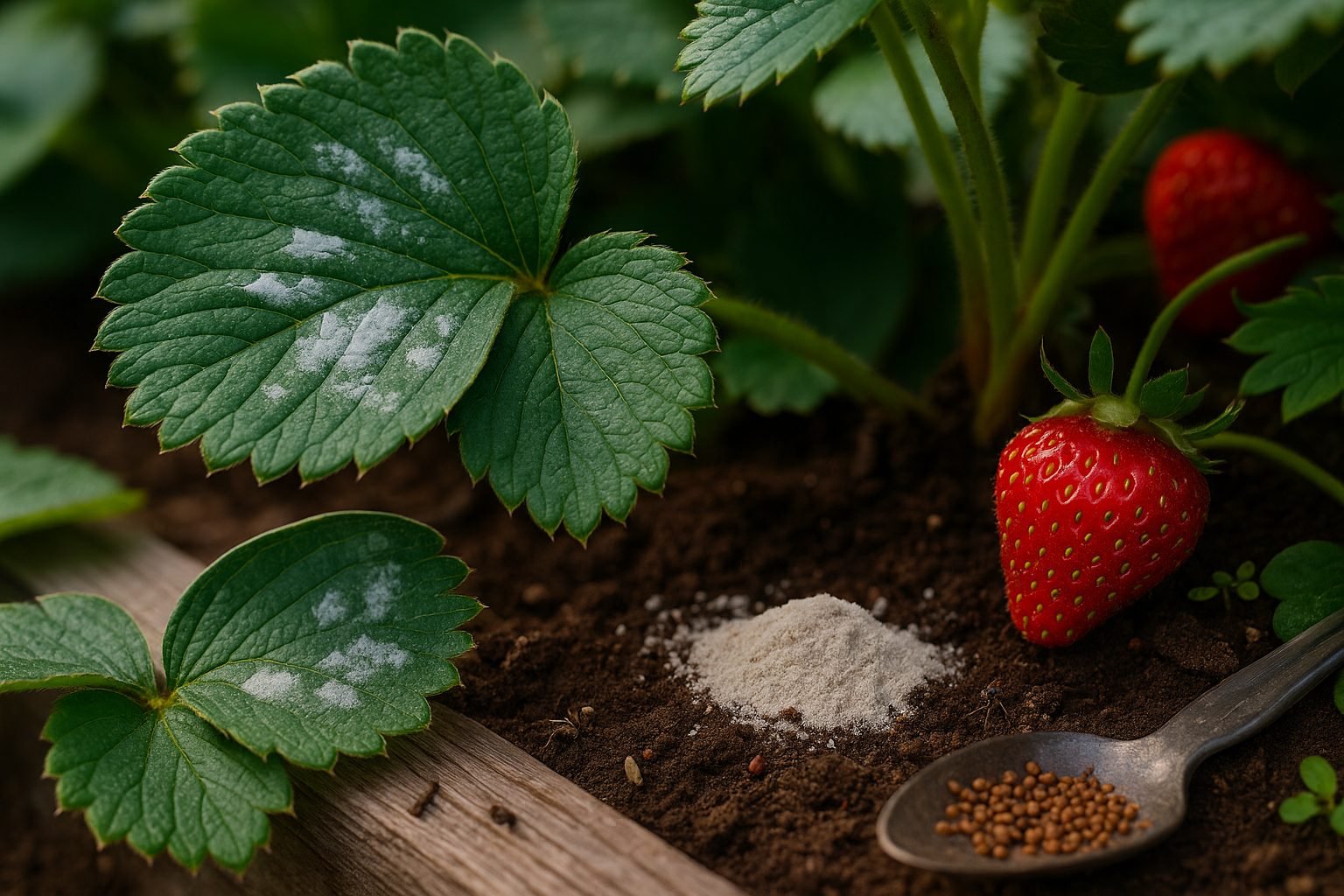
Keeping your strawberry plants healthy means staying alert to common threats like gray mold and powdery mildew, both of which can quickly ruin your harvest.
Gray mold, caused by Botrytis cinerea, shows up as fuzzy gray patches on berries, especially after rainy or humid weather. To prevent it, plant strawberries in well-drained soil, space them apart for good airflow, and remove dead leaves or spoiled fruit regularly.
Powdery mildew, on the other hand, appears as white powdery spots on leaves and stems. It’s most common during warm, dry days, but high humidity can also contribute. Prevent it by watering plants at the base—avoid wetting leaves—and by choosing resistant strawberry varieties when possible.
Insect pests like aphids, spider mites, and slugs can also be a headache. Aphids cluster on new growth and can cause curling or yellowing leaves, while spider mites leave fine webbing and tiny speckles on foliage. Slugs chew ragged holes in fruit and leaves, often leaving a shiny trail behind.
For these pests, integrated pest management (IPM) is the best approach. Start by inspecting plants regularly to catch problems early. Encourage natural predators like ladybugs for aphid control and apply diatomaceous earth around plants to deter slugs. Floating row covers can protect against a range of insects without chemicals.
Remove weeds and debris to eliminate pest hiding spots, and rotate crops yearly to break pest life cycles. If necessary, opt for organic treatments such as insecticidal soap sprays for aphids or neem oil for powdery mildew and spider mites.
By combining these methods—good garden hygiene, encouraging beneficial insects, and using organic sprays as a last resort—you’ll keep your strawberry patch thriving with minimal reliance on harsh chemicals.
Harvesting and Post-Harvest Handling
For the best flavor and longest shelf life, strawberries should be harvested when they are fully red, plump, and shiny—signs they have ripened on the plant and developed maximum sweetness. Try to pick strawberries during the cooler parts of the day, like early morning, because fruit picked during midday heat is more likely to bruise quickly.
Use small scissors or snip the stem just above the berry with your fingers, leaving the green cap (calyx) attached; pulling berries by hand can damage the delicate skin, reducing storage quality. Be gentle—place berries directly into shallow containers rather than piling them in deep buckets, which helps prevent crushing.
Once harvested, don’t wash strawberries until you’re ready to eat them; moisture speeds up spoilage. If cleaning is needed, rinse quickly in cool water and spread the berries out on a clean towel to dry completely before storage. Sort through the fruit and remove any soft, overripe, or damaged berries, as just one moldy berry can cause nearby ones to spoil faster.
For storage, line a shallow container with paper towels, arrange strawberries in a single layer, and loosely cover with plastic wrap or a lid to allow airflow. Store the container in the refrigerator, ideally in the fruit crisper drawer, which helps maintain humidity.
To extend shelf life further, consider flash-freezing clean, dry berries on a baking sheet before transferring them to a freezer bag—perfect for smoothies or baking later. Alternatively, use a solution of one part vinegar to three parts water for a quick soak, then dry thoroughly; this step can kill surface mold spores and reduce spoilage without affecting taste.
Following these steps helps keep garden-fresh strawberries tasting their best for as long as possible.
Troubleshooting and Frequently Asked Questions
Gardeners often face several challenges when growing strawberries, but most problems have quick fixes. For example, poor fruit set is usually due to insufficient pollination or excessively high temperatures. To encourage bees and other pollinators, plant flowers nearby and avoid using pesticides during blooming. If heat is an issue, provide afternoon shade using row covers or shade cloth.
Misshapen berries often result from incomplete pollination or uneven watering. Make sure to water your plants consistently, aiming for soil that’s moist but not soggy. If pollinator activity is low, hand-pollinate flowers with a soft brush.
If your plants are declining or producing fewer berries over time, check for overcrowding. Strawberries need space for healthy airflow and growth. Thin older plants every few years and replant with fresh, disease-free starts.
Yellowing leaves can signal nutrient deficiencies. Applying a balanced fertilizer in spring and again after harvest usually restores vigor.
Common questions from gardeners include:
- Why are my strawberries small? This is usually due to lack of water or over-fertilizing with nitrogen, which encourages leaf growth over fruit production.
- What pests should I watch out for? Keep an eye out for slugs, aphids, and spider mites. Use organic tactics like diatomaceous earth, neem oil, or hand-picking to control them.
- When should I pick berries? Wait until berries are fully red and glossy, picking every couple of days for optimum flavor and continuous harvest.
By tuning into your plants’ needs and addressing problems early, you’ll set yourself up for a sweet and healthy strawberry patch all season long.
Conclusion and Further Resources
Growing healthy strawberries starts with choosing the right variety, planting in well-drained soil, and giving your plants plenty of sun and water. Regular weeding, mulching, and protecting your berries from pests are also key to a bountiful harvest.
Don’t be afraid to try new techniques and learn from your experiences each season—gardening is all about experimentation and discovery.
For more detailed guidance, check out resources like your local Cooperative Extension office or trusted sites such as the University of California’s Strawberry Guide. Connecting with local gardeners or community garden groups can also provide personalized tips and support tailored to your region.