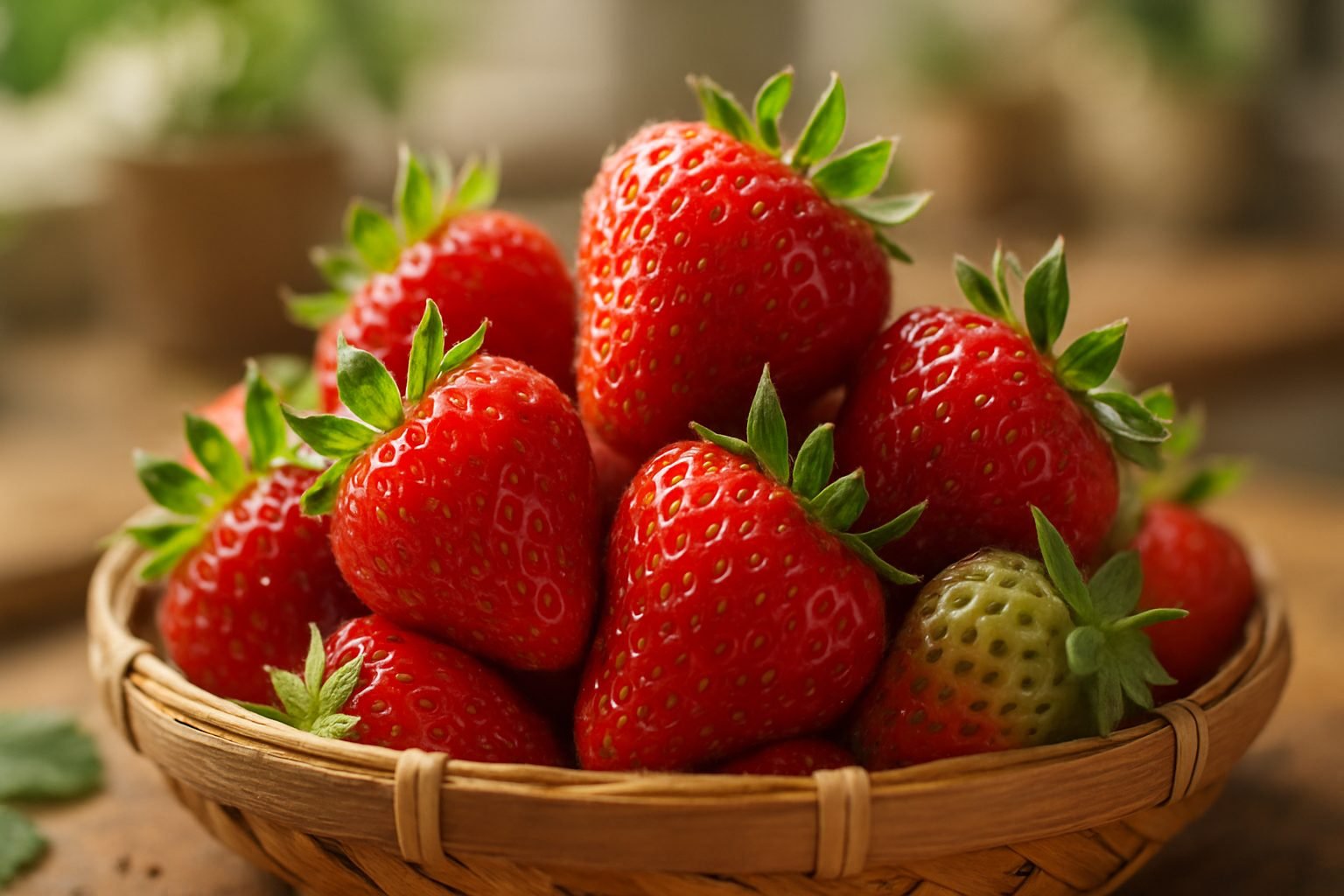
Why Do Strawberries Get Moldy So Fast?
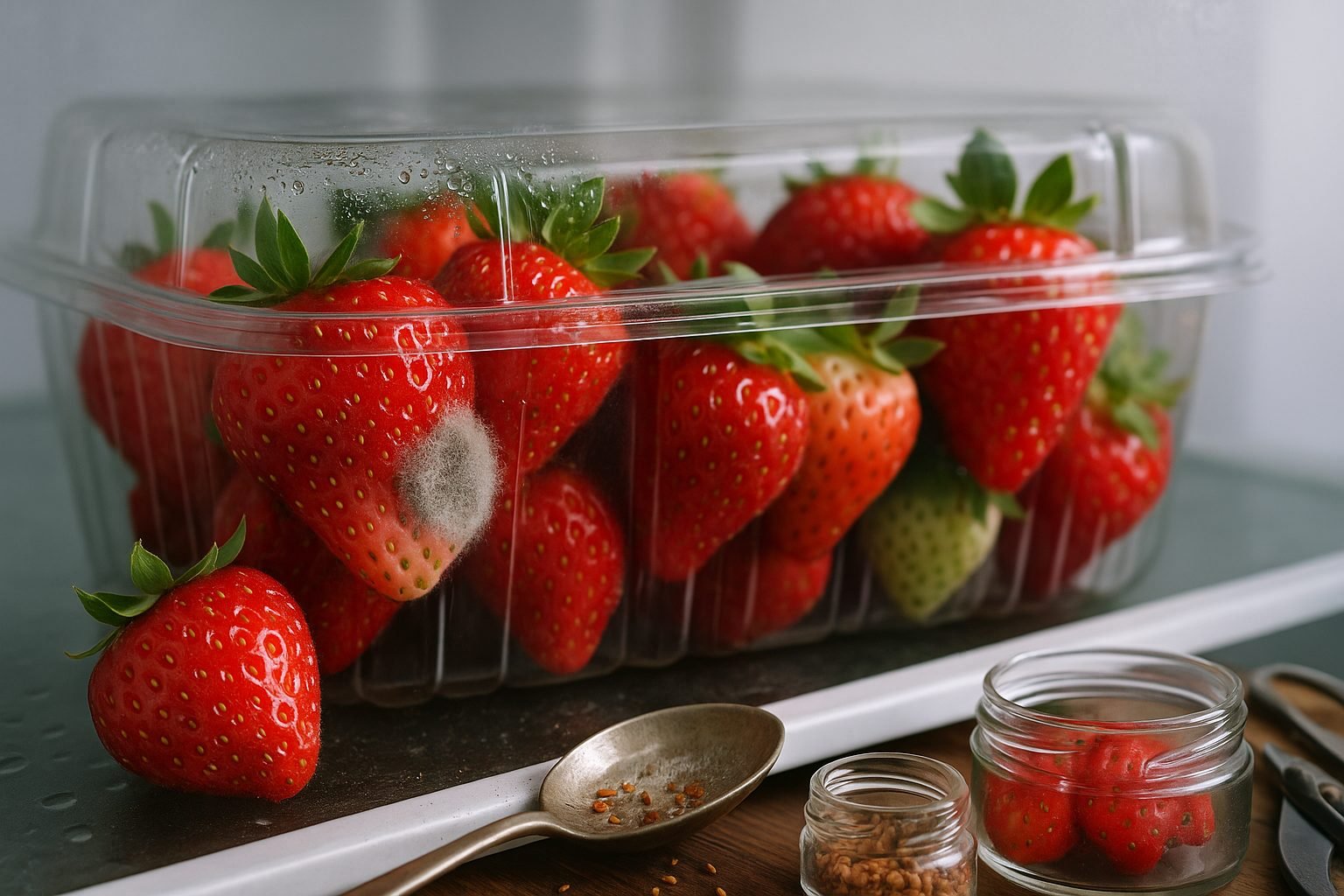
If you’ve ever reached into the fridge for a healthy snack only to find mold on strawberries, you’re not alone. That familiar fuzzy white or blue-gray growth can appear on your berries in just a day or two, turning a sweet treat into a disappointment. Mold is a type of fungus that thrives in moist environments—exactly the conditions that strawberries provide. The most common culprits you’ll spot on strawberries are Botrytis cinerea, also known as gray mold, and, less frequently, various species of Penicillium and Rhizopus.
Strawberries are especially vulnerable to mold for a few reasons. Their soft texture and delicate, thin skin make it easy for microscopic mold spores to settle in and spread. Add to that the berries’ naturally high water content, and you’ve got a perfect environment for mold to grow rapidly. When strawberries are stored in containers—especially ones that retain moisture and lack airflow—the problem only gets worse. It takes just one moldy berry to release invisible spores that drift through the box or basket, contaminating neighboring fruit. The close quarters in typical strawberry packaging mean those spores don’t have far to travel.
Unfortunately, all it takes is a bit of lingering moisture on the berries—left from the field, the packing house, or even condensation in your fridge—to tip the balance in mold’s favor. To make matters worse, everyday handling can bruise the fragile berries, creating tiny entry points for spores. This is why strawberries tend to go moldy so fast compared to other fruits.
If you want to cut down on spoilage, consider spreading your berries out when you get home, discarding damaged ones, and storing them in a dry, well-ventilated container in the fridge. Even a few simple steps can make a big difference, helping you enjoy fresh strawberries—before mold gets there first.
Is It Safe to Eat Strawberries With Mold?
Eating strawberries with visible mold is not safe and can pose several health risks. Mold often produces toxic substances called mycotoxins, which are harmful even in small amounts and can cause allergic reactions or more severe health issues, especially in people with sensitive immune systems.
You might be tempted to simply cut off the fuzzy white or gray spot and eat the rest of the berry, but this isn’t recommended with strawberries. Due to their soft, porous nature, mold’s microscopic roots can easily penetrate deeper than what you see on the surface, making it impossible to ensure the berry is truly safe after trimming.
As a rule, it’s best to discard any strawberries with visible mold entirely rather than trying to salvage the unaffected parts. If you find a moldy berry in a container, remove it right away. Carefully inspect the remaining berries—if they show any sign of mold or are overly soft and mushy, it’s safest to throw them out.
Berries that look and smell fresh can be rinsed thoroughly and eaten, but if you’re in doubt, it’s better to err on the side of caution to avoid foodborne illness.
To minimize waste and reduce the chances of mold, store strawberries unwashed in the fridge and wait to wash them until just before eating.
What Happens If You Accidentally Eat a Moldy Strawberry?
Accidentally eating a moldy strawberry usually isn’t a cause for panic—most people experience little more than a bad taste in their mouth and, at worst, mild stomach discomfort like slight nausea or a fleeting upset stomach. The digestive system is generally adept at handling small amounts of foodborne mold, and in healthy adults, serious illness is rare.
However, if you have mold allergies, asthma, or a compromised immune system, you’re more likely to react. Symptoms could include itching, a scratchy throat, sneezing, or even more pronounced respiratory symptoms. In rare cases, someone with severe mold allergies might experience difficulty breathing or swelling soon after eating the berry—which warrants immediate medical help.
If you only experience mild symptoms, staying hydrated and taking it easy for a few hours is usually enough. It’s important to watch for persistent vomiting, diarrhea, a spreading rash, or trouble breathing—these are signals you should contact your doctor.
For peace of mind, remember most people tolerate a single taste of moldy fruit without issue. To prevent future mishaps, check strawberries carefully before eating, toss out any that look fuzzy or smell off, and store them dry in the fridge to slow mold growth.
The Best Ways to Prevent Mold on Strawberries
To keep your strawberries fresh and mold-free, timing and technique are everything. First, only wash strawberries right before you’re ready to eat them—excess moisture is a major culprit behind speedy mold growth during storage.
For an extra layer of protection, you can give your berries a quick vinegar bath: mix one part white vinegar to three parts water and soak the berries for a few minutes. This helps kill mold spores without leaving a strong taste, but be sure to rinse thoroughly afterward to remove any vinegar residue.
Some people try baking soda rinses, but these are less effective against mold compared to vinegar and could leave a gritty texture if not rinsed well.
After washing, pat strawberries completely dry with paper towels or let them air dry on a clean rack; any leftover moisture can invite mold.
When you’re ready to store them, line a container with paper towels to absorb condensation and arrange the berries in a single layer if possible—layering or crowding can trap moisture and speed up spoilage.
You can also leave the container slightly open or use a produce keeper with ventilation to allow airflow.
As a daily habit, check your berries and remove any that look soft or moldy at the first sign of trouble to prevent one bad berry from spoiling the rest.
With these steps, you’re more likely to enjoy your strawberries longer and with less waste.
How to Clean and Store Strawberries for Maximum Freshness
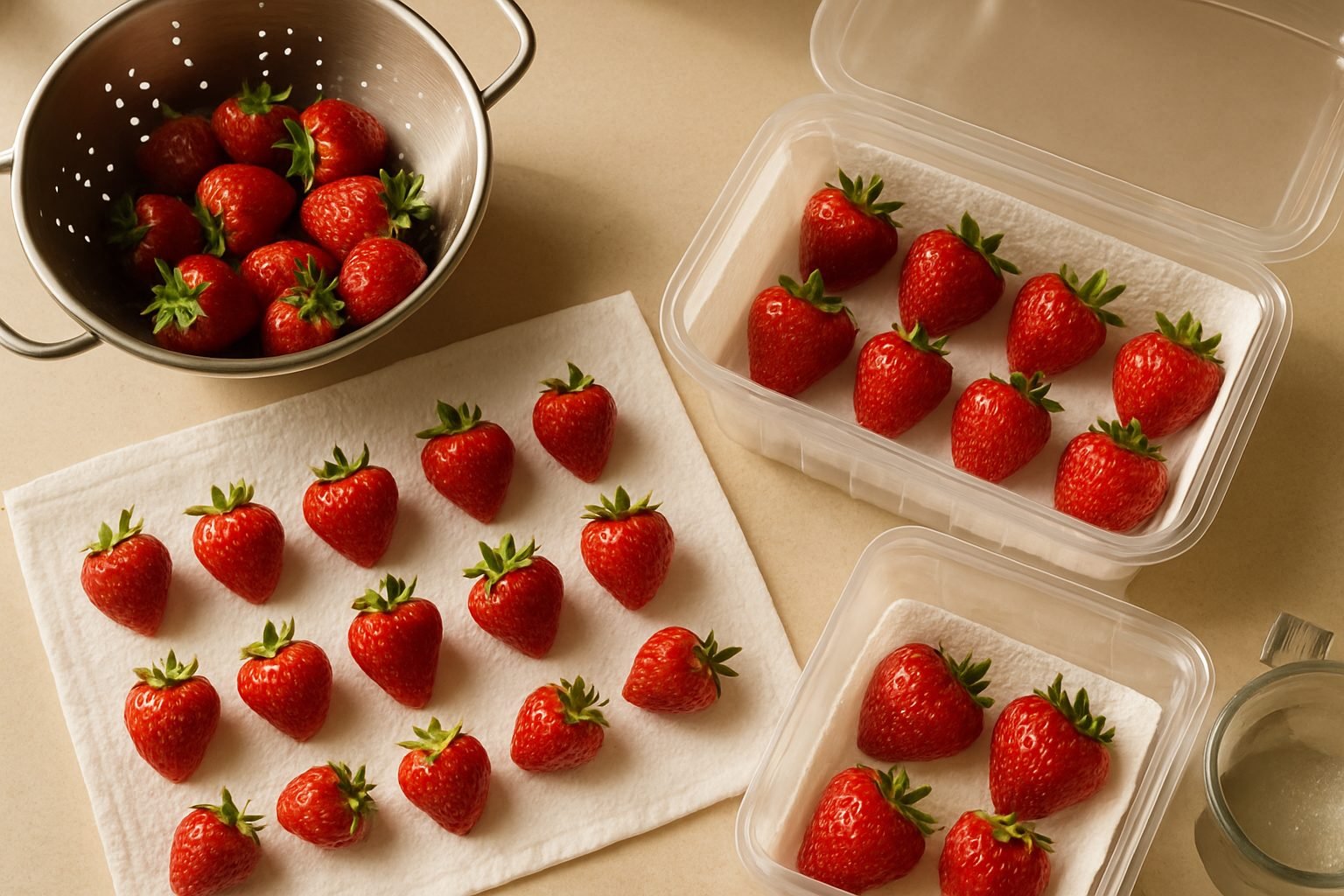
To keep your strawberries fresh and delicious for as long as possible, start by washing them only right before you plan to eat them or use them in recipes. Moisture encourages mold, so hold off on rinsing until needed.
When you’re ready to enjoy your strawberries, place them in a colander and rinse gently under cool water, swirling softly to avoid bruising. Lay them out in a single layer on a clean kitchen towel or paper towels to dry, patting carefully if needed.
Before storing, examine your berries closely—look for any that are mushy, moldy, or overly soft, as keeping these with fresh berries can cause others to spoil more quickly. Remove and discard any damaged strawberries immediately.
Once your berries are dry and sorted, line a storage container with paper towels to absorb excess moisture. Arrange the strawberries in a single layer if possible so they don’t get squished, placing another paper towel between layers if you must stack them.
Use a breathable container, like a produce container with vents or keep the lid slightly ajar, to prevent trapped moisture. Store the container in the refrigerator crisper drawer for best results.
Every couple of days, check the container for new soft spots or excess moisture and replace damp paper towels if needed. By following these simple steps—washing just before use, removing damaged berries, and storing in a ventilated, paper towel-lined container—you’ll help your strawberries stay plump, juicy, and ready to eat for days longer than usual.
Quick Answers to Common Strawberry & Mold Questions
If you spot a bit of mold on your strawberries, it’s safest to toss the affected ones and carefully check the rest—mold spores spread easily, and eating moldy fruit can cause stomach upset, especially for sensitive people.
Always wash strawberries just before you eat them, not when you first bring them home, since excess moisture encourages mold growth.
To keep your berries fresher longer, store them in the refrigerator, preferably in a breathable container lined with a paper towel to absorb extra moisture. Fresh strawberries typically last three to seven days when stored this way.
Key Do’s and Don’ts
- Do: Refrigerate your berries.
- Do: Only wash strawberries before eating.
- Do: Remove any soft or moldy fruits quickly to prevent spoilage from spreading.
- Don’t: Leave strawberries at room temperature for too long.
- Don’t: Soak them in water for extended periods.
- Don’t: Store them in sealed, airtight containers where trapped moisture can hasten mold growth.
With these simple tips, you can enjoy juicier, longer-lasting strawberries with less waste.