Understanding Strawberry Varieties
If you’ve ever wandered the produce aisles or browsed a seed catalog, you know there are countless strawberry varieties, each with their own characteristics and perks. But did you know the secret to a bountiful harvest often comes down to selecting the right type for your climate and needs? Strawberry varieties aren’t just about different flavors or berry sizes—they’re adapted for specific regions and purposes, whether that’s growing in containers on a sunny balcony or cultivating rows in a backyard patch.
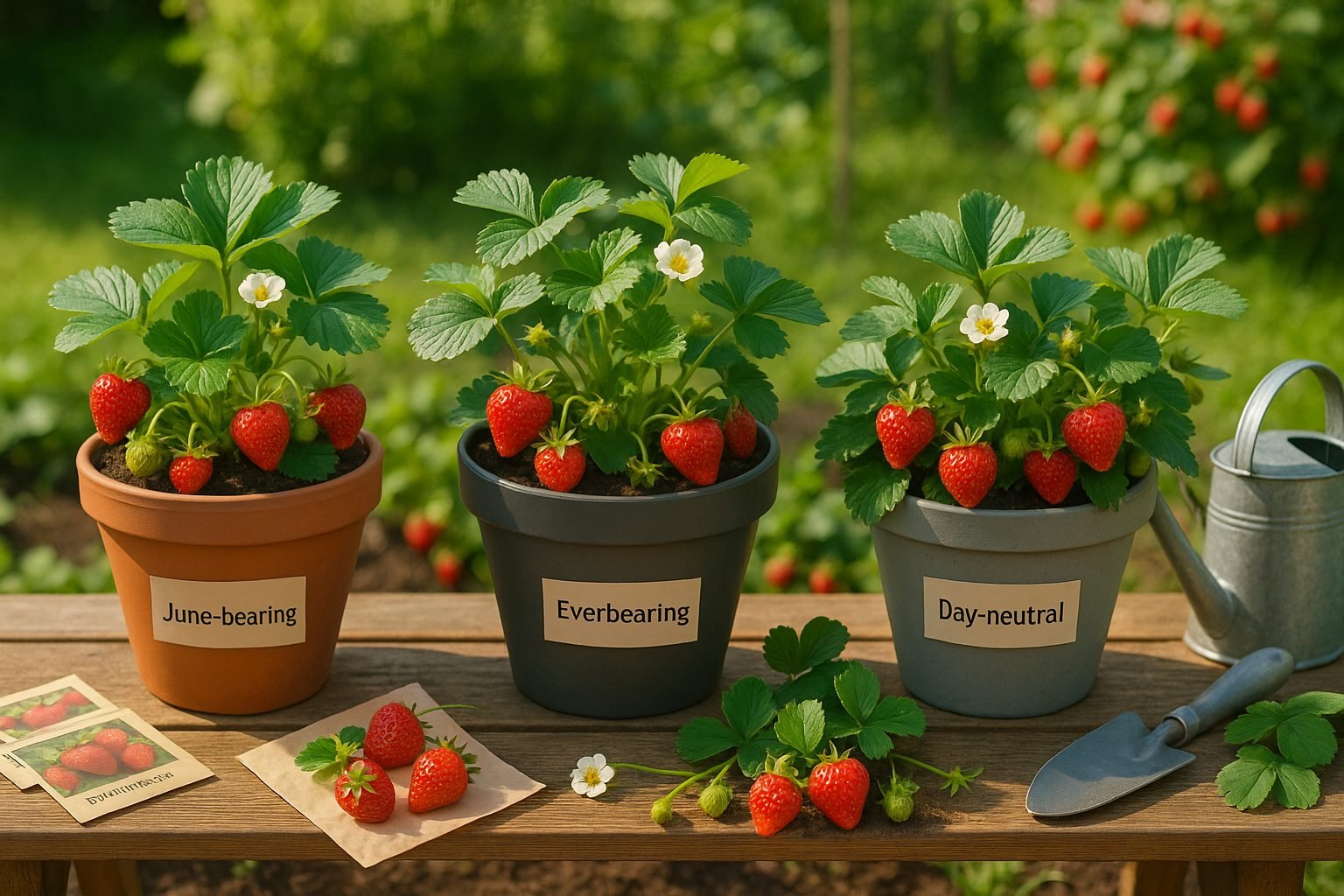
The three main categories to know are June-bearing, everbearing, and day-neutral strawberries. June-bearing strawberries, the most common type, offer one large, concentrated harvest each year, usually in late spring or early summer—perfect for making jams or freezing berries in bulk. Everbearing varieties, on the other hand, provide two (sometimes three) smaller harvests: once in early summer and again in the fall. Day-neutral strawberries stand out for their flexibility, producing fruit continuously throughout the growing season as long as temperatures remain between 35°F and 85°F, so you’ll find fresh berries from late spring to early fall.
Choosing the right strawberry variety is essential for achieving a successful crop. For example, if you live in a region with a short, cool growing season, day-neutral strawberries might yield the best results because they aren’t dependent on day length for flowering. If you want a big crop all at once (ideal for preserving), June-bearers are your go-to. For families hoping to pick fresh berries all season long, everbearers or day-neutrals make more sense. By understanding these strawberry types and their unique harvest cycles, you can select plants that match your goals—whether that’s filling bowls for breakfast, canning jars for winter, or simply savoring homegrown sweetness straight from the garden.
Popular Strawberry Varieties Explained
Choosing the right strawberry variety can make a big difference, whether you’re planting for home enjoyment or maximizing a commercial harvest.
For those craving classic strawberry sweetness, Earliglow is a top pick. This early-season favorite is loved for its old-fashioned, sugary flavor and firm, small-to-medium berries, though it’s best grown in cooler northern climates due to its lower heat tolerance.
If you want bigger berries and a longer harvest window, Albion is an excellent everbearing variety. It produces large, glossy, conical fruits known for their lingering sweetness and impressive shelf life—making them a favorite for farmers’ markets and home gardens alike.
Seascape is prized for its reliable yields and disease resistance. It offers medium-to-large, juicy berries that fruit repeatedly from spring into fall and thrive in a wide range of conditions, including warmer regions and even containers.
Those seeking an early and prolific harvest might prefer Sweet Charlie, which lives up to its name with extra-sweet, medium-sized berries and good resistance to common strawberry diseases. It’s ideal for southern gardeners and early market sales.
Lastly, the Pacific Northwest’s beloved Hood variety stands out for its exquisite flavor—deeply aromatic, rich, and perfect for jams or desserts. However, its soft, juicy berries don’t travel far, making it best for local consumption.
When choosing which to grow, consider your priorities:
- For intense flavor and home use, Earliglow and Hood shine.
- For long harvests and big berries, Albion or Seascape deliver.
- For early, sweet fruit in warmer climates, Sweet Charlie is hard to beat.
Always match the variety to your growing zone and goals, and don’t be afraid to plant more than one to enjoy strawberries across the whole season.
Choosing the Best Variety for Your Region
Selecting the right strawberry variety for your region is key to a bountiful harvest, as climate and soil conditions directly impact plant health and fruit yield. For gardeners in cooler northern areas, look for hardy, short-day or June-bearing varieties like Honeoye or Sparkle. These are bred to thrive in shorter growing seasons and can tolerate late spring frosts.
Meanwhile, if you’re in a warmer southern zone, everbearing or day-neutral varieties such as Chandler or Albion perform better, as they can handle higher temperatures and extended fruiting periods.
Always consider your local soil: strawberries generally prefer well-drained, slightly acidic soils. If yours is heavy clay, consider raised beds or amending with organic matter for better drainage.
Pay attention to disease resistance as well. Wetter climates favor fungus, and resistant types like Earliglow or Camarosa can save you time and trouble.
Check with local extension services or nurseries—they often know which varieties do best in your microclimate and can suggest regionally adapted plants.
Also, think about your garden’s sunlight and space: full sun is ideal, and some compact varieties suit containers or small plots perfectly.
By matching the right variety to your region’s unique conditions, you’re setting yourself up for juicy, delicious success.
Tips for a Successful Strawberry Harvest
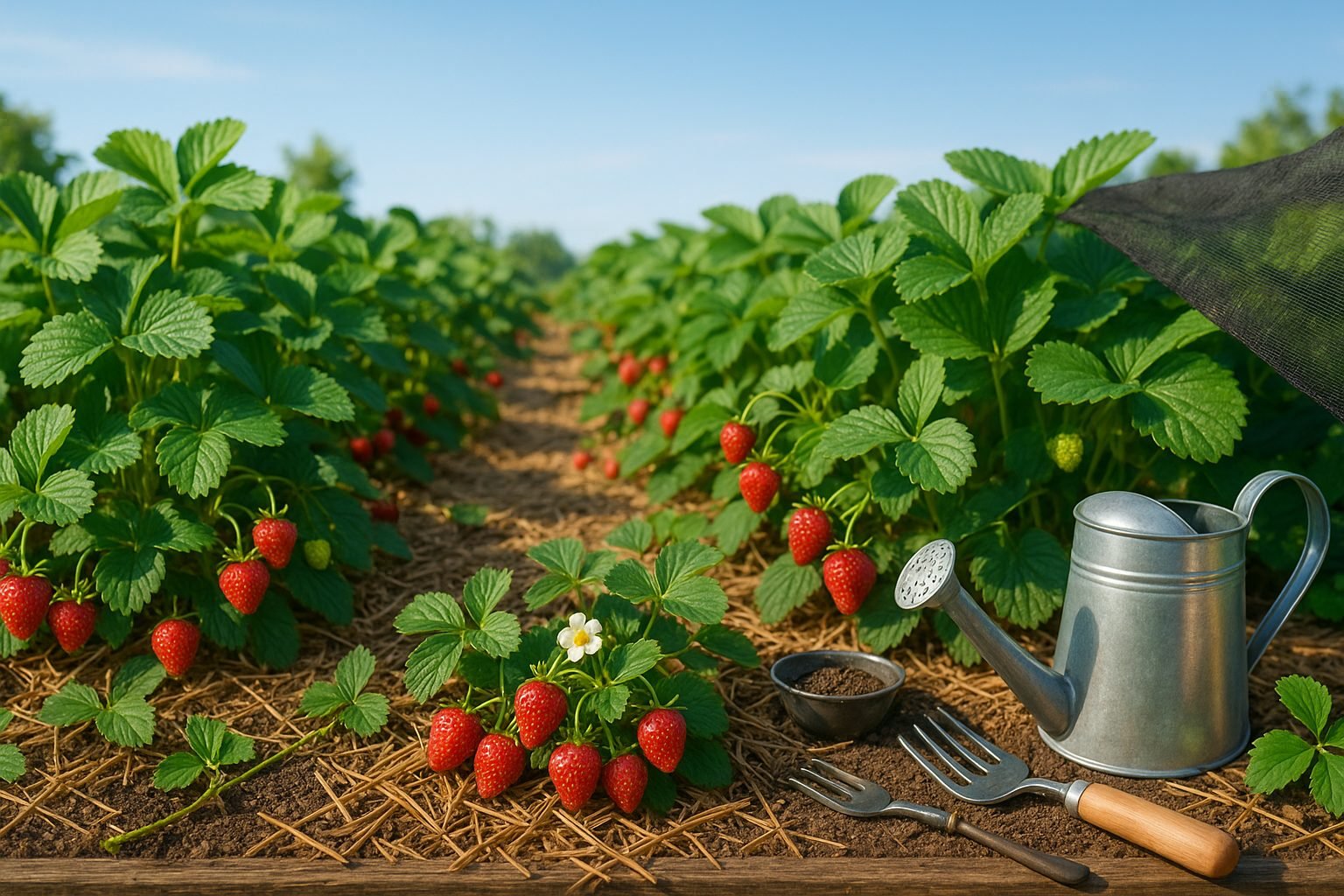
To enjoy a bountiful and sweet strawberry harvest, start by selecting a sunny spot with well-drained soil, as strawberries thrive in full sun and dislike soggy roots. When planting, space your strawberry plants about 12 to 18 inches apart in rows that are 2 to 3 feet apart; this ensures good airflow and helps prevent disease.
Mulching is your secret weapon—a layer of straw or pine needles helps retain moisture, keeps berries clean, and deters weeds. Consistent, deep watering is key, especially during flowering and fruiting—about one inch per week is ideal. Try to water at the base and avoid wetting the leaves to reduce fungal issues.
To manage pests and diseases, keep an eye out for slugs, birds, and fungal problems like powdery mildew. Installing lightweight nets can protect berries from birds, while hand-picking or using organic slug traps helps minimize insect damage.
Rotate your strawberry patch every three years to prevent disease buildup. Remove old leaves after harvesting, and consider using disease-resistant varieties for extra peace of mind.
For the best flavor, pick berries when they’re fully red and glossy—early morning is the perfect time for optimal taste.
If you face specific challenges or want tailored advice, reach out to your local cooperative extension office or check reputable gardening guides, such as those from university horticulture programs. These resources can help you troubleshoot issues like poor fruit set or leaf spotting, ensuring you get a harvest to be proud of year after year.
Taste Test: How to Pick the Right Strawberry for You
Choosing the perfect strawberry starts with tuning in to your taste buds. Strawberries come in a surprising range of flavors—from super sweet to tangy, even with subtle hints of floral or citrus.
For gardeners, try growing a few popular varieties like ‘Albion’ for smooth sweetness, ‘Seascape’ for balanced flavor, or ‘Mara des Bois’ if you crave that wild, aromatic punch.
Shoppers at markets should look for plump berries with a shiny red color and fresh green caps; don’t be afraid to ask sellers for samples or taste-testing advice.
At home, set up a casual taste test with friends or family: lay out different types, slice them, and rate each for sweetness, acidity, juiciness, and texture. Dip berries in plain yogurt or pair them with mild cheese—sometimes the best flavor differences come out alongside complementary foods.
Texture matters too—some folks love the tender bite of small wild varieties, while others swear by the robust crunch in larger, firm types.
If you’ll be baking, try firmer, less juicy berries so desserts don’t turn soggy; for fresh eating or smoothies, go for the ripest, most fragrant fruit.
Keep notes on what you like best and don’t be afraid to try lesser-known varieties from local farms or nurseries. Often, your ideal strawberry might be one you hadn’t tried before.
By tasting, comparing, and experimenting, you’ll discover which strawberries truly win your heart and match your favorite ways to enjoy them.