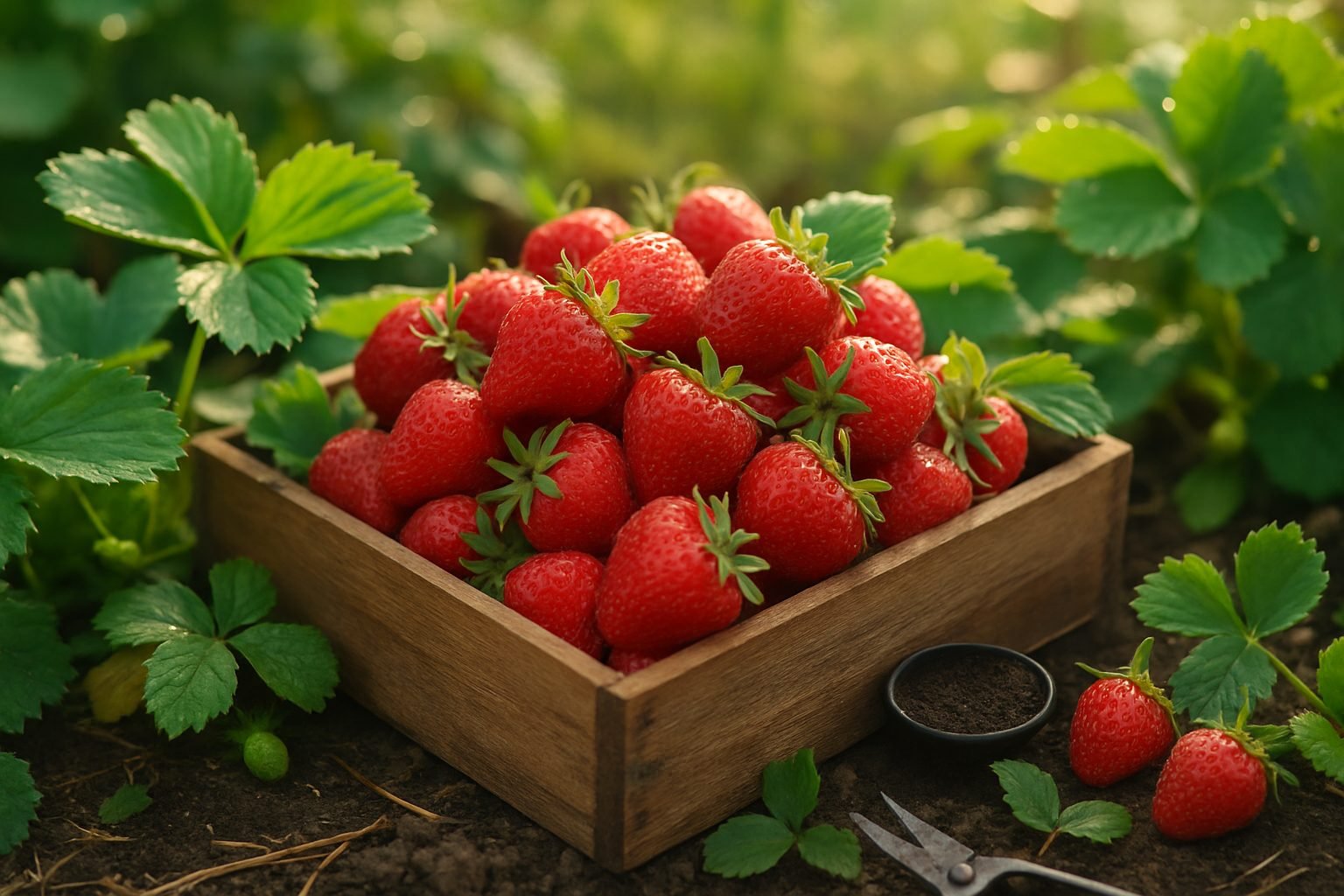
Choosing the Best Strawberries
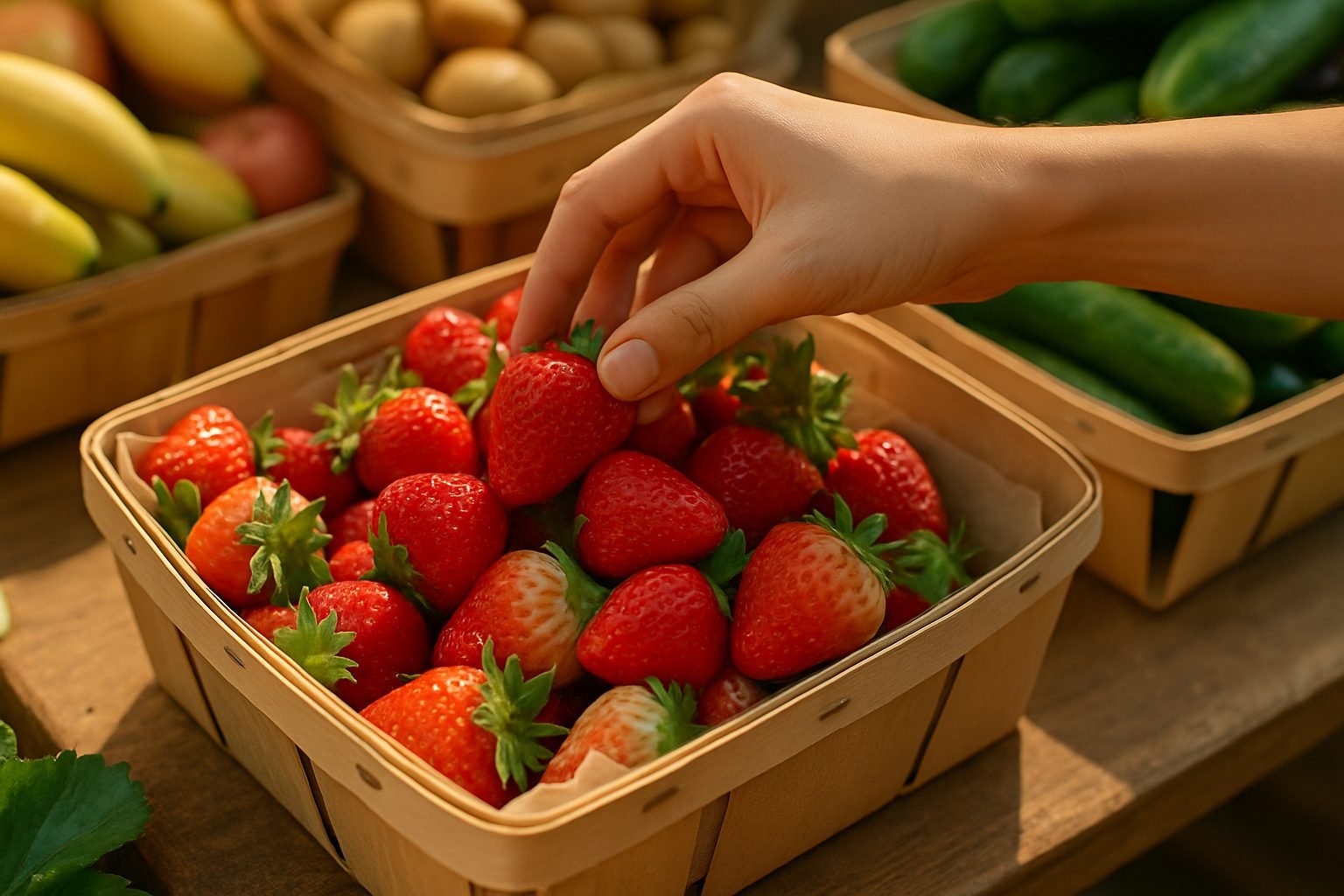
If you want to store fresh strawberries and keep them tasting their best, it all starts at the market or garden. The fresher your berries are when you bring them home, the longer they’ll last and the better they’ll taste.
When you’re picking strawberries, focus on ones that are vibrant red all over—pale or green patches are signs they’re underripe and may not continue to ripen off the plant. Gently squeeze a few berries; they should feel firm but not hard. Soft, mushy spots or bruises mean the fruit is already starting to go bad and will spoil quickly in storage.
Try to avoid berries with wrinkled skin or damp areas, as these could indicate mold or that they’ve been sitting out too long. Don’t forget to check the leaves and caps, too: bright green and perky tops are usually a good sign of freshness.
Starting with ripe, high-quality, and blemish-free strawberries will not only make your snacks tastier but also give you the best shot at successfully storing them for days to come. Taking a moment to choose carefully pays off every time you reach into the fridge for a sweet, juicy berry.
Preparing Strawberries for Storage
When it comes to storing strawberries, a common question is whether to wash them first. It’s best to avoid washing strawberries before storage, as excess moisture can speed up mold growth and cause the berries to spoil faster. Instead, wait to rinse them until you’re ready to eat or use the berries.
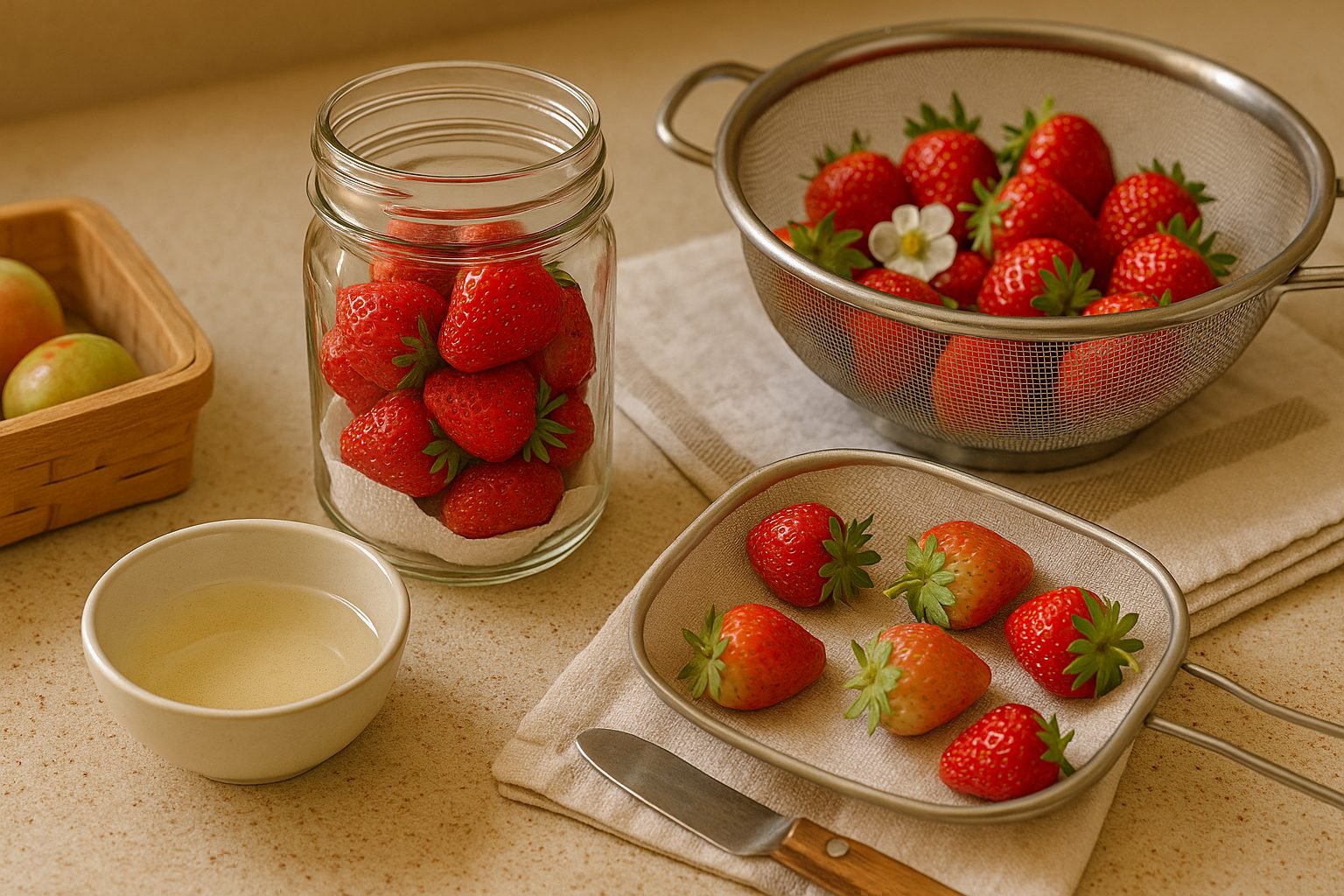
However, if you must wash them ahead of time—perhaps for convenience—make sure to rinse gently with cold water and then dry them thoroughly. You can place the berries in a colander to rinse, then spread them out on a clean kitchen towel or paper towels to pat completely dry. Drying is crucial; even a little water left on the surface can decrease shelf life.
Before storing, always go through your strawberries and remove any that are soft, moldy, or bruised, as one bad berry can quickly affect the others.
Store only firm, healthy berries in a breathable container lined with paper towels to absorb any stray moisture, and keep the container slightly open or loosely covered in the fridge. This simple prep helps maximize freshness and keeps your strawberries tasting sweet for as long as possible.
Methods for Storing Fresh Strawberries
Keeping strawberries fresh can be tricky, and the way you store them makes a big difference. Leaving berries unwashed in their original carton is the easiest method—the holes allow airflow, slowing spoilage—but this only keeps them usable for a few days.
Lining a container with paper towels (to absorb moisture) and loosely covering it adds an extra day or two, but be sure not to crowd the fruit. Airtight plastic containers protect from outside air but can trap moisture inside, leading to mushy berries unless you lay down absorbent paper towels.
Glass jars have become popular since some people swear their berries last up to a week. The airtight seal slows spoilage, and the smooth sides reduce bruising, though the berries must be very dry before storing.
A vinegar rinse (1 part vinegar to 3 parts water) kills mold spores and bacteria; just rinse thoroughly and dry completely before refrigerating. Otherwise, the lingering vinegar taste may ruin your fruit.
The hot water bath technique (briefly dipping berries in 125°F water) can further destroy bacteria but risks softening the berries if left too long.
No single method fits all situations, but studies and kitchen tests show that the glass jar and vinegar rinse methods generally keep strawberries firm the longest—sometimes up to 7-10 days.
For all methods, store your strawberries in the fridge at around 32-36°F (0-2°C); humidity should be high, ideally 90-95%, but avoid sealed plastic unless you use paper towels to soak up excess moisture.
For best results, only wash strawberries right before eating and remove any moldy berries immediately to keep the rest fresher, longer.
Freezing Strawberries for Long-Term Storage
Freezing strawberries is a smart way to lock in their freshness, especially if you have more berries than you can eat before they spoil in the fridge. While refrigeration keeps strawberries firm for just a few days, freezing preserves their sweet flavor and nutrients for months—perfect for smoothies, baking, or snacking year-round.
To freeze strawberries, start by rinsing them gently under cool water and laying them out on a clean towel to dry. Next, hull each berry by removing the green stems and white tops, which you can easily do with a paring knife or a dedicated huller. For best results, slice the strawberries if you prefer smaller pieces, although whole berries can be frozen as well.
Arrange the prepared berries in a single layer on a baking sheet lined with parchment paper, making sure they don’t touch—this prevents them from sticking together. Put the tray in the freezer for a few hours until the berries are completely solid. Then, transfer them into airtight freezer bags or containers, squeezing out as much air as possible to reduce freezer burn.
Label the bags with the date so you know how long they’ve been stored. Finally, keep your strawberries at a consistently cold temperature and try to use them within six months for the best texture and taste.
How to Tell if Strawberries Have Gone Bad
Knowing how to tell if strawberries have gone bad can help you avoid unpleasant surprises and food waste. The most obvious sign is mold—look for fuzzy white, green, or blue patches that often start at the stem or between berries tightly packed together. If you see even a small bit of mold, it’s safest to toss the affected berry and consider discarding nearby berries, as mold spreads quickly.
Another giveaway is texture: strawberries should be firm and plump. If you notice berries that are mushy, leaking juice, or have shriveled spots, these are beginning to spoil and should be removed to prevent the rest from going bad.
Off odors are another indicator—you shouldn’t smell anything sour or musty. If your berries pass the sniff test, they’re likely still safe to enjoy.
Sometimes, early spoilage looks like a slight dullness or darker color; while not hazardous, these strawberries taste best used soon in smoothies or baking rather than eaten fresh.
To maximize freshness, store strawberries unwashed in the refrigerator, spread in a single layer with paper towels in a ventilated container. Remember, sorting berries when you get home and removing any with visible bruises helps slow down spoilage for the entire batch.
Creative Uses for Stored Strawberries
Don’t let your stored strawberries go to waste—there are countless creative ways to enjoy them before they spoil.
For a quick snack, try dipping them in yogurt and rolling them in granola, then freeze for a cool treat. Add sliced strawberries to leafy green salads with goat cheese, nuts, and a balsamic drizzle for a fresh, sweet twist.
If you enjoy baking, fold them into muffin or pancake batter, or layer them with whipped cream and cake for an easy strawberry shortcake. Strawberries also blend perfectly into smoothies; combine them with banana, spinach, and a splash of juice for a nutritious breakfast.
For something savory, toss chopped strawberries and tomatoes with lime juice and cilantro for a vibrant salsa to serve over grilled chicken or fish. Even slightly overripe berries can be simmered into a quick compote for topping oatmeal or toast.
By looking for new ways to use every last berry, you’ll reduce food waste and add some delicious variety to your meals.