Understanding the Strawberries’ Ripening Process
If you’ve been checking your garden every day, wondering about strawberries not turning red, you’re definitely not alone. Ripening strawberries can test anyone’s patience, but understanding the process makes the wait easier—and can even help you get better fruit!
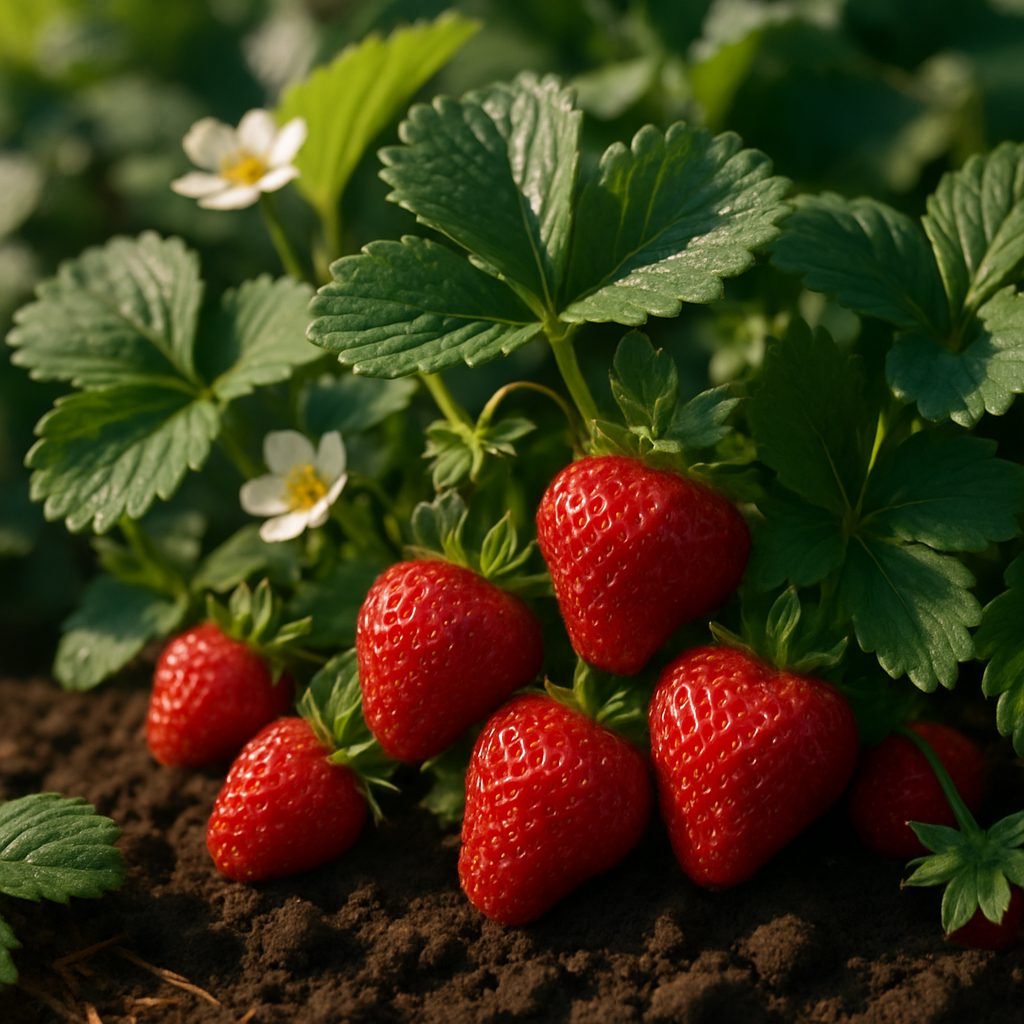
Strawberries start out green when they first form, thanks to chlorophyll, the pigment responsible for photosynthesis. As the fruit matures, chlorophyll breaks down, and something remarkable happens: anthocyanins, natural plant pigments, begin to develop. These anthocyanins create the rich red color we associate with perfectly ripe strawberries.
This color shift isn’t just cosmetic—it signals a change in flavor, sweetness, and aroma. During ripening, the berries convert stored starches into sugars, which is why an unripe, green strawberry tastes sour and bland compared to a fully red one.
The entire process depends heavily on genetics and environmental factors. For example, June-bearing varieties typically need 4-6 weeks from flower to mature fruit, while everbearing and day-neutral types may follow a slightly different, often faster, timeline. Cooler temperatures, lack of sunlight, or crowded plants can all delay how fast your strawberries make that green-to-red transformation.
So, when your strawberries seem stuck in their green or pale stage, remember that nature is working behind the scenes—breaking down chlorophyll, boosting anthocyanins, and slowly increasing sweetness. Giving your strawberries the right care speeds things along, but patience is always part of the delicious reward.
Common Environmental Challenges
When you notice strawberries not turning red, environmental factors are often to blame. Sunlight is the biggest influence on fruit ripening—strawberries need at least 6-8 hours of direct sunlight daily to develop that rich, inviting red color. If your strawberry plants are shaded by trees, fences, or nearby plants, the fruit may stay pale or even white. Try planting strawberries where they’ll receive morning and afternoon sun, or use reflective mulch to boost the light they get.
Temperature also plays a major role. Strawberries ripen best in a mild range between 60°F and 80°F (15°C to 27°C). If it’s too cold, ripening slows down significantly, and the fruit can stay underdeveloped or display unusual colors. On the other hand, excessive heat—consistently above 85°F (29°C)—can stress the plant, halting fruit development and sometimes leaving strawberries hard or pale. Keep an eye on local weather forecasts; if a heatwave is expected, try shading your plants during the hottest parts of the day with floating row covers or shade cloth.
Watering is just as important. Heavy rain or persistent moisture can cause root problems and disrupt the plant’s nutrient balance needed for ripening. Waterlogged soil suffocates the roots, reducing their ability to nourish the fruit, which can result in unripe or bland berries. Conversely, drought stresses the plants, causing them to conserve energy by cutting off resources to maturing fruit, so strawberries may remain green or white. Aim for regular, even watering—about an inch per week. Mulching around the plants helps maintain consistent moisture levels and prevents water from splashing up and spreading disease.
By monitoring light, temperature, and water carefully, you can help your strawberries overcome these environmental challenges and achieve that perfect shade of red.
Soil and Nutrient Factors
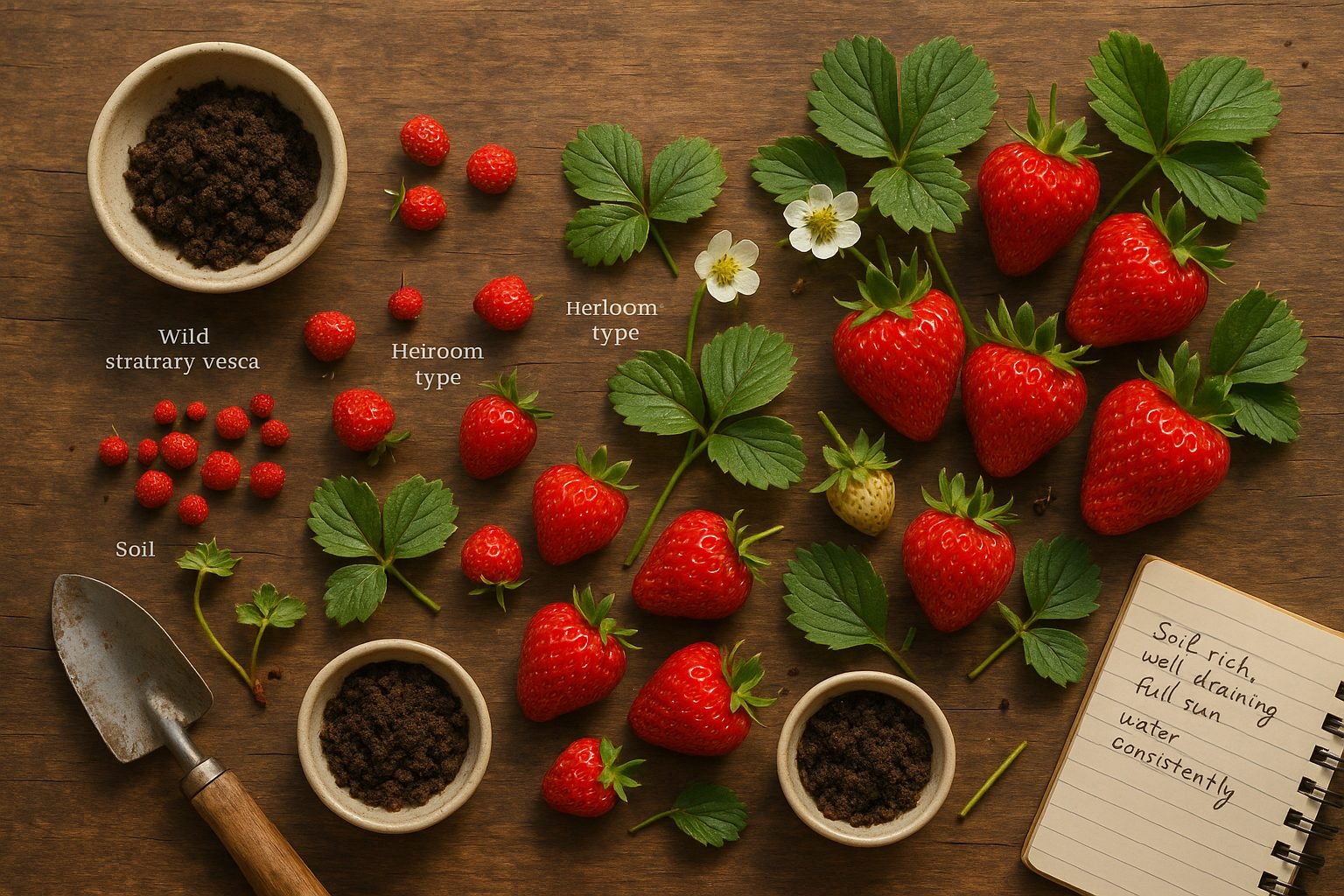
The condition of your soil plays a major role when you notice strawberries not turning red, as both soil quality and pH directly impact fruit ripening. Strawberries thrive in well-drained, fertile soil with a slightly acidic pH between 5.5 and 6.5. If the soil is too alkaline or overly compacted, the plant’s roots will struggle to absorb necessary nutrients, resulting in pale, unripe berries.
Among the most critical nutrients, potassium stands out. Potassium boosts sugar production and pigment development in the berries, which is what gives them that characteristic deep red color. Without enough potassium, strawberries may remain small and light-colored or ripen poorly overall. Nitrogen is also essential, as it promotes lush, healthy plant growth; however, too much nitrogen can backfire by encouraging lots of green leaves rather than fruit, leaving berries underripe or green.
Recognizing nutrient imbalances is key: yellowed or purple-tinged leaves suggest potassium deficiencies, while super dark green, very leafy plants with few berries hint at excess nitrogen. If your strawberries look dull, develop uneven color, or show stunted growth, a soil test can reveal whether nutrients are lacking or the pH is off.
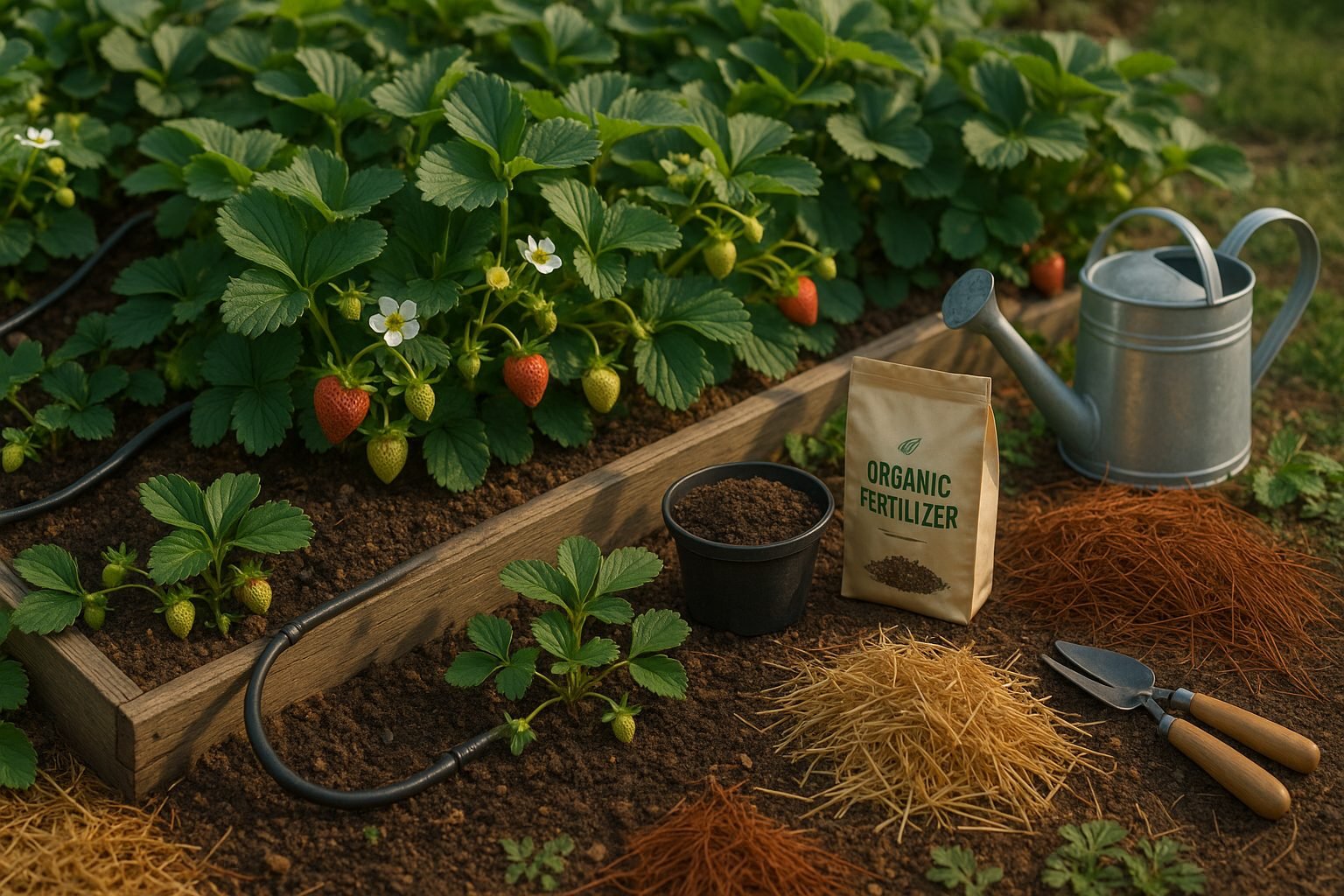
For home gardeners, using a balanced strawberry fertilizer and regularly adding compost can help maintain the right nutrient levels and create the best conditions for vibrant, red berries. If you’re unsure about your soil’s pH or nutrient content, affordable DIY soil test kits or extension services can provide clear guidance for quick improvements.
Pests, Diseases, and Plant Stress
If you’re noticing your strawberries not turning red, pests, diseases, and general plant stress might be the cause. Certain insects, like aphids and spider mites, don’t just feed on leaves—they drain energy from the plant and disrupt the normal ripening process. Aphids suck on new growth, weakening the plant and diverting resources away from developing berries. Spider mites, though tiny, cause significant stress by draining sap and leaving leaves yellowed and less effective at photosynthesis. This limits the plant’s ability to produce the sugars strawberries need to ripen properly.
Diseases are another common culprit. Fungal infections such as Botrytis (gray mold) or powdery mildew can stunt berry growth or cause fruit to stay small and pale. Root rot, often caused by overly wet soil, damages the root system and starves berries of nutrients, leaving them green or white.
Strawberry plants also struggle when stressed by crowded conditions or physical injury. When plants are too close together, they compete for sunlight, water, and nutrients—meaning individual berries may not get what they need to turn red. Damage from careless weeding or animal activity can further weaken plants, making them more vulnerable to pests and diseases.
To prevent these issues, regularly inspect your strawberries for signs of pests or unusual leaves, give them plenty of space to grow, and avoid wetting leaves to reduce fungal infections. Mulching with straw can also help by reducing soil splashing and keeping pests away from the fruit.
Harvest Timing and Variety Differences
Understanding which strawberry variety you’re growing is key when you notice your strawberries not turning red as quickly as expected. There are June-bearing, everbearing, and day-neutral types, each with its own ripening schedule. For instance, June-bearing varieties usually fruit once in late spring to early summer, while everbearing and day-neutral types may produce smaller harvests throughout the season.
Some cultivars, like the white-fruited ‘Pineberry,’ naturally stay pale even when fully ripe, so it’s important to double-check your plant labels or records before worrying about color. Even among traditional red varieties, hues can vary from deep crimson to lighter pink due to genetics.
Most strawberries are ready to harvest when they are uniformly colored with no white or green tips and come off the stem with a gentle tug. Ripe berries also have a sweet fragrance and a glossy appearance. To avoid disappointment, research your specific cultivar’s typical harvest window—some may not ripen until later in the season, especially in cooler climates.
By aligning your expectations with your variety’s traits and local growing conditions, you’ll have a clearer idea of when your strawberries should be ready to pick.
Simple Solutions for Better Ripening
If your strawberries are not turning red, a few simple changes can make a big difference in helping the fruit ripen fully. First, ensure your strawberry plants receive at least 6-8 hours of direct sunlight each day. Since ripening needs sun, consider relocating pots or trimming overhanging branches if shade is an issue.
Mulching around the plants with straw or pine needles helps keep the soil warm and moist, providing the stable conditions berries need to develop color and sweetness. Also, check your watering habits: strawberries prefer consistently moist soil, but soggy roots can hinder ripening. Water deeply but less often, making sure the soil drains well.
Crowded plants compete for light and nutrients—thin them out so each plant has enough space for airflow and sun exposure. Regular soil testing is a smart step; strawberries thrive in slightly acidic soil (pH 5.5–6.8), and a quick test kit can indicate if adjustments are needed.
Feed your plants with a balanced fertilizer that’s not too high in nitrogen—too much nitrogen encourages leaf growth at the expense of fruit. Instead, choose a fertilizer labeled for berries or use compost to provide steady, moderate nutrients.
By making these small but important tweaks, you’ll support healthy, full ripening and soon enjoy strawberries that turn reliably red and sweet right on the plant.
When to Worry (and When Not To)
It’s natural to worry when you notice strawberries not turning red, but remember that slow ripening isn’t always a problem. Often, strawberries take a few extra days to deepen their color due to cooler temperatures, cloudy weather, or simply the natural pace of your specific variety. Patience is key: a week or two of slow progress is usually nothing to stress about, especially early in the season or following a chilly spell.
However, if berries remain stubbornly green for several weeks, or if you see shriveled, moldy, or deformed fruits, it’s time to take a closer look. Issues like poor pollination, nutrient deficiencies, or fungal infections can all interfere with ripening. Stunted or yellowing plants alongside colorless berries often indicate a deeper problem.
In these cases, a soil test or advice from a local garden center or extension agent can be extremely helpful. They can identify whether your plants need more sunlight, water, fertilizer, or if pests are the cause. Most of the time, though, strawberries just need a bit more sun and patience. Minor delays are common and usually resolve on their own, rewarding you with fully ripened, delicious fruit.