Introduction
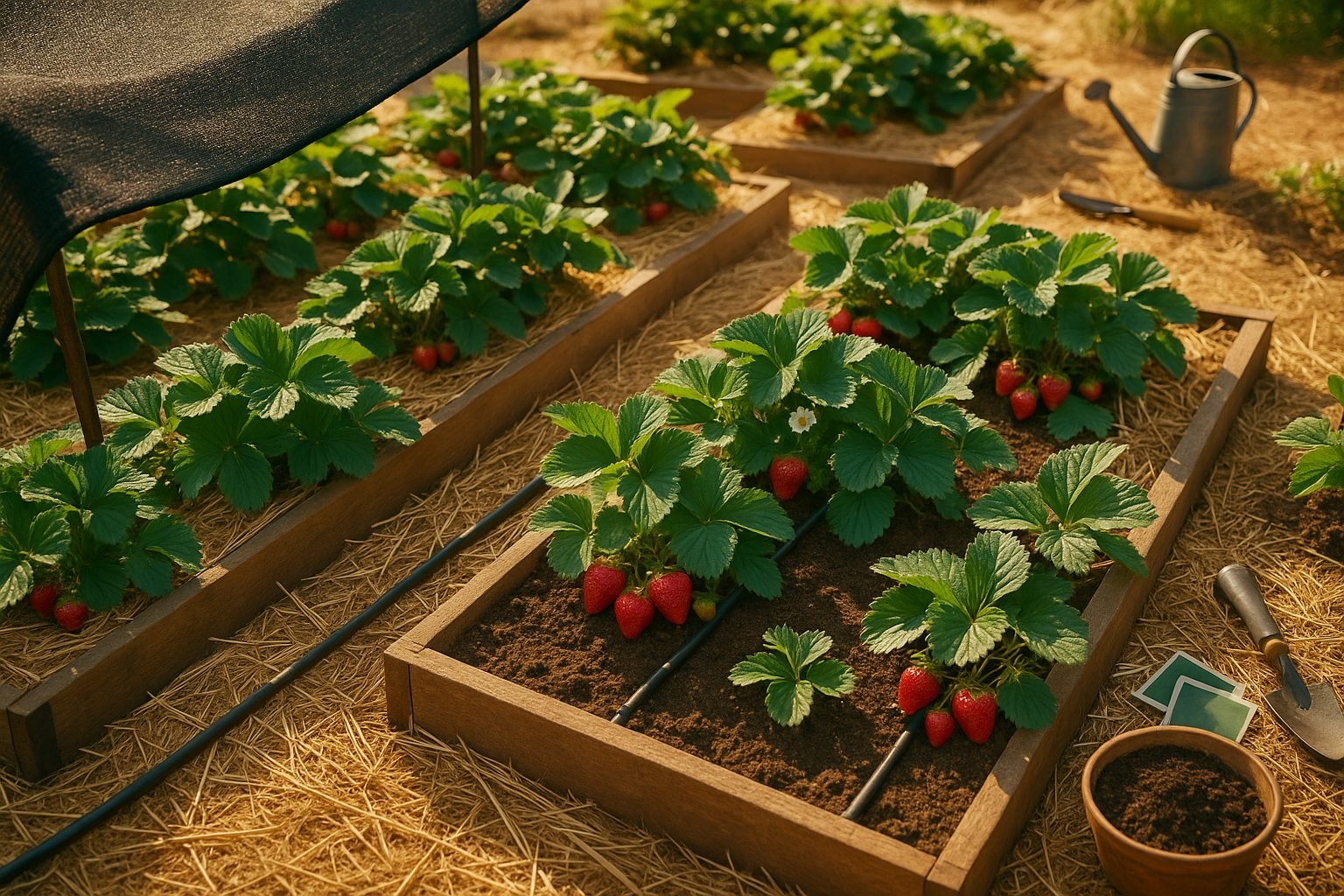
Growing strawberries by climate zone is a delicious challenge for home gardeners across the country, making these sweet berries both an irresistible and rewarding project. Few fruits spark as much excitement on a spring morning as the first ripe strawberry picked from your own garden—whether you’re gardening in the chilly northern states or the warmer climates of the South. But as appealing as strawberries are, their success depends heavily on how well you adapt your planting and care strategies to your region’s specific USDA zone. This can mean big differences between what works in zone 3 versus zone 10.
Adjusting to local temperatures, frost dates, and soil types can be the difference between a bumper crop and patchy results. In this post, you’ll discover actionable tips for growing strawberries by climate zone, from selecting the best varieties for your area to mastering the timing of planting and protecting tender blooms. Whether you’re tending your first container on a balcony in Montana or planning a raised bed in Southern California, you’ll find practical advice and real-world examples to help you enjoy a strawberry harvest, wherever you call home.
Understanding USDA Hardiness Zones for Strawberry Growers
USDA hardiness zones are an essential tool for any gardener, especially those looking to grow strawberries by climate zone. These zones, defined by the United States Department of Agriculture, are mapped according to the average annual minimum winter temperature in a given area. Ranging from Zone 3 (coldest) to Zone 10 (warmest), these designations help gardeners predict which plants can survive year-round in their region.
Understanding your zone is vital because it directly impacts plant survival—especially when it comes to temperature extremes and frost, which strawberries are sensitive to. For strawberry growers, this knowledge is crucial since strawberries need a delicate balance: enough cold to promote healthy dormancy and fruiting, but not so much that the plants suffer winterkill.
In colder zones like 3–5, growers must select cold-hardy varieties, provide winter mulch for insulation, and often plan for late-spring frosts that might nip blossoms. Meanwhile, gardeners in warmer zones such as 8–10 must deal with heat stress, potential drought, and reduced chill hours—all conditions that can affect berry size and yield. In these areas, it’s best to choose heat-tolerant, day-neutral varieties and shade strawberries during the hottest part of the year.
Understanding USDA hardiness zones allows you to plan ahead—choosing the right strawberry varieties, timing your planting, and preparing for the specific weather challenges your zone presents—ensuring a healthy, productive strawberry patch no matter where you grow.
Choosing the Right Strawberry Varieties by Climate Zone
When planning your strawberry patch, matching the right types and cultivars to your climate zone is crucial for healthy plants and a bountiful harvest. Strawberries come in three main types: June-bearing, everbearing, and day-neutral.
June-bearing varieties are classic favorites that yield a single large crop in early summer and thrive in cooler to moderate zones (USDA 3–7). Popular June-bearing choices for colder zones include ‘Honeoye’ and ‘Earliglow,’ both praised for their winter hardiness and robust flavor.
Everbearing strawberries, such as ‘Ozark Beauty,’ produce two main crops—one in spring and another in late summer—and perform well in zones 4–7. These are great if you want more than one harvest a year but still face occasional cold snaps.
Day-neutral varieties, including ‘Albion’ and ‘Seascape,’ fruit consistently throughout the season and are best for zones 5–10, making them an excellent choice for gardeners in longer or unpredictable growing seasons.
Variety Recommendations by USDA Zone
- Zones 3–5: Focus on cultivars known for cold tolerance and early ripening, such as ‘Mesabi,’ ‘Kent,’ and ‘Sparkle.’ These provide reliable yields and resist common northern diseases like red stele and leaf spot.
- Zones 6–7: Try ‘Jewel’ and ‘Allstar’ (June-bearing) for a balance of productivity, disease resistance, and excellent flavor. ‘Tribute’ (day-neutral) is another strong performer here.
- Zones 8–10: Day-neutral and everbearing types like ‘Chandler’ and ‘Seascape’ thrive in mild winters and longer springs. Choose cultivars with good heat tolerance and protection from pests such as crown rot and anthracnose.
Don’t overlook disease resistance and flavor during selection—both impact your experience and your harvest’s quality. Look for varieties bred to resist issues common in your region. For example, ‘Earliglow’ resists red stele in northern areas, while ‘Seascape’ holds up well against Southern blight. Also, taste tests matter: some high-yield types can have bland fruit, so check local recommendations or ask at garden centers for the juiciest, most flavorful cultivars suited to your climate.
By matching strawberries by climate zone and considering both resilience and taste, you’ll enjoy sweeter, more reliable results year after year.
Planting Times and Techniques Across Zones
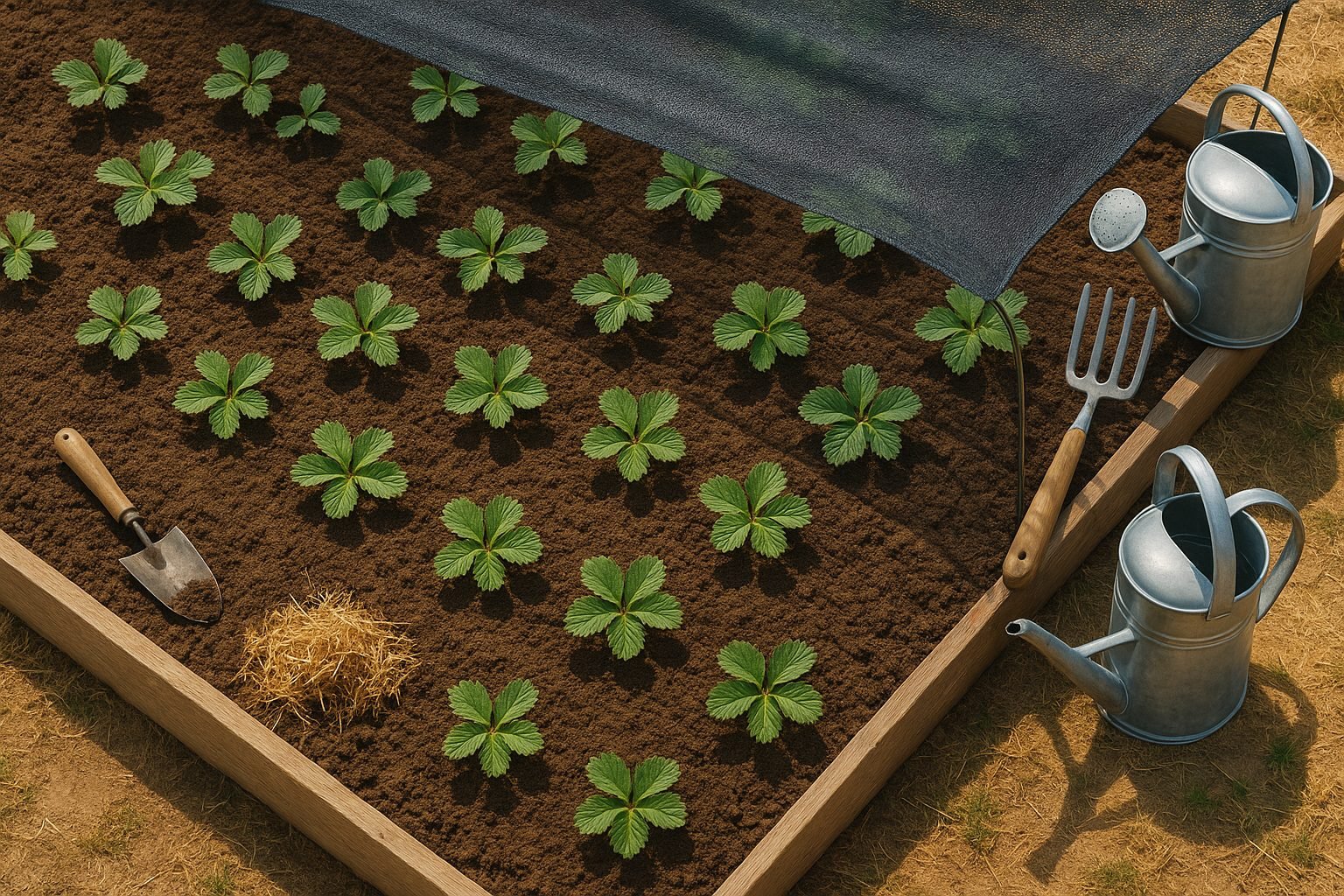
Planting strawberries by climate zone means adjusting your timing and techniques to fit your region’s unique conditions. In USDA Zones 3–5, where winters are harsh and the growing season is short, plant as soon as the soil can be worked in early spring—sometimes even before the last frost, since strawberries can tolerate a bit of cold. Protect young plants with row covers if late frosts are expected. In these colder zones, raised beds help warm the soil faster and improve drainage, while a thick mulch layer insulates roots and keeps weeds under control.
For Zones 6–7, the planting window stretches from early to late spring. Frost risk is lower here, but it’s still wise to monitor weather forecasts. Mulching remains important for retaining moisture and controlling weeds, but the soil warms more easily, so less help is needed.
In warmer Zones 8–10, plant strawberries in late fall or winter, making sure the young plants are well-rooted before the summer heat arrives. Mulch is essential to keep roots cool and conserve water during dry periods, and raised beds improve drainage during heavy rains.
Across all zones, choose a site with full sun and rich, slightly acidic soil. Space plants about 12–18 inches apart to promote airflow and prevent disease. Water consistently, especially during flowering and fruiting, and make sure each plant’s crown is level with the soil to avoid rot. By matching your planting schedule and care to your climate zone, you’ll give your strawberries the best possible start, no matter where you garden.
Soil, Water, and Fertility Needs by Climate
When growing strawberries by climate zone, tailoring your soil preparation to local conditions is essential for healthy plants and bountiful harvests. In colder, wetter zones (such as USDA 3–5), soils tend to be heavy clay and prone to waterlogging. Here, it’s important to amend the soil with plenty of compost and sand to improve drainage. Using raised beds or mounded rows also helps prevent root rot during damp springs.
Warmer, drier zones (USDA 8–10) often have sandy or alkaline soils that drain too quickly and lack organic matter. In these areas, mixing in ample compost or well-rotted manure before planting boosts water retention and nutrient levels. Regardless of the zone, aim for a slightly acidic pH between 5.5 and 6.5 for optimal growth.
Watering needs vary greatly by climate. In cool, wet climates, overwatering increases the risk of fungal diseases like root rot, so water sparingly and try to keep leaves dry. In hot, arid regions, strawberries require more frequent watering, especially during flowering and fruiting—keeping the soil consistently moist with drip irrigation or soaker hoses helps reduce evaporation and leaf wetness. Mulching with straw or pine needles benefits all zones by conserving moisture and suppressing weeds.
Fertilization strategies also differ by zone. In northern areas with short growing seasons, applying a balanced granular fertilizer at planting jumpstarts growth. In southern zones with longer seasons, supplementing with side-dressings of compost or low-nitrogen fertilizer during flowering and fruit set is helpful, but avoid excess nitrogen to prevent leafy growth at the expense of fruit production. Adjusting your soil, water, and fertility practices to your specific USDA zone ensures your strawberries thrive no matter where you grow them.
Common Challenges and Easy Solutions in Each Zone
Growing strawberries by climate zone comes with unique challenges that need tailored solutions. In cooler northern zones like 3-5, late spring frosts are a common issue. To protect delicate strawberry blossoms, cover the plants overnight with frost blankets or row covers, removing them in the morning to prevent overheating. Mulching with straw helps insulate roots and reduce damage from freeze-thaw cycles.
In zones 6-7, unpredictable spring weather and fluctuating moisture levels can cause rot and mold. Using raised beds or mounded rows improves drainage, while watering in the morning helps foliage dry before evening, reducing fungal risks.
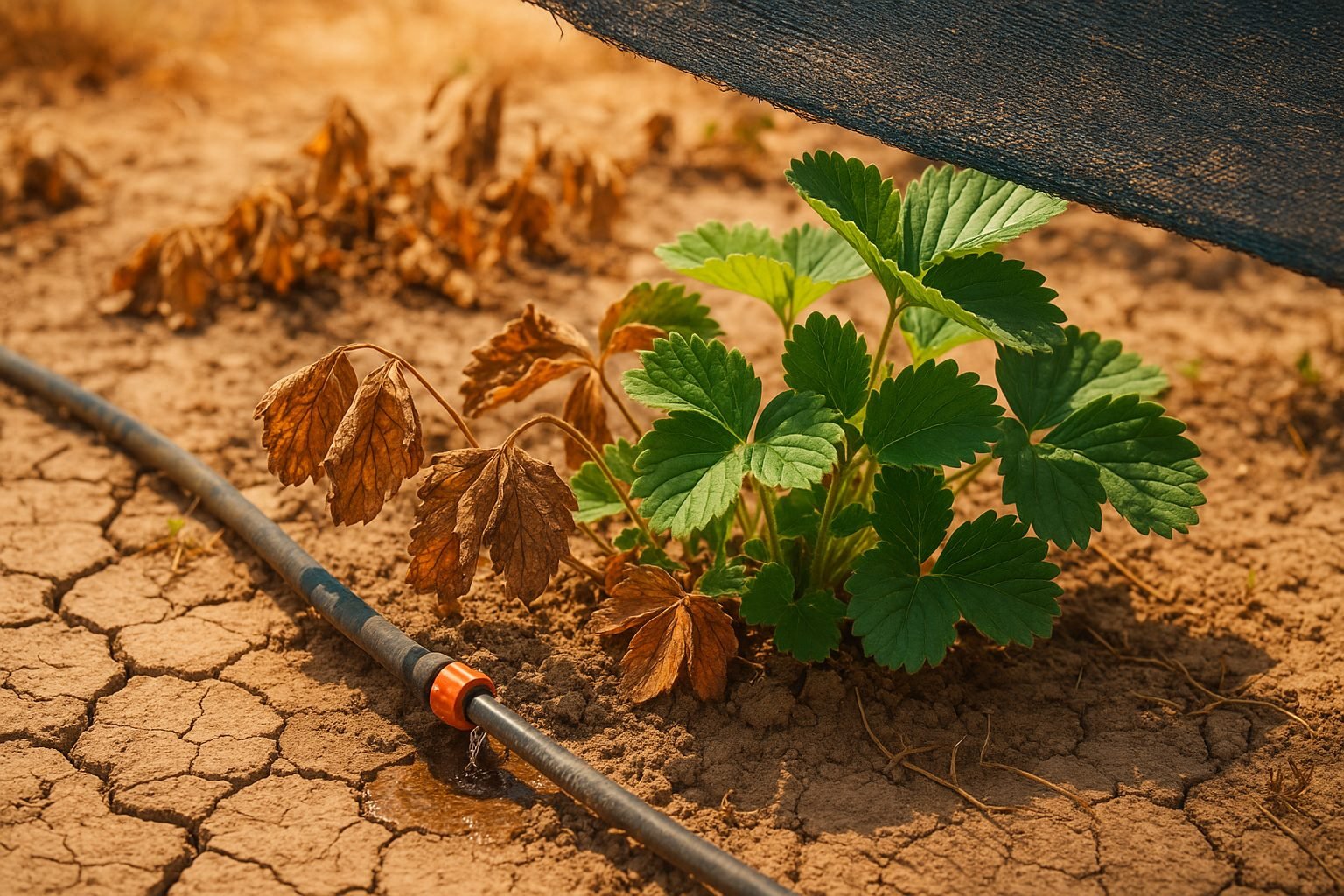
Southern zones 8-10 face intense heat, which can scorch plants and lower fruit quality. Providing afternoon shade with shade cloth or planting near taller crops can protect your strawberries, and heavy mulching keeps roots cool.
Across all zones, pests like slugs, aphids, and birds can harm your crops. Use organic slug baits, introduce beneficial insects, or install simple netting over beds to keep birds away. Fungal diseases such as powdery mildew and botrytis are also concerns—spacing plants for good airflow and avoiding overhead watering can help prevent these problems.
No matter your region, keeping strawberry beds weed-free and rotating plantings every few years helps prevent soil-borne diseases. Regularly check for pests and promptly remove any diseased leaves. By understanding the threats specific to your climate zone, you can take proactive steps to grow healthy, robust strawberries all season long.
Harvesting and Care Tips for Maximum Yield
When it comes to harvesting strawberries by climate zone, timing is everything. In colder regions like USDA zones 3–5, berries typically ripen later, usually peaking in mid to late June. Pick them every two to three days as soon as the fruits are fully red and slightly soft. In milder climates, such as zones 6–8, strawberries may ripen as early as May, and everbearing varieties often produce a second crop in late summer. Harvesting every other day helps you catch the berries at their sweetest.
Warmer zones 9–10 can see extended harvests from April into the summer. Here, daily picking may be necessary to keep up with the faster ripening pace and to prevent overripe fruit from attracting pests. To prolong your harvest season across all zones, keep beds well-weeded, regularly remove overripe or damaged fruit, and mulch to maintain soil moisture—straw or pine needles work great.
After the last harvest, trim old foliage to about an inch above the crown to prevent disease and encourage strong regrowth next spring. For even better results, rotate your strawberry beds every few years and consider consulting your local extension office, Master Gardeners program, or a regional berry growers’ association for tailored advice and up-to-date tips suited to your microclimate.
Conclusion
Growing strawberries by climate zone means embracing the unique opportunities and challenges each USDA zone presents. From choosing hardy varieties in Zone 3 to managing heat and moisture in Zone 10, the key is thoughtful variety selection, zone-specific planting times, and a little local experimentation. With these strategies, anyone can enjoy homegrown berries no matter where they live. Don’t hesitate to try different methods and share your experiences—your garden can be as creative as you are! Have questions or tips? Leave a comment below, and be sure to check out our related guides for more detailed advice on successful strawberry growing.