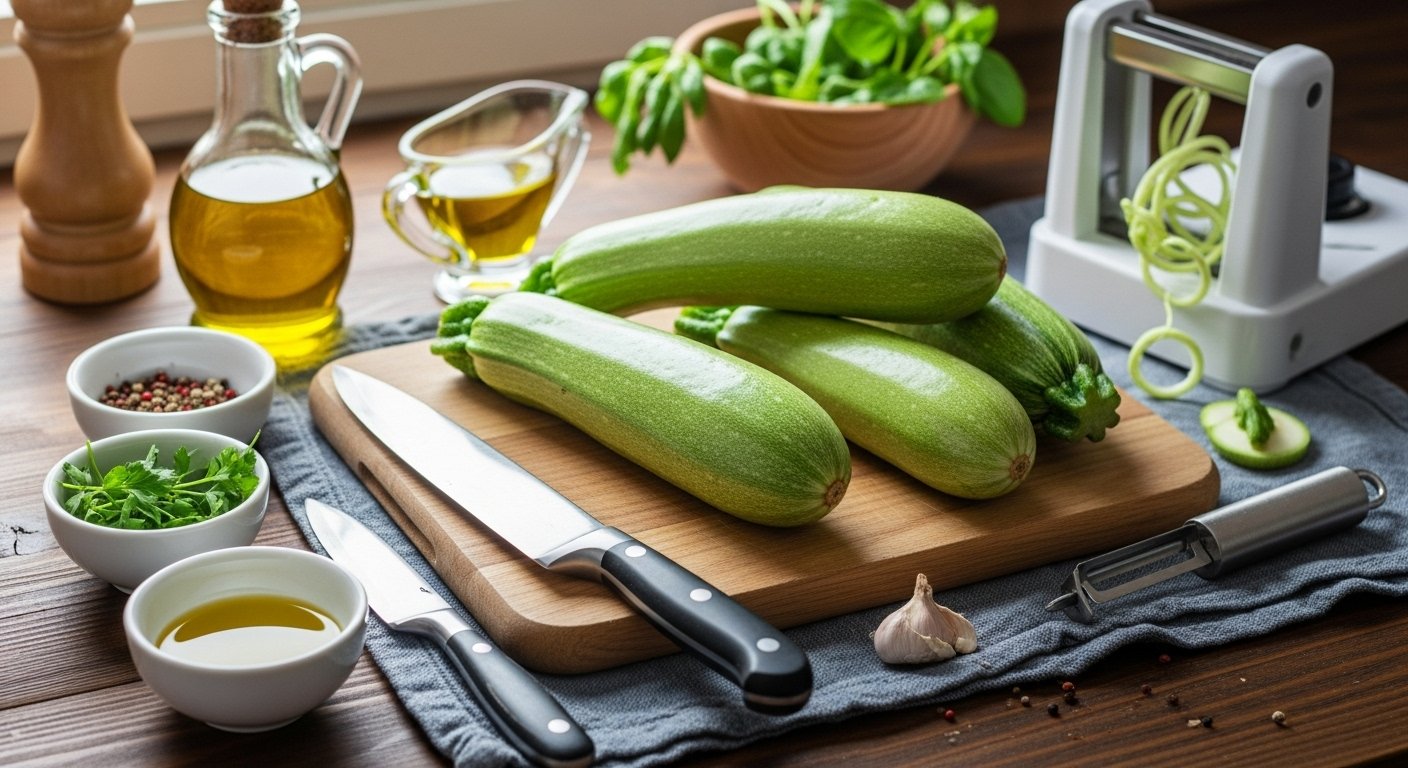
Choosing and Preparing Zucchini
Cooking zucchini is a joy thanks to its gentle, mild flavor and uniquely tender texture—not to mention its versatility in countless dishes. Whether you’re planning to sauté, grill, or bake, zucchini’s slender, cylindrical shape makes it easy to chop, slice, or spiralize for any recipe.
To get the most from your zucchini, start by selecting the best produce: look for zucchini that feels firm and heavy for its size, with vibrant, unblemished green skin. Avoid squash with soft spots, wrinkling, or dull patches, as these are signs it’s past its prime.
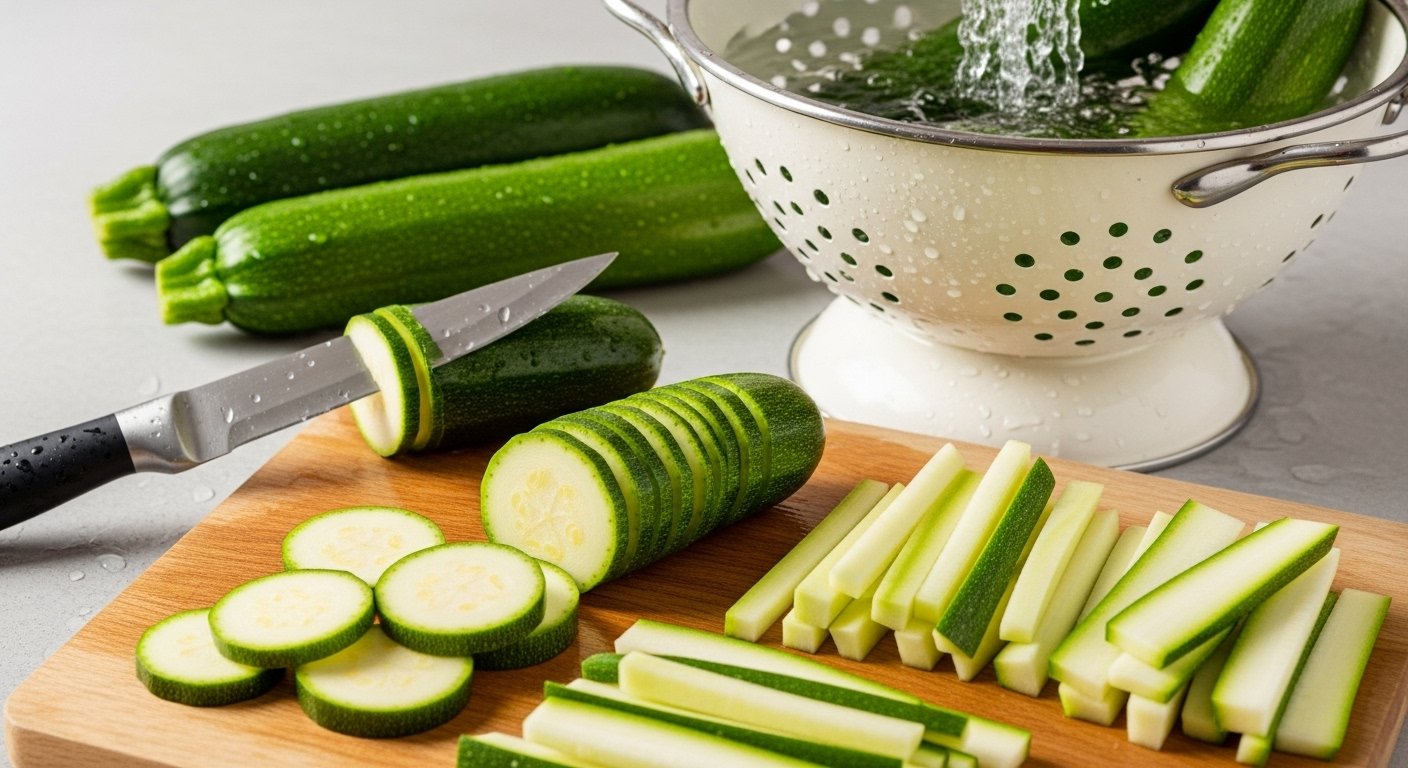
Once you bring your zucchini home, rinse it thoroughly under cool water to remove any dirt or residue, then pat it dry. Trim off both ends with a sharp knife.
Depending on your dish, you can:
- Cut zucchini into thick rounds for grilling
- Julienne it into matchstick-size sticks for stir-frying
- Run a peeler down its length for delicate ribbons that work beautifully in salads or light sautés
Taking a few extra minutes to choose and prep your zucchini makes all the difference—a little care goes a long way toward the best flavor and texture in your favorite recipes.
Popular Ways to Cook Zucchini
Zucchini is a versatile vegetable that really shines when cooked using the right method. Sautéing is a go-to for busy weeknights—just heat a bit of oil in a pan, toss in sliced zucchini, and cook over medium-high heat for about 5–7 minutes. This method brings out zucchini’s natural sweetness while keeping the slices slightly crisp, making it ideal for quick pastas or stir-fries.
Roasting at 425°F for 20–25 minutes, especially when tossed with olive oil and herbs, deepens the flavor and results in crispy edges with creamy centers—a perfect side dish or salad addition.
Baking, like in zucchini bread or casseroles, usually takes longer (30–45 minutes) and gives zucchini a soft, melt-in-your-mouth texture that blends wonderfully with other ingredients.
Grilling over medium heat for 3–4 minutes per side imparts a subtle smoky taste and charred marks, offering a firm yet tender bite. It’s great for summer barbecues or grain bowls.
Boiling and steaming are the quickest methods (3–5 minutes), but they tend to make zucchini mushy and can leach out nutrients. These techniques work best when you need softened zucchini for purees or soups.
For maximum nutrition and flavor, opt for grilling, roasting, or sautéing, as these methods both concentrate taste and retain key vitamins better than boiling. Whether you’re craving a crunchy snack, a hearty casserole, or a fresh salad topper, there’s a zucchini cooking technique to suit every palate and meal.
Easy Sautéed Zucchini
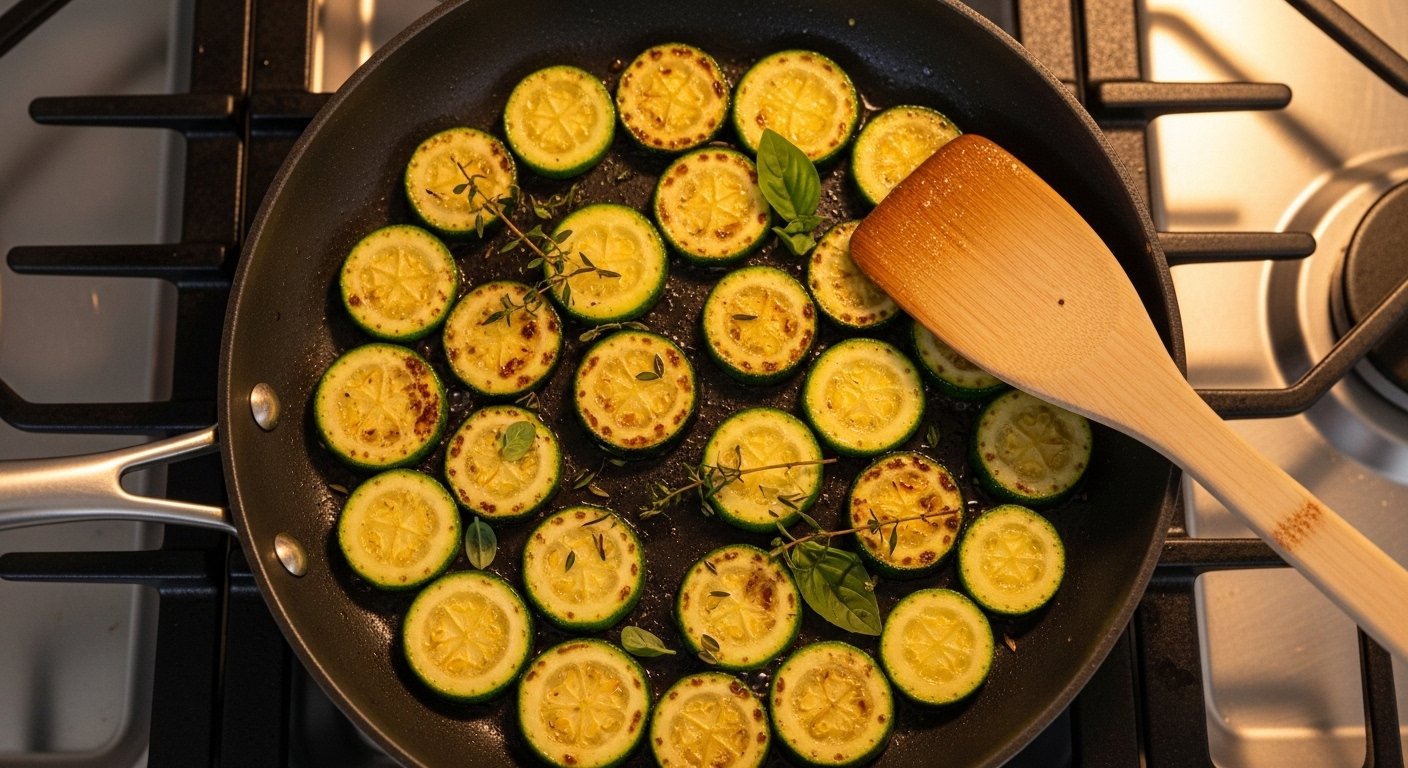
Sautéing zucchini is a quick, healthy side dish that comes together in minutes, and a few key techniques can make all the difference. Start by slicing the zucchini evenly, about a quarter-inch thick, so they cook uniformly.
Heat a large skillet over medium-high heat and add a thin layer of oil—extra-virgin olive oil is a great choice for its flavor, though vegetable oil works well if you want something more neutral. Once the oil shimmers, add the zucchini in a single layer. Resist the urge to overcrowd the pan; too many slices at once will steam instead of brown, resulting in soggy zucchini. You may need to work in batches for the best results.
Let the zucchini cook undisturbed for a couple of minutes before flipping, allowing for beautiful golden edges. When nearly tender, season simply with salt, black pepper, and a pinch of garlic powder, or toss in some minced garlic for more bite. Finish with fresh herbs like thyme or basil for a burst of color and fresh aroma.
This easy method highlights the zucchini’s natural sweetness and guarantees a delicious, crisp-tender veggie every time. Serve immediately for the best texture.
How to Roast or Bake Zucchini
Roasting zucchini in the oven is an easy way to bring out its natural sweetness and achieve a rich, caramelized flavor that steaming or sautéing just can’t match. Start by preheating your oven to 400°F (200°C), which strikes the right balance between browning and keeping the zucchini tender but not mushy.
Slice your zucchini into half-inch rounds or sticks, toss them with a light coating of olive oil, and arrange them in a single layer on a baking sheet—overcrowding can cause them to steam instead of roast.
For an extra flavor punch and a bit of crunch, sprinkle on some freshly grated Parmesan cheese and breadcrumbs, or add garlic powder and a pinch of chili flakes before they go in the oven.
Roast for 20–25 minutes, flipping each piece halfway through with a spatula; this helps both sides brown evenly and encourages that irresistible crispy edge. If you notice the zucchini is browning too fast, you can lower the temperature slightly or move your tray to a higher rack in the oven.
Once done, the zucchini should be golden with caramelized spots and have a melt-in-your-mouth texture. Serve immediately as a side dish, toss into salads, or use as a topping for your favorite grain bowls—roasted zucchini is as versatile as it is delicious.
Zucchini Recipe Variations and Add-Ins
Zucchini is incredibly versatile, making it easy to incorporate into countless recipes with fun twists and flavorful add-ins. Try using a spiralizer or vegetable peeler to create delicate zucchini ribbons—these make a crisp, refreshing base for salads, pairing well with cherry tomatoes, crumbled feta, and a squeeze of lemon for brightness.
For a heartier dish, stuff halved zucchini boats with quinoa, sautéed mushrooms, and shredded mozzarella; a sprinkle of garlic or fresh basil brings out even more flavor. Mixed vegetable medleys are another great option: toss zucchini slices with bell peppers, red onion, and a sprinkle of pine nuts, then roast until caramelized.
If you’re looking to experiment with flavor, add a dash of garlic, lemon zest, or Parmesan. For dairy-free or vegan variations, swap cheese for nutritional yeast or use a vegan mozzarella. Zucchini also adapts easily to gluten-free needs—simply use gluten-free bread crumbs or grains in your stuffing or salads.
Fresh herbs like parsley, mint, or dill can instantly lift zucchini recipes, making them taste bright and summery. With just a few tweaks and creative combinations, you can transform this humble vegetable into something special to suit any diet or occasion.
How to Serve and Store Cooked Zucchini
Cooked zucchini is an incredibly versatile addition to your meals—you can serve it as a simple side dish sprinkled with fresh herbs, toss it into hot pasta with a splash of olive oil, or layer it on pizza for extra veggies. It’s also delicious chilled in salads or mixed into grain bowls with your favorite proteins and dressings.
To store cooked zucchini, let it cool completely, then place it in an airtight container in the fridge. It will keep for up to four days without losing much flavor. Avoid storing zucchini uncovered or while still warm, as this will make it mushy—so be patient and seal it up tight.
When reheating, do so over medium heat on the stovetop or briefly in the microwave. Reheat just until warmed through to prevent sogginess. If you’re meal prepping, cook the zucchini lightly so it holds its texture during storage and reheating. Also, consider keeping sauces separate until serving to avoid the zucchini becoming too soft.
Common Mistakes & Pro Tips for Perfect Zucchini
A few simple mistakes can turn zucchini from fresh and flavorful to mushy and bland. Overcooking is one of the most common issues—zucchini cooks fast, often in just a few minutes, so keep an eye on it to preserve its gentle bite and bright color.
Using too much oil can leave your dish greasy rather than crisp, so stick to a light brush or quick toss instead of pouring it on. Another frequent error is under-seasoning; zucchini is mild on its own and really benefits from salt, pepper, garlic, or your favorite spice blends.
For even cooking, slice your zucchini into uniform pieces, and spread them out in a single, uncrowded layer whether you’re sautéing or roasting—this lets the hot air or pan surface hit every piece, helping you avoid soggy spots. Control your heat as well: high heat helps achieve that beautiful caramelization, but watch closely to prevent burning.
If you want to make your zucchini stand out, experiment with fresh herbs, grated Parmesan, a squeeze of lemon, or international spices like cumin or smoked paprika. By avoiding these common mistakes and playing with flavors, you’ll unlock perfectly tender, delicious zucchini in every dish.