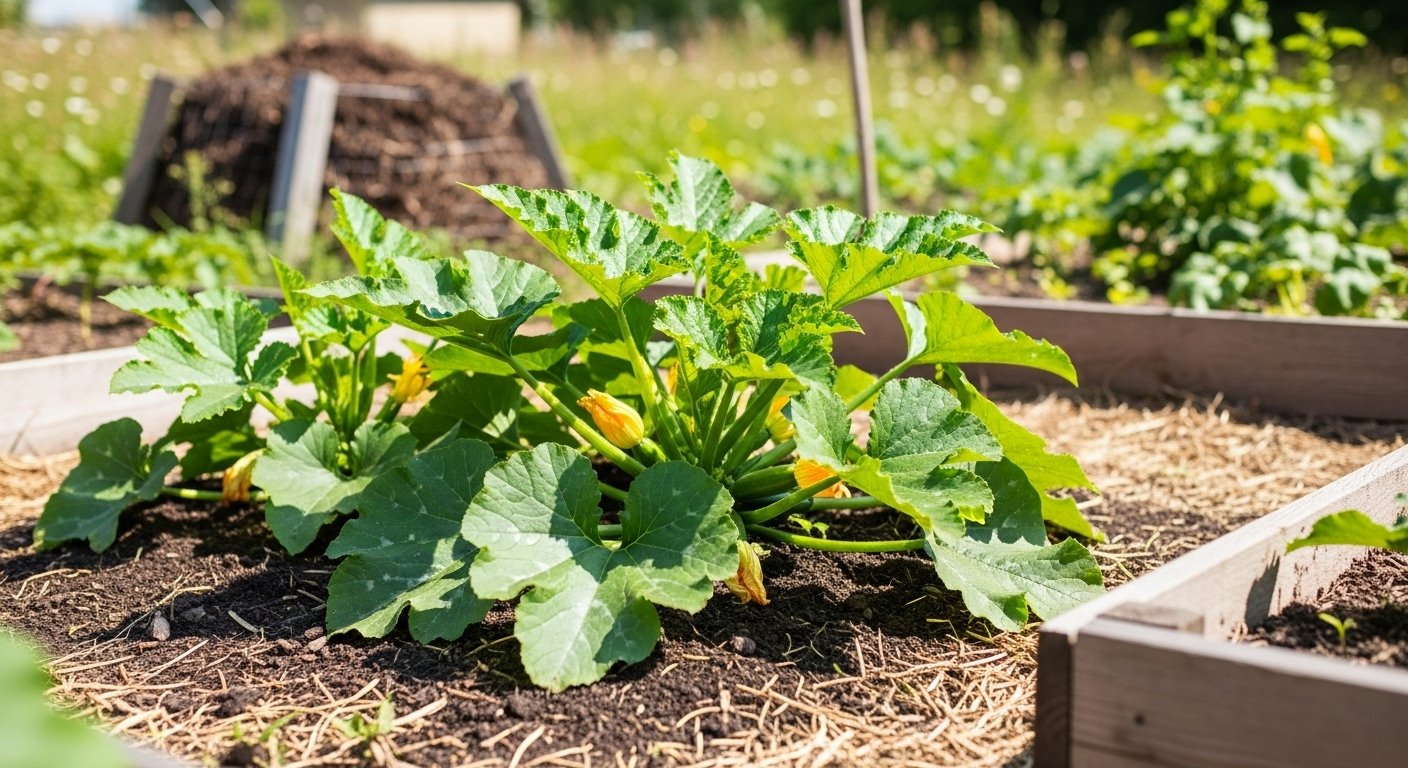
Getting Started with Growing Zucchini
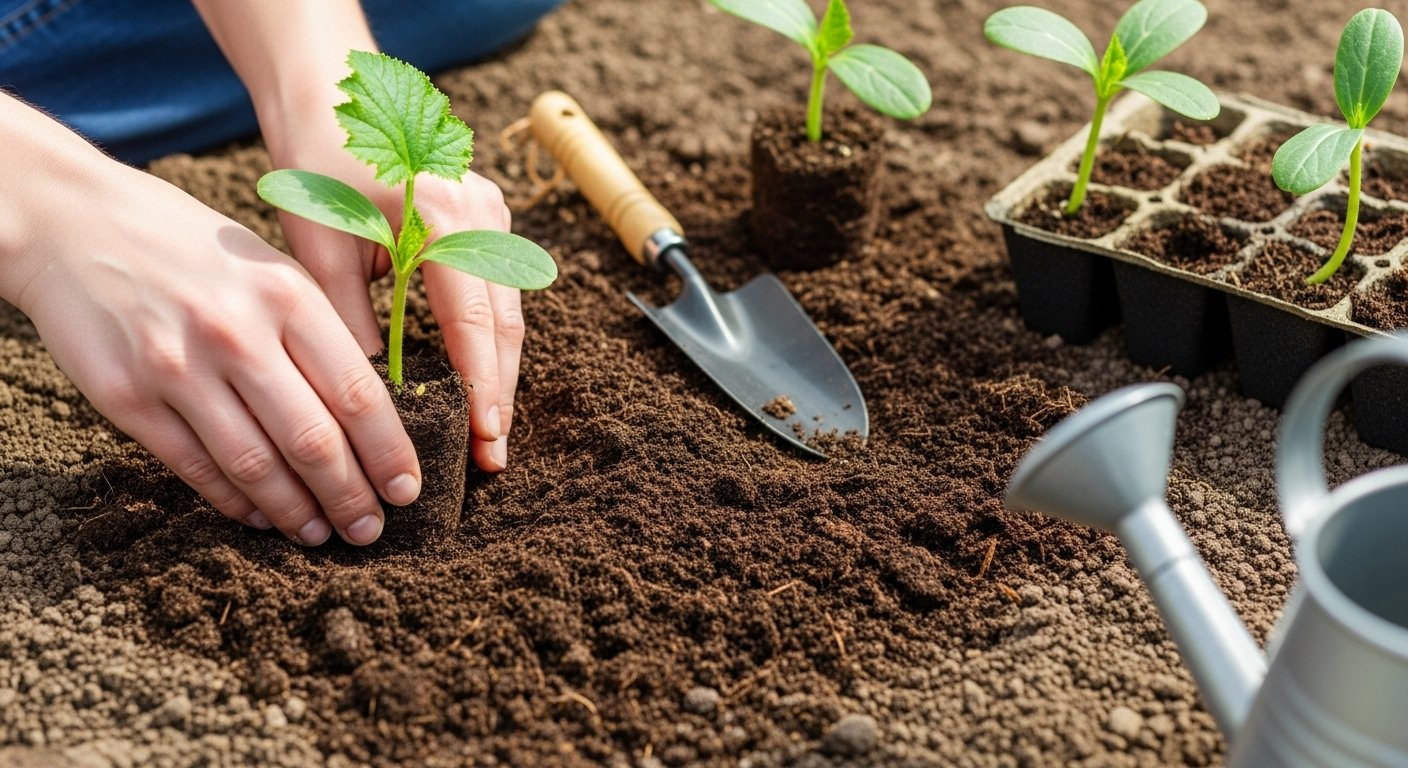
Transplanting zucchini seedlings is an exciting step for any home gardener, whether you’re new to growing vegetables or have seasoned green thumbs in your household. Zucchini, known for its prolific yields and ease of care, is one of the best choices for starting a productive home garden. Why grow your own? Harvesting zucchini straight from your backyard means unbeatable freshness, crisp texture, and flavor you simply can’t find in grocery stores. Plus, zucchini plants are famously generous—just a few can provide a steady supply for grilling, baking, and sharing with friends and neighbors.
Preparing for Success
Getting started begins with understanding what zucchini needs to thrive. Rich, well-draining soil amended with compost gives seedlings the best foundation. These sun-loving plants crave at least six hours of direct sunlight each day and flourish in warm weather, making late spring to early summer an ideal transplant window in most climates. Zones 3-10 can all enjoy zucchini, though a little protection from late frosts ensures those young seedlings don’t get stunted.
Choosing the Right Seeds
When choosing seeds, opt for beginner-friendly zucchini varieties such as ‘Black Beauty’ or ‘Golden Zucchini’—they’re resilient, productive, and have a reliable track record in many regions. Look for seeds from reputable companies, and consider disease-resistant varieties if you live in an area prone to moisture or pests.
Starting Seeds Indoors
If possible, start seeds indoors a few weeks before your last frost date; this gives them a healthy head start and helps ensure a smooth transition when transplanting zucchini seedlings outdoors.
By choosing the right variety and setting up ideal soil and sunlight conditions, you’ll be well on your way to a thriving zucchini patch—bringing both bumper harvests and the satisfaction of growing your own food.
When and Where to Plant Zucchini
Zucchini is a warm-season crop, and the best planting time depends on your local climate. In cooler regions, wait until two weeks after your last frost date, when soil temperatures reach at least 60°F (16°C). Gardeners in warmer climates can often sow seeds from spring through early summer, giving the plants plenty of time to grow before fall’s cooler weather returns.
Zucchini thrives in a spot that gets full sun—ideally 6 to 8 hours of direct sunlight daily. Choose a location with rich, well-drained soil; sandy loam works well, but heavy clay should be improved with compost or aged manure to boost fertility and drainage.
Before planting, loosen the soil to at least 12 inches deep and mix in two to four inches of organic matter, such as compost or rotted leaves, along with a balanced slow-release fertilizer according to the package instructions.
If your garden area tends to hold water, consider planting zucchini in raised beds or containers to ensure roots don’t stay soggy, which helps prevent rot and disease. Raised beds allow for better control over soil quality and drainage, while containers (at least 18 inches wide and deep) are perfect for patios; just be sure they have drainage holes and use a high-quality potting mix supplemented with compost.
For in-ground planting, form small hills or mounds about three feet apart, planting two to three seeds per mound, then thin to the healthiest seedling once they sprout. Regularly mulch around plants to retain soil moisture and suppress weeds, and water deeply when the top inch of soil dries out.
With these steps, you’ll set your zucchini up for prolific harvests—no matter your space or climate.
Sowing and Planting Zucchini
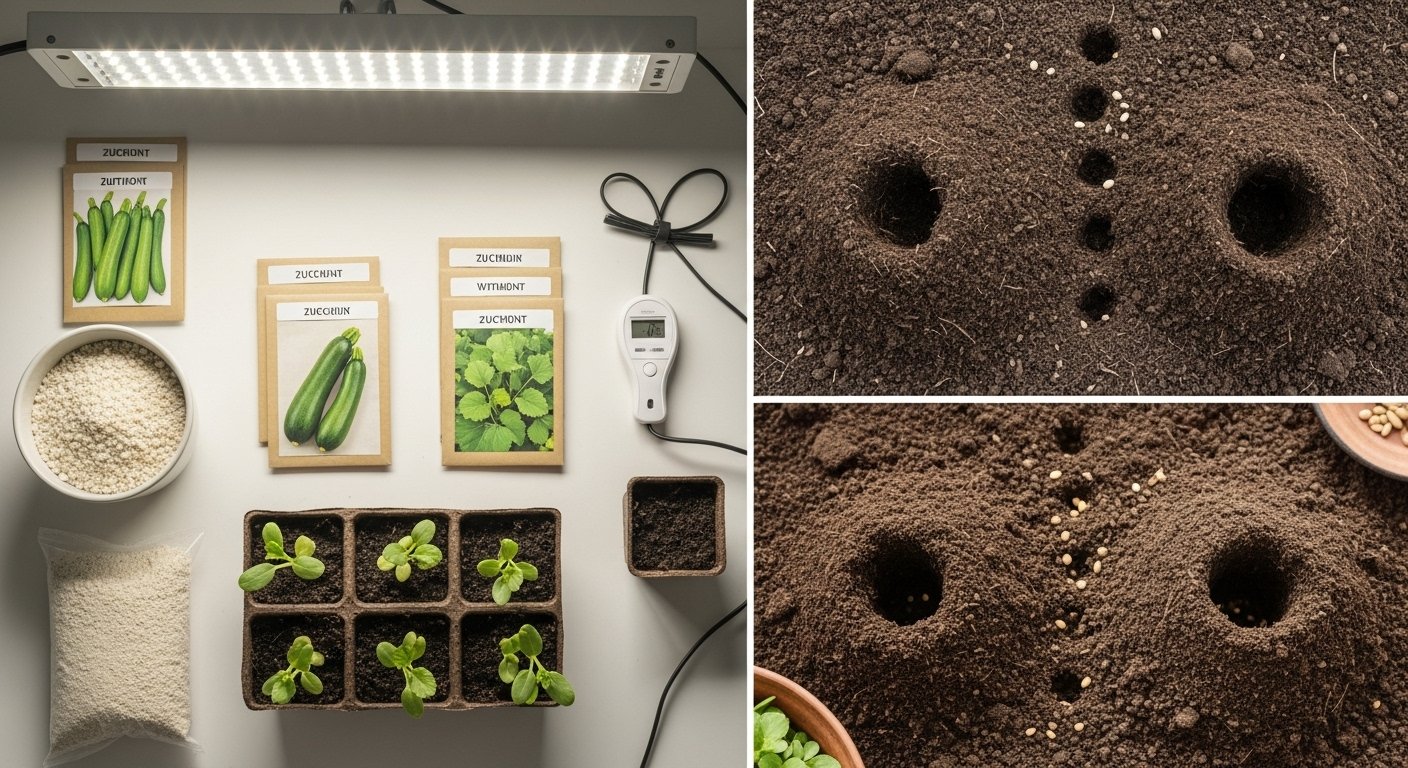
Growing zucchini successfully starts with choosing the method that suits your climate and timing—either direct sowing outdoors or starting seedlings indoors.
Direct sowing is the easiest and most common method for warm climates. Simply wait until the soil has warmed to at least 60°F (16°C) and all danger of frost has passed. Then, plant two to three seeds about one inch deep and 24–36 inches apart in nutrient-rich, well-draining soil. Once they sprout, thin to the strongest seedling per spot.
For a head start in shorter seasons, begin seeds indoors three to four weeks before the last expected frost. Use small pots filled with seed-starting mix, planting one seed per pot at the same one-inch depth. Keep the soil moist but not soggy, and make sure your seedlings have plenty of sunlight or supplemental grow lights. Transplant outdoors once seedlings have two true leaves and outdoor temperatures are reliably warm, spacing them as you would direct-sown seedlings.
Whichever method you choose, companion planting can boost your zucchini’s health. Try growing basil or nasturtiums nearby to deter pests, or interplant with beans, which help enrich the soil with nitrogen.
Right after sowing or transplanting, give your zucchini a deep but gentle watering to settle the soil. Then, add a two-inch layer of organic mulch such as straw or shredded leaves. This helps maintain soil moisture, prevent weeds, and keep the soil temperature consistent—a combination that gives your zucchini plants the best possible start.
Caring for Zucchini Plants
Zucchini plants thrive with a little attentive care, rewarding gardeners with abundant harvests when their needs are met. Start by watering them consistently—ideally, keep the soil evenly moist but not soggy. A deep watering once or twice a week is better than frequent light sprinklings, especially during hot weather, to encourage deep roots.
Fertilize your zucchini with a balanced, slow-release fertilizer when planting, and give an extra boost with a side-dressing of compost or a diluted liquid fertilizer every few weeks as they grow.
If you notice long plants with heavy fruit, consider gently staking or using tomato cages to keep stems upright and fruit off the ground, which reduces the risk of rotting.
Pruning is another valuable practice: remove the lower leaves or any yellowing or diseased foliage as the plant matures to improve airflow at the base and reduce mold or mildew issues. You can also pinch back overly dense growth in the center to let in sunlight and air, cutting just above a leaf node to avoid stressing the plant.
Keep the area around your zucchini free from weeds, which compete for water and nutrients—hand-pulling or a layer of mulch are effective options.
Regularly monitor for pests such as squash bugs or powdery mildew; early intervention, like picking off affected leaves or using insecticidal soap, can prevent small problems from spreading.
By providing these basic needs and staying watchful throughout the season, you’ll encourage healthier plants and a bigger, tastier zucchini harvest.
Common Zucchini Problems and Solutions
Growing zucchini can be highly rewarding, but these plants often face challenges from pests, diseases, and nutrient deficiencies. Among the most common pests are squash bugs, aphids, and cucumber beetles, which typically cluster on the undersides of leaves and cause yellowing or wilting.
For organic control, try spraying leaves with a homemade solution of mild soap and water or releasing beneficial insects like ladybugs and lacewings into your garden. Chemical options include targeted insecticides labeled for edible crops, but always follow label directions to avoid harming pollinators.
Fungal diseases such as powdery mildew and downy mildew leave white or yellow patches on leaves and thrive in damp, crowded conditions. Prevent these issues by watering at the base of plants early in the day and ensuring good air circulation. If needed, use organic fungicides like neem oil or try copper-based sprays for severe cases.
Crop rotation is a simple but effective preventive strategy, as it disrupts the life cycles of pests and soil-borne diseases. Avoid planting zucchini or other squash family members in the same spot year after year. Proper plant spacing, ideally two to three feet apart, also decreases disease risk by improving airflow.
Watch for signs of nutrient deficiencies such as yellow leaves (often a nitrogen shortage), poor fruit development (possible potassium or phosphorus deficiency), or pale, stunted growth (possibly lacking magnesium or iron). Remedy these by adding balanced, slow-release organic fertilizers or amending the soil with well-rotted compost.
Regularly checking your zucchini for early signs of trouble, practicing good garden hygiene, and promoting soil health can go a long way toward ensuring healthy, productive plants all season long.
Harvesting and Enjoying Zucchini
Knowing when to harvest zucchini is key to getting the tastiest, most tender fruit. Check your plants daily once they start producing—zucchini grows fast and is best picked when it’s about 6–8 inches long (or slightly bigger if you want to stuff them, but never let them become oversized monsters unless you’re saving seeds). The skin should be glossy and firm, not dull or tough.
To harvest, use a sharp knife or pruners to cut the stem about an inch above the fruit rather than twisting or pulling. This prevents damage to the plant, helping it keep producing. Be gentle—breaking stems can open up pathways for pests and disease.
After picking, refrigerate unwashed zucchini in a perforated bag where it stays fresh for up to a week. Wash right before using, and try it grilled, spiralized into noodles, or in stir-fries and baked goods.
For a continuous supply, regularly check under large leaves (zucchini like to hide!) and harvest every other day—it encourages the plant to set new fruit. Remove oversized zucchini to keep plants healthy and productive. By staying vigilant and picking frequently, you can enjoy a steady stream of fresh zucchini all season long.