Introduction
Understanding how cold weather affects your tomato plants is essential for a successful harvest, especially if you garden in cooler climates. Tomatoes thrive in warmth, but chilly temperatures can cause problems—leading to stunted growth, delayed fruiting, or even plant death. These challenges might make growing tomatoes in cold climates feel intimidating, but with the right knowledge, you can still achieve a thriving crop.
Many gardeners notice wilted leaves or flowers that fail to set fruit when a sudden cold snap hits. In this post, we’ll explore the most common symptoms of cold stress in tomato plants, explain critical temperature thresholds you need to know, and discuss how low temperatures impact flowering and fruit development.
You’ll find practical growing tips tailored for cooler regions, smart ways to protect your plants—like using cloches, row covers, or selecting cold-tolerant varieties—and advice for harvesting tomatoes late in the season. By understanding what your tomatoes need to survive and thrive despite the cold, you can enjoy homegrown tomatoes, even when the thermometer dips a little lower than you’d like.
Recognizing Cold Stress in Tomato Plants
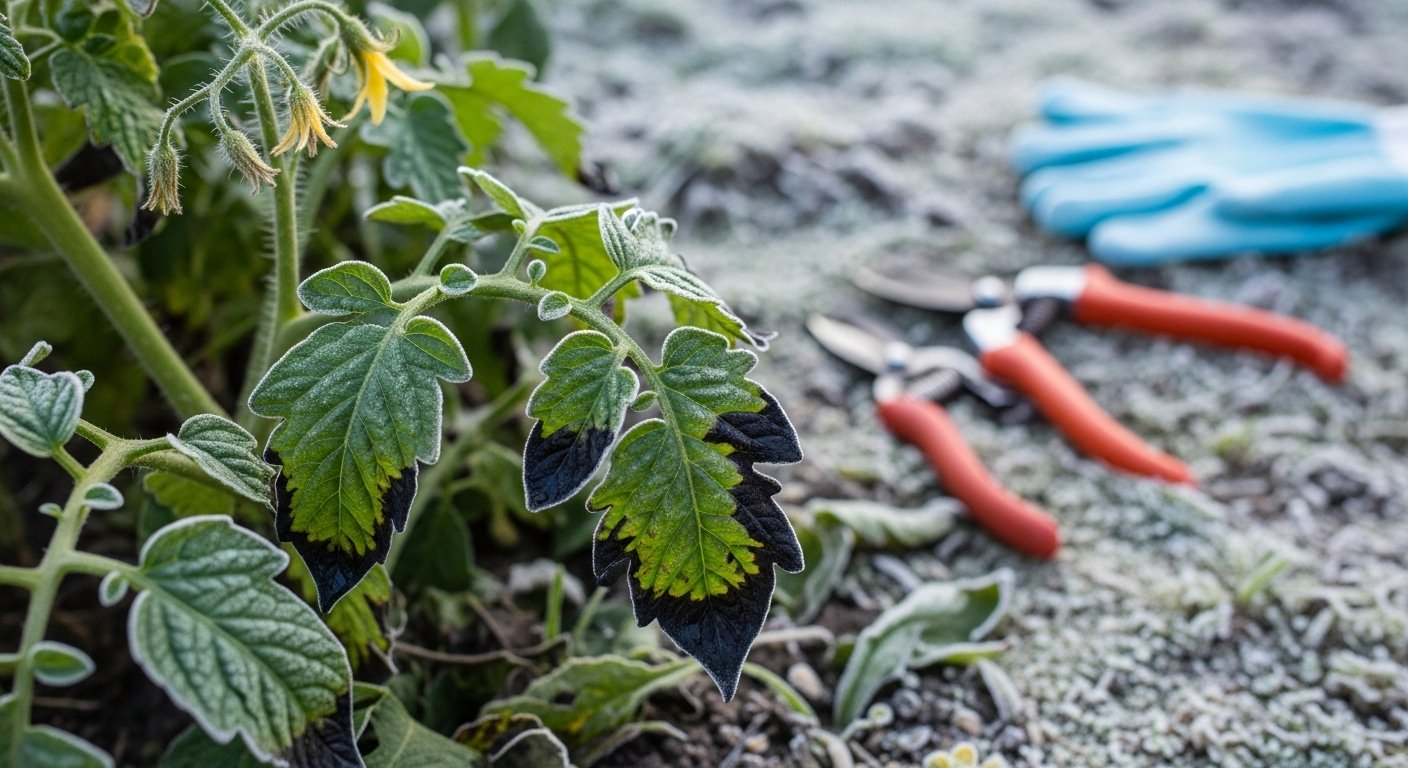
Spotting cold stress in tomato plants early can make a big difference in their overall health and yield. The first visible signs to look for are wilted or drooping leaves, which might appear overnight after a chilly spell. Leaves may also develop dark, water-soaked patches or blackened edges, indicating cellular damage from cold temperatures.
Another common symptom is slowed growth—plants stop producing new shoots or flowers, which can set your harvest back weeks. Discoloration, like pale yellow or purplish leaves, is a red flag that the plant’s circulation is struggling due to cold stress.
It’s helpful to know the difference between chilling injury and freezing injury:
- Chilling injury happens when temperatures are above freezing (usually between 0°C to 12°C, or 32°F to 54°F), causing stunted growth, leaf curling, and surface lesions, but rarely killing the plant outright.
- Freezing injury occurs below 0°C (32°F), leading to severe tissue death, mushy stems, and often total plant loss.
Catching cold damage early is key. Remove damaged leaves, shield plants with row covers or cloths on cold nights, and relocate potted tomatoes indoors if frost is forecast. By acting quickly at the first signs of stress, you can help your tomato plants recover faster and avoid long-term setbacks, ensuring a healthy and productive garden throughout the season.
Temperature Thresholds for Tomatoes
Tomatoes thrive best when daytime temperatures hover between 70°F and 85°F (21°C to 29°C) and nighttime temperatures stay within 55°F to 70°F (13°C to 21°C). This range encourages healthy growth, timely flowering, and lush fruit development.
If nighttime lows regularly dip below 50°F (10°C), tomatoes can start to struggle. At these cooler temperatures, the plant’s metabolism slows, which may cause blossoms to drop and significantly hinder fruit formation or cause misshapen fruit. Growth often stalls as the plant prioritizes survival over production, and you might notice yellowing leaves or stunted vines.
The risks escalate dramatically if tomatoes face temperatures at or below 32°F (0°C). Frost can destroy tomatoes quickly: leaves and stems blacken and wilt due to cell damage from freezing water inside plant tissues. Even brief exposure to such cold can kill seedlings or severely set back mature plants.
To prevent these issues, monitor your local forecast closely—if a cold snap is coming, cover your tomato plants overnight with old sheets or row covers for insulation. Gardeners in cooler climates often start seeds indoors and transplant only once both soil and nighttime air remain reliably warm. Small changes like planting next to heat-absorbent walls or using mulch can help maintain steadier temperatures and protect your harvest.
Overall, keeping tomatoes in their preferred temperature zone is key to getting a steady supply of juicy, flavorful fruit throughout the season.
Impact of Cold on Tomato Flowering and Fruit
Cold weather can significantly affect how well tomato plants flower and produce fruit. When temperatures drop below 13°C (55°F), pollination becomes unreliable because pollen grains become sticky or fail to develop entirely, making it difficult for them to fertilize the flowers.
As a result, flowers may simply fall off the plant—a problem known as “blossom drop”—which leads to fewer fruits forming overall. Even if some fruits do develop in chilly weather, they often show warning signs like pale, blotchy, or uneven coloring during ripening. Instead of turning a healthy deep red, the fruit may stay yellowish or green around the shoulders, making them less appealing and possibly less nutritious.
Cold-affected fruit may also feel harder and take longer to ripen, which can be frustrating for gardeners waiting for that perfect harvest.
Besides impacting fruit on the vine, low temperatures after harvest—especially in home refrigerators or unheated storage—can cause what’s called chilling injury. Signs of this include:
- sunken areas
- wrinkling
- internal browning
- a tendency to rot more quickly
To get the best yield and flavor, try protecting your tomato plants from night chills with covers, and avoid storing harvested tomatoes in the fridge—room temperature is safer for preserving taste and texture. With a little extra care and attention to temperature, you can help your tomatoes flower fully, set more fruit, and ripen beautifully.
Selecting and Growing Tomatoes for Cooler Climates
Growing tomatoes in cooler climates is definitely doable with the right approach and plant choices. Opt for early-maturing, cold-tolerant varieties like ‘Stupice’, ‘Glacier’, ‘Sub-Arctic Plenty’, and ‘Siberian’. These types can handle lower temperatures and have shorter growing seasons, making them perfect for regions with cool springs and falls.
To get a head start, begin seeds indoors about six to eight weeks before your area’s average last frost date. Use a seed-start mix, provide plenty of light (a sunny windowsill or grow lights), and keep the seedlings warm—around 70°F (21°C) if possible.
When your tomato starts are 6 to 8 inches tall and the danger of frost has passed (nighttime temperatures consistently above 50°F/10°C), acclimate them by gradually exposing them to outdoor conditions over a week—this is called hardening off.
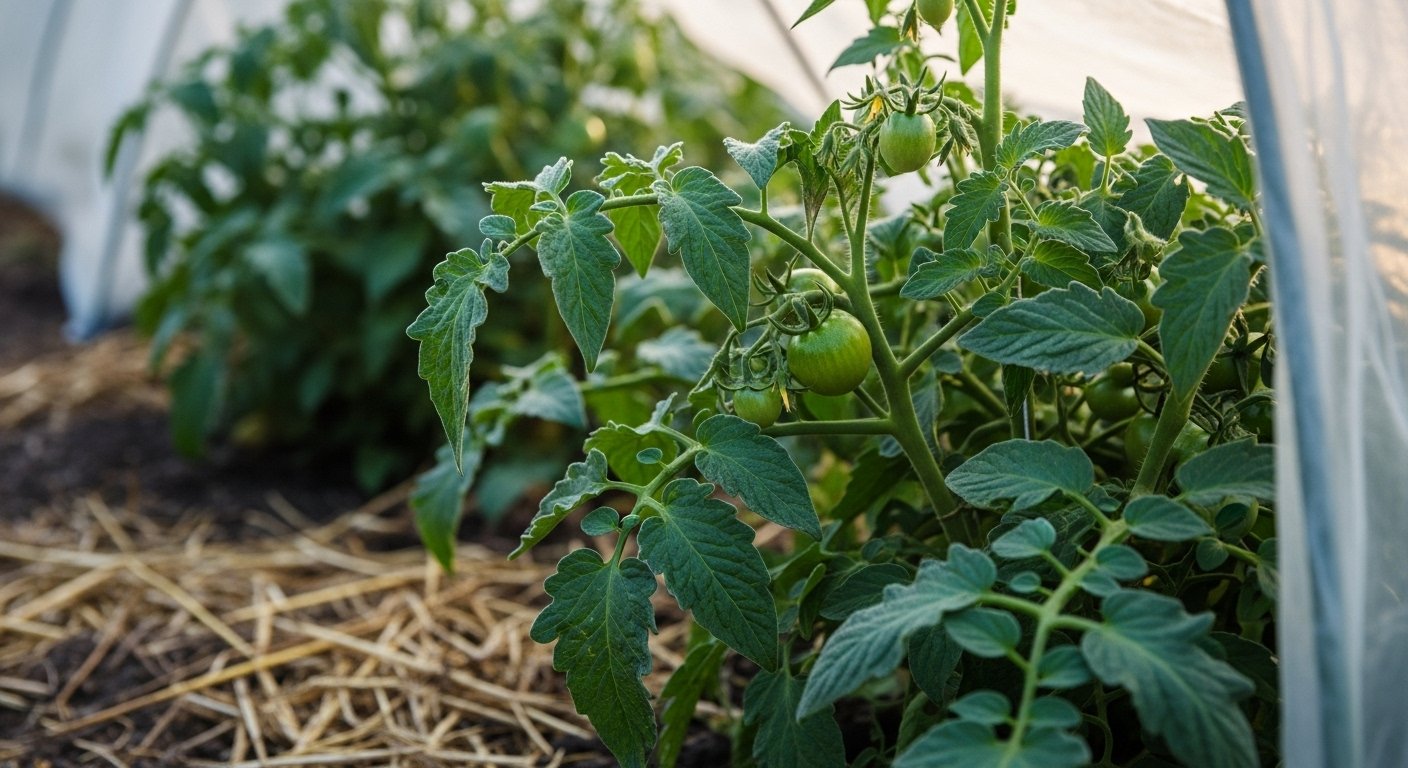
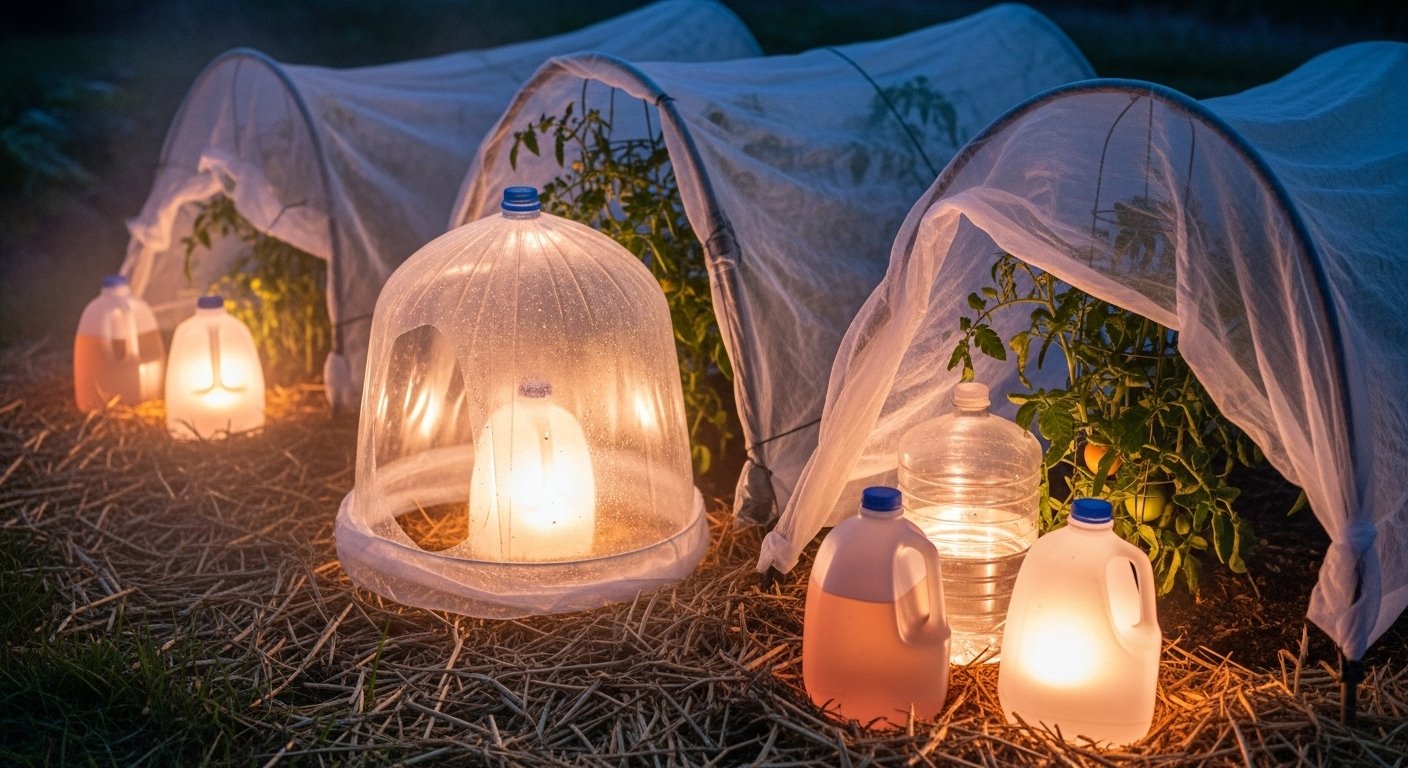
Even after transplanting, sudden cold snaps can happen. Use row covers, garden fleece, or homemade cloches (such as clear plastic bottles with the bottoms cut off) to offer crucial protection for the first few weeks, especially at night. Mulching around the base with straw also helps keep soil temperatures steady.
By choosing the right varieties and shielding your young plants from chills, you’ll give your tomatoes a strong start and the best chance for a tasty harvest—even when the weather isn’t perfect.
Protecting Tomatoes from Sudden Cold Snaps
Tomatoes are especially vulnerable to sudden cold snaps, but there are several practical ways you can shield your plants when temperatures drop unexpectedly.
First, mulch generously around the base of each tomato plant using straw, leaves, or grass clippings; this layer acts like a blanket, trapping heat in the soil overnight. When frost is forecasted, cover your plants in the evening with old bed sheets, row covers, or even cardboard boxes—just be sure to remove them in the morning so your tomatoes don’t overheat as the sun rises.
For an extra layer of protection, fill plastic jugs with warm water and place them near the plants before covering; the water will radiate heat back onto the plants through the night. Strategic, deep watering a day before a cold snap can also help because moist soil retains heat better than dry soil.
If your tomatoes do get nipped by cold, act quickly: trim away any blackened or mushy leaves and hold off on fertilizing for a week or two to avoid further stress on the plant. Make sure to water gently and refrain from pruning too aggressively—your goal is to help the plant recover slowly, allowing new growth to emerge once warmer temperatures return.
By preparing ahead with these tricks, you can save your tomato crop from sudden chills and keep them thriving throughout the season.
Harvesting and Ripening Tomatoes in Cool Weather
If cold weather is approaching and frost threatens your garden, it’s smart to harvest mature green tomatoes before overnight temperatures drop below 50°F (10°C). Cold can damage the fruit and stop the ripening process. Look for tomatoes that have reached full size and show a glossy, light green to slightly blushed color—these will ripen best off the vine.
Once picked, gently wipe off any dirt but avoid washing them to prevent excess moisture. Arrange the tomatoes in a single layer inside a cardboard box, shallow basket, or on a rack, keeping them out of direct sunlight in a room that stays between 60–70°F (15–21°C).
To speed up ripening, you can add a ripe banana or apple to the box; these fruits release ethylene gas, which helps tomatoes ripen faster. Check the tomatoes daily, discarding any that soften or show signs of rot to protect the rest.
Keep in mind that end-of-season tomatoes might not be as sweet or juicy as their midsummer counterparts. They may develop thicker skins or less vibrant flavors due to exposure to cold. Still, with a bit of care, you can enjoy homegrown tomatoes for several weeks after the garden season ends.
Conclusion
Understanding how cold weather impacts tomato plants is key for any gardener aiming for a healthy, productive crop. Chilly temperatures can stunt growth, damage leaves, or even kill young plants. Taking simple steps like covering tomatoes at night, choosing cold-tolerant varieties, and planting after the last frost can make a big difference.
Mulching and using cloches or row covers are practical ways to shield plants from sudden temperature drops. By staying alert to the weather and making early preparations, you’ll give your tomatoes the best chance to thrive, even in cooler climates.
If you’ve faced challenges with cold snaps or have your own tips for protecting tomato plants, we’d love to hear your experiences in the comments. Don’t hesitate to ask questions—sharing knowledge helps the whole gardening community grow stronger together!