
Introduction
Learning how to protect tomatoes from wind is essential for keeping your garden healthy and productive. Strong gusts can snap stems, strip leaves, and quickly dry out the soil, leaving your plants stressed and more vulnerable to disease. Wind damage doesn’t just affect the look of your tomatoes—it can significantly reduce your harvest. In this article, you’ll discover smart and simple ways to shield your tomato plants, from installing windbreaks and using sturdy supports to choosing the best spots in your yard. With these tips, you can safeguard your tomatoes and enjoy a more bountiful, resilient crop.
Understanding Wind Damage to Plants

Wind can wreak havoc on plants in both obvious and subtle ways. At its most direct, strong gusts may snap stems, shred leaves, or even uproot young trees and shallow-rooted shrubs—damages you can spot right after a storm. But wind also brings indirect stress: it speeds up evaporation, drying soil and leaves faster than normal, which leaves plants struggling to absorb enough water.
This often leads to wilting, slower growth, or leaf browning over time. Delicate plants with large, soft leaves, like lettuce or hostas, are particularly at risk for tearing, while tall, top-heavy flowers such as sunflowers and young trees can easily topple if their roots aren’t deep or well-established.
If you live in a windy area, consider these tips:
- Stake vulnerable plants for extra support.
- Place windbreaks like fences or hedges nearby.
- Group sensitive species together to provide additional shelter.
Choosing and Installing Windbreaks
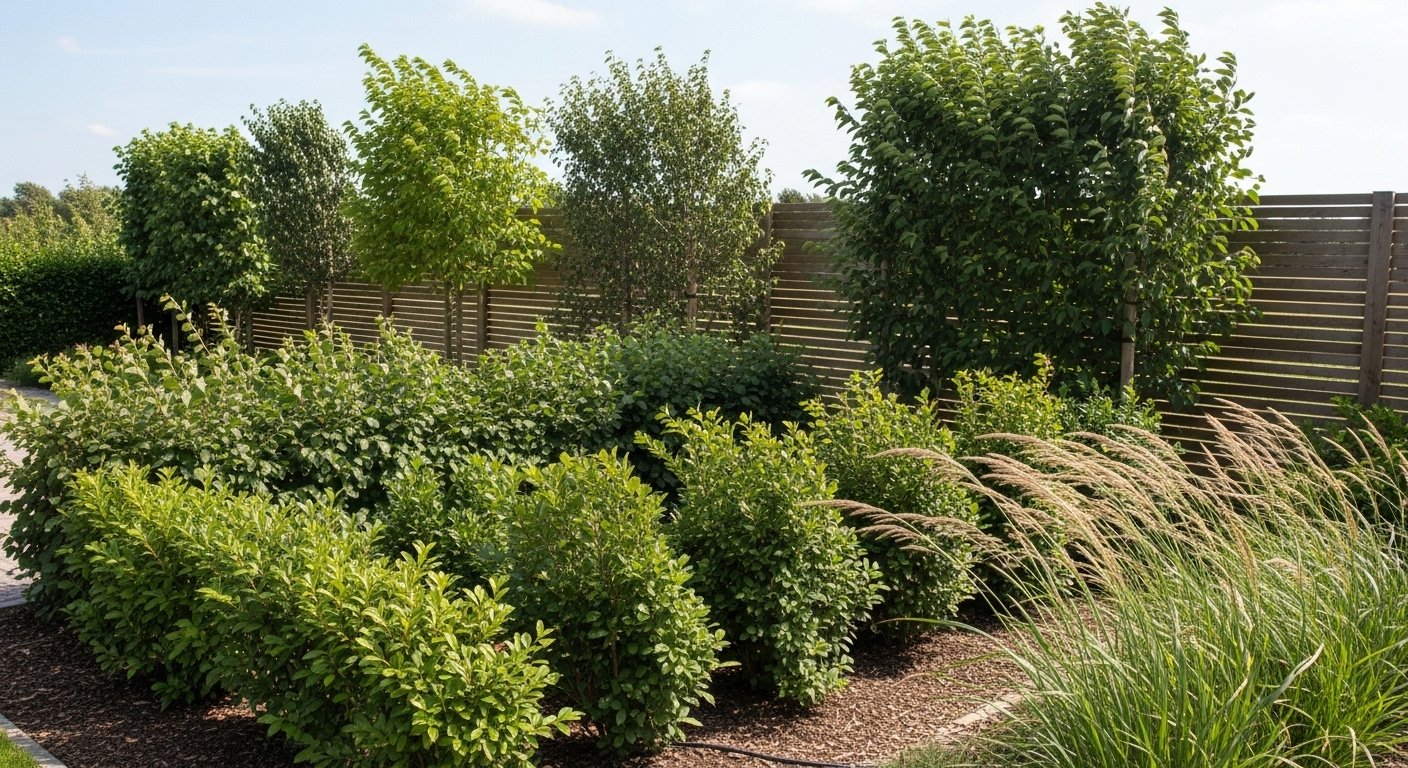
Windbreaks are barriers designed to reduce wind speed and create sheltered areas, protecting your garden from damage and improving growing conditions. There are several types of windbreaks to choose from, including hedges made of dense shrubs, solid or slatted fences, and rows of shrubberies.
When deciding where to place a windbreak, start by identifying the prevailing wind direction in your region. Usually, positioning the barrier at right angles to this wind is most effective. The ideal height depends on your needs: a windbreak will shelter an area up to ten times its height, so a 2-meter hedge can protect up to 20 meters downwind.
For small gardens, opt for compact, evergreen shrubs or lattice fences that won’t overwhelm the space. In larger or rural plots, tall mixed hedgerows or sturdy wooden fencing might be more suitable.
Always choose plants and materials that can withstand your local weather. For cold, windy climates, hardy natives like holly or privet thrive, while milder regions might support laurel or photinia.
Finally, remember that semi-permeable windbreaks—those that let some air through—are more effective than solid barriers, as they reduce turbulence and prevent wind from simply swirling over the top.
Creating Natural Barriers with Hedges and Shrubs
When planning a natural wind barrier, choose hardy, dense-growing shrubs and hedges that thrive in your local climate. Popular options include arborvitae, privet, boxwood, holly, yew, and laurel—these species stand up well to wind and provide year-round screening. For coastal or colder climates, consider sea buckthorn, hawthorn, or viburnum, which resist salt and frost.
To create an effective windbreak, plant shrubs in staggered rows rather than a single file. Double or triple rows, with taller varieties in the center and shorter types on the outside, create layered protection and fill in gaps quickly.
Ensure adequate spacing based on the mature width of each species—crowding can stunt growth, while gaps let wind sneak through. Mulching and regular watering during the first few years encourage strong root development and healthy foliage.
Prune yearly to shape plants and remove any dead or diseased wood, fostering thick, bushy growth that’s difficult for wind to penetrate. Periodically check for signs of pests or disease, addressing them early to prevent gaps in your barrier.
By combining the right plant choices with consistent care, you’ll establish a living, low-maintenance windbreak that enhances both beauty and privacy in your landscape.
Using Garden Netting, Screens, and Other Temporary Solutions
Garden netting, mesh, and temporary screens are practical ways to protect your plants from pests, harsh sunlight, and animals like birds and rabbits. When setting up netting or mesh, choose a material with small openings to keep out unwanted visitors while still allowing sunlight and rain to reach your plants.
For areas prone to strong winds, it’s important to secure these coverings firmly. Use stakes, garden pins, or heavy objects such as bricks along the edges, and always anchor them at ground level. For extra security, tie the netting to sturdy supports or use clips designed specifically for garden fabrics.
Portable screens—like collapsible plant tents or homemade frames made with PVC pipes and bird netting—work well for small gardens or container plants. You can even repurpose items like old window screens or laundry baskets as temporary shields during bad weather.
Be sure to regularly check and adjust your coverings to keep them in place and prevent damage to delicate stems or leaves. This way, you can keep your plants safe without needing permanent fixtures.
General Tips to Windproof Your Garden
Windproofing your garden starts with a few practical steps that make a big difference. First, stake young trees and tall plants securely to prevent wind damage; natural materials like bamboo or sturdy wooden stakes work well.
For potted plants, group them together in sheltered spots or close to walls to minimize their exposure—this also makes it easier to water and protect them during storms.
Pruning is another key tactic: regularly trim dead or weak branches from shrubs and trees so wind doesn’t have an easy way to break them.
Don’t overlook your soil, as wind can erode it quickly; apply a thick layer of mulch or plant low-growing ground covers to hold the earth in place and protect roots.
The best time to install wind protection, such as windbreak netting or temporary screens, is before the windy season hits—usually late fall or early spring, depending on your region. Taking these steps early can save you a lot of headaches and keep your garden healthy all year long.
Common Questions about Wind Protection for Plants (FAQs)
One common question is whether you can use plastic barriers for wind protection. While plastic can block wind, it may cause overheating or trap moisture, so it’s best used only temporarily during extreme weather.
Another frequently asked question is how often to inspect wind barriers or supports. It’s recommended to check your barriers at least once a week, especially after storms, to repair any loose ties or damage.
Gardeners also wonder if windbreaks need to be taken down in summer. If they are shading sun-loving plants or blocking airflow, it’s a good idea to remove or adjust them to keep your garden healthy and well-ventilated.
Conclusion & Final Thoughts
Protecting your garden plants from wind is all about combining practical strategies like installing windbreaks, using sturdy stakes or cages, and choosing naturally wind-tolerant plants. Observing your garden’s unique layout and problem areas helps you pick the best methods, whether that means planting dense shrubs as a living fence or simply moving pots to sheltered spots.
Every garden is different, so don’t be afraid to experiment and find what works for you. Have you had success with a creative wind solution, or do you have questions about a tricky spot in your yard? Share your experiences and tips in the comments!