Introduction
A reliable tomato spacing guide is the secret weapon every home gardener needs for a thriving crop. If you’ve ever wondered why your tomato plants aren’t producing as much fruit or seem more prone to diseases, the culprit could be how close they’re planted. Proper spacing allows tomatoes to get enough sunlight, air circulation, and nutrients—key elements that directly impact plant health and the size of your harvest.
Cramped plants are more vulnerable to blight and poor growth, while well-spaced ones have the room to flourish and yield juicy, flavorful tomatoes. In this article, we’ll walk you through the essential rules of tomato spacing for different varieties—like cherry, determinate, and indeterminate types—and explain how different planting methods (raised beds, containers, and in-ground gardens) affect your spacing choices.
With practical tips and clear recommendations, you’ll learn how to set up your tomato garden for outstanding results.
Understanding Tomato Varieties and Their Spacing Needs
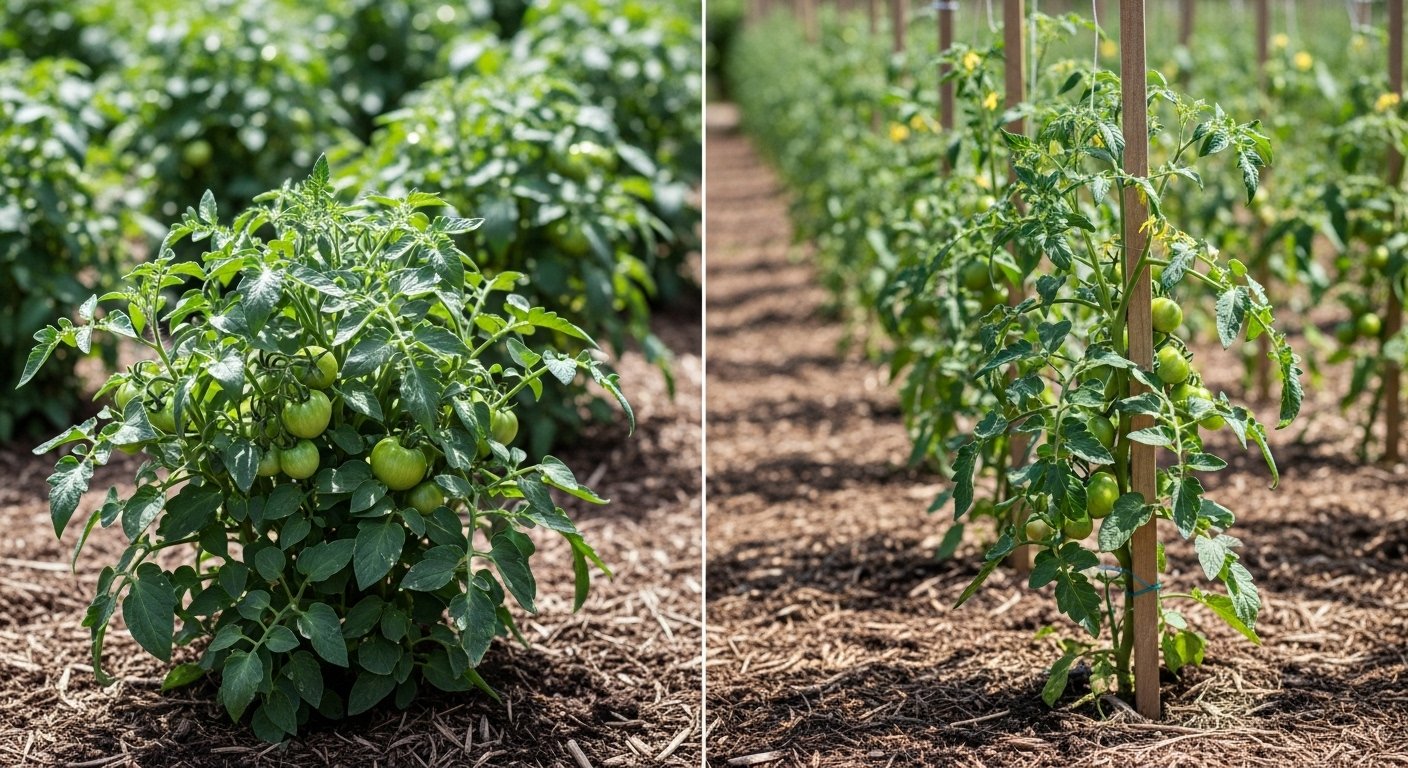
When planning your tomato garden, it’s important to know the difference between determinate and indeterminate tomato varieties, as their growth habits directly influence how much space each plant needs.
Determinate tomatoes, sometimes called “bush” varieties, grow to a fixed height (usually 2-4 feet), set fruit all at once, and then stop growing. These are ideal for smaller spaces or container gardens. Because they stay compact, determinate tomatoes can be spaced closer together—typically 18 to 24 inches apart, with rows about 3 feet apart.
On the other hand, indeterminate tomatoes are true garden climbers, continuing to grow and produce fruit throughout the season until frost hits, often reaching heights of 6 feet or more. This vining habit requires more room to thrive and good air circulation, so space indeterminate varieties 24 to 36 inches apart, keeping rows at least 4 feet apart.
When choosing between heirloom and hybrid types, remember that most heirlooms are indeterminate and can grow even larger or have sprawling branches, sometimes needing a little extra space to avoid crowding and reduce disease risk. Hybrid varieties are bred for consistency and might be either bushy or vining, so always check the seed packet or plant label.
In summary, start by identifying your tomato’s growth type and adjust your planting design accordingly; giving your plants the room they need leads to healthier growth and more abundant fruit. If you’re tight on space, determinate or dwarf varieties can offer a plentiful harvest with less sprawl.
Why Proper Spacing Is Critical for Tomatoes
Spacing your tomato plants properly isn’t just about making your garden look neat; it’s a smart move that leads to healthier plants and bigger harvests. When you leave enough room between each tomato plant—typically 18 to 24 inches apart for most varieties—you allow for better air circulation and more even sunlight exposure.
Good airflow helps leaves dry quickly after watering or rain, making it harder for fungal diseases like blight or powdery mildew to take hold. Sunlight can reach more of the plant’s surface area, promoting stronger, bushier growth and helping fruits ripen evenly.
Proper spacing is also a first defense against pests; crowded plants create hidden, humid spaces that are perfect for aphids and spider mites to thrive. With more distance, pests find it harder to move from plant to plant, and infestations are easier to spot early.
Beyond defense, the extra room lets each plant access soil nutrients and water without so much competition, leading to larger, juicier tomatoes. Maintenance is simpler, too—you can easily weave between stems to prune, stake, water, or harvest without damaging the vines.
Whether you’re gardening in a backyard plot or using containers on a patio, resist the urge to squeeze in extra plants. Giving tomatoes their personal space pays off with fewer plant problems, less work for you, and baskets full of plump, flavorful fruit come harvest time.
How to Determine the Right Tomato Spacing
Choosing the right spacing for your tomato plants starts with reading the details on your seed packet or plant tag—these provide variety-specific recommendations for how far apart to space each plant. For most standard, in-ground tomato plantings, tomatoes should generally be spaced 18 to 24 inches apart, with rows set 36 to 48 inches apart to allow for airflow and easy access.
Determinate varieties (bush types) can often be planted a little closer together, while indeterminate (vining) types need more room to spread. If you’re planting in clusters due to limited space, err on the side of wider spacing to reduce the risk of disease and ensure each plant gets enough sunlight.
Pay attention to your local climate: in humid regions, wider spacing improves air circulation, which helps prevent common issues like blight. A common mistake gardeners make is underestimating the mature size of their plants; overcrowding may seem efficient at first, but it leads to competition for nutrients and creates damp, shady conditions that promote fungal diseases.
Always adjust spacing if you notice your plants looking crowded as they grow, and remember that good spacing is key to a healthy, productive tomato harvest.
Container and Small-Space Tomato Spacing
Growing tomatoes in containers or small garden spaces doesn’t mean you have to sacrifice yield or plant health—success starts with smart spacing. When using pots, opt for containers at least 5 gallons in size for each tomato plant. Bigger containers (7-10 gallons) are even better to encourage strong root growth.
Keep your containers about 18-24 inches apart to promote airflow and help prevent diseases, which are more common when foliage stays damp. In raised beds or tight garden plots, allow at least 18 inches between determinate (bushy) varieties and around 24-30 inches for indeterminate (vining) types to give them room to spread.
Look for compact or dwarf varieties well-suited for small spaces, such as Tiny Tim, Patio Princess, Balconi Red, or Bush Early Girl. These varieties are bred for container life and can thrive on balconies or patios.
Maximize your crop by:
- Training indeterminate plants up single stakes or trellises
- Removing lower leaves to improve air circulation
- Using high-quality potting mix with regular feeding to support robust fruiting
Consider interplanting with basil or marigolds to discourage pests and keep your mini tomato jungle thriving with minimal fuss.
Signs Tomatoes Are Planted Too Close (and How to Fix It)
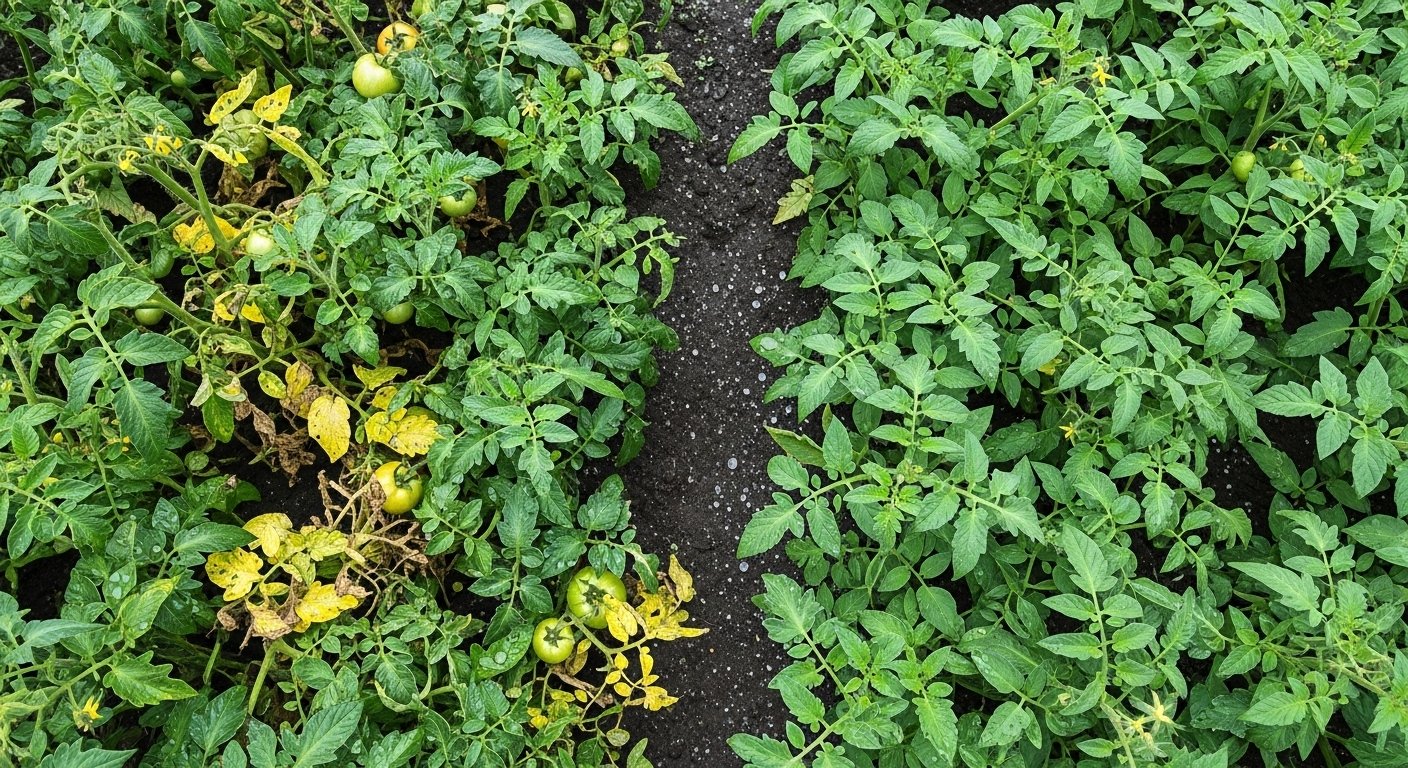
Planting tomatoes too close together often leads to a range of problems that can hurt your harvest. The first signs are usually stunted growth—your plants won’t reach their expected height, and leaves may look smaller than normal. Yellowing leaves, especially near the bottom, are also a red flag, along with an overall lack of vigor.
Another giveaway is poor airflow: leaves stay wet longer after rain or watering, creating a perfect environment for diseases like blight or powdery mildew. If you notice fruits that seem slow to ripen or flowers dropping off before setting fruit, overcrowding could be to blame.
Early Warning Signs
- Thick clusters of stems and foliage where you can’t easily see the soil between plants
- Plants leaning or stretching to reach sunlight, indicating competition for light
How to Fix It
If you spot these symptoms, act quickly by thinning out the weakest plants—snip them at the soil rather than pull to avoid disturbing roots. For young tomatoes, gently transplant extras to another spot or into containers, making sure each plant has at least 18–24 inches of space all around.
Regularly prune side shoots and lower leaves to improve air circulation, and mulch well to keep disease at bay. With swift action, you can rescue crowded tomatoes and set them up for a productive growing season.
Pro Tips for Healthy, Productive Tomato Plants
Proper spacing is crucial for healthy, productive tomato plants—avoid overcrowding by planting them 18-24 inches apart. This allows good airflow and reduces the risk of disease.
Throughout the season, regularly prune lower leaves and any suckers that appear between main stems and branches. This keeps plants open and focused on fruit production.
Training tomatoes to grow up sturdy stakes, cages, or trellises not only saves space but also keeps fruit off the ground, preventing rot and making harvesting easier.
Always lay down a two- to three-inch layer of mulch, like straw or shredded leaves, around your plants to conserve moisture and suppress weeds.
Check your plants every few days for signs of pests or yellowing leaves so you can act quickly if problems arise.
For long-term garden health, rotate tomato crops each year—plant them in a new spot if possible to break pest and disease cycles.
Enrich your soil before planting by mixing in compost or well-rotted manure, which supplies essential nutrients for robust plants and high yields.
With these practical steps—proper spacing, regular pruning, sturdy support, mulching, close monitoring, crop rotation, and soil amendment—you’ll enjoy a thriving tomato harvest season after season.
Conclusion
Getting the spacing right for your tomato plants makes a huge difference in their health and productivity—too crowded, and you’ll battle diseases and smaller harvests; too far apart, and you waste precious garden space. Remember, there’s no one-size-fits-all answer, so adapt recommended spacing based on your tomato variety, soil type, and local climate. Check guides from your local extension office or reputable gardening sites for region-specific tips.
With a little planning and research, you’ll find the spacing that works best for your garden and enjoy stronger, more fruitful tomato plants all season long.