Introduction
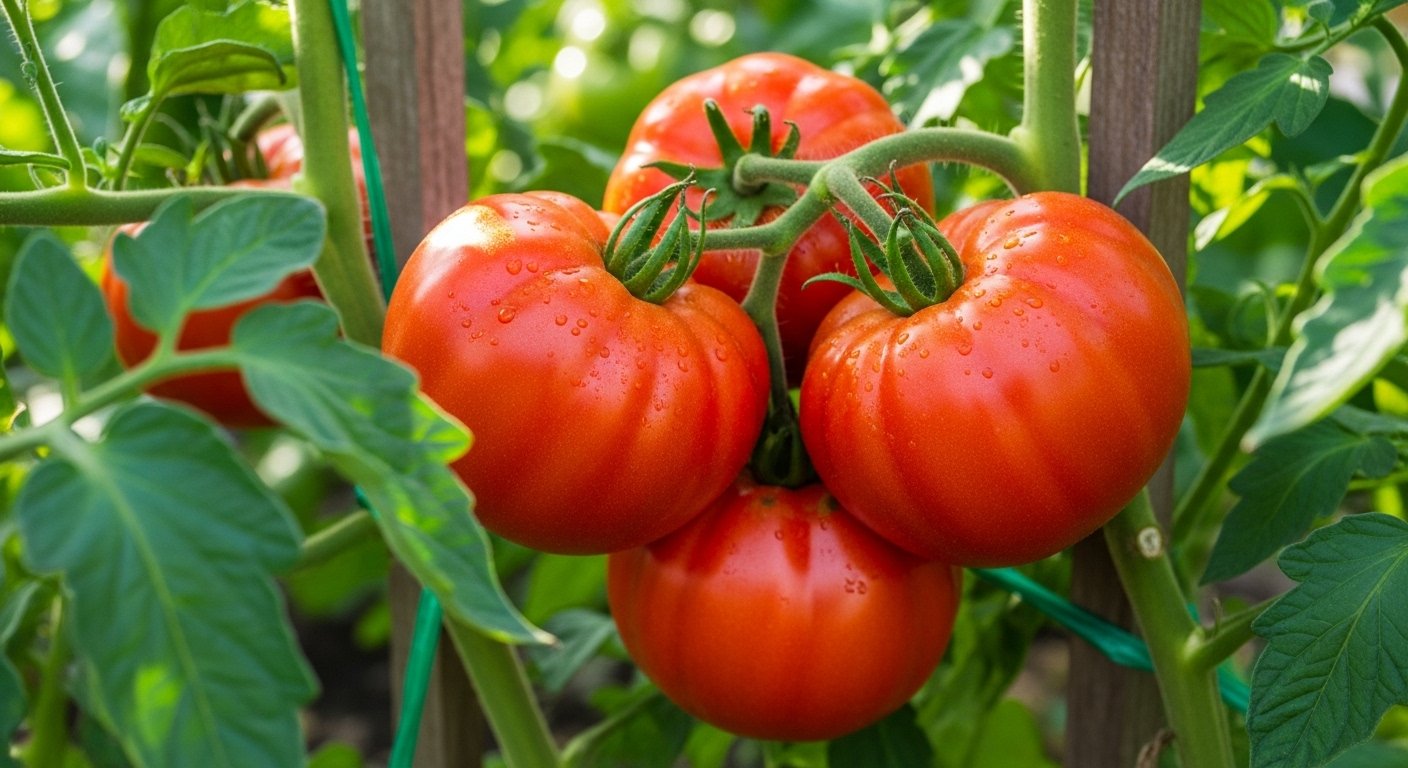
If you want to grow beefsteak tomatoes, you’re not alone—gardeners and cooks everywhere love these hefty, flavor-packed fruits. Known for their impressive size and juicy, meaty texture, beefsteak tomatoes are a standout on summer plates and in the garden alike.
They’re perfect for slicing onto BLTs, layering in caprese salads, or starring in homemade salsas, thanks to their robust flavor and minimal seeds. Yet, their size and unique qualities mean they need a little extra care to reach their full, mouth-watering potential.
In this guide, we’ll take you through everything you need to know to successfully grow, nurture, and enjoy beefsteak tomatoes at home. Whether you’re starting with seeds or young plants, you’ll get practical tips on soil preparation, watering, staking, and harvesting, plus inspired ideas for savoring your bumper crop in the kitchen.
Let’s unlock the secret to cultivating tomatoes worth bragging about!
Choosing the Right Beefsteak Tomato Variety
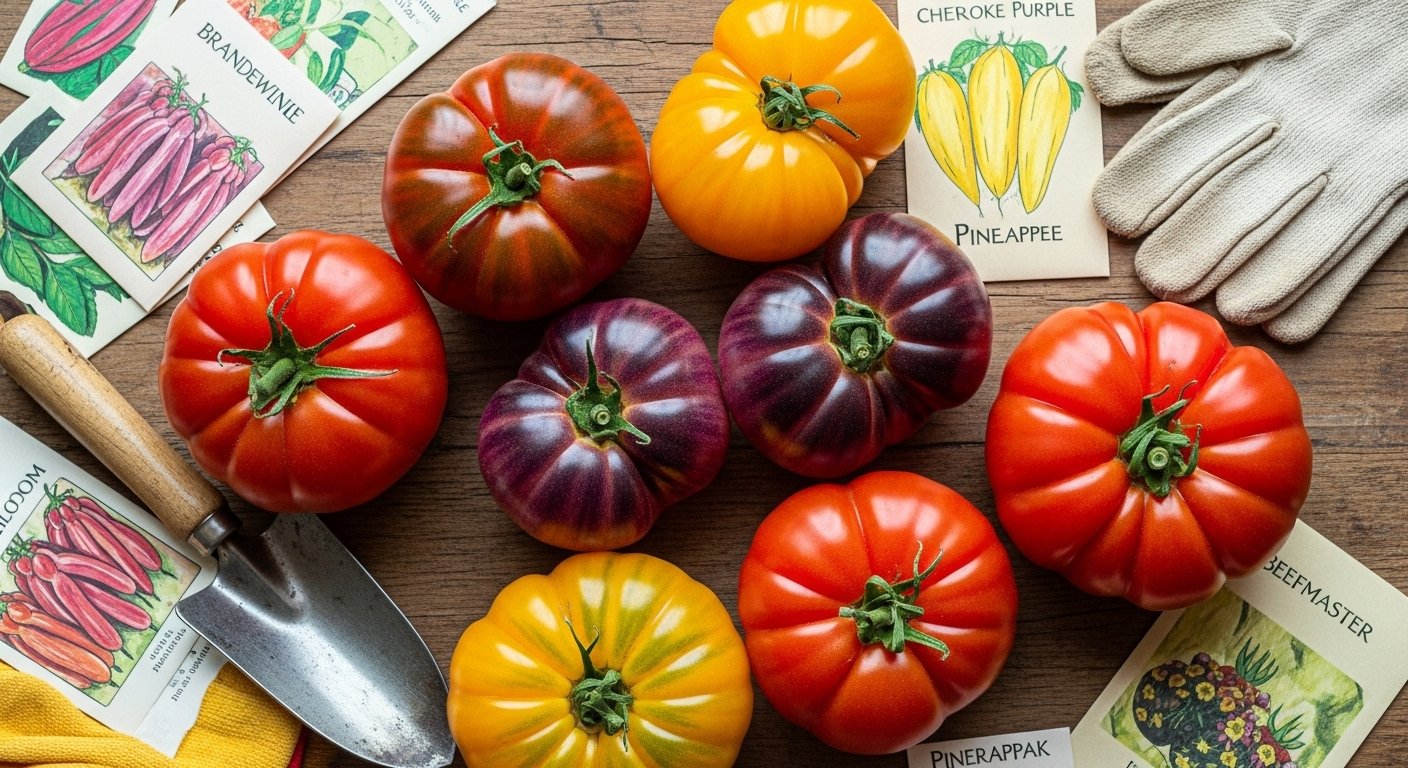
When choosing the right beefsteak tomato variety for your garden, it helps to know there’s more to these tomatoes than just their classic red color and substantial size. Beefsteak types range from deep reds like Brandywine or Big Beef to vibrant yellows (Yellow Brandywine), bold purples (Cherokee Purple), and even unique bicolored options (Pineapple).
Heirloom varieties, such as Mortgage Lifter or Black Krim, are prized for their flavor and tradition, while hybrids like Beefmaster or Celebrity often offer improved disease resistance and higher yields.
When selecting a variety, consider your region’s climate. Gardeners in cooler areas might choose early-maturing types, while those in hot, humid zones should look for heat- and disease-tolerant hybrids. Also, think about what you want from your tomatoes: are you slicing them for sandwiches, canning, or simply enjoying fresh off the vine?
Popular beefsteaks for home gardeners include Brandywine, Big Beef, Cherokee Purple, Beefmaster, and Mortgage Lifter—all excellent options depending on your taste, growing conditions, and gardening goals.
Planting Beefsteak Tomatoes
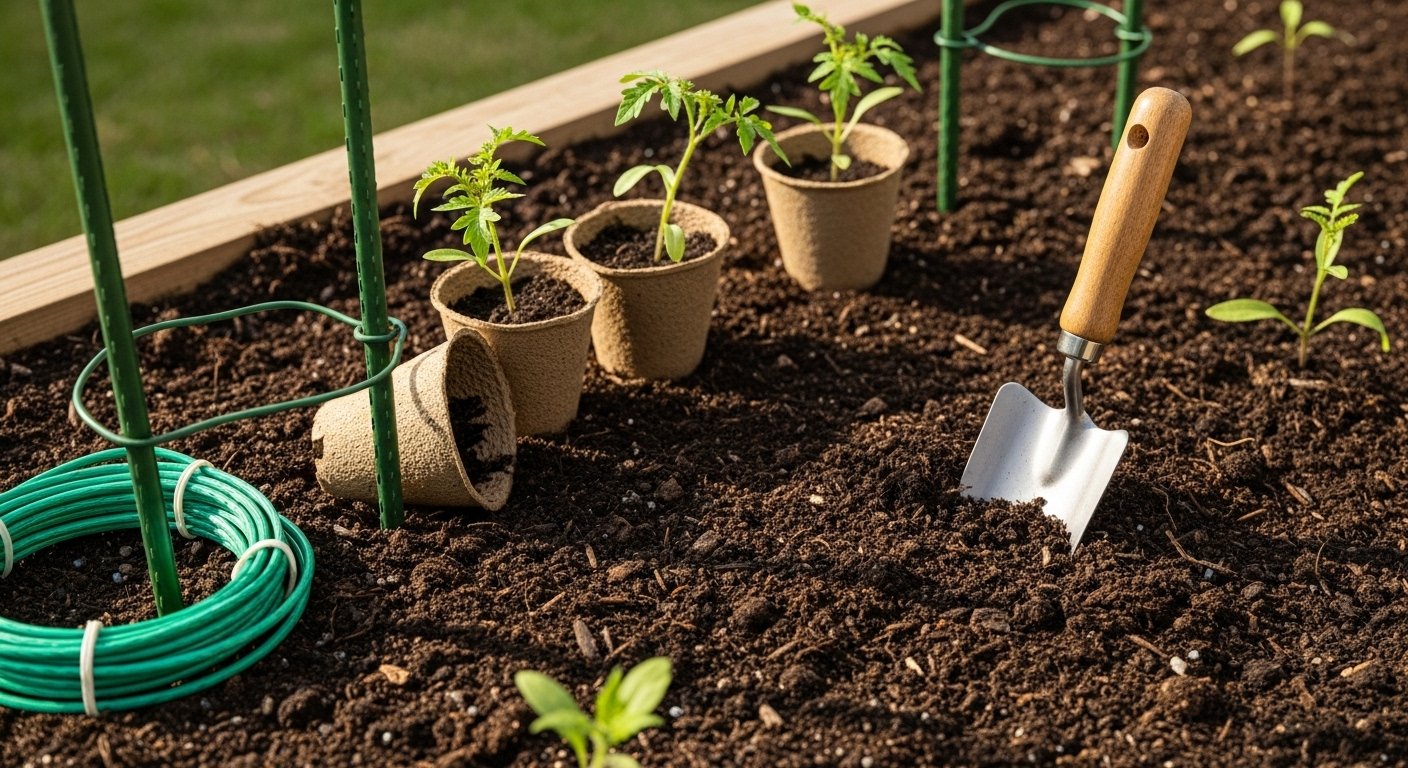
Starting your beefsteak tomatoes off right begins with timing—sow seeds indoors about 6-8 weeks before your area’s last expected frost date, using seed starter mix in small pots or trays. Once your seedlings develop at least two sets of true leaves and nighttime temperatures stay above 50°F, it’s time to transplant them outside.
Prepare a sunny spot in your garden that gets at least six to eight hours of direct light per day, as beefsteaks love warmth and sun. Loosen the soil to a depth of at least 12 inches and mix in plenty of compost or aged manure to ensure rich, well-draining earth.
Space your transplants about 24-36 inches apart to give these sprawling plants room to grow and allow for good air circulation—crucial for preventing disease. When setting out young plants, bury them deeply, covering the stem up to the first set of leaves; this helps them develop strong roots.
If you’re buying seeds, look for reputable brands that list disease resistance and days to maturity. If you opt for seedlings from a nursery, choose robust, green plants with no yellowing leaves or signs of pests.
With the right preparation and care, you’ll set your beefsteak tomatoes up for a bountiful harvest all season long.
Caring for Beefsteak Tomato Plants
Beefsteak tomato plants thrive with consistent care. Start by watering thoroughly about two to three times per week, depending on weather and soil conditions—always aim to keep the soil evenly moist but not soggy.
Applying a balanced, slow-release fertilizer every two to three weeks supports robust growth and bigger fruit, but avoid over-fertilizing, as too much nitrogen can lead to more leaves and fewer tomatoes.
Mulching with straw or shredded leaves around the base helps lock in moisture, stabilize soil temperatures, and keep weeds at bay.
Because beefsteak tomatoes produce large, heavy fruit, staking or trellising is a must. Secure stems gently with ties to sturdy stakes or cages as soon as the plants are about 12 inches tall to prevent breakage.
Regularly pinch off suckers (the little shoots that grow between the main stem and branches) to direct the plant’s energy toward fruit production, but avoid over-pruning, as some leaf canopy protects tomatoes from sunscald.
If you notice yellow leaves, check for overwatering or underfeeding, and address pests like aphids promptly.
Blossom end rot—a sunken, dark spot on the fruit’s bottom—often signals inconsistent watering or low calcium. To prevent it, keep soil moisture steady and consider adding crushed eggshells or an approved calcium supplement to the soil.
With these basics, you’re well on your way to a productive, healthy beefsteak tomato harvest.
Dealing with Pests and Diseases
Beefsteak tomatoes are unfortunately a favorite target for various pests and diseases, including aphids, hornworms, and blight.
Aphids are tiny green insects that cluster on new growth. They can be blasted off with a strong jet of water or controlled using insecticidal soap.
Tomato hornworms—large green caterpillars that quickly devour leaves—are best removed by hand in the early morning or evening when they’re most active. Placing marigolds near your plants can also help deter them.
For fungal issues like blight, which appears as dark spots on leaves and stems, encourage airflow by staking your tomatoes and pruning lower leaves. Avoid overhead watering to minimize moisture on the foliage.
Always rotate crops each season and clear away plant debris to reduce disease risk.
Neem oil or copper-based sprays can be effective organic treatments for both pests and diseases, but be sure to follow all label instructions carefully.
If infestations or infections become severe and natural methods aren’t enough, consider stronger, targeted products like biological fungicides or consult your local extension service for guidance on safe, effective chemical options.
Early detection and consistent care are key to keeping your beefsteak tomatoes healthy and productive.
Harvesting and Using Your Beefsteak Tomatoes
Knowing when to harvest beefsteak tomatoes is key to unlocking their best flavor and texture. Look for fruits that are mostly red, feel slightly firm but yield gently to the touch, and easily twist off the vine—avoid picking them when they’re still hard or mostly green.
Once you’ve gathered your ripe tomatoes, enjoy their juicy goodness fresh on a BLT, sliced into salads, or diced for a chunky salsa. Beefsteaks also shine in homemade sauces—just peel, chop, and simmer with basil and garlic for a robust pasta topping.
Got more tomatoes than you can eat? Store extras at room temperature, out of direct sunlight, for up to a week. If you need longer storage, freeze whole or chopped tomatoes in airtight bags, or preserve them by canning or making tomato sauce for winter use.
A quick tip: never refrigerate fresh tomatoes, as cold temperatures can dull their flavor and make their texture mealy. With these simple methods, you’ll savor your beefsteak bounty well beyond harvest time.
Conclusion & Quick Tips
Growing beefsteak tomatoes successfully comes down to choosing a sunny spot, using well-draining soil, and watering deeply but not too often. Remember to support your plants with sturdy stakes or cages, and regularly pinch off suckers for bigger, healthier fruit.
Beginners can benefit from keeping a simple garden journal to track what works and when to plant or prune; this helps you learn and improve each season. Practice crop rotation to keep soil healthy, and don’t hesitate to share extra tomatoes with neighbors—it’s a great way to make connections.
With a little effort, you’ll enjoy delicious homegrown beefsteaks in no time!