Introduction
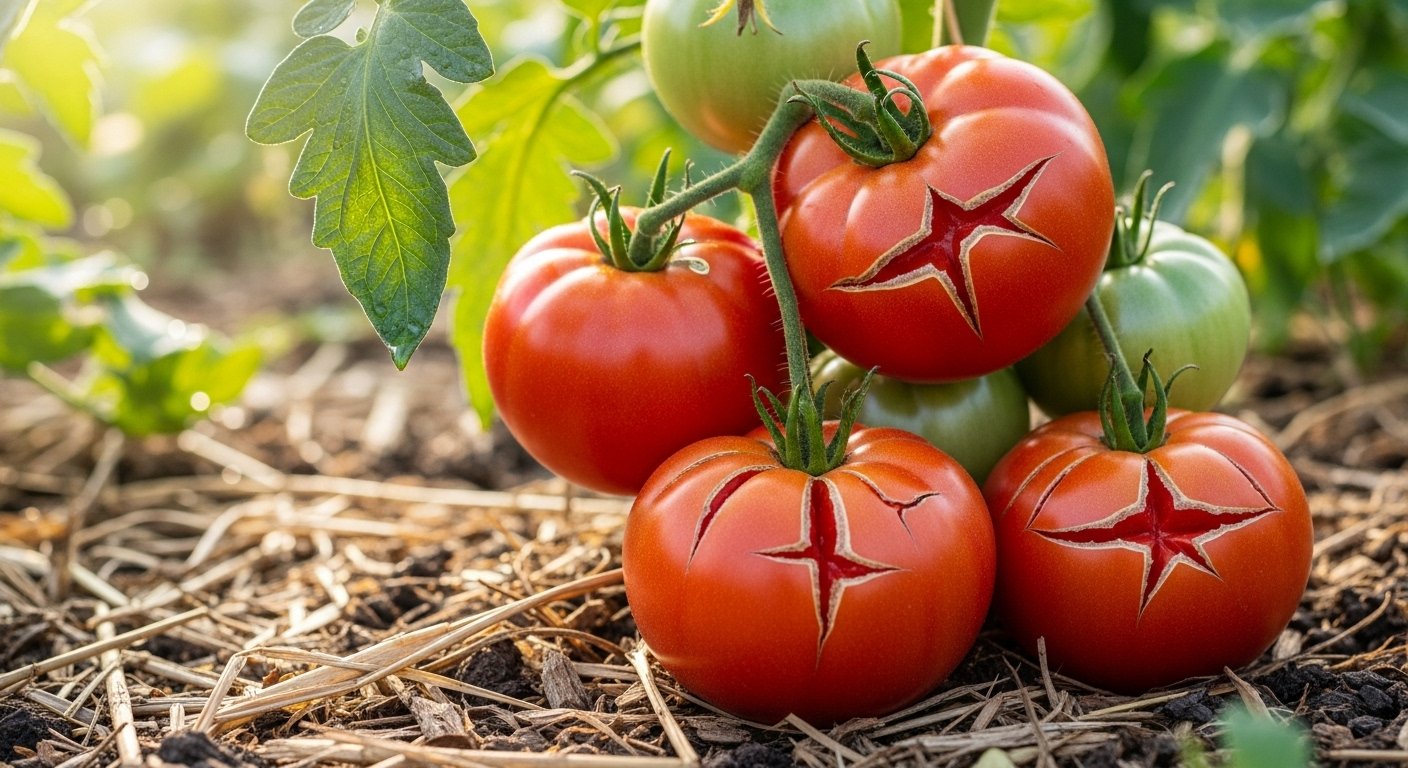
Tomato cracking is a frustrating problem that many home gardeners face, appearing as splits or cracks on the skin of ripening tomatoes. Not only does it make the fruit look less appealing, but it can also lead to spoilage, waste, and increased vulnerability to pests or disease. If you’ve ever gone out to your vegetable patch only to find your ripe tomatoes marred by deep splits, you know how disappointing it can be after all your hard work.
This article will explore the most common causes of tomato cracking—such as inconsistent watering and fluctuating weather—and offer practical prevention tips to help you grow healthy, blemish-free crops. Understanding why splitting happens and how to prevent it can make all the difference, protecting your harvest for meals and sharing with friends. With a few simple strategies, you can encourage your tomato plants to yield their juiciest, most beautiful fruits all season long.
Common Reasons Tomatoes Split
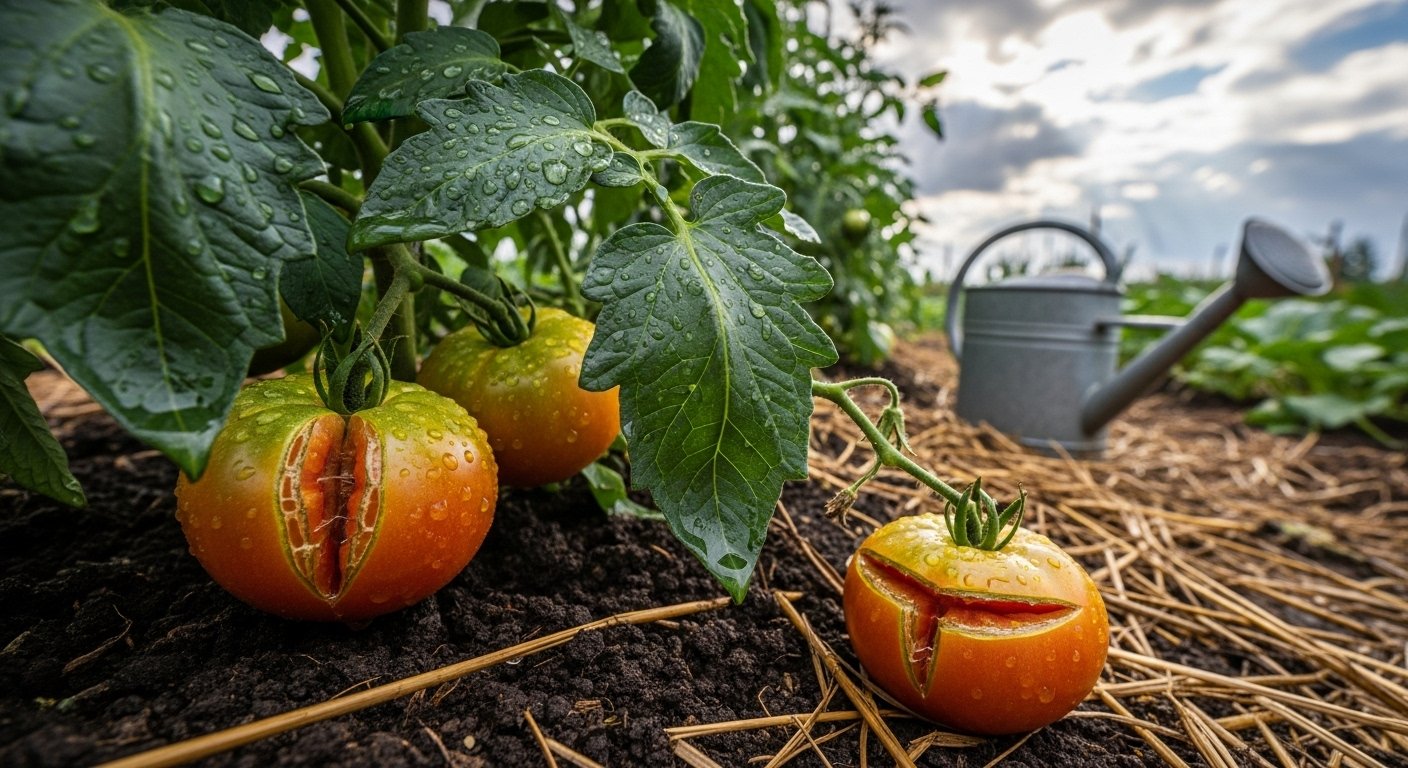
Tomatoes split mainly due to sudden changes in the amount of water they absorb, which often happens after heavy rain or inconsistent watering in the garden. When a tomato plant experiences a dry period followed by heavy watering—whether from rainfall or a big soak—the fruit takes up water quickly and swells faster than its skin can stretch, causing it to crack. This issue is especially common if you forget to water for a few days and then try to make up for it by soaking the soil.
There are two noticeable patterns of splitting:
- Concentric cracks: Circular cracks that form around the stem end of the tomato.
- Radial cracks: Cracks that run up and down from the stem toward the blossom end, like the spokes of a wheel.
Concentric splitting is generally less serious and only affects the surface layer, but radial splitting often goes deeper, making the fruit more vulnerable to rot and insects.
Different types of tomatoes vary in how prone they are to splitting. Thin-skinned heirlooms, prized for their flavor, are much more susceptible than thicker-skinned hybrids. If you grow cherry tomatoes or popular varieties like Brandywine, you may have noticed they crack more easily after a rainy spell or inconsistent watering.
To reduce splitting, try to keep soil moisture steady, mulch around the base of your plants to retain water, and pick ripe tomatoes promptly after rain. If a fruit does split, it’s still edible—just eat it quickly or cut away the damaged part before using it in salads, sauces, or sandwiches.
With a few small changes to your care routine, you’ll see fewer split tomatoes and enjoy better, fresher harvests.
When and How Splitting Happens
Splitting often occurs during specific growth stages, especially as fruits approach maturity and begin ripening. This period is critical because the fruit’s skin can’t always keep up with the rapid expansion happening inside.
The risk of splitting is highest after a dry spell followed by heavy rain or sudden watering—think of tomatoes bursting after a summer thunderstorm, or cherries splitting if there’s a surprise downpour late in the season. Warm days and cool nights, which are common in late spring and early summer, also create stress as fruit cells expand and contract. These fluctuations make the outer skin more likely to crack.
Fruit ripening itself is a delicate time since the fruit softens and sugar levels rise, further weakening the skin’s structure.
Tips for Preventing Splitting
- Keep moisture consistent with deep, regular watering.
- Use mulch to even out soil moisture and temperature swings.
- Harvest ripe fruit promptly after rain, as split fruit left on the plant is more likely to rot or attract pests.
- Monitor weather patterns and pick fruit right before a forecasted rain.
Everyone from backyard gardeners to commercial orchardists can benefit from keeping a watchful eye. Ultimately, understanding when and why splitting occurs makes it easier to prevent and manage this common harvesting headache.
How to Prevent Tomato Splitting
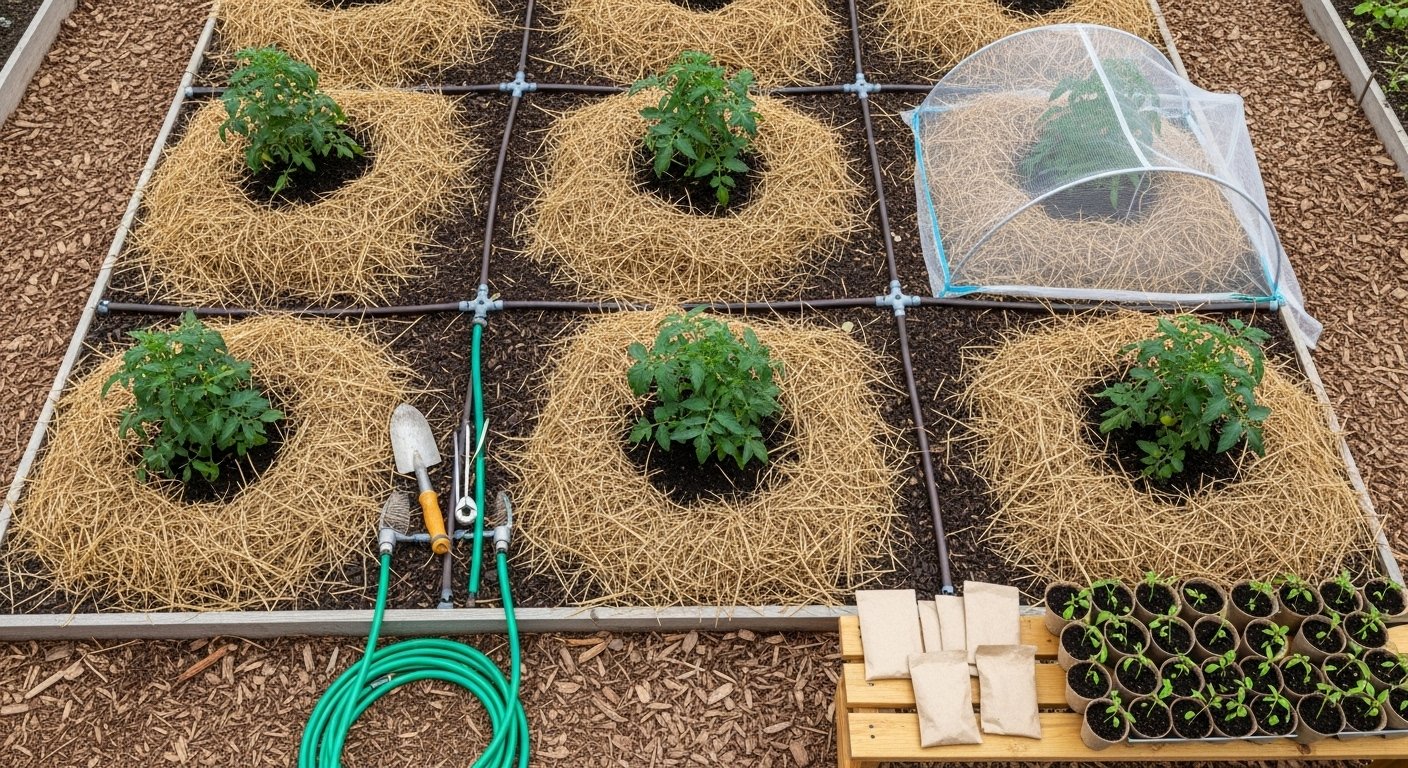
Preventing tomato splitting starts with keeping your plants on a consistent watering schedule, as sudden changes in soil moisture are the main culprit behind cracked fruit. Aim to water your tomatoes deeply—about one to two inches per week—so roots grow strong and stable. Avoid light, frequent watering that only wets the surface, as this encourages shallow roots and less drought resistance.
Mulching with straw, wood chips, or compost helps regulate soil moisture, minimizing fluctuations after rainfall or irrigation. When picking out tomato seeds or seedlings, look for crack-resistant varieties like ‘Juliet,’ ‘Celebrity,’ or ‘Mountain Magic,’ which are bred to withstand the internal pressure that causes splitting.
During heavy rainstorms, shield your plants with row covers or plastic tunnels to limit water saturation, especially if you’re growing tomatoes in containers. Keep a close eye on the forecast—if a big storm is coming, reduce watering beforehand to prevent overhydrating the fruit.
As tomatoes ripen, check them daily and harvest promptly when they develop full color and a slight give; ripe tomatoes left too long on the vine are much more likely to split.
By combining these strategies—steady moisture, mulching, smart variety selection, weather protection, and timely picking—you’ll enjoy a healthier harvest with far fewer split tomatoes.
Other Tomato Problems to Watch Out For
Besides splitting, tomatoes can suffer from a range of issues that affect fruit quality. For example, blossom end rot appears as dark, sunken spots on the bottom of tomatoes and is often caused by uneven watering or a calcium imbalance. Don’t confuse these firm, dark patches with the irregular cracks of splitting.
Sunscald shows up as pale, sunken areas on the side of the fruit exposed to intense sunlight. This is different from cracks, which follow the tomato’s shape. To prevent sunscald, keep plants pruned without overexposing them, and use the leaf canopy to provide shade.
Common pests like tomato hornworms or aphids can leave holes, chew marks, or sticky residue on leaves and fruit. These usually don’t resemble the linear or star-shaped splits caused by other issues.
To protect your plants:
- Water tomatoes consistently and mulch to keep soil moist, which helps prevent both splitting and blossom end rot.
- Provide some afternoon shade if you’re in a very sunny spot to avoid sunscald.
- Inspect your plants regularly for pests, removing them by hand or using safe controls.
Remember, keeping your tomatoes healthy overall—by maintaining good soil, watering on a schedule, and checking for problems—goes a long way toward avoiding many common issues that can look similar but require different fixes.
Conclusion and Quick Recap
Tomato splitting is a common problem caused mainly by irregular watering and sudden changes in moisture levels. These fluctuations cause the fruit’s skin to crack as it tries to grow too quickly. To keep your tomatoes looking and tasting their best, it’s vital to water your plants consistently—about an inch a week, increasing during hot spells—and mulch to help retain soil moisture.
Checking your plants daily and picking ripe fruits promptly can prevent small splits from turning into major issues. Simple routines like watering in the morning and using a drip hose or soaker hose can make all the difference. By catching problems early and maintaining steady care, you’ll enjoy a harvest of plumper, healthier tomatoes all season long.
Remember, a little attention each day goes a long way in preventing splits and keeping your tomatoes blemish-free for salads, sauces, and snacks.