Introduction
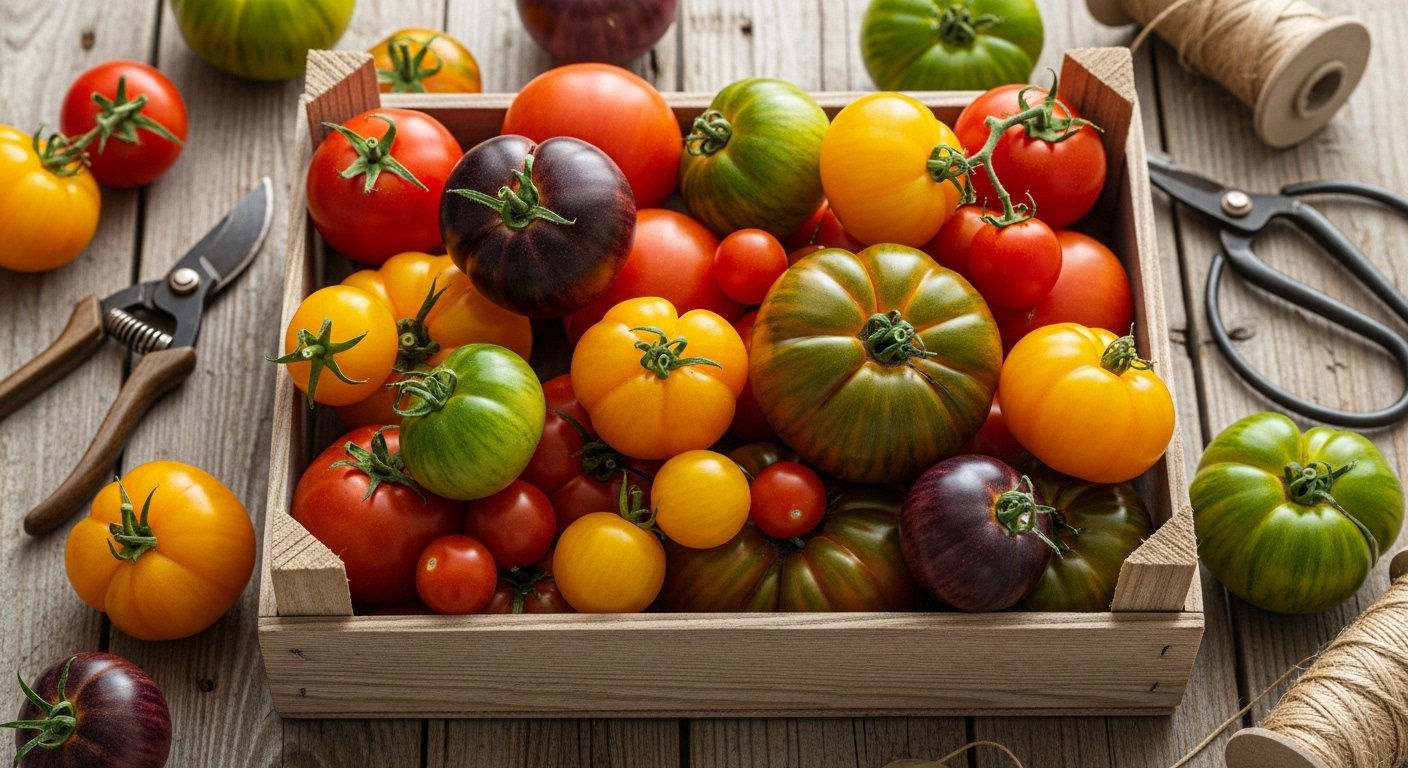
Commercial tomato growing has become an exciting opportunity for farmers and gardeners looking to meet the demand for fresh, unique produce. One standout in this field is heirloom tomatoes—vibrant, flavorful varieties passed down through generations and prized for their rich taste and appealing colors. Unlike common grocery store options, heirlooms offer a rainbow of shapes and flavors that attract customers at farmers’ markets and Community Supported Agriculture (CSA) programs.
For small-scale growers, these tomatoes aren’t just delicious; they also present a real chance to boost income, especially when you find a niche for rare or specialty varieties in your local community. Many small farmers have succeeded by offering flavorful heirloom tomatoes that stand out from mass-produced options, leveraging their distinct stories and appeal to enhance market offerings.
In this article, you’ll discover the basics of commercial tomato growing with a special focus on heirloom types. We’ll share practical gardening techniques, insights into choosing the right varieties, tips for pest management, and marketing ideas tailored to small-scale operations. Whether you’re just exploring the idea of selling your tomatoes or looking to sharpen your skills, this guide will point you toward satisfying harvests and rewarding sales.
Understanding Heirloom Tomatoes
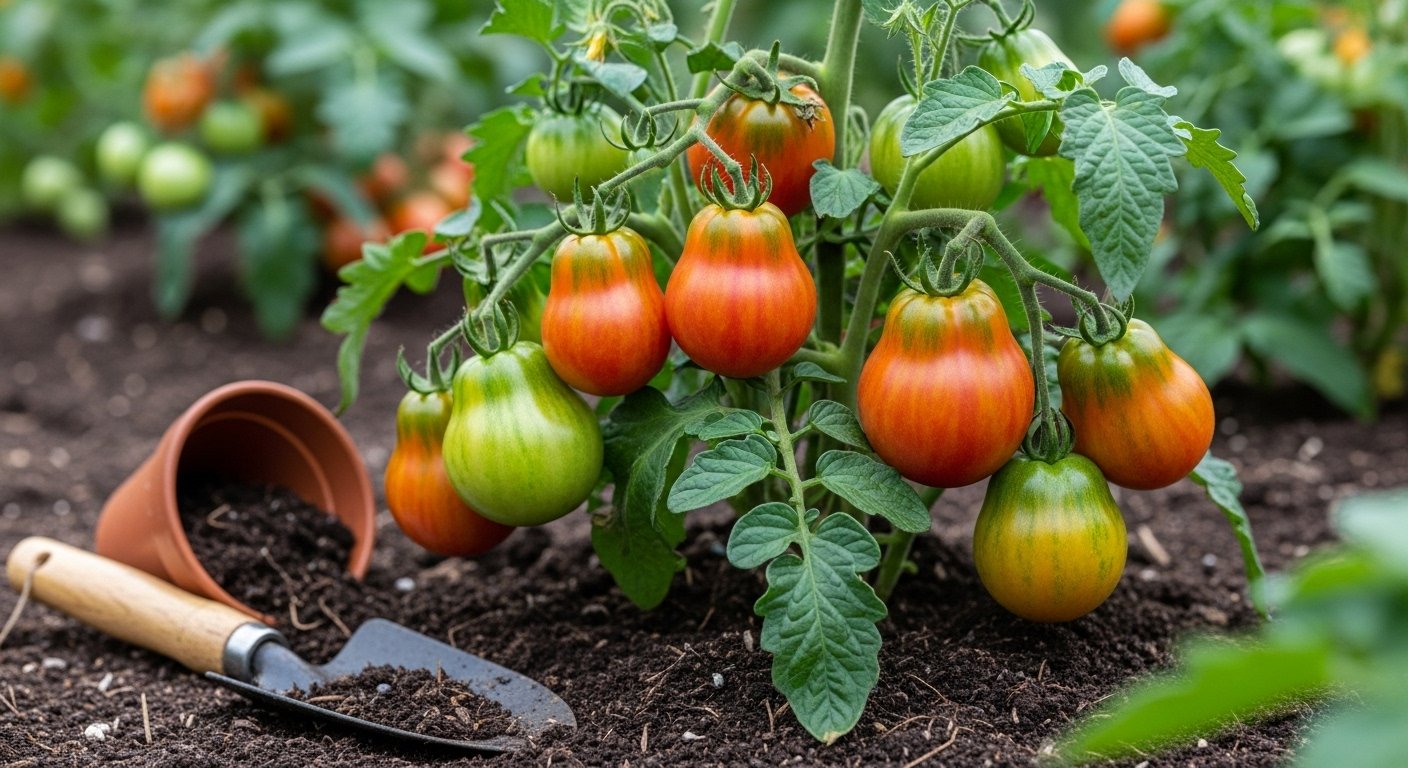
Heirloom tomatoes are a special variety prized for their rich, complex flavors and striking appearance, distinctly different from the uniform, widely sold hybrid tomatoes found in most grocery stores. Unlike hybrids, which are bred for traits like long shelf life and transport resilience, heirlooms are open-pollinated plants passed down through generations, often preserved within families or communities.
This heritage means heirloom tomatoes come in an astonishing array of colors—think deep purples, sunny yellows, vibrant greens, and even striped or speckled varieties—and a playful mix of shapes, from lumpy and ribbed to petite and pear-shaped.
Their flavors are equally unique, ranging from sweet and fruity to earthy and tangy, making them a favorite ingredient for creative chefs and home cooks alike. At farmers’ markets, you’ll notice heirloom tomatoes attracting crowds of shoppers eager for that garden-fresh taste and visual appeal that can elevate even a simple salad.
Many home gardeners also choose heirlooms for their superior taste and the satisfaction of growing something truly authentic and full of character—often sharing seeds with friends to keep these treasured varieties alive. If you’re hunting for something that transcends the ordinary tomato experience, heirlooms are the way to go.
Ideal Growing Conditions for Heirloom Tomatoes
Heirloom tomatoes thrive when given a strong foundation, starting with well-prepared soil. Aim for a loamy, rich soil that drains well—sandy loam is often ideal. Before planting, test your soil’s pH; tomatoes prefer a range of 6.0 to 6.8. You can use an at-home soil test kit or send a sample to a local cooperative extension for a more comprehensive analysis.
Once you know your soil’s composition, amend it with organic matter like well-rotted compost or aged manure to boost nutrients and improve structure. In compacted or clay-heavy soils, adding coarse sand or perlite can help with drainage. Heirloom tomatoes need full sun, so choose a spot that gets at least six to eight hours of direct sunlight daily.
Consistent watering is crucial too—try to provide about 1 to 1.5 inches of water per week, keeping the soil evenly moist but never soggy. Mulching with straw or shredded leaves helps retain moisture, suppress weeds, and prevent soil-borne diseases from splashing onto the plants.
Climate plays a vital role: heirloom tomatoes do best in warm conditions, with daytime temperatures ideally ranging from 70°F to 85°F (21°C to 29°C). If your area has cold springs, start seeds indoors six to eight weeks before your last frost, and transplant them only when nighttime temperatures stay above 50°F (10°C). In hot climates, providing afternoon shade or using shade cloth can protect plants from heat stress.
Ultimately, timing is key—plant out after the danger of frost has passed and the soil has warmed up, typically when it feels comfortably warm to the touch. By prioritizing healthy soil, ample sunlight, careful watering, and appropriate timing, you set up your heirloom tomatoes for maximum flavor and bountiful harvests.
Tips for Successfully Growing Heirloom Tomatoes
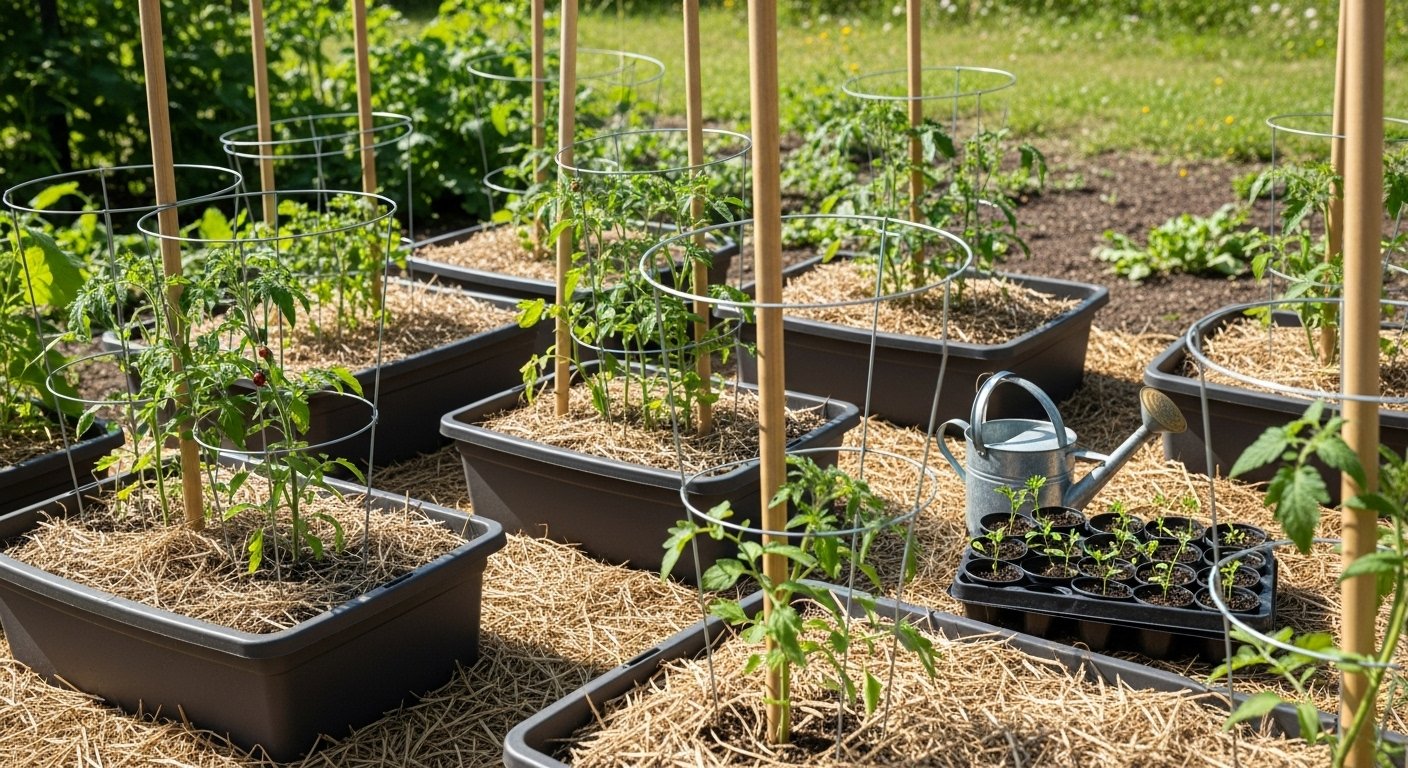
Successfully growing heirloom tomatoes starts with thoughtful preparation, especially when starting seeds indoors. Use a quality seed-starting mix and plant seeds about a quarter-inch deep, keeping the soil consistently moist and warm—ideally between 70-80°F.
Once seedlings develop two sets of true leaves, transplant them into larger containers. Harden them off for a week, then move them outdoors after the last frost. Space plants 18 to 36 inches apart to give them plenty of airflow, which helps deter disease.
Support is key; use sturdy cages or stakes to keep vines upright and fruit off the ground, making harvesting easier and reducing the risk of rot. When plants grow tall, pinch off suckers (small shoots sprouting between the main stem and branches) to direct energy into fewer, stronger stems and larger fruits.
Heirloom tomatoes are prone to pests like aphids, hornworms, and whiteflies, as well as diseases such as blight and wilt. Combat these naturally by encouraging beneficial insects like ladybugs, using neem oil sprays, and rotating crops each year. Mulching with straw can also help retain moisture and keep soil-borne diseases from splashing up.
For robust growth, feed your tomatoes with an organic tomato fertilizer high in phosphorus and potassium, avoiding too much nitrogen, which leads to leafy growth at the expense of fruit. Side-dress plants with compost or a slow-release granular fertilizer at planting and then again when flowers appear. Water deeply once or twice a week rather than shallow daily watering.
By staying attentive to your plants’ needs and practicing these organic methods, you’ll set yourself up for a delicious, bountiful heirloom tomato harvest.
Maximizing Your Harvest
To maximize your harvest and ensure top-notch fruit quality, start by giving your plants what they need: plenty of sunlight, well-draining soil, and regular watering. Use organic matter like compost to enrich the soil, and don’t skip mulching, as it retains moisture and suppresses weeds.
Pruning is another critical step—removing weak or overcrowded branches lets your fruit tree put energy into producing bigger, tastier fruit. Pay attention to pollination; if your yields are low, consider planting a pollinator-friendly garden or even hand-pollinating blossoms with a small paintbrush.
Timing is everything when harvesting: pick fruit in the cool of the morning and use gentle hands or pruners to avoid bruising. Don’t wait for every single fruit to ripen at once—harvest when each piece is fully colored and just slightly soft to the touch. For example, tomatoes and peaches thrive with a bit of ripening off the vine, while strawberries and grapes should be picked fully ripe.
To extend your growing season, try season extenders like row covers, cold frames, or even simple homemade cloches made from recycled bottles. Succession planting—sowing new batches every couple of weeks—keeps your garden productive. If space allows, try growing late-season or cold-tolerant varieties and bring vulnerable potted plants indoors when temperatures drop.
With these methods, your harvests will be bigger, better, and more consistent throughout the season.
How to Market and Sell Heirloom Tomatoes
Successfully marketing and selling heirloom tomatoes starts with choosing the right sales channels to reach your ideal customers. Farmers’ markets are an excellent option because they attract shoppers who appreciate unique, high-quality produce and value meeting local growers face-to-face.
Display your tomatoes in rustic baskets or wooden crates, and offer samples to highlight their flavor. Restaurants, especially those with a farm-to-table focus, love sourcing heirlooms for their color and taste diversity—build relationships with chefs by delivering samples and being consistent with your supply and communication.
Community Supported Agriculture (CSA) boxes provide another strong channel, as members enjoy discovering special varieties; include recipe cards to inspire usage and increase appreciation.
For direct sales, using an on-farm stand or a simple online platform can help reach local customers looking for freshness and variety.
Pricing Strategies
In terms of pricing, research what other sellers charge for premium tomatoes—typically $4–$8 per pound—and highlight qualities like organic practices or rare varieties to justify the price. Mix bulk discounts, bundle deals, or multi-variety packs to appeal to both value seekers and adventurous eaters.
Marketing Tips
Marketing goes beyond price; share the story behind your tomatoes—how their seeds are passed down, why each variety is special, and your own growing journey. Use signage and produce tags that include quirky names and origin stories to make them memorable.
Engage customers on social media with updates on ripening, recipe ideas, and farm happenings to keep them invested. Consider loyalty incentives, such as a discount after multiple purchases or a free pound after a certain spend, to turn casual shoppers into devoted fans.
By combining these sales channels, smart pricing, and creative, personal storytelling, you’ll build a dedicated customer base that values the unique character of heirloom tomatoes.
Profit Potential and Key Financial Considerations
Heirloom tomatoes can offer attractive profit potential for small-scale growers, often fetching $3 to $5 per pound at farmers markets or specialty grocers, compared to $1 to $2 per pound for standard varieties. Yields vary by region and growing conditions, but a healthy plant can typically produce 10 to 20 pounds per season. This means a small plot of 100 plants could generate $3,000 to $10,000 in gross sales.
However, expenses can add up quickly—seeds or seedlings, soil amendments, stakes or cages, irrigation, pest control, and labor are just a few of the recurring costs. To save money, consider starting plants from seed, using homemade compost, and reusing support materials year after year.
Risk management is crucial: weather fluctuations, pests, and plant diseases can all impact production. Diversifying your crop or investing in season extension tools, like row covers, can help mitigate these risks.
Importantly, profit margins depend on selling directly to consumers and minimizing waste. Under favorable conditions, it’s realistic to expect net profits of 30% to 50%. However, beginners should anticipate modest earnings in their first season. Focus on building local demand and refining your growing techniques to gradually improve returns year over year.
Frequently Asked Questions About Growing Heirloom Tomatoes
A common question from new gardeners is whether you can save seeds from heirloom tomatoes and use them next year. The answer is yes—heirlooms are open-pollinated, meaning their seeds will usually produce plants true to type, unlike many hybrids.
To save seeds, simply scoop them from a ripe tomato, ferment them in water for a few days to remove the gel coating, rinse, and dry them thoroughly before storing in a cool, dry place.
Another frequent concern is whether growing heirloom tomatoes is harder than hybrids. While heirlooms can be more susceptible to diseases, they offer unbeatable flavor and a fascinating variety of shapes and colors. Staying vigilant about watering, rotating crops, and removing diseased foliage can help keep plants healthy.
Lastly, many beginners worry about tomatoes splitting or cracking on the vine. This often happens after inconsistent watering or heavy rainfall. To prevent it, aim to water regularly and deeply, helping soil retain even moisture—mulching around plants can make a big difference.
By addressing these common beginner issues, you’ll be well on your way to a rewarding heirloom tomato harvest.
Conclusion
Starting your journey as an heirloom tomato grower is both rewarding and flavorful—literally! Remember to pick varieties suited to your climate, start seeds early, and give your plants plenty of sunshine and support. While pests and funky weather can be challenges, consistent care and observation go a long way.
Don’t be afraid to experiment: try new varieties, test different soil mixes, or tweak your watering routine until you find what works best in your garden. If you’re considering selling your harvest, start small with local farmers’ markets or neighborhood swaps to learn what your customers love.
Most importantly, have fun and enjoy the process—including all the inevitable, quirky surprises that come with growing heirloom tomatoes. For more tips and expert advice, check out local gardening clubs, extension office workshops, or online forums like TomatoVille. Every season brings new lessons—so keep learning, tasting, and sharing the joy of heirloom tomatoes!