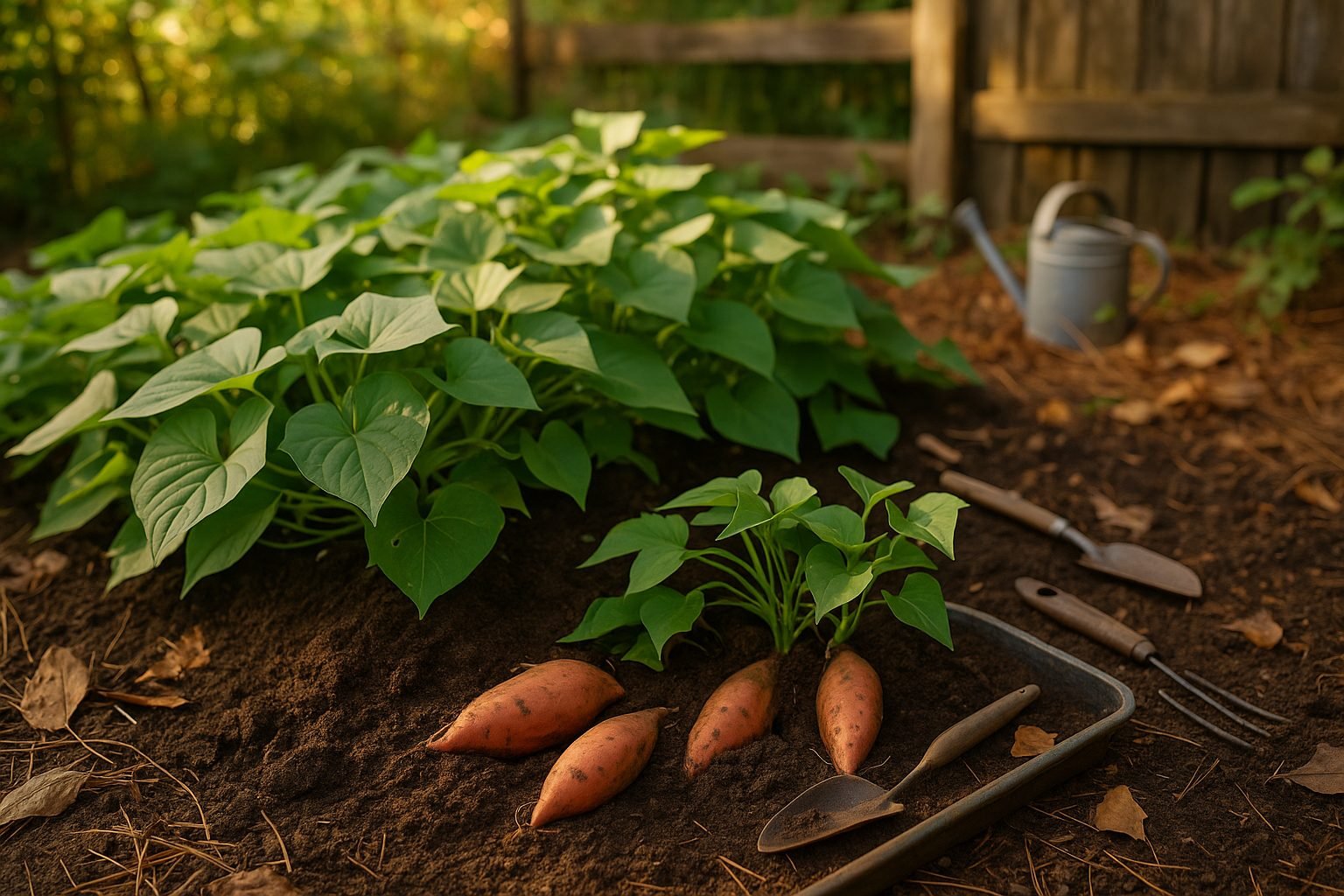
Common Garden Animals That Eat Sweet Potato
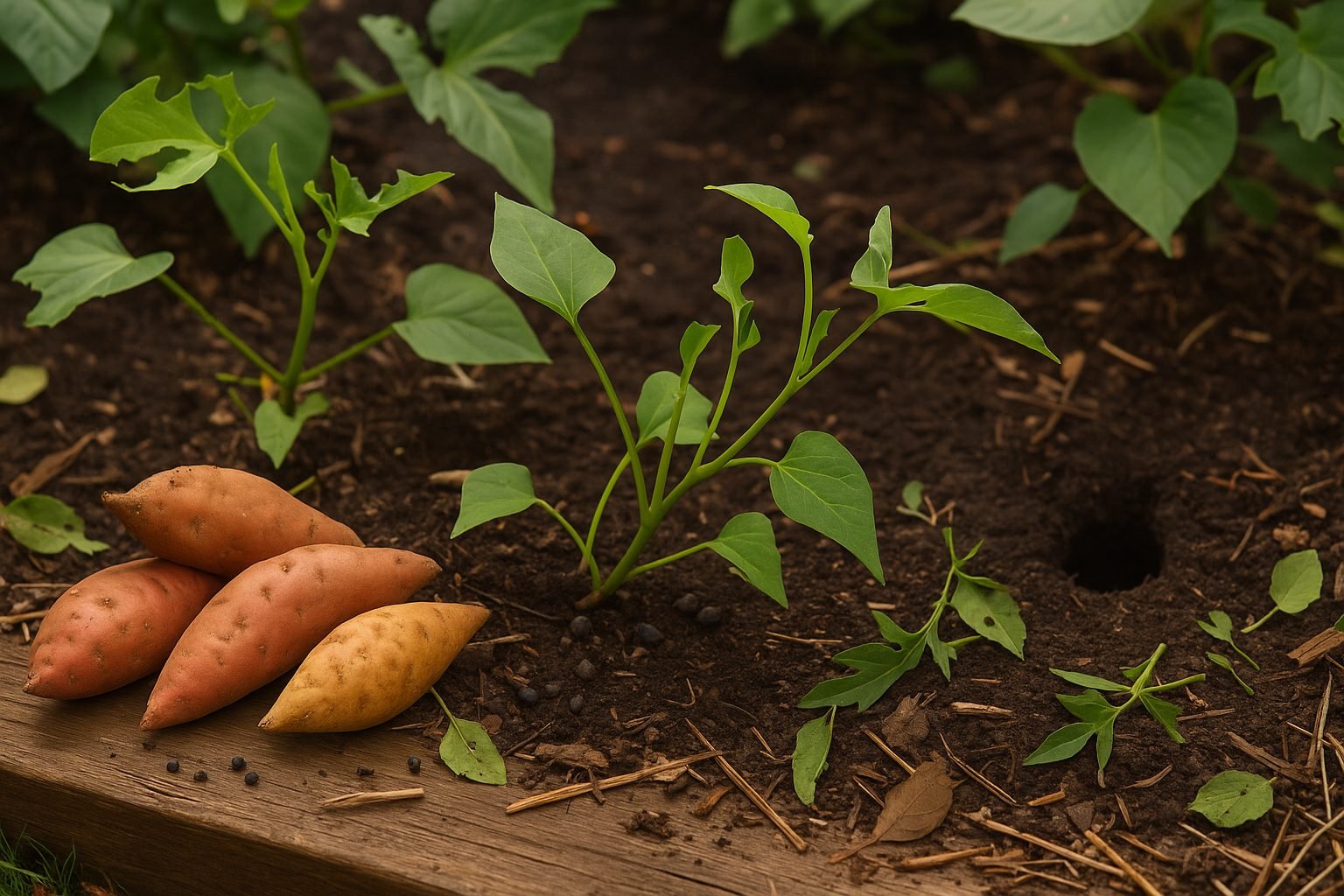
If you’re a gardener wondering, “do deer eat sweet potatoes?” the short answer is yes—deer, along with several other common garden animals, can’t resist snacking on your sweet potato plants. Deer are known for nibbling on the tender leaves and vines, especially when other food sources run low, often leaving ragged edges on foliage and trampled soil as telltale signs of their visit.
But they’re not the only culprits in your garden. Rabbits delight in munching both the leafy tops and young stems, typically leaving smooth, clean cuts on the plants. Groundhogs are more thorough, sometimes devouring the leaves and even going after the tubers, and will often leave wide, clear trails or holes as they burrow nearby.
Voles, those small rodent invaders, primarily target the underground sweet potato tubers, causing sudden wilted vines when they gnaw away roots beneath the soil’s surface. Insects like sweet potato weevils and beetles can also cause noticeable damage; look for chewed holes in leaves and scarring on tubers.
Footprints, droppings, and partially gnawed vegetables serve as additional clues to help you pinpoint which animals are treating your garden as a buffet. Ultimately, protecting your sweet potato crop means staying alert for these different signs—whether it’s missing leaves, damaged vines, or bitten-off tubers—and understanding which animals prefer which parts. That way, you’ll be one step ahead in keeping your harvest safe.
Beneficial Animals and Ecosystem Roles
While it can be frustrating to spot signs of nibbling on your sweet potato vines, many of the animals that occasionally snack on these plants also play crucial roles in maintaining a healthy garden ecosystem. For example, ground beetles and ladybugs may be seen on sweet potatoes—though they might chew a bit, their real value lies in preying on pests like aphids, cutworms, and caterpillars that can cause much more damage.
Birds such as robins, sparrows, and blue jays may be drawn to the garden for sweet potatoes or their vines, but they also act as natural pest controllers, feeding on insects that infest your crops. Small mammals like rabbits or chipmunks might nibble on leaves or roots, yet their presence supports a diverse web of life by attracting predatory birds and contributing to seed dispersal.
Although these visitors may eat some plant material, their positive impact on pollination and pest management can lead to stronger, more resilient plants over time. To maintain a healthy balance, consider using barriers like mesh or fencing sparingly, and provide alternative food sources, such as bird feeders, to distract animals from your sweet potatoes.
Observing your garden as a shared habitat encourages a dynamic balance where minor crop losses are offset by healthier soil, reduced pest outbreaks, and increased pollination. Ultimately, fostering these beneficial animals—while keeping occasional feeding in check—can transform your garden into a thriving, self-sustaining ecosystem.
Protecting Sweet Potato from Herbivore Damage
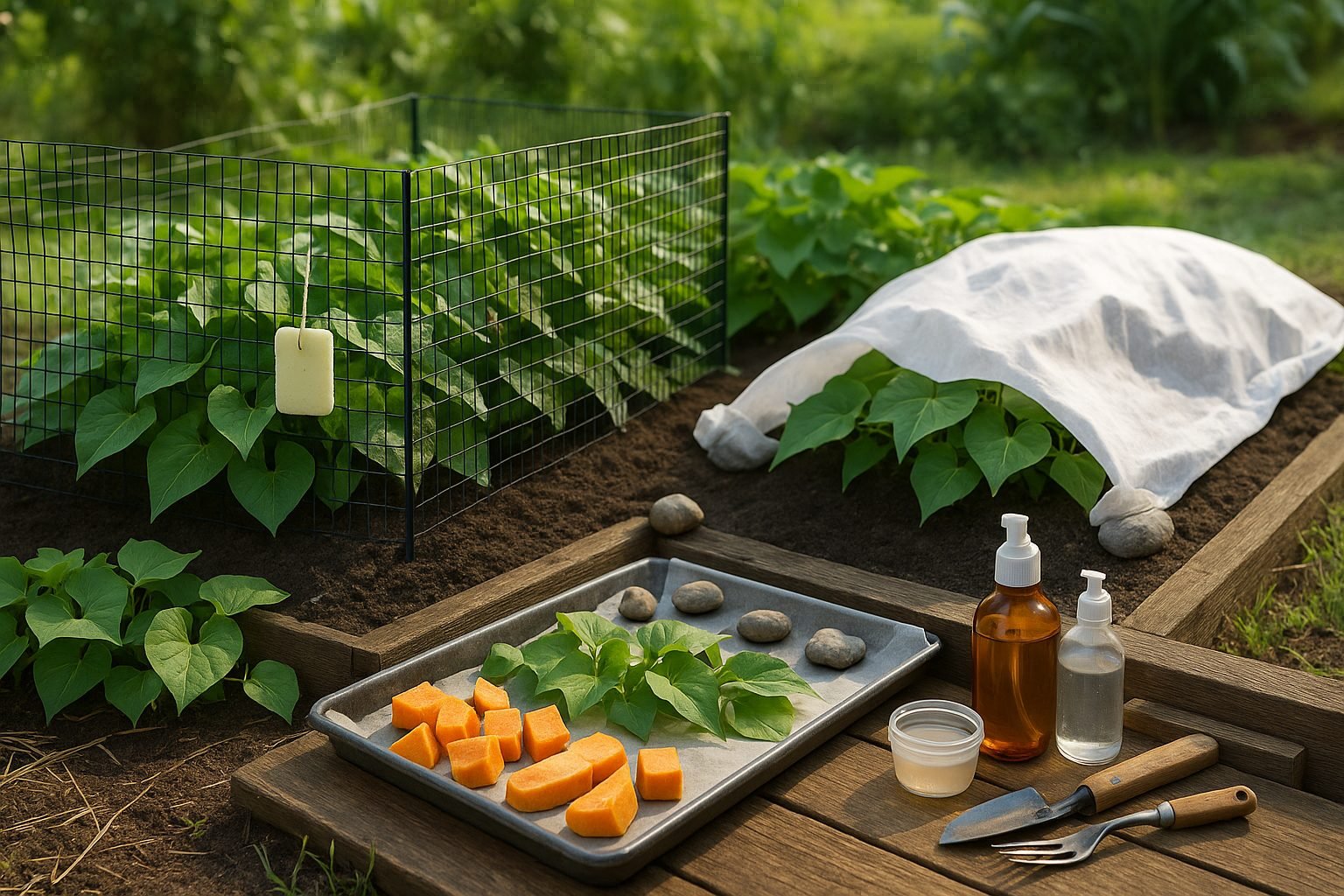
Protecting sweet potato crops from hungry herbivores like deer, rabbits, and voles requires a blend of proactive measures and gentle deterrents that keep both the plants and local wildlife safe.
Start by installing sturdy fencing at least three feet high around your sweet potato patch; for burrowing invaders like groundhogs or rabbits, bury the bottom of the fence about a foot underground.
Lightweight row covers placed directly over the crops create a barrier against insects and small mammals while still letting sunlight and rain through—just remember to secure the edges so nimble creatures don’t sneak underneath.
Spraying homemade deterrents, such as a mix of garlic, hot pepper, or even diluted vinegar, can make the leaves less appetizing without harming your plants or the environment.
Natural repellents like human hair, predator urine granules, or bars of strong-smelling soap hung around the garden edges can also discourage browsers, but you’ll need to reapply these after rainfall.
For a humane approach, consider motion-activated sprinklers that startle and gently deter animals without causing harm.
If animal pressure is persistent, place safe live-catch traps for small rodents—but check them frequently and release captured wildlife far from your garden.
Regularly monitor your garden for signs of digging, nibbled leaves, or droppings, and adjust your strategies as needed throughout the growing season. Mark new damage on a calendar or map to spot activity patterns and plan your interventions more effectively.
Combining these methods lets you protect your sweet potatoes while preserving harmony with the surrounding ecosystem.
Seasonal Considerations
Animal pressure on sweet potatoes changes significantly throughout the year, often peaking during dry seasons or when alternative food sources are scarce. For example, deer, rabbits, and rodents may leave your crop alone in spring when wild vegetation is abundant. But as summer dries up native plants or in fall when wild food dwindles, they’re much more likely to invade fields or gardens.
The most vulnerable period for sweet potatoes is right after planting, when young shoots and tender leaves are easy targets for hungry animals. Tubers close to harvest are also at risk, since animals catch the scent of maturing roots and dig them up for an easy meal. Extra protection—like sturdy fencing or row covers—is especially important during these high-pressure times.
Seasonal weather shifts, like droughts, make things trickier. Dry conditions drive animals toward cultivated crops, while heavy rains can reduce animal movement but also stress plants and make them more susceptible to damage. Staying alert to these patterns and adapting your protection measures—maybe upping repellents in late summer or patching fence gaps after storms—can help safeguard your sweet potatoes through the changing seasons.
Toxicity and Safety
Sweet potatoes (Ipomoea batatas) are generally safe for humans and many animals, but it’s important to know which parts of the plant are safe and which can pose risks. The fleshy tuber—the sweet potato itself—is safe and even nutritious for people, dogs, and some wildlife, as long as it’s cooked and served plain.
However, the leaves are edible for humans and many herbivores but can cause digestive discomfort if eaten in large amounts raw. Cooking the leaves makes them safer to consume.
The real risk comes from the stems and vines, especially for cats, dogs, horses, and livestock. These parts of the plant can contain compounds called glycosides and alkaloids, which may cause mild to severe gastrointestinal distress, hallucinations, or even more serious symptoms like seizures if ingested in large quantities.
As a rule, never allow pets or grazing animals to munch on sweet potato vines used as ornamental plants (often related Ipomoea species, not true sweet potatoes), as these can be more toxic than the edible crop.
To keep pets and beneficial wildlife safe:
- Fence off sweet potato growing areas or use raised beds to keep animals out.
- Always clean up any fallen or trimmed leaves, stems, or vines promptly.
- Supervise pets when they’re outside, especially curious puppies and cats.
- Teach children not to sample any garden plant parts without adult approval.
In case of accidental ingestion, contact your veterinarian or local poison control immediately, as prompt action can prevent serious illness. Like with any garden plant, thoughtful placement and supervision help everyone—including local wildlife—coexist safely with your homegrown sweet potatoes.
Sweet Potato Vine Care and Additional Resources
Caring for sweet potato vines means paying attention to their growth and protecting them from common pests like aphids, whiteflies, and flea beetles. Regularly inspect the undersides of leaves for insects or eggs—early detection is key to preventing infestations.
Encourage natural predators in your garden, such as ladybugs and lacewings, and minimize the use of broad-spectrum pesticides to protect these helpful allies. Pruning your vines improves airflow and makes it easier to spot any problems early on.
If you notice minor pest issues, a strong spray of water or an application of insecticidal soap can keep populations in check without harming pollinators or beneficial insects. For long-term success, adopt integrated pest management (IPM) practices, which combine cultural, mechanical, and biological methods to reduce pests while minimizing chemical use.
Always rotate your crops each year to discourage soil-borne diseases and keep your sweet potatoes healthy. If you ever feel unsure, tap into trusted sources for advice—your local cooperative extension service is a great starting point for region-specific tips. Reputable gardening organizations like the National Gardening Association or university horticulture sites also offer reliable pest-management guides and troubleshooting articles.
With the right care and a little research, you can enjoy lush, productive sweet potato vines all season long.