What Makes a Sweet Potato Unique?
When it comes to growing your own delicious tubers, choosing the best sweet potato varieties can make all the difference in your garden’s success and on your dinner plate. Sweet potatoes (Ipomoea batatas) are warm-season root vegetables prized for their vibrant orange flesh and sweet, earthy flavor.
Unlike regular potatoes, which belong to the nightshade family (Solanaceae), sweet potatoes are part of the morning glory family (Convolvulaceae), making them botanically distinct. This difference impacts everything from growing requirements to taste and culinary uses.
Sweet potatoes are nutritional powerhouses, packed with beta-carotene (a form of vitamin A), vitamin C, dietary fiber, and potent antioxidants that support immune health, vision, and digestion. Just one cup can provide several times your daily need for vitamin A while delivering a natural sweetness and creamy texture.
Many people confuse sweet potatoes with yams, but the two aren’t even close cousins. Yams are starchy tubers native to Africa and Asia, with rough, dark skin and pale, dry flesh; sweet potatoes, on the other hand, have smoother skins and sweet, moist interiors. In North American markets, what’s labeled as “yams” is almost always sweet potatoes—true yams are rarely found in grocery stores.
Understanding these differences not only helps you pick the right plant for your garden, but also ensures you enjoy the unique health benefits and flavors that make sweet potatoes such a standout crop for home gardeners.
Sweet Potatoes vs. Yams: Clearing Up the Confusion
Despite being used interchangeably in recipes and at grocery stores, sweet potatoes and yams are actually two different root vegetables with distinct origins, appearances, and flavors.
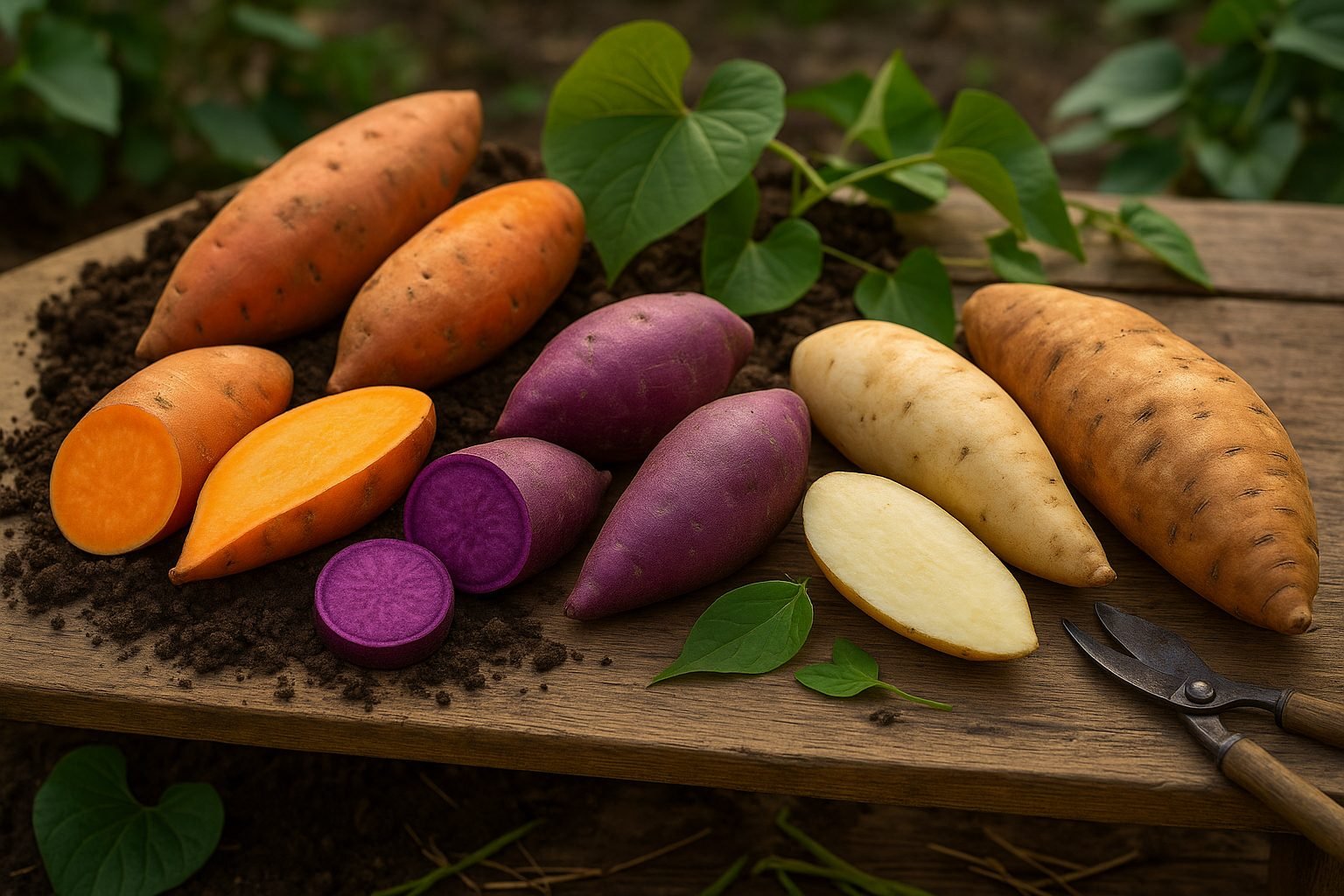
Sweet potatoes, native to Central and South America, come in a range of skin colors—from tan to orange to purple—with flesh that is typically orange, creamy, and sweet. You’ll often find two common types in stores:
- One with pale yellow flesh and thin skin
- The other with deep orange flesh and coppery skin
Both are sweet potatoes, even though the latter is frequently labeled as a “yam” in the U.S.
True yams, on the other hand, originate from Africa and Asia. They have rough, bark-like brown or whitish skin, starchy white or purple flesh, and a much drier, less sweet taste—more similar to a regular potato.
The confusion largely stems from marketing practices going back centuries. When orange-fleshed sweet potatoes were introduced in the U.S., producers called them “yams” to differentiate them from the paler variety, and the name stuck.
In most American supermarkets, what you see labeled as “yams” are almost always sweet potatoes. To tell the difference while shopping, check the skin:
- Sweet potatoes have thinner, smoother skins and rich orange or pale flesh
- True yams are larger, cylindrical, and have tough, almost hairy skin
If you’re seeking authentic yams, try local African, Caribbean, or Asian markets, and always read the labels carefully. But when in doubt, remember that the sweet, moist orange tubers at your regular grocery store are sweet potatoes, not yams.
Popular Sweet Potato Varieties and Their Characteristics
Sweet potatoes come in a surprising range of varieties, each bringing its own color, flavor, and texture to your plate.
Beauregard is one of the most popular in the U.S., with reddish-brown skin, bright orange flesh, and a moist, sweet flavor perfect for casseroles and baking. Jewel is often confused with Beauregard, but its copper-colored skin and deep orange flesh are a bit milder, making it ideal for mashing and roasting. Garnet sweet potatoes sport dark red skin with vibrant orange flesh; their intense sweetness and creamy texture shine in pies and desserts.
For a twist, try the Hannah, which has tan skin and pale yellow flesh that turns golden when cooked; its mildly sweet, drier texture is great for fries or gratins. Purple sweet potatoes, including Okinawa and Molokai varieties, stun with their deeply purple flesh and skin, offering a mild, slightly wine-like sweetness. Use them for visually striking chips, baked goods, or even ice cream.
Japanese varieties like Satsuma-Imo feature pinkish-purple skin and pale yellow flesh, and are well-loved for their dense, chestnut-like sweetness—making them a favorite for roasting or tempura in traditional Japanese cooking. The White sweet potato, sometimes called “boniato,” has white skin and flesh with a subtle flavor and fluffier texture, perfect for savory dishes or adding variety to mash.
Don’t overlook lesser-known types like the Hawaiian sweet potato, which boasts vivid purple flesh and is a staple in Hawaiian cuisine; Kumara, popular in New Zealand, comes in red, gold, and orange varieties and is often roasted or mashed; and Northern Star, cultivated in colder regions, offers pale flesh and mild taste that works well in soups and stews.
With this global diversity, you can explore new flavors and colors just by swapping out your typical orange sweet potato for a unique variety at your next meal.
How to Cook Sweet Potatoes: Best Methods for Each Type
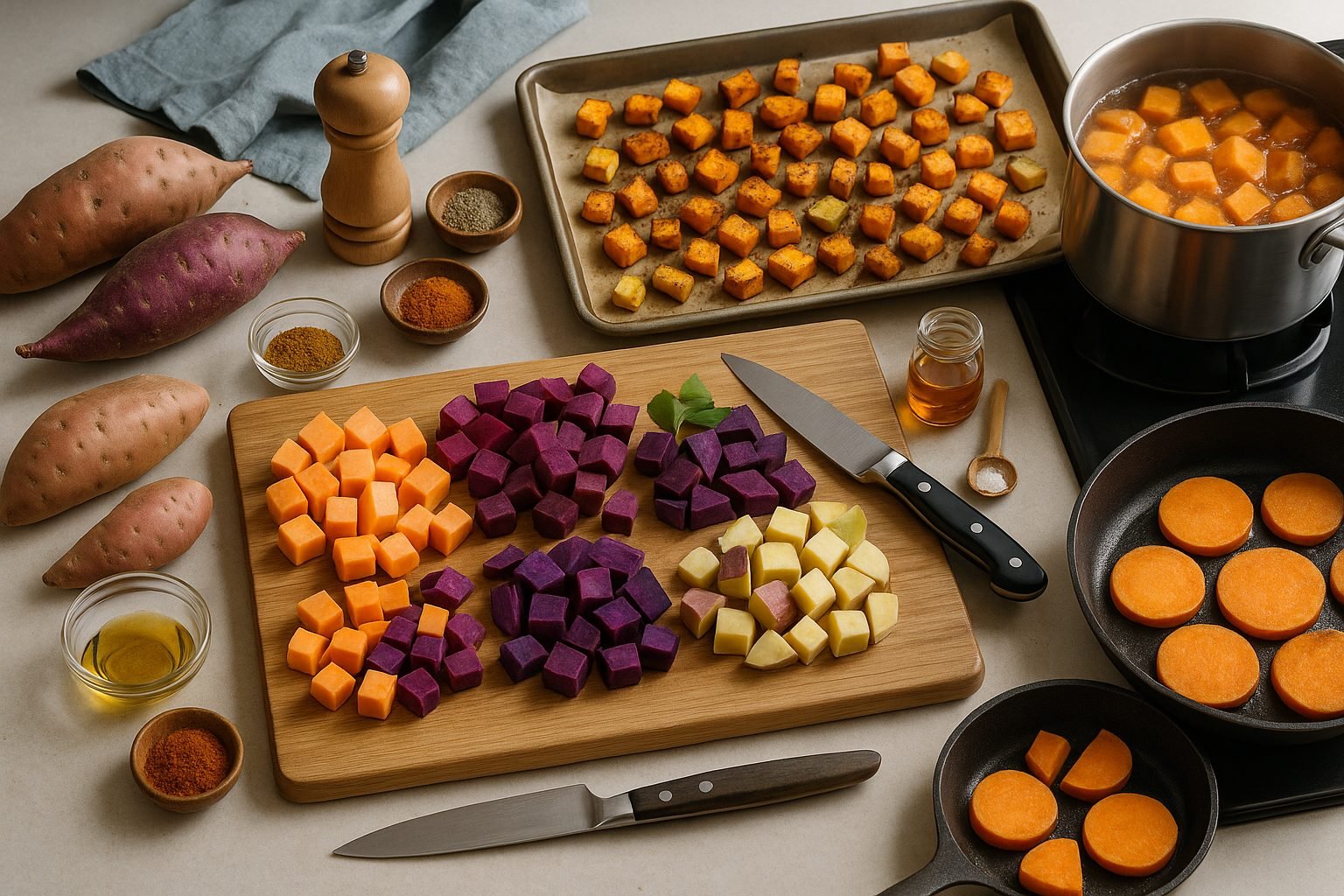
Sweet potatoes are a versatile kitchen staple, and choosing the right cooking method can make all the difference in flavor and texture.
Baking
Baking is perfect for orange-fleshed sweet potatoes like Beauregard or Jewel. Simply prick the skin, bake at 400°F until soft, and enjoy their caramelized notes as a side or mashed with a dash of cinnamon and butter.
Boiling
For boiling, lighter varieties such as Japanese or Hannah sweet potatoes work well—peel, cube, then simmer until tender for creamy mashed potatoes or pie fillings.
Roasting
Roasting brings out deep, earthy sweetness. Toss cubed Garnet or Covington sweet potatoes with olive oil, salt, and spices like smoked paprika or cumin, then spread on a sheet pan and roast until crispy outside and tender inside.
Frying
Frying is ideal for firmer varieties like Japanese sweet potatoes, as their denser flesh holds up for crisp fries or chips. Soak slices briefly in cold water before frying for extra crunch.
Flavor Enhancers and Creative Ideas
Don’t forget to experiment with flavor enhancers: a drizzle of maple syrup, a sprinkle of flaky sea salt, or a squeeze of lime transforms simple sweet potatoes. Try mixing them with roasted garlic in mashed dishes, or layering slices with pecans and mini marshmallows for an easy holiday casserole.
Sweet potatoes also shine in desserts, from rich pies and puddings to baked donuts—add warming spices like nutmeg, ginger, and allspice for extra depth.
Whether you’re making oven fries, silky mash, classic casserole, or a sweet treat, match your cooking method and variety for the best results, and don’t be afraid to get creative with seasoning and toppings.
Tips for Growing and Storing Sweet Potatoes
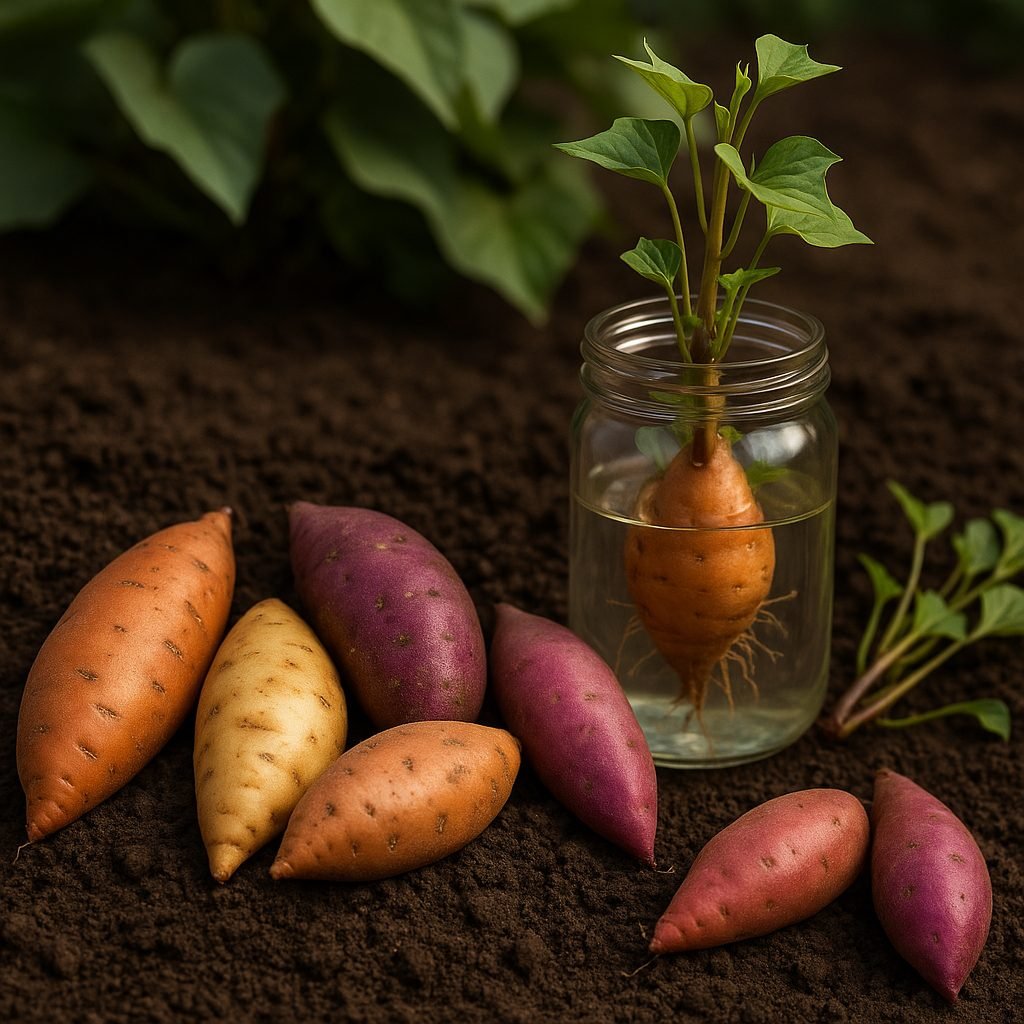
Growing sweet potatoes at home can be surprisingly straightforward, even for beginners. Start by making your own “slips”—small shoots that grow from a mature sweet potato. To do this, place an organic sweet potato half-submerged in water for a few weeks. As leafy sprouts grow, gently separate them and plant each slip in loose, warm soil after all danger of frost has passed.
Sweet potatoes thrive in full sun and need about 100–120 frost-free days, so choose a sunny, sheltered spot in your garden. Well-drained soil is key to preventing rot, and adding compost or organic mulch will help maintain consistent moisture and nutrients.
Choosing the Right Varieties
For home gardeners, varieties like Beauregard (reliable, high-yielding), Georgia Jet (fast-maturing, tolerates cooler climates), and Covington (sweet flavor, disease resistance) are excellent choices. Check local garden centers for types that suit your region.
Harvesting and Curing
When vines start to yellow, usually 90–120 days after planting, carefully dig up the tubers with a fork, taking care not to bruise the skins. Curing is crucial—store freshly dug sweet potatoes in a warm (around 80°F), humid spot for about 10 days to boost sweetness and heal minor skin damage.
Storing Sweet Potatoes
After curing, move them to a cool, dark, and dry place (ideally 55–60°F) to store for several months. Avoid refrigerating uncooked sweet potatoes, as cold temperatures can alter their flavor and texture.
With these steps, you’ll be able to enjoy garden-fresh sweet potatoes all winter long, whether roasted, mashed, or added to stews.
Choosing the Right Sweet Potato for Your Needs
Selecting the perfect sweet potato starts with understanding the differences between common varieties and matching them to your cooking needs. If you’re making creamy mashed sweet potatoes or a velvety soup, opt for orange-fleshed varieties like Beauregard or Jewel, which are moist, sweet, and smooth when cooked.
For fries or roasted wedges, you might prefer a firmer, drier type like the white-fleshed Japanese or Hannah, which hold their shape and deliver a subtle, nutty flavor.
When shopping, always look for sweet potatoes that feel heavy for their size, have taut and unblemished skin, and are free from cracks, soft spots, or sprouting, as these are signs of age and decreased freshness.
For special diets, such as those watching sugar intake, the Japanese sweet potato tends to have a lower sugar profile and a starchier texture, making it a good substitute in recipes that call for less sweetness.
Remember, sweet potatoes can vary widely in taste and texture even within the same variety, so sampling a few different types and experimenting with them in various recipes is the best way to find your favorites.
No matter your choice or dietary needs, paying attention to both what you’re cooking and the condition of your sweet potatoes ensures reliable, delicious results—whether you’re whipping up a holiday casserole or a simple weeknight side dish.
International Sweet Potato Favorites and Interesting Facts
Sweet potatoes are a global favorite, celebrated in both everyday meals and festive dishes across continents. In Japan, the satsumaimo variety—known for its purple skin and dense, honey-sweet flesh—is roasted and sold by street vendors during cooler months, a nostalgic treat for many locals.
In Polynesia, the kūmara has been a dietary staple for centuries; it’s baked, boiled, or mashed, often accompanying fish or coconut-infused stews. The Caribbean brings its own flair with Caribbean sweet potatoes (batata), sporting white or pale yellow flesh, and frequently appearing in hearty soups and holiday casseroles.
Besides these well-loved types, there are hundreds of sweet potato varieties worldwide, ranging from the deeply orange Beauregard of the United States to the starchy Boniato popular in Cuba and the Philippines.
Sweet potatoes have traveled an extraordinary journey—originating in Central and South America over 5,000 years ago, they spread via trade routes and became culturally significant symbols of sustenance and prosperity, particularly in Asian and Pacific communities.
Interestingly, they are not related to regular potatoes but belong to the morning glory family. China leads global production, responsible for over 60% of the world’s supply, with Nigeria and Tanzania not far behind.
Fun fact: sweet potatoes are often confused with yams, but true yams are a different species entirely.
Whether baked, steamed, or stir-fried, sweet potatoes bridge continents with their versatility and rich history, making them a kitchen staple and a symbol of cultural heritage.