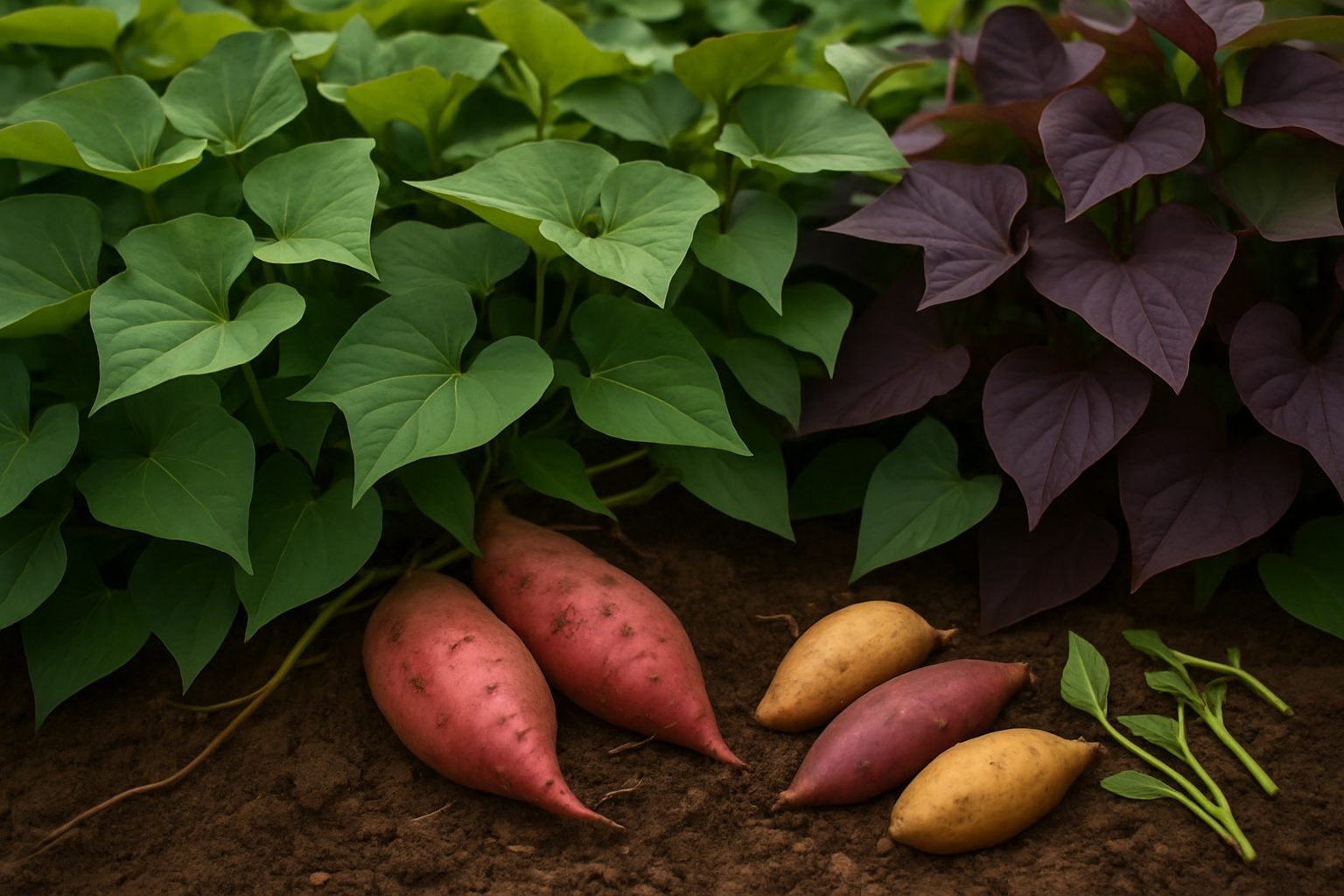
Understanding Sweet Potato Vine as a Perennial
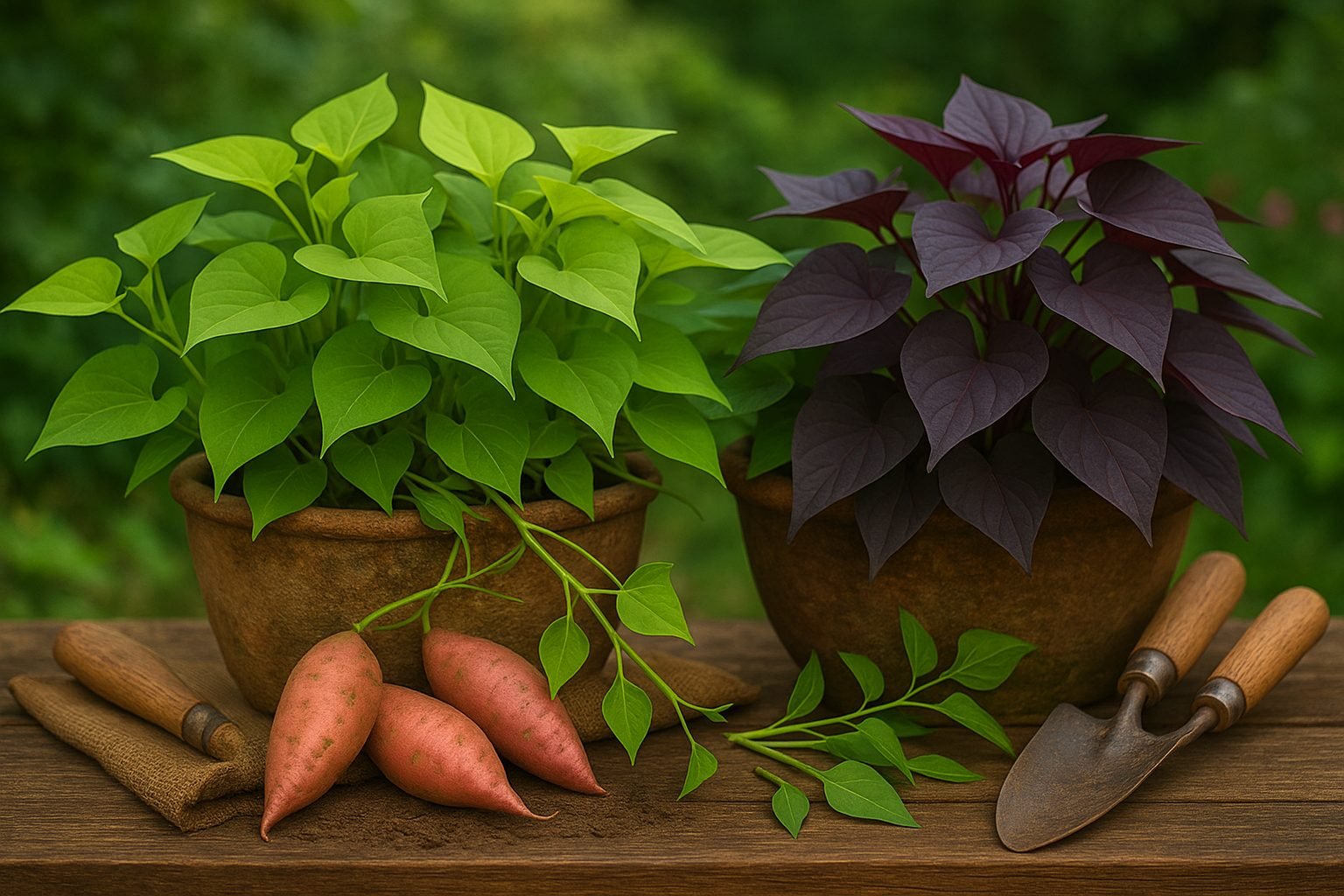
Are sweet potatoes perennial? If you’ve ever wondered about the long-term potential of this popular crop, you’re not alone. In gardening, a perennial plant is one that returns season after season without needing to be replanted, while annuals complete their life cycle in just one year. When it comes to sweet potato vines—both the edible types that produce those tasty tubers, and the ornamental varieties with lush foliage—the answer depends largely on your climate and the plant’s specific purpose.
In tropical and subtropical regions, sweet potato vines are indeed perennial, meaning the plant dies back and regrows from its roots or tubers each year. The vibrant trailing leaves can add attractive texture to garden beds or containers, and given the right conditions, the tubers continue to develop over successive seasons. However, in cooler climates where frost occurs, sweet potatoes are treated as annuals. Here, the vines wither with the first cold snap, and the tubers need harvesting before winter to avoid rot.
When comparing edible and ornamental varieties, there are some key differences. Edible sweet potatoes (Ipomoea batatas) are bred primarily for tuber production and robust growth. They can persist year after year where winters are mild. Ornamental sweet potato vines, on the other hand, are prized for their colorful or uniquely shaped foliage and less for their tubers, which are often small or bitter. These ornamentals may survive as perennials in frost-free areas but are more commonly grown as annuals for seasonal displays.
So, while sweet potato vines can be perennial in the right conditions, your climate and variety choice will determine whether you’ll enjoy their beauty—or harvest—year after year.
Climate Zones and Regional Growth Patterns
Sweet potato vine (Ipomoea batatas) shows remarkable flexibility depending on your local climate, thriving as a perennial in USDA hardiness zones 9 through 11, where winter temperatures rarely drop below freezing. In these warmer regions, the vine doesn’t die back fully and continues to grow year after year, often requiring only basic maintenance like pruning and occasional fertilization.
Conversely, in cooler areas—zones 8 and below—the plant is typically grown as an annual because frosts and hard freezes will kill off the foliage and tubers unless special care is taken. Climate plays a huge role in the vine’s growth cycle: in cold zones, expect dormancy as winter approaches, with new growth starting in spring, while in mild zones, growth can be almost continuous.
Gardeners should first determine their local USDA hardiness zone by searching their zip code on the USDA Plant Hardiness Zone Map online or by checking with a local extension office. If you’re in a cooler zone but love sweet potato vines, consider growing them in containers so you can move them indoors before frost, or dig up and store the tubers in a cool, dry place until spring.
Adjusting your approach based on your zone helps ensure lush growth and vibrant color, whether you’re cultivating a perennial showpiece or a seasonal display.
Planting and Caring for Sweet Potato Vine
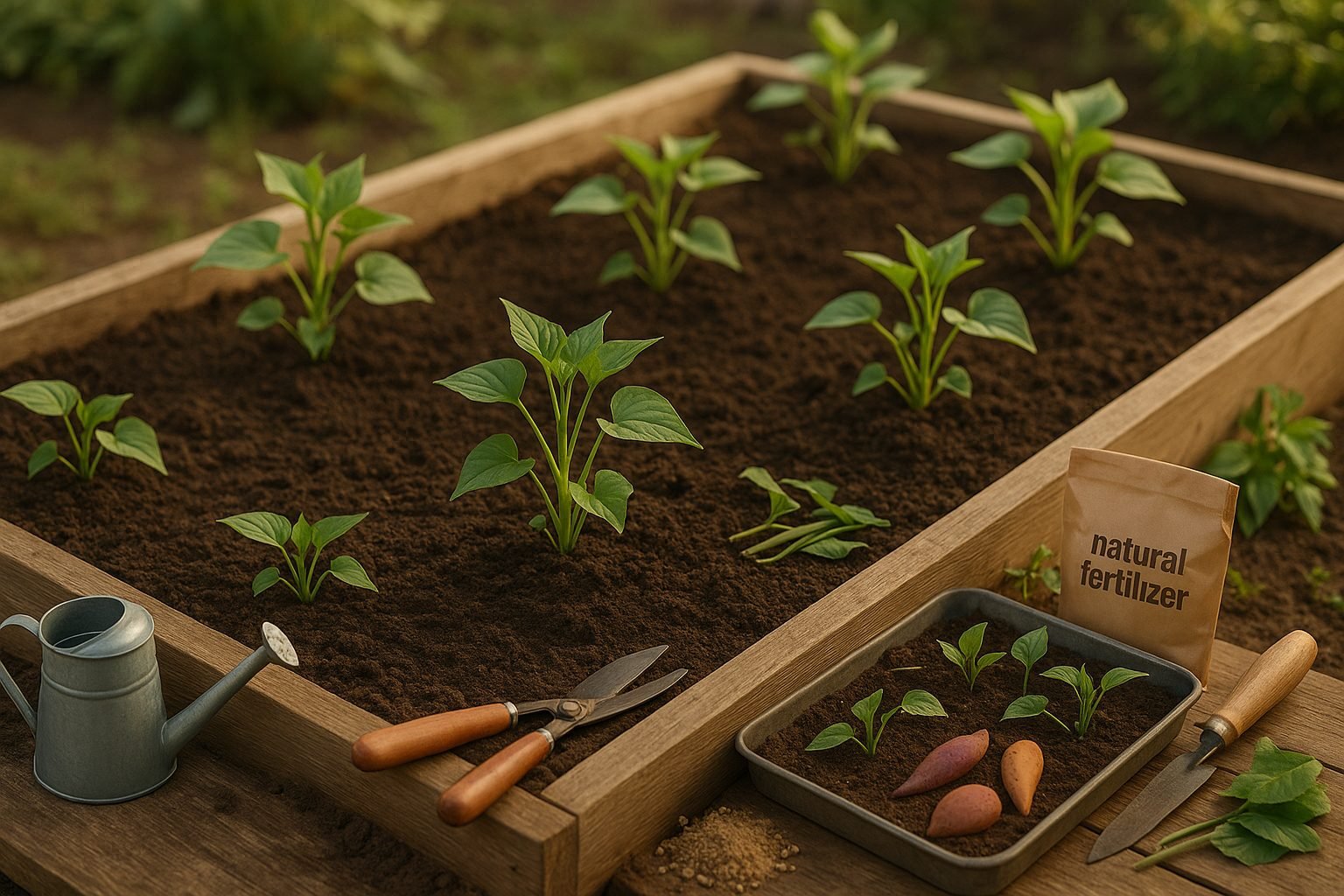
Planting sweet potato vine is simple and rewarding, whether you’re starting slips in your garden or adding flair to containers. Begin by choosing a loose, well-draining soil—amending it with compost to boost nutrients—since this plant dislikes heavy or soggy ground.
Sweet potato vines thrive in full sun but can tolerate some afternoon shade, especially in hotter climates. Plant each slip or nursery plant about 12 to 18 inches apart to give them space to sprawl and develop lush foliage.
Water deeply after planting, then keep the soil consistently moist (not soggy) by watering when the top inch feels dry, particularly during heat spells. As the growing season progresses, apply a balanced, slow-release fertilizer every 4-6 weeks; too much nitrogen, however, can lead to abundant leaves with fewer tubers.
In summer, check for pests like aphids or beetles and remove them by hand or treat with insecticidal soap if needed. To keep vines looking tidy and encourage bushier growth, pinch back leggy stems and trim away any damaged leaves—a quick snip with clean scissors does the trick.
Regularly clear away spent or yellowing foliage to maintain air circulation, which helps prevent fungal diseases. If temperatures drop below 50°F at night, consider mulching or bringing container plants indoors for protection.
With these practices, your sweet potato vine will reward you with vigorous, healthy growth and vibrant, showy leaves all season long.
Overwintering and Seasonal Dormancy
As temperatures drop in autumn, sweet potato vines begin to show signs of dormancy—leaves yellow or wilt, and above-ground growth slows or dies back, especially in cooler climates. In mild regions where frost is rare, vines can overwinter outdoors with a protective layer of mulch over the roots.
In colder climates, exposing sweet potato vines to frost will kill their foliage and may damage the tubers, so timely action is essential.
For in-ground plants:
- Carefully dig up the tubers before the first hard frost.
- Brush off excess soil (do not wash them).
- Cure the tubers in a warm, dry area for 7–10 days.
- Store them in a cool (55–60°F), dark, and well-ventilated place, such as a basement.
For container-grown vines:
- Either bring the whole pot indoors to a sunny, frost-free spot,
- Or dig up and store the tubers using the method described above.
If you want to keep trailing foliage for use as a houseplant, snip healthy cuttings before frost and root them in water indoors.
When spring arrives and temperatures consistently stay above 60°F, replant sprouted tubers or rooted cuttings outdoors, gradually acclimating them to sunlight and outdoor conditions.
With prompt care, proper storage, and gentle spring reintroduction, your sweet potato vine can thrive year after year, even in challenging climates.
Landscape Uses and Top Varieties
Sweet potato vine (Ipomoea batatas) is a true garden multitasker, offering vivid foliage that instantly energizes any outdoor space. For border planting, choose varieties like ‘Margarita’ with electric chartreuse leaves—they create eye-popping contrast alongside darker perennials.
Groundcover lovers can spread fast-growing choices like ‘Blackie’, whose deeply lobed, almost purple-black leaves form a dense, weed-suppressing mat over bare soil or slopes.
In containers, mix trailing varieties such as ‘Sweet Caroline Sweetheart Red’ (rich burgundy heart-shaped leaves) with upright grasses or flowering annuals for a lush, layered effect.
Hanging baskets benefit from the cascading habit of ‘Illusion Emerald Lace’, whose finely cut lime foliage spills playfully over the edges.
When selecting a variety, consider both color and growth habit: heat-tolerant ‘Sweet Caroline Bewitched’ thrives in full sun, while ‘Tricolor’ adds splashes of cream and pink to part-shade spots.
For a design twist, use sweet potato vines as living mulch beneath taller veggies or weave contrasting cultivars—like pairing the almost-black ‘Raven’ with ‘Margarita’—for vibrant color-blocking.
Sweet potato vines grow quickly and are easily trimmed, making them ideal for experimental gardeners and anyone craving instant impact. Whether you’re filling a window box or creating dramatic garden paths, these ornamental vines deliver bold color and playful shapes all season long.
Common Questions and Growing Tips
Many people often wonder if popular houseplants like pothos or spider plants are invasive, edible, or safe around pets. While most common indoor varieties aren’t aggressive spreaders outside, it’s always best to check local guidelines before planting outdoors.
As for edibility, these houseplants are not meant for human consumption and can cause upset stomachs if ingested. When it comes to pets, some plants—like pothos, philodendrons, and peace lilies—are toxic if chewed by dogs or cats, so keep them out of reach or opt for pet-safe options like spider plants or Boston ferns.
Propagation is easier than you think—most houseplants root readily in water or moist soil from stem cuttings, so don’t be afraid to snip off a leggy stem and start a new plant.
Facing issues like yellowing leaves? It’s often due to overwatering, poor drainage, or lack of nutrients. Try letting the soil dry a bit between waterings and feed with diluted fertilizer every month during the growing season. For leggy growth, move your plant to a brighter spot or rotate it regularly to encourage even development.
Most importantly, remember that plant care is a journey. Mistakes happen—and that’s how you learn. Experiment with different placements, watering routines, and propagation methods. Whether you’re a newbie or a green thumb, each challenge is a chance to discover what works best in your unique home environment.