Introduction
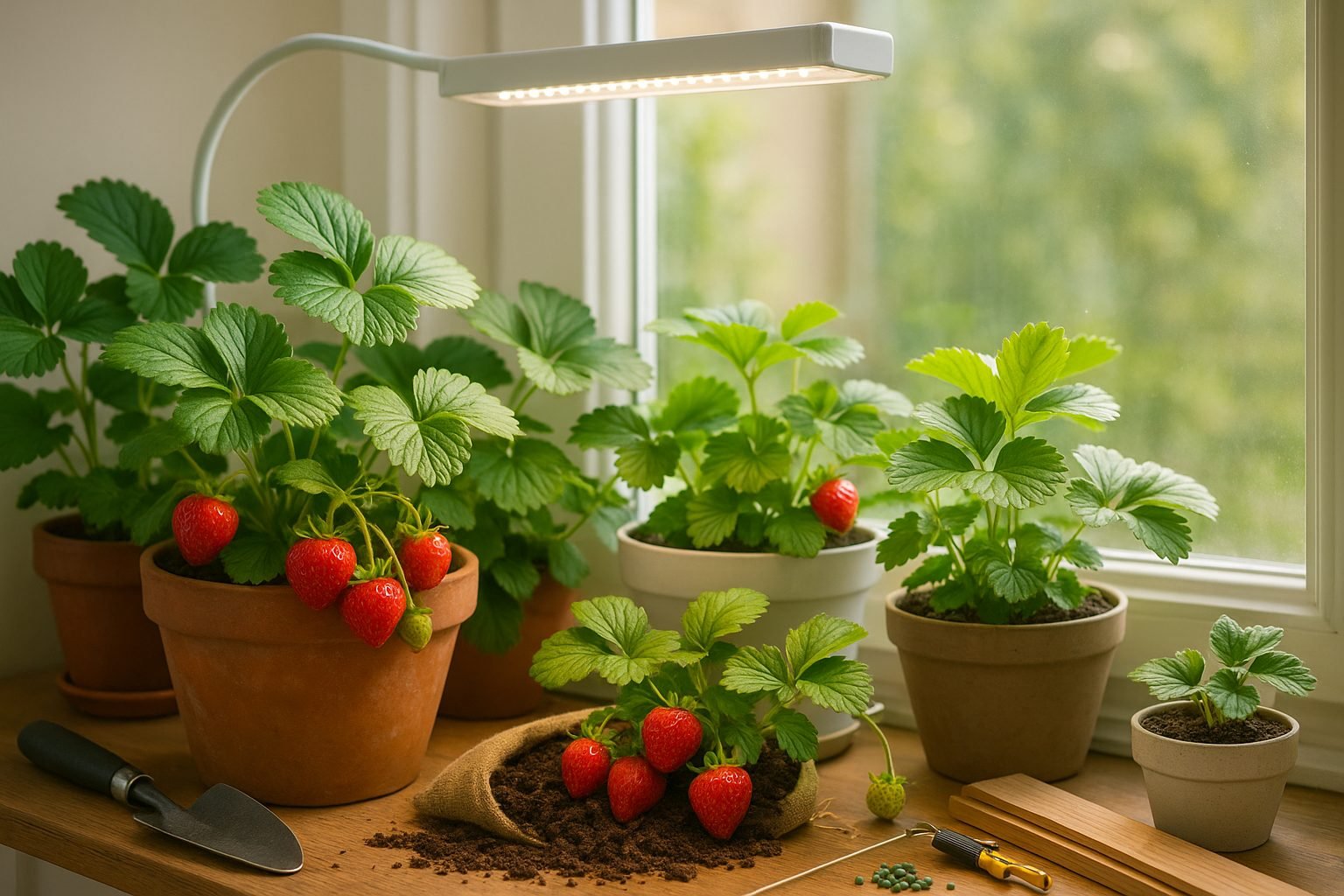
Ever wish you could enjoy fresh, juicy strawberries year-round right from your own home? Growing strawberries indoors is becoming an increasingly popular solution for anyone who loves this sweet fruit but doesn’t want to wait for the traditional summer harvest. With the right setup, you can have strawberries at your fingertips no matter the season.
Beyond the obvious treat of homegrown berries, indoor cultivation offers several benefits: you get a constant supply regardless of outdoor weather, save space by using containers or vertical gardens, and significantly reduce pest problems that typically threaten outdoor crops.
In this article, we’ll guide you step-by-step through selecting the right varieties, setting up an efficient growing environment with optimal light and temperature, and ensuring your plants stay healthy and productive. Whether you’re working with a sunny windowsill or a dedicated indoor garden, you’ll find practical tips to help you enjoy strawberries year-round.
Choosing the Right Strawberry Varieties
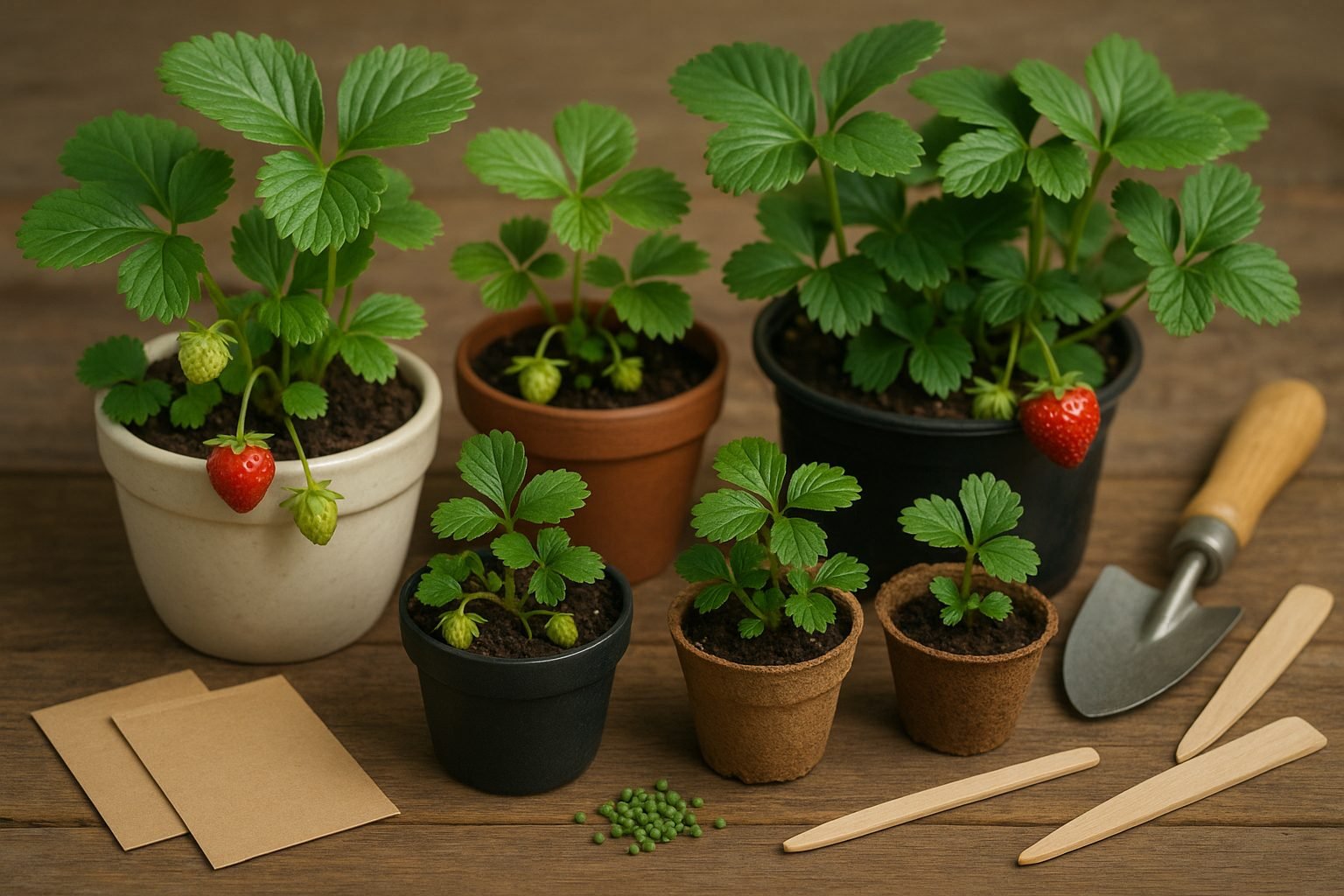
When growing strawberries indoors, picking the right variety is key to a successful harvest. There are three main types: June-bearing, everbearing, and day-neutral.
June-bearing strawberries produce one large crop in early summer, but they require more space and may not be ideal for smaller indoor setups. Everbearing types yield two to three harvests throughout the growing season, making them a better option for those wanting continual fruit, though they still tend to be larger plants. Day-neutral varieties are the best fit for indoor gardeners since they can produce fruit almost year-round under consistent indoor conditions and remain relatively compact.
Look for dwarf or compact, disease-resistant cultivars such as ‘Tristan,’ ‘Temptation,’ or ‘Albion’—all of which thrive in containers and resist common indoor pests and diseases.
Always purchase your starts or seeds from reputable garden centers, specialty seed companies, or horticultural suppliers that offer varieties specifically bred for container and indoor growing. Some well-known online sources include Johnny’s Selected Seeds, Burpee, and Baker Creek Heirloom Seeds.
Be sure to read product descriptions carefully to ensure you’re choosing varieties labeled for small spaces or indoor use, giving you the best chance for a healthy, productive indoor strawberry garden.
Setting Up: Containers, Soil & Light Requirements
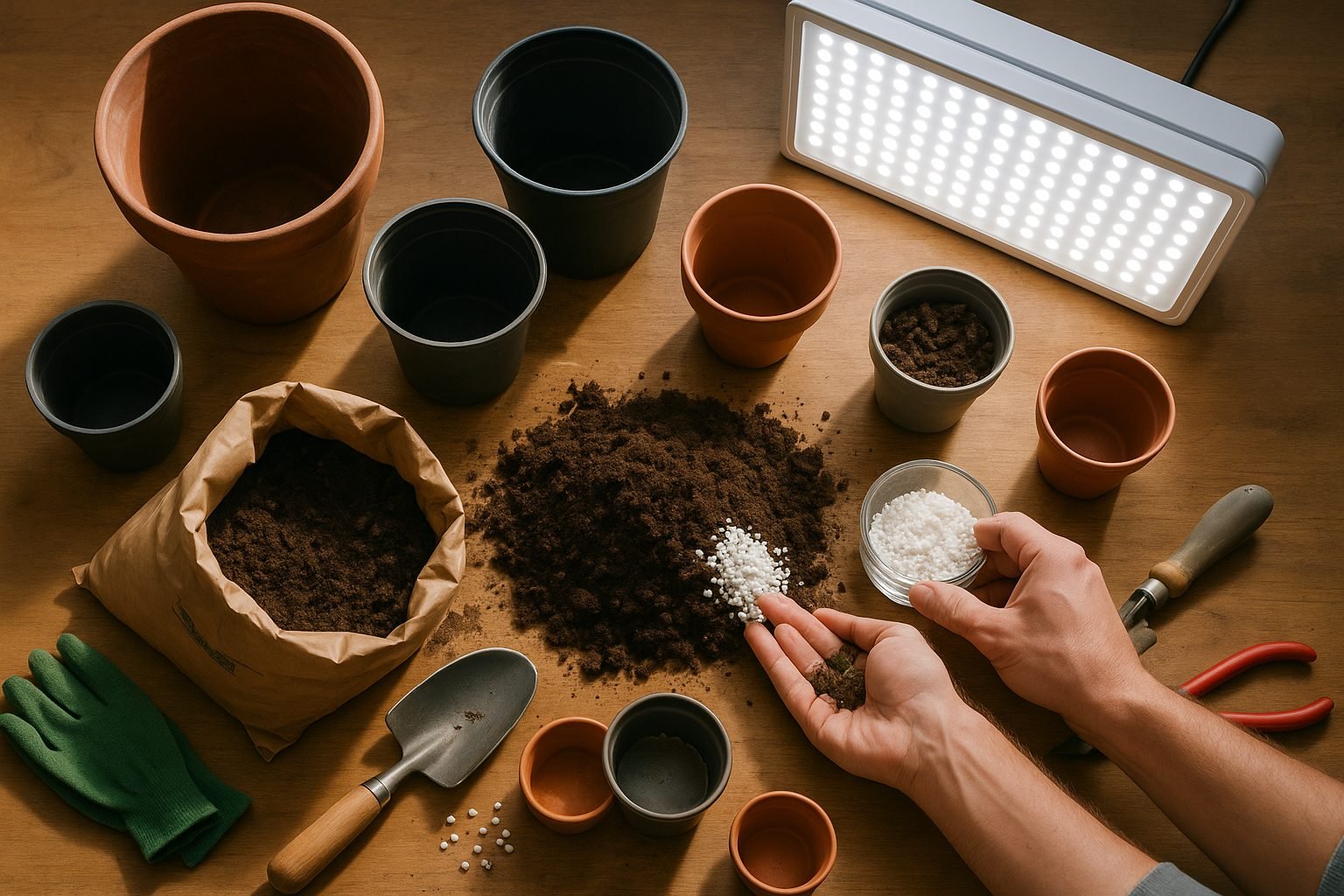
Choosing the right container is the first step in ensuring your fruit plants thrive indoors. Opt for pots that are at least 12 to 18 inches in diameter and have ample depth to accommodate root growth—dwarf varieties may need less space, but plants like tomatoes or citrus trees benefit from larger, deeper containers. Always ensure there are drainage holes at the bottom to prevent waterlogging, which can lead to root rot.
When it comes to soil, skip garden dirt and invest in a high-quality, lightweight potting mix formulated for container gardening. These mixes contain ingredients like peat moss, perlite, and vermiculite that boost drainage and provide good aeration. For extra insurance, you can add a handful of perlite or coarse sand to further improve drainage, especially if you tend to overwater.
Fruit plants crave light—at least 6 to 8 hours of direct sun daily is best. Place your containers near south- or west-facing windows for maximum sunlight; if that’s not possible, supplement with LED grow lights positioned 6 to 12 inches above the foliage. Set these lights on a timer for 10 to 14 hours a day to mimic natural daylight, ensuring healthy growth and fruit set. Rotate your pots every week so all sides receive even exposure.
Paying close attention to container size, soil quality, and light ensures your indoor garden can support vigorous, fruiting plants—even in small spaces or challenging climates.
Planting & Caring for Indoor Strawberries
Growing strawberries indoors is a rewarding project, and it all starts with choosing the right container—look for pots that are at least 6-8 inches deep with drainage holes to prevent soggy roots. Fill the pot with a high-quality potting mix blended with compost, then plant your strawberry crowns, spacing them so the roots spread out and the top of the crown sits at soil level.
Place your container in a sunny spot that receives at least 6 hours of bright, indirect sunlight daily; supplement with a grow light if natural light is limited. Strawberries need consistently moist soil, so water when the top inch of soil feels dry—avoid letting the roots sit in water, which can cause rot.
Aim for indoor humidity levels between 40-60% and temperatures between 60-75°F; both help fruit set and keep your plants healthy. Fertilize every two to four weeks with a balanced liquid fertilizer, following label instructions to avoid salt buildup.
Watch for common issues like powdery mildew or spider mites—if you spot them, improve air circulation, gently rinse plants, and use insecticidal soap if needed. Keep leaves dry when watering to limit fungal diseases, and promptly remove any yellowing or damaged foliage.
Avoid overwatering, overcrowding plants, and using garden soil, as these can harbor pests and diseases or hinder drainage. With the right attention to these details, you can enjoy fresh, juicy strawberries from your windowsill all year long.
Pollination & Encouraging Fruit Production
Strawberries rely on pollination to set fruit, with bees and small insects naturally transferring pollen from flower to flower outdoors. Indoors, where natural pollinators aren’t present, hand-pollination is essential for consistent fruit production.
You can mimic nature by using a clean, small paintbrush or cotton swab to gently transfer pollen between flowers each day while they’re open. Swirl the brush inside the center of each blossom, making sure to reach all visible yellow stamens, moving from flower to flower. Another simple method is to lightly shake the plants—this helps release and distribute pollen if you have several flowers open at once.
To boost bloom and fruit production indoors, make sure your plants receive enough strong, direct light. Ideally, use a grow light positioned 6–12 inches above the foliage for at least 12–16 hours daily. Also, regularly feed your strawberries with a balanced, diluted fertilizer to keep them energized.
Encourage more blooms by trimming runners—the long stems that shoot out from the base—to direct energy into fruiting rather than spreading. Finally, maximize yield in small spaces by choosing compact varieties, using vertical planters, or stacking pots. This way, you can fit more fruit-bearing plants and enjoy a larger harvest from your indoor garden.
Harvesting & Enjoying Your Berries
Knowing when to harvest your strawberries is key to enjoying their best flavor and keeping your plants healthy. Look for berries that are fully red, shiny, and slightly firm—any green or white spots mean they need a bit more time.
To pick without harming the plant, pinch the stem just above the berry between your fingernails and gently twist; avoid pulling directly, as this can damage the runner or break off leaves.
Once picked, enjoy your fresh strawberries right away by rinsing them and adding them to yogurt, oatmeal, or salads for a sweet boost. If you’ve got a big harvest, try classic recipes like strawberry shortcake or homemade jam, or simply freeze leftover berries by spreading them on a baking sheet before transferring them into freezer bags—this preserves their flavor for months.
To keep your strawberry plants producing, regularly remove any overripe berries and check for pests or dead leaves. After harvesting, water consistently and add a light mulch to protect roots and conserve moisture, which helps promote more blossoms and fruit.
By harvesting carefully and caring for your plants, you’ll enjoy fresh strawberries all season long and encourage plentiful crops for years to come.
Troubleshooting Common Issues
When growing plants, it’s normal to encounter a few bumps along the way. If you notice yellowing leaves, this often signals overwatering or nutrient deficiencies—try letting the soil dry out between waterings and consider adding a balanced fertilizer.
A lack of fruit, especially in vegetables like tomatoes or peppers, can often be traced to poor pollination or inadequate sunlight. Gently shake plants to help with pollination and ensure they get at least six hours of sunlight daily.
Mold and mildew can quickly develop if there’s poor air circulation or excessive humidity. To prevent this, prune crowded stems and water at the soil level to keep leaves dry.
Pests like aphids or spider mites are common too—wash them off with a spray of soapy water or introduce beneficial insects like ladybugs to keep populations in check.
To prevent future issues, aim for regular inspections, keep gardening tools clean, and rotate plant locations each season. If an issue seems stubborn or you’re unsure about a diagnosis, reach out to your local cooperative extension office or seek advice from reputable online plant forums, where experienced gardeners can offer personalized support.
Conclusion
Growing strawberries indoors brings the delight of fresh, juicy fruit right to your windowsill, no matter the season. It’s a simple process that offers flavorful rewards and the satisfaction of nurturing your own food. Even beginners can find success with a bit of care and patience, making it a fun project for gardeners of all levels. If you have questions or tips from your own indoor strawberry journey, share them in the comments below—we’d love to hear about your successes and help you get started!