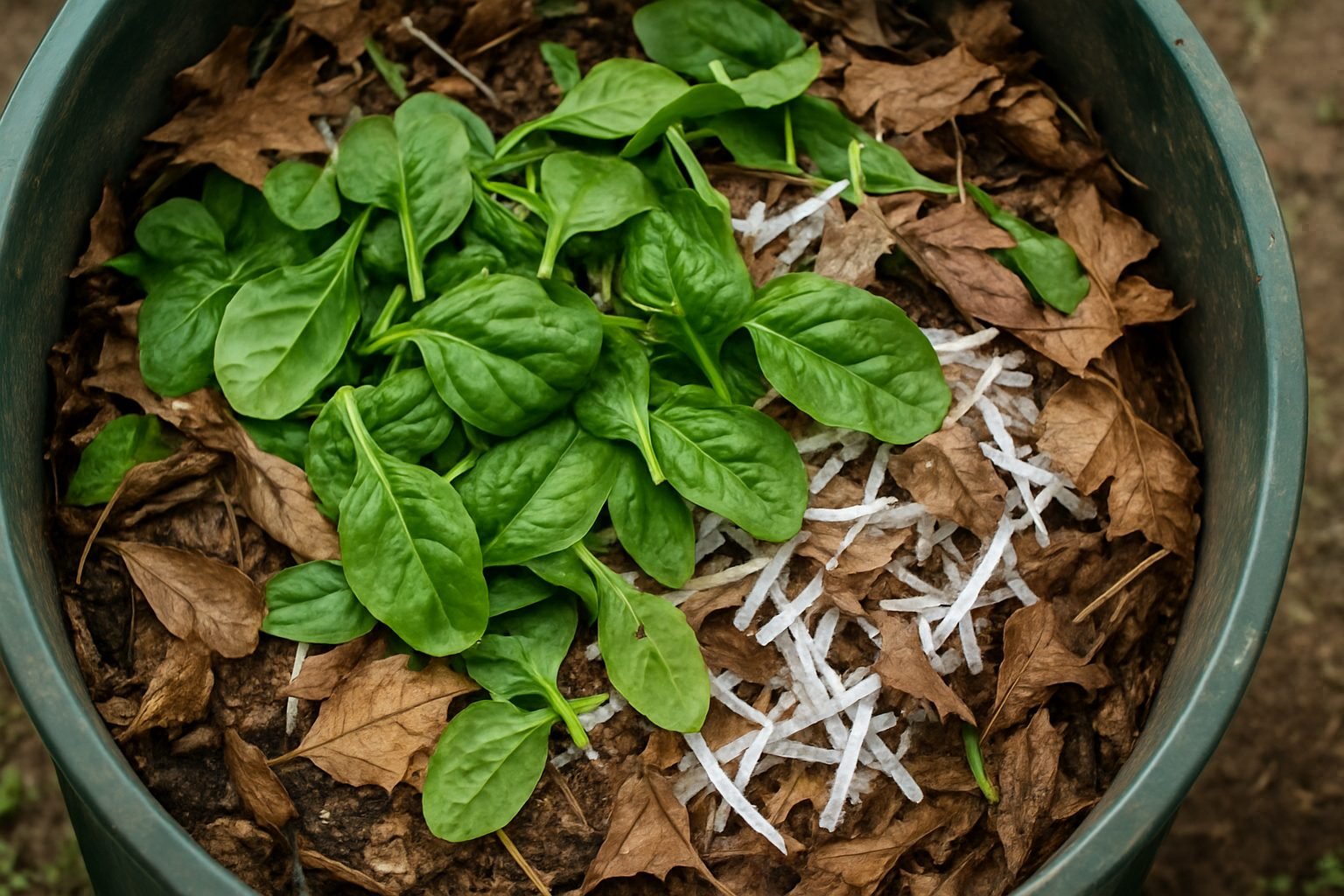
Why Compost Spinach?
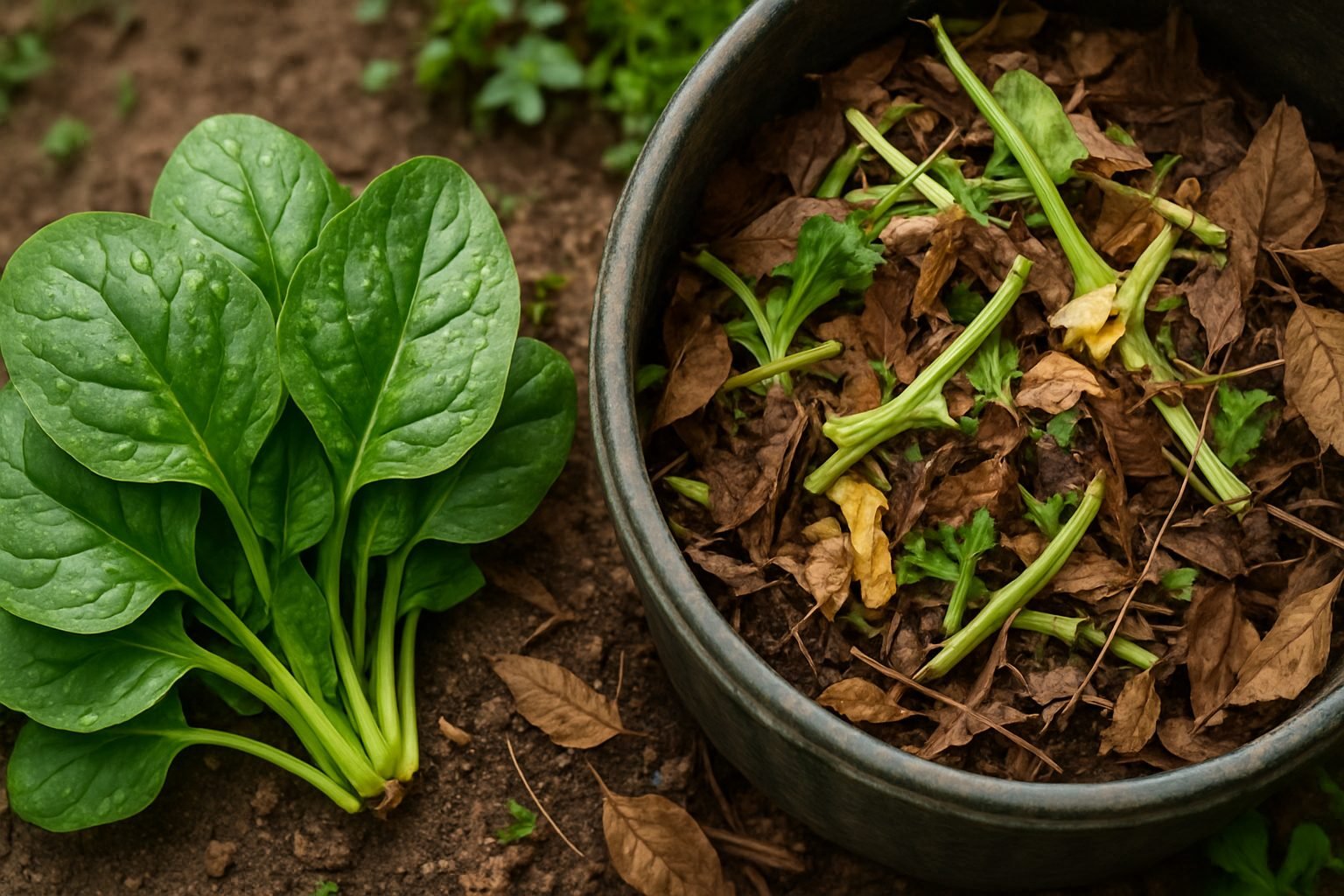
Composting spinach isn’t just a clever way to keep kitchen scraps out of the landfill—it’s a step toward a greener lifestyle that pays off in your garden. When you toss spinach leaves or stems into your compost bin, you’re reducing food waste while transforming leftovers into something valuable: nutrient-rich compost that gives your plants a boost.
Spinach stands out among veggies for its high content of essential nutrients like nitrogen, iron, and magnesium. When it breaks down, these nutrients become available in your compost, supporting healthier flowers and vegetables down the line.
Adding spinach to the pile helps balance the “greens”—materials high in nitrogen—which teams up with “browns” like dry leaves or cardboard to spark decomposition. Throwing in a handful of spinach scraps with your kitchen peels and garden clippings helps keep the compost cooking steadily.
Plus, spinach breaks down fast, meaning your pile heats up quickly—a good sign for compost success. In a world where almost one-third of all food produced ends up as waste, composting even small amounts of spinach can make a difference in both waste reduction and soil health.
If you’re after a thriving garden or simply want to shrink your eco-footprint, composting spinach is an easy habit with benefits that last all season long. It’s a small, everyday change that closes the loop, turning food waste into black gold for your backyard.
Is Spinach Safe to Compost?
Spinach is generally safe to compost, whether fresh or wilted, and it can be added to both regular compost piles and worm bins. Like most kitchen scraps, spinach provides valuable nitrogen—known as “greens”—which helps heat up the pile and speeds up decomposition.
However, moderation is key. Adding too much spinach at once can throw your compost out of balance by supplying excess nitrogen, which may lead to bad odors, clumping, or a soggy mess.
To keep things on track, mix spinach in with plenty of “browns” such as dry leaves, shredded paper, or cardboard. These materials help absorb moisture and provide carbon.
If you’re worried about pesticides or diseases on spinach leaves, rest assured that a well-managed compost pile will reach temperatures high enough to break down many harmful chemicals and pathogens.
For worm bins, use spinach sparingly—worms appreciate variety, and too much leafy green can create wet, slimy conditions or even cause the bin to overheat.
As a best practice for both bins and piles, chop up spinach leaves for faster breakdown and always bury them under a layer of browns to prevent fruit flies or odor.
In summary, spinach is safe to compost as long as you keep an eye on the overall balance and don’t let it dominate your mix.
How to Compost Spinach: Step-by-Step
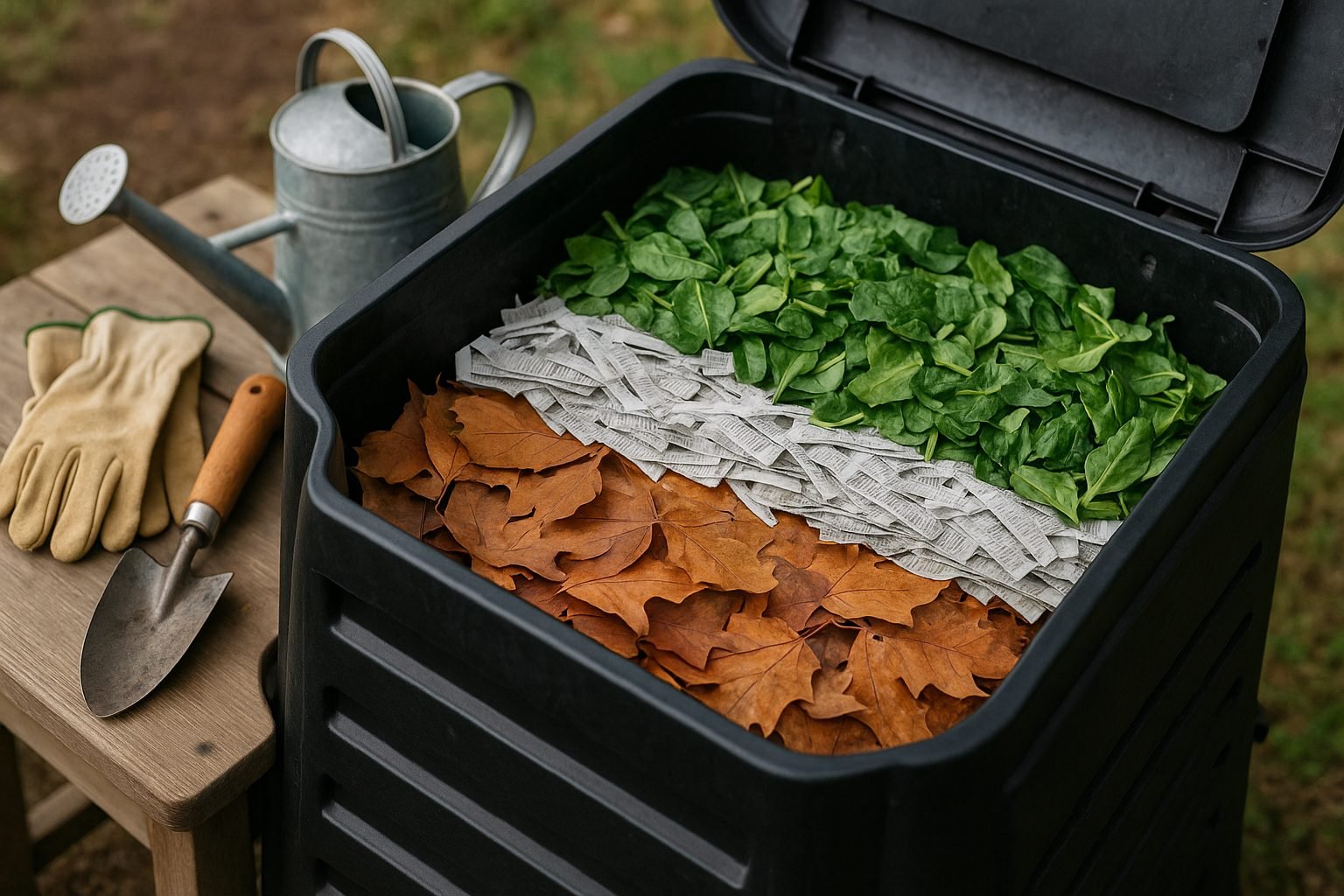
Composting spinach is simple, but a few key steps can help your pile thrive and break down leafy greens efficiently. Start by chopping your spinach leaves into smaller pieces, as this increases the surface area and speeds up decomposition.
Next, balance your “greens” (like spinach) with plenty of carbon-rich “browns” such as dried leaves, shredded newspaper, or cardboard. Aim for a roughly 2:1 ratio of browns to greens; after adding chopped spinach, sprinkle on a thick layer of browns to absorb excess moisture and prevent odors.
Keep your pile as damp as a wrung-out sponge—if it’s too wet, mix in more browns; if it’s too dry, add a little water. When layering, alternate spinach with browns and other food scraps instead of dumping all the greens in at once—this helps avoid sogginess and keeps air flowing.
For hot (traditional) composting, add spinach in small batches once or twice a week to avoid overwhelming the pile, and stir regularly to heat things up. This process kills weed seeds and pathogens.
With worm composting (vermicomposting), moderation is even more important—feed spinach to your worms once a week in small handfuls along with bedding materials. Too much wet or acidic spinach can make the bin soggy or attract fruit flies.
If you notice bad smells, it’s usually a sign things are too wet or poorly aerated, so mix in more browns or fluff up the pile. Pests like fruit flies appear when food scraps are exposed; always bury spinach under browns and never add cooked or oily greens.
Following these tips keeps your compost fresh, pest-free, and breaks down spinach quickly for healthy garden soil.
What Not to Compost with Spinach (and Why)
When composting spinach, it’s easy to accidentally toss in kitchen scraps that seem similar but can actually harm your compost pile. For example, avoid adding spinach dressed with oily or creamy salad dressings, as fats and oils break down slowly and can attract unwelcome pests.
Similarly, steer clear of spinach cooked with butter, cheese, or other rich ingredients—these can create odors and slow down the decomposition process. Spoiled spinach mixed with preservatives or sauces may also introduce chemicals that disrupt the healthy balance of your compost.
Stick to raw, fresh spinach leaves without additives, and always remove rubber bands or ties before composting. As a general rule, keep meat, dairy, and oily foods out of your bin, and chop larger pieces of veggie scraps to help them break down faster.
By focusing on clean, plant-based materials, you’ll encourage beneficial microbes to do their best work, keeping your compost pile healthy, odor-free, and ready to nourish your garden.
Benefits of Composting Spinach for Gardens
Composting spinach is an easy way to boost your garden’s overall health, especially if you often toss wilted leaves or unused stems from the kitchen. Spinach breaks down quickly thanks to its high water content and nutrient-rich makeup, turning into compost packed with essential minerals like nitrogen and potassium.
When mixed into garden soil, this compost enriches the ground, promoting healthier plant growth and lusher foliage. Many gardeners notice a clear difference after adding composted spinach to their vegetable beds—plants grow taller, leaves become more vibrant, and blooms appear more frequently.
Beyond nutrients, spinach-based compost helps soil retain moisture for longer, so vegetables and flowers need less frequent watering—a real bonus during dry spells. If you’re concerned about adding finished compost containing spinach residue to your edible garden, don’t worry: as long as the compost is fully broken down—dark, crumbly, and sweet-smelling—it’s safe for growing fruits, veggies, and herbs.
Even novice gardeners see success; for example, Sarah from St. Louis shared that her tomato yield doubled after enriching her raised beds with homemade spinach compost. If any large spinach pieces remain, simply sift them out or allow them more time to finish composting before use.
Overall, using composted spinach is a tried-and-true method to recycle kitchen scraps and create a flourishing edible garden.
Frequently Asked Questions About Composting Spinach
Composting spinach is easy and efficient, whether you’re dealing with baby spinach leaves, stems, or a mix of both. You can compost all parts of spinach, including stems and wilted or spoiled leaves. However, because spinach breaks down quickly, it’s best to mix it with drier, carbon-rich materials like shredded paper or dry leaves to prevent a soggy, smelly compost pile.
Be mindful not to add entire bags of spinach at once—large amounts can cause odors or attract pests. If you’re composting in a small space or using a balcony bin, chop the spinach to speed up decomposition, and always cover fresh greens with browns to deter flies and rodents.
In city environments where space is limited, consider using a sealed bin or a bokashi system to keep things tidy and odor-free. If you notice bad smells, stir your compost more often and add extra dry materials.
For pest control, avoid leaving exposed spinach on top and make sure your compost isn’t too wet—a quick fix is to add extra newspaper or cardboard. With these steps, you can turn leftover spinach into nutrient-rich compost for your plants, even in the heart of the city.