Why Grow Your Own Spinach?
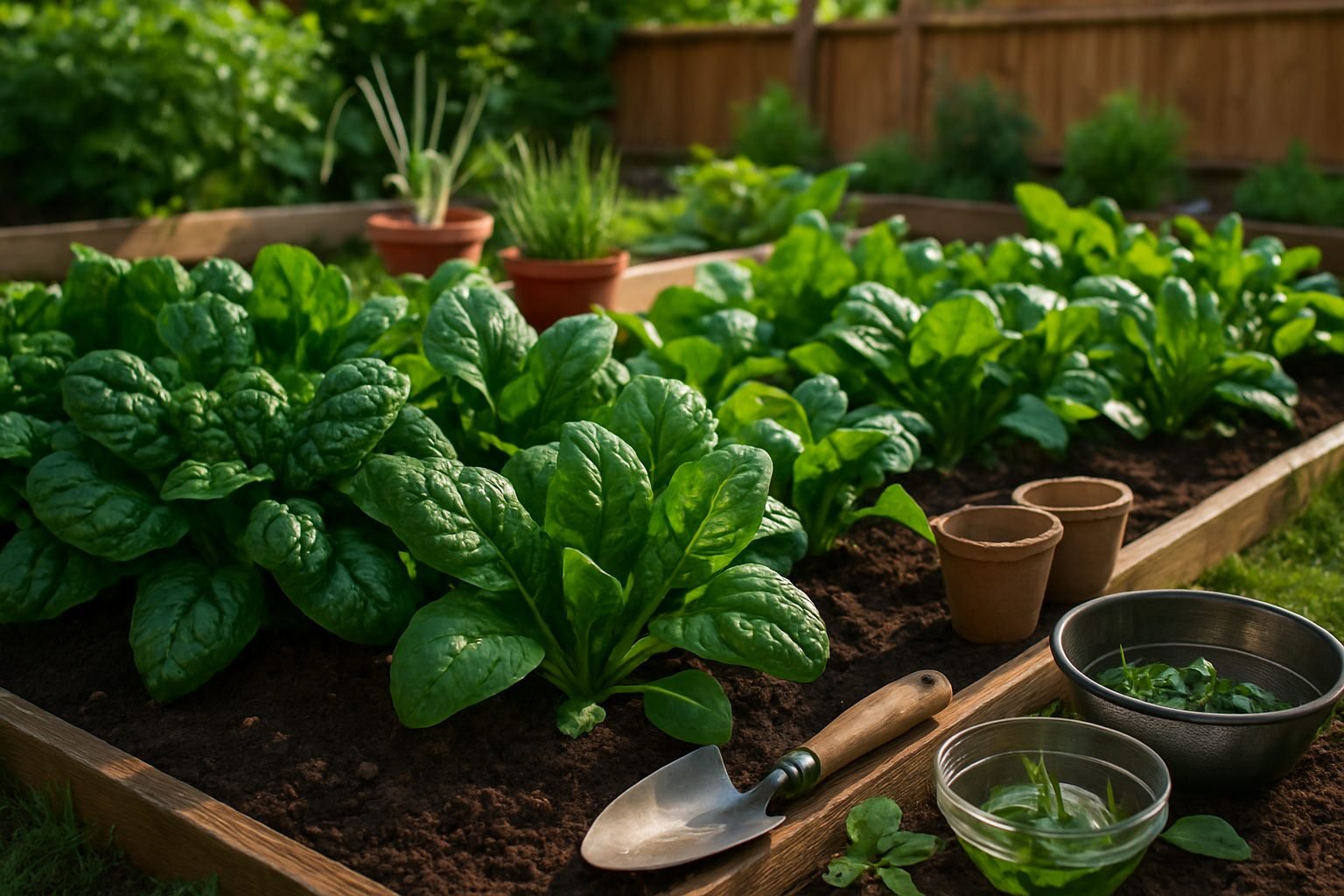
Organic spinach growing is becoming a popular hobby for home gardeners, and it’s easy to see why. When you grow your own spinach right at home, you get to enjoy the unbeatable flavor of freshly picked leaves—so much sweeter and crisper than anything from the grocery store.
Spinach is packed with iron, vitamins, and antioxidants, making it a power-packed addition to your meals. Choosing to grow your own also means you’ll save money over time, especially since store-bought organic spinach can be surprisingly pricey.
Many people worry about pesticides or lingering chemicals on supermarket greens, and sometimes store spinach sits on the shelf too long, losing nutrients and freshness. Fortunately, organic spinach growing is straightforward and doesn’t require a lot of space, making it perfect for apartment balconies or backyard garden beds.
Even beginners find spinach forgiving and rewarding, so there’s no better time to give it a try!
Choosing the Right Spinach Variety
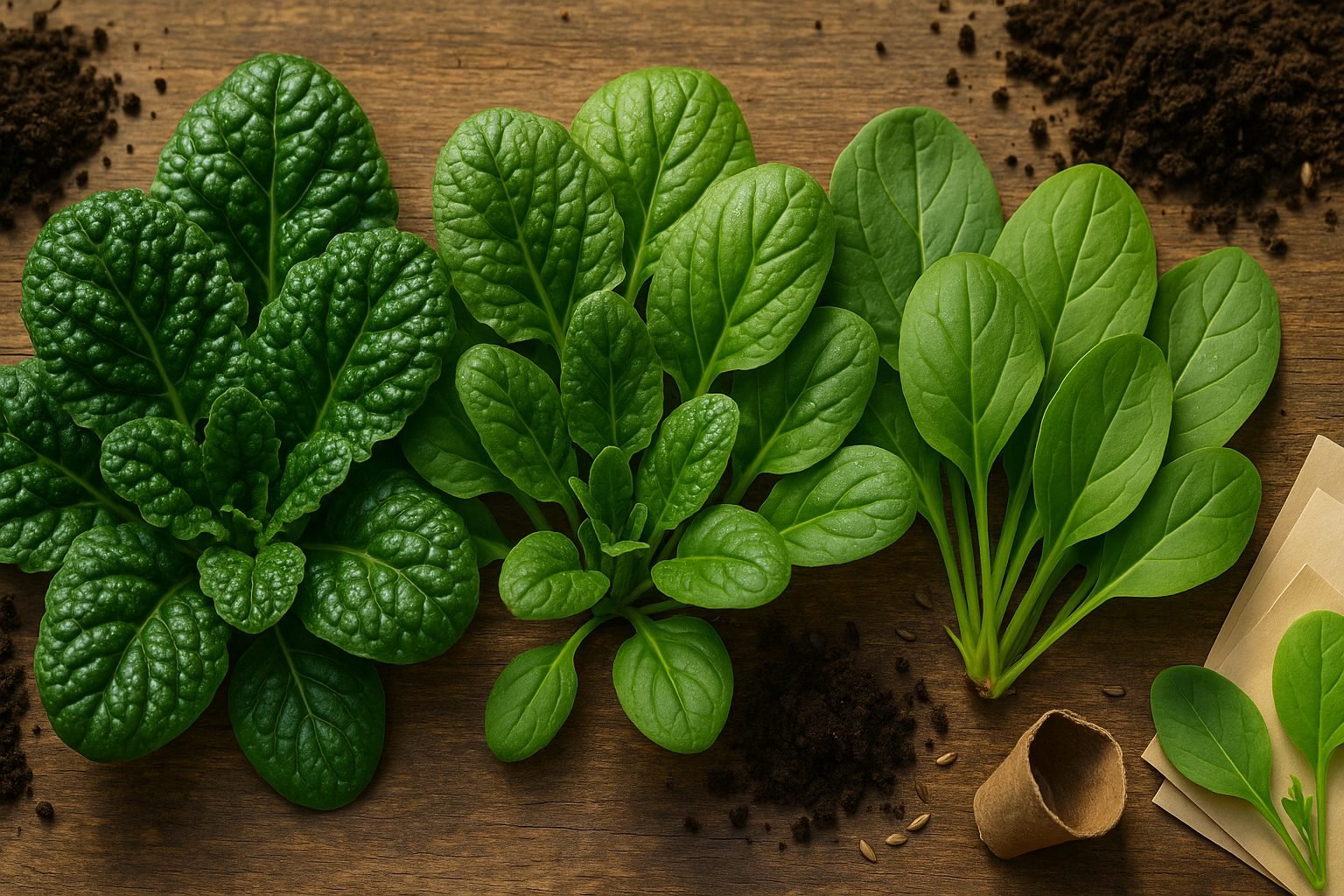
When picking spinach for your garden, it’s helpful to know the three main types: savoy, semi-savoy, and flat-leaf. Savoy spinach has crinkled leaves and great cold tolerance, but it’s a bit harder to wash. Semi-savoy offers slightly smoother leaves while still being easy to grow and disease-resistant, making it a top pick for beginners. Flat-leaf spinach grows quickly and is super easy to clean, which is perfect if you like fresh salads.
Look for disease-resistant and bolt-resistant varieties (like ‘Bloomsdale Long Standing’ or ‘Tyee’) to extend your harvest, especially if you garden in warmer climates. Always check with your local nursery or cooperative extension office for varieties suited to your area—they’re goldmines for advice and often stock trusted, hardy seed options.
Planting Spinach: When, Where, and How
Growing spinach successfully starts with choosing the right spot—pick a location that receives full sun during cooler months or part shade as the weather warms. Spinach prefers cooler temperatures between 45°F and 75°F.
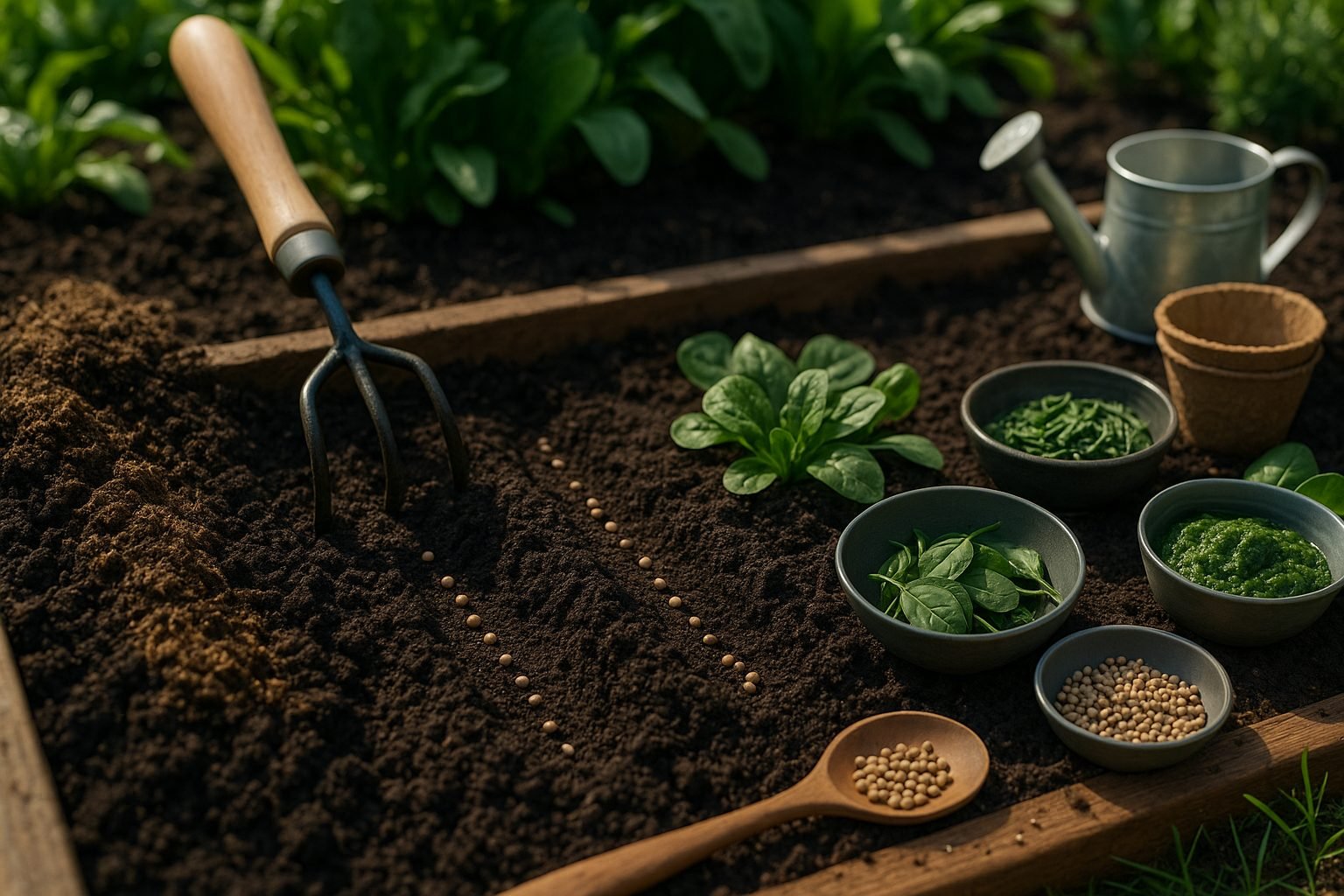
Prepare your garden bed by loosening the soil at least six inches deep and mixing in plenty of compost. Spinach thrives in well-drained, fertile soil that’s slightly acidic to neutral (pH 6.0–7.0).
For spring crops, sow seeds outdoors 4–6 weeks before your last expected frost. For a fall harvest, plant 6–8 weeks before the first fall frost so the leaves mature in cooler weather, which helps prevent bolting.
Plant seeds directly into prepared ground or containers by sowing them about half an inch deep and spacing them 2 inches apart. Thin seedlings to 4–6 inches once they sprout to allow room to grow.
Water consistently to keep the soil moist and mulch around young plants to slow weeds and retain moisture. Whether you’re working in a backyard bed or a patio pot, these simple steps can set you up for plenty of fresh, healthy spinach leaves throughout the growing season.
Caring for Your Spinach Crop
Proper care is essential for a thriving spinach crop, starting with consistent watering—aim to keep the soil moist but not soggy, as spinach prefers steadily damp conditions rather than dry spells or waterlogging. Mulching with straw or shredded leaves helps retain moisture and keeps weeds at bay, promoting healthier growth.
As seedlings emerge, thin them out so each plant is three to four inches apart; this simple step improves airflow and reduces the risk of fungal diseases. Be vigilant for pests like leaf miners, which burrow into leaves and leave telltale squiggly trails. You can prevent infestations organically by covering young plants with row covers or promptly removing damaged leaves.
For a natural defense against pests, plant spinach near garlic or chives—both release natural compounds that repel harmful insects. Finally, watch out for symptoms of mildew and avoid overhead watering to keep foliage dry. Practicing crop rotation each year will also help protect your spinach from recurring pest and disease problems.
Harvesting and Storing Spinach
To harvest spinach for the best flavor, pick the outer leaves when they’re young and tender—usually about three to four inches long—using clean scissors or gently pinching them off by hand. Harvest in the early morning when the leaves are crisp, and always leave the inner leaves and growing point intact to encourage continuous regrowth.
With regular picking, you can often get several harvests from one planting, sometimes every 5–7 days until the weather gets too hot. After harvesting, rinse the leaves in cool water to remove dirt or bugs, then spin or pat them dry with a clean towel.
Store fresh spinach in a plastic bag or airtight container with a paper towel to absorb moisture and prevent sogginess. Place it in the vegetable drawer of your refrigerator. Properly handled, spinach will stay fresh for up to a week, so you can enjoy several rounds of salads or smoothies.
Troubleshooting Common Problems
When growing vegetables, some common issues include bolting from heat, yellowing leaves, and unexpected pest problems.
Bolting—when plants prematurely flower and go to seed—is best prevented by planting heat-sensitive crops early in the season and providing shade as temperatures rise.
Yellow leaves may indicate overwatering, nutrient deficiency, or disease. Check soil moisture and fertilize appropriately to address the issue.
For pests, inspect your plants regularly so you can handpick bugs or use natural deterrents before the damage spreads. Early action is crucial with all these challenges.
For ongoing support, your local university extension service often offers free, research-backed advice tailored to your area. Don’t hesitate to reach out or browse their online guides for more solutions.
Easy Ways to Enjoy Fresh Spinach
Fresh spinach is a versatile addition to any meal—toss it into salads for a quick crunch, blend it into smoothies for a nutrient boost, or sauté it with garlic for an easy side dish. Growing your own spinach makes these meals even more rewarding, offering unbeatable freshness and a sense of satisfaction.
Spinach is packed with vitamins and minerals, so experimenting with different ways to enjoy it not only enhances flavor but also benefits your health. Don’t be afraid to try new recipes and savor the harvest!